
Japanese crêpes
Fruit and cream.
Joe Mabel on Flickr as Joe Mabel from Seattle, US — CC BY-SA 3.0 · Dick Thomas Johnson from Tokyo, Japan — CC BY 2.0 · 江戸村のとくぞう (Edomura no Tokuzo) — CC BY-SA 4.0 · Another Believer — CC BY-SA 4.0 · Dick Thomas Johnson from Tokyo, Japan — CC BY 2.0 · Dick Thomas Johnson from Tokyo, Japan — CC BY 2.0 · Dick Thomas Johnson from Tokyo, Japan — CC BY 2.0 · William J Sisti from Morristown, NJ, USA — CC BY-SA 2.0
A narrow pedestrian street in Harajuku, starting opposite Harajuku Station, at the heart of the youth culture and fashion that made Harajuku famous around the world. Little shops line both sides, selling colourful quirky fashion, accessories and souvenirs, alongside sweet shops, most famously the rolled Japanese crêpes filled with fruit and cream, big cosmetics stores and themed cafés. The street is packed with young people and visitors all day, and you may spot some eye-catching outfits. The quiet forest of the Meiji Shrine and the broad, upmarket Omotesandō avenue are close by, so they combine easily in one outing. Walking it is free. It is very crowded at weekends and in school holidays, so weekday mornings are calmer. Eating while walking is not allowed in some parts, so eat at the shop.
Fruit and cream.
Colourful and quirky.
Calm after the crowds.
Harajuku, opposite the Takeshita exit of Harajuku Station
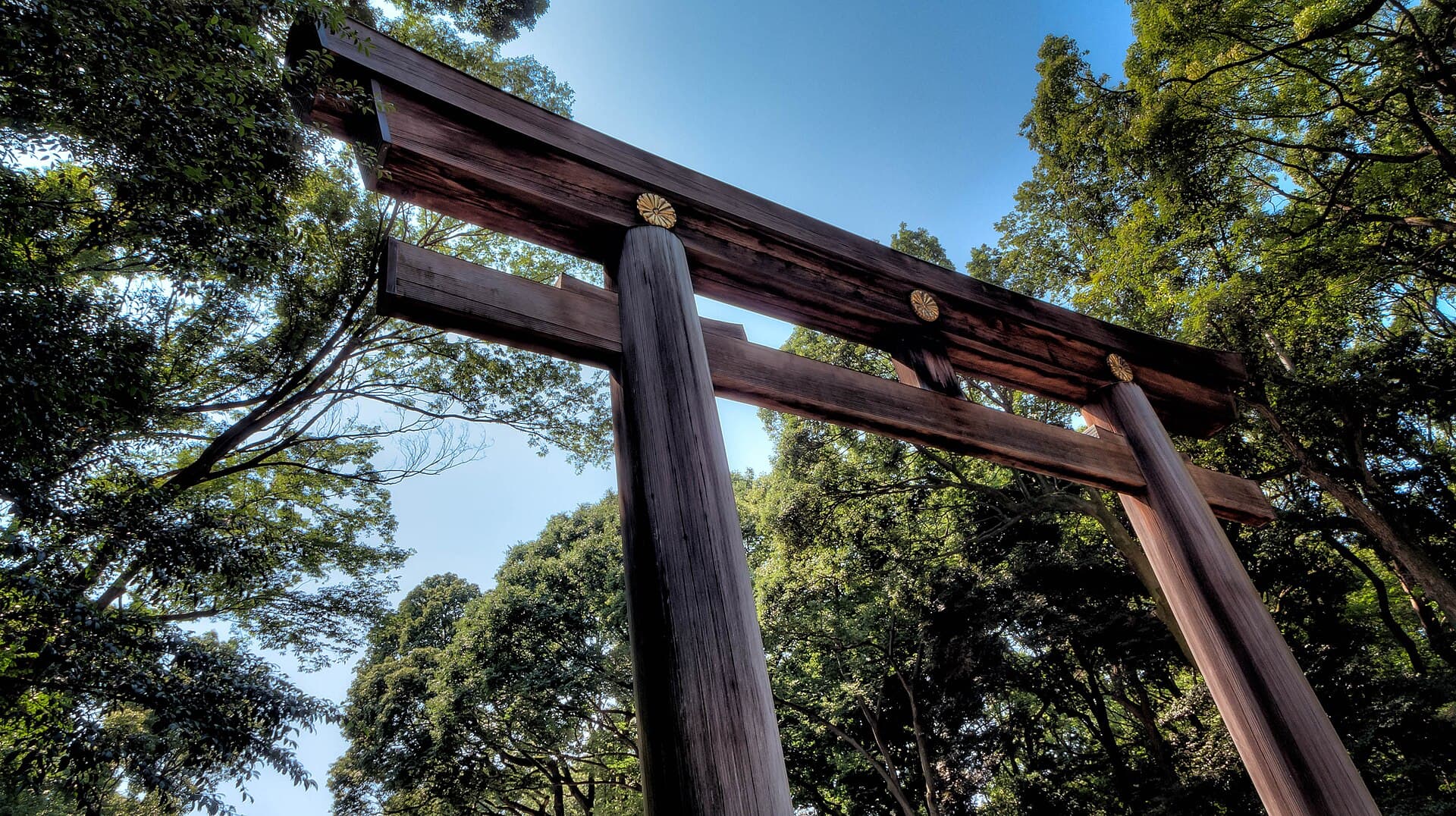 Meiji Shrine (Meiji Jingū)A Shinto shrine in Shibuya dedicated to Emperor Meiji and his wife, Empress Shōk10 minutes walk4.8
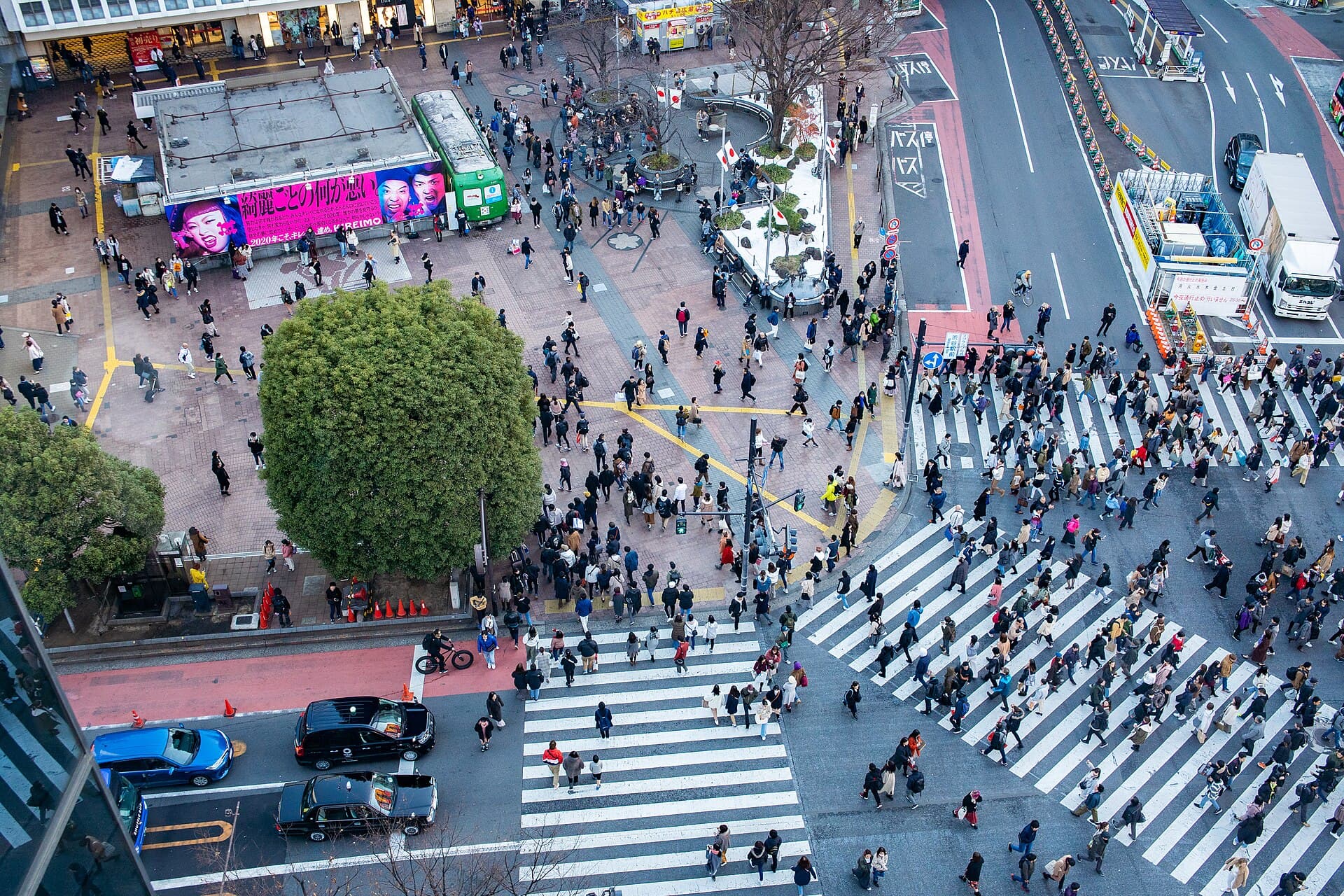 Shibuya CrossingA famous pedestrian crossing in front of Shibuya Station, described as the busie17 minutes walk4.6
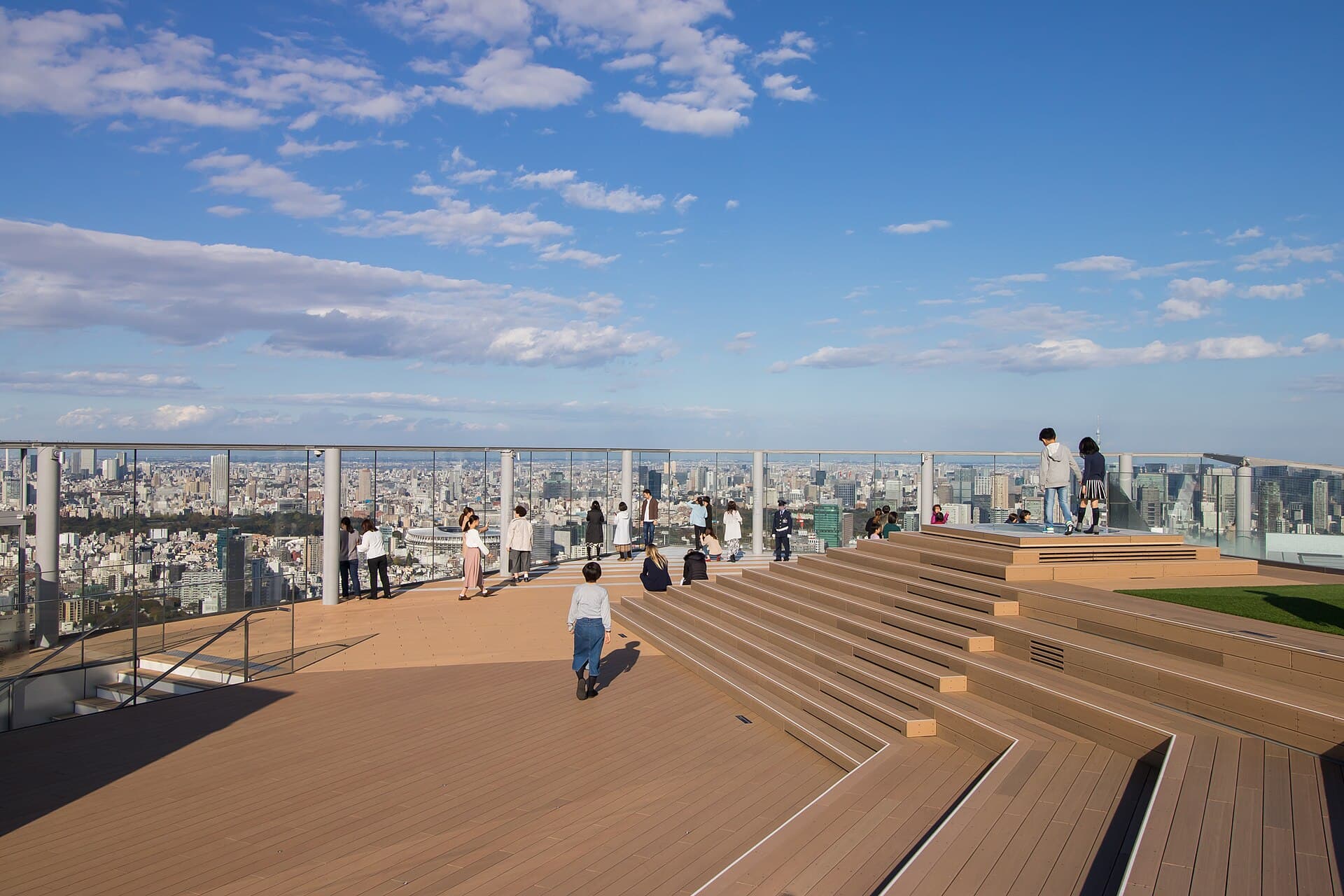 Shibuya SkyAn observation deck on the roof of Shibuya Scramble Square, at about 230 metres 18 minutes walk4.7
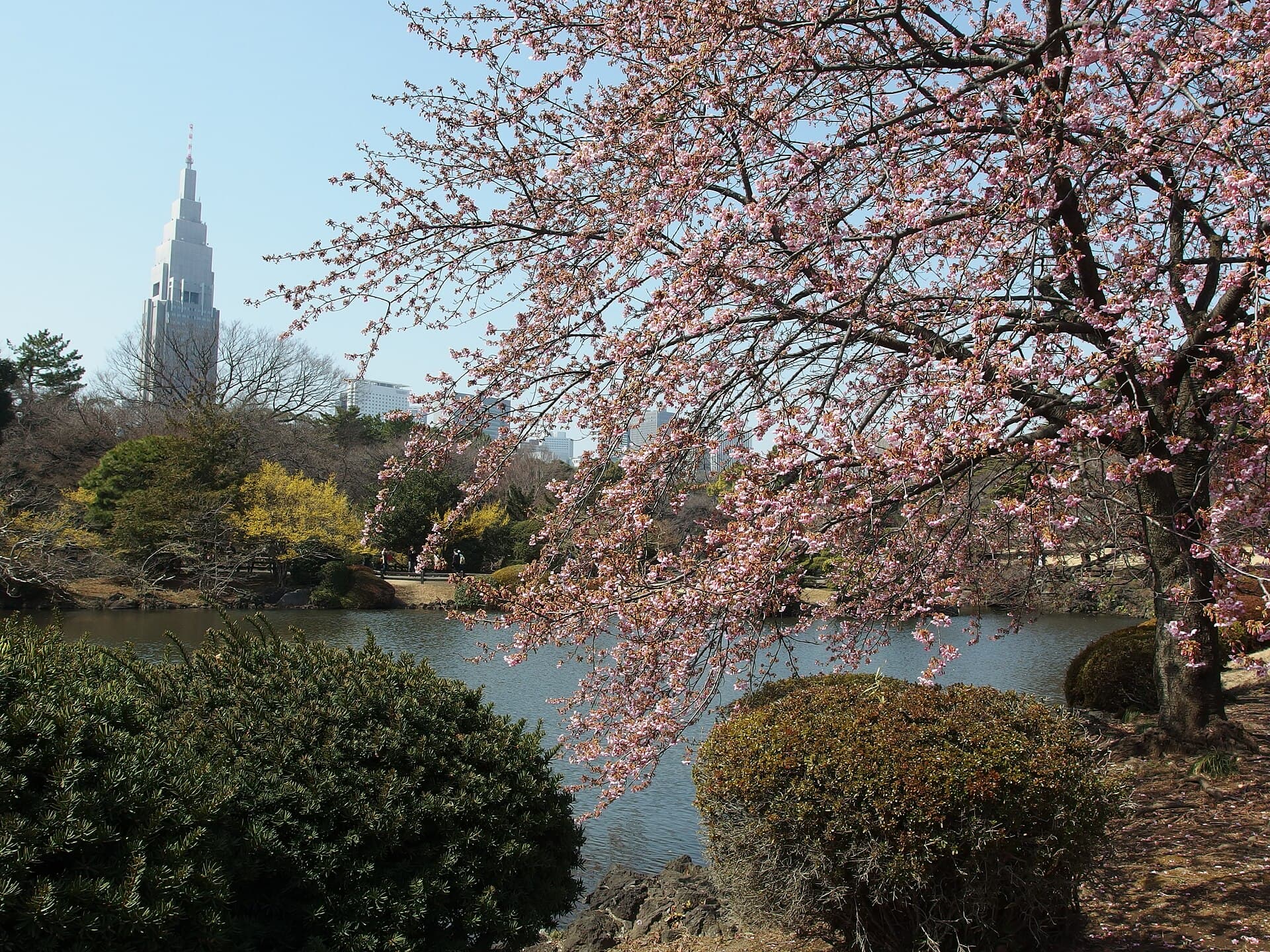 Shinjuku Gyoen National GardenA large public garden between Shinjuku and Shibuya. In the Edo period it was the20 minutes walk4.5
Weekday mornings are calmest; weekends and school holidays are very crowded. It combines easily with the nearby Meiji Shrine.