
The Wall of Names
Marble panels of the deported, ordered by year.
BrnGrby — CC BY-SA 4.0 · Gérald Garitan — CC BY-SA 4.0 · Guilhem Vellut from Paris, France — CC BY 2.0 · Guilhem Vellut from Paris, France — CC BY 2.0
In the heart of **Le Marais** — Paris's historic Jewish quarter — stands Europe's principal centre for documenting and remembering the Holocaust, and entry is **free**. The site begins with the **Wall of Names**: marble panels in the courtyard inscribed with the names of some **seventy-six thousand** Jews deported from France to the extermination camps between 1942 and 1944, ordered by year of deportation. More than eleven thousand of them were **children**. Inside is the **Crypt of the Unknown Jewish Martyr**, with a black Star of David and ashes from the camps, then a permanent museum telling the story through documents, photographs and filmed testimony, with particular attention to the **role of the French Vichy state** in the deportations — a direct reckoning with French responsibility, without softening. It holds an **archive and research centre** used for documentation and tracing individual fates, and a space for temporary exhibitions. ⚠ This is an **emotionally very heavy** site. It is not a tourist attraction and not an activity to fill an hour; it needs preparation beforehand and time afterwards.
Marble panels of the deported, ordered by year.
A black star and ashes from the camps.
A direct reckoning with the French state's role in the deportations.
17 Rue Geoffroy l'Asnier, 75004 Paris
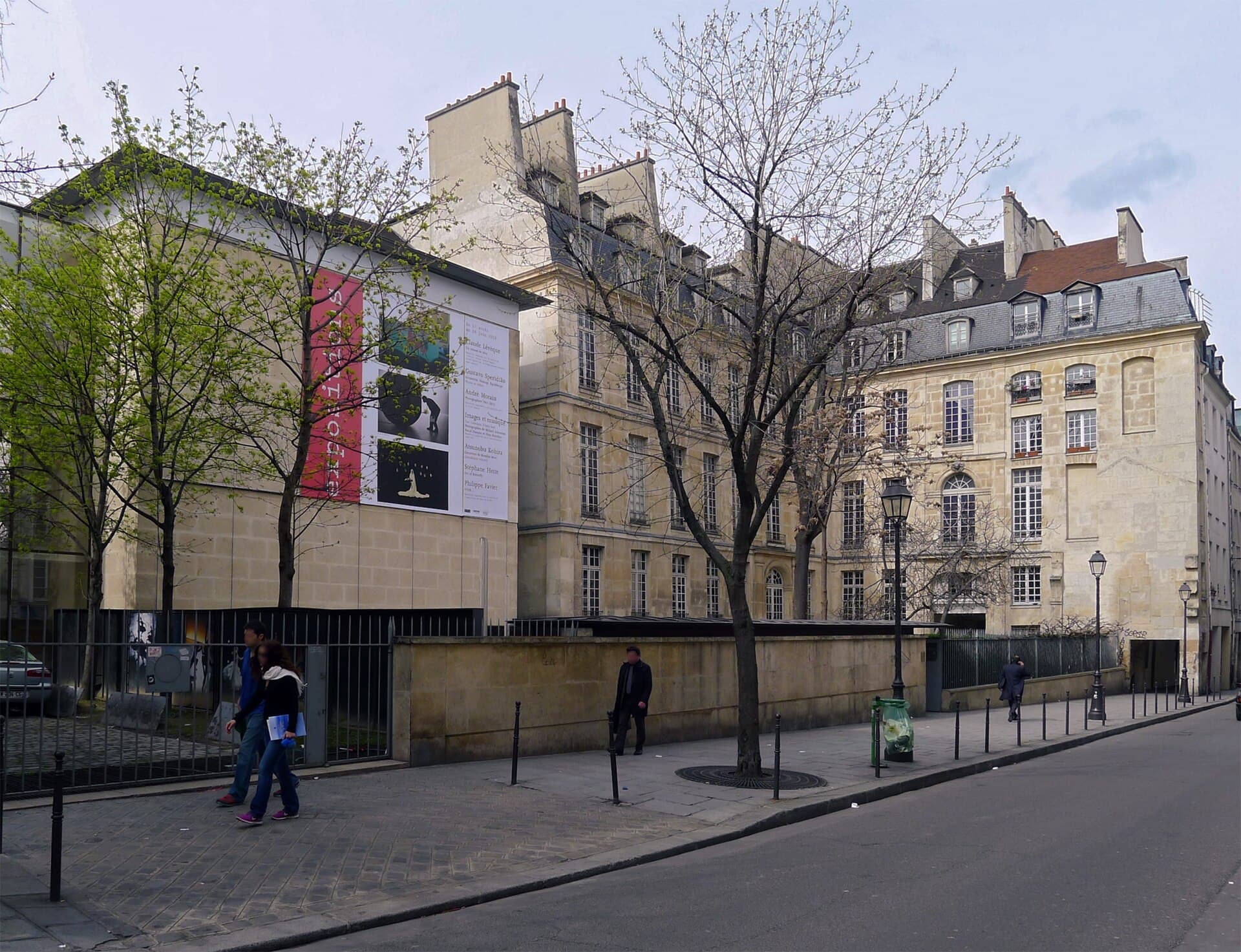 Maison Européenne de la PhotographieAn institution devoted to photography in an eighteenth-century mansion in the Ma3 minutes walk4.6
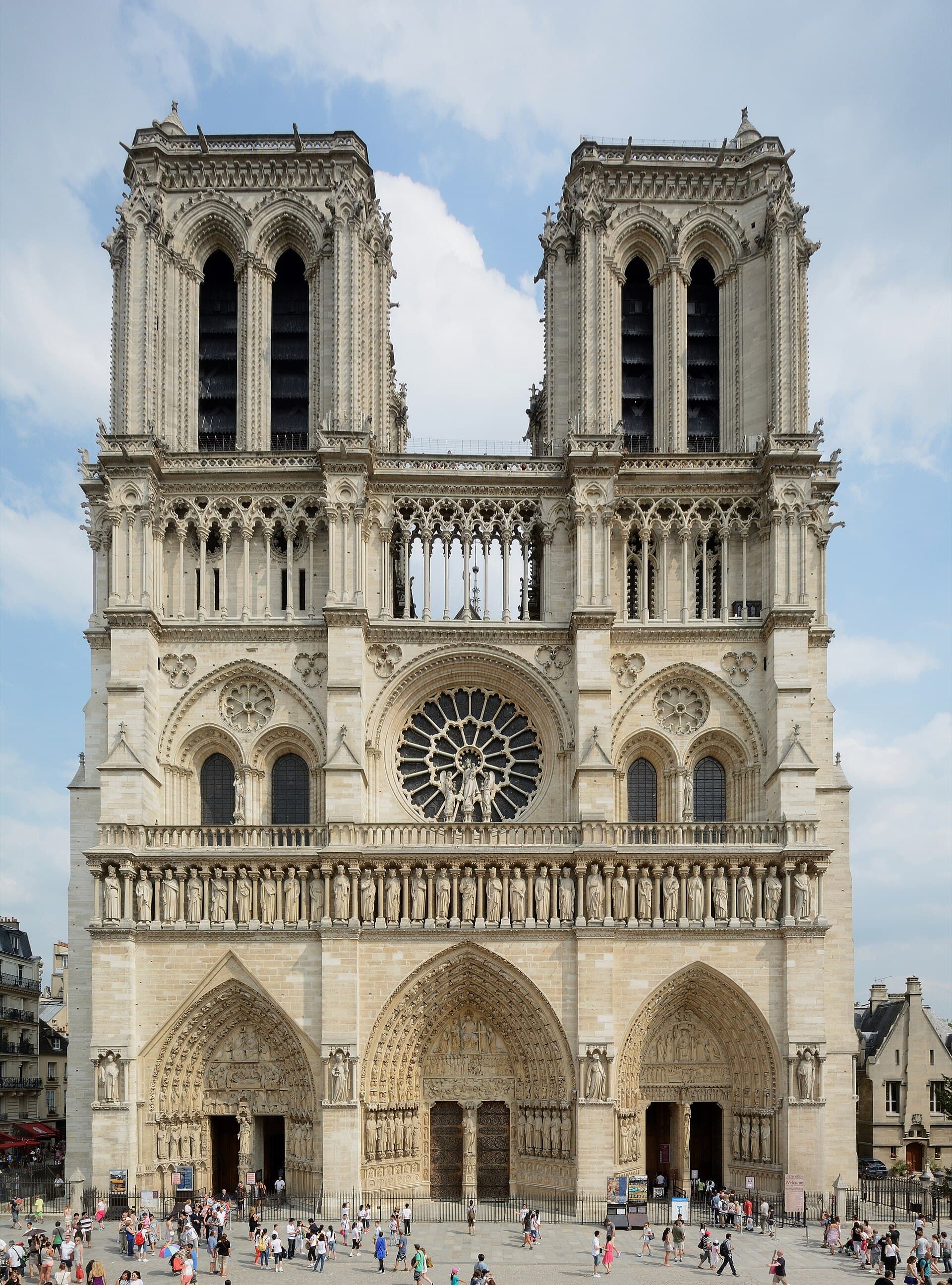 Notre-Dame de ParisWhen Notre-Dame's roof burned before the world's eyes in April 2019, Paris seeme6 minutes walk4.6
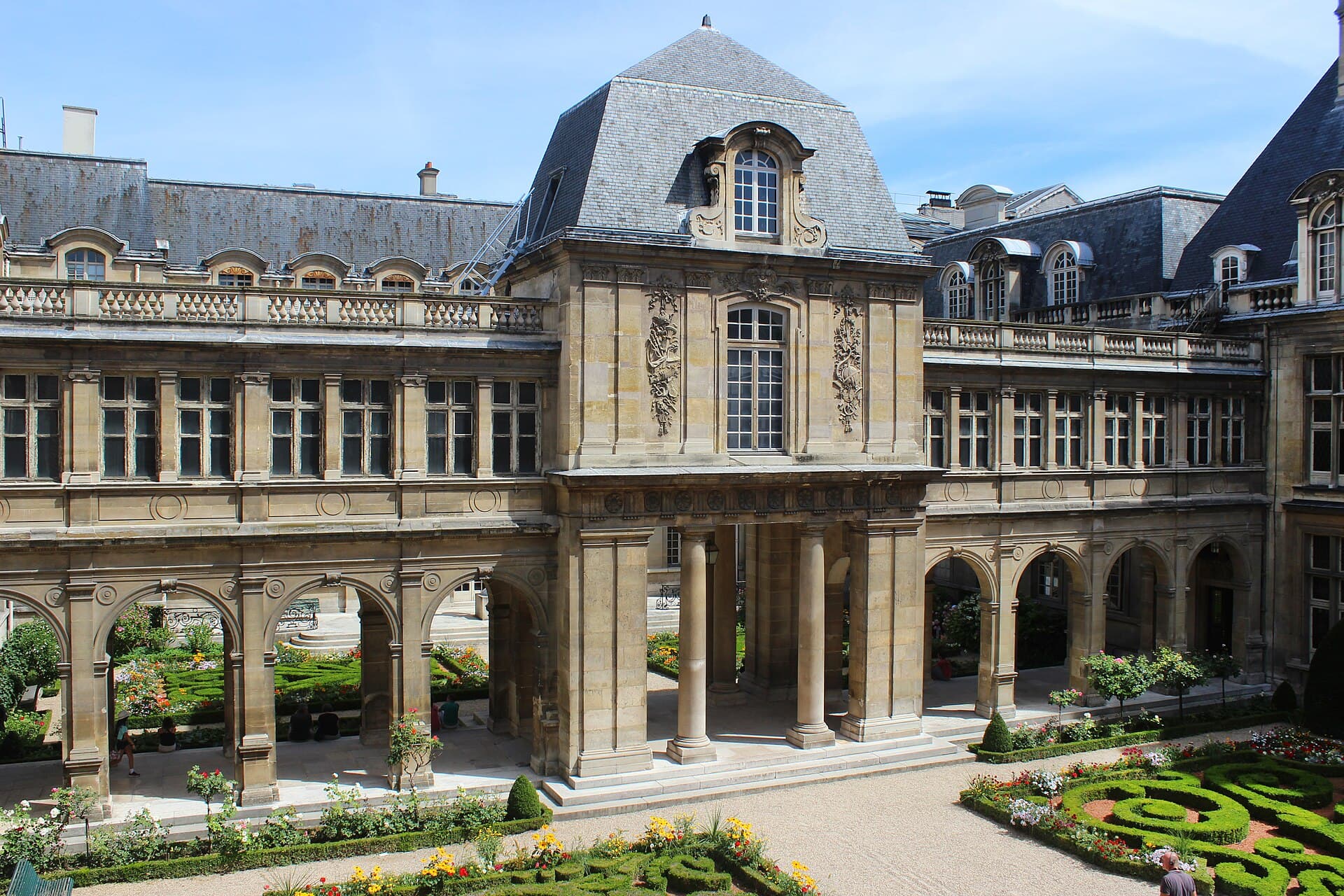 Musée CarnavaletThe oldest museum in Paris and the most Parisian: Carnavalet tells the biography7 minutes walk4.8
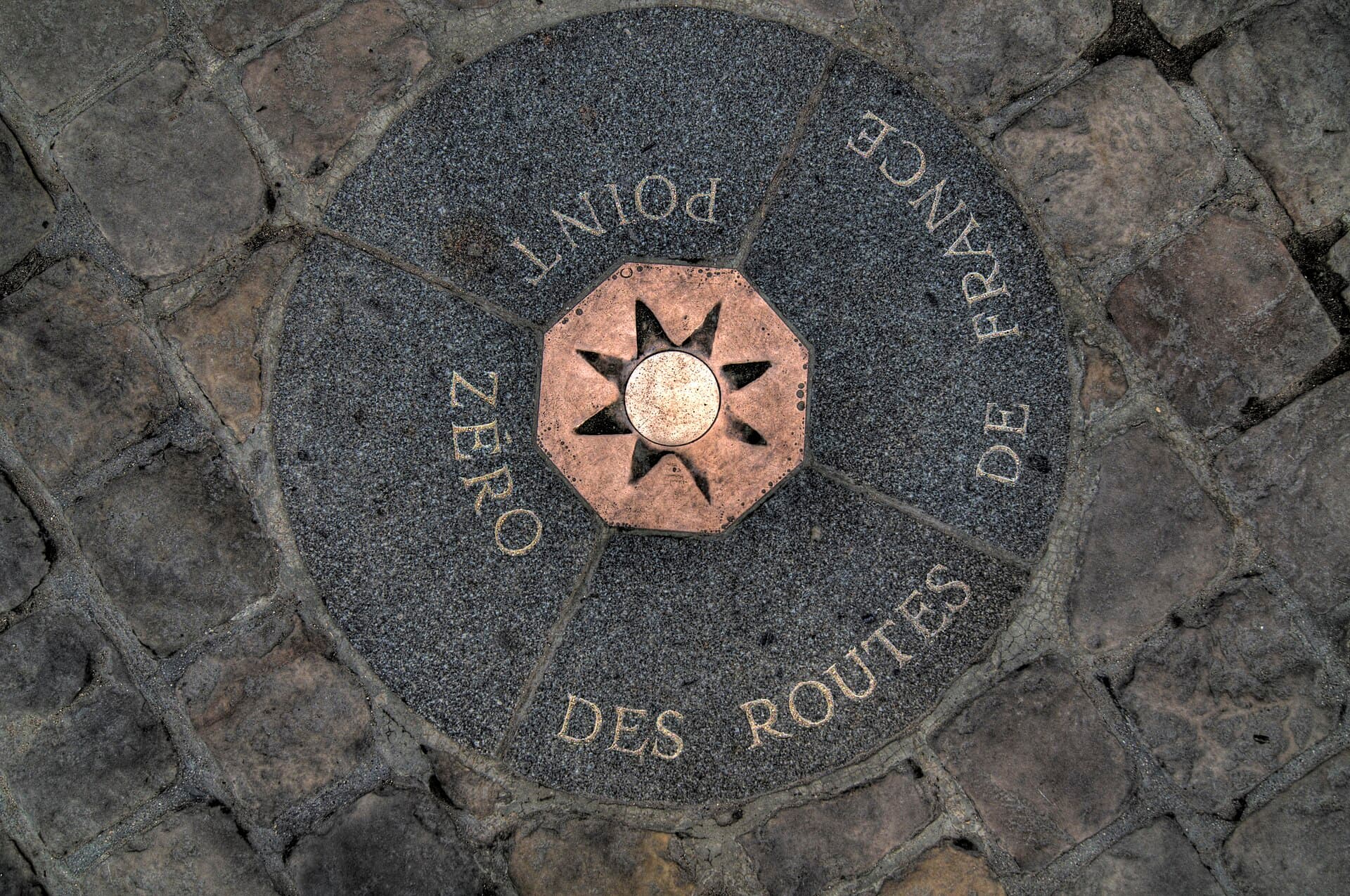 Point Zero of the French RoadsAn octagonal bronze plaque set into the paving of the square before Notre-Dame c7 minutes walk4.6
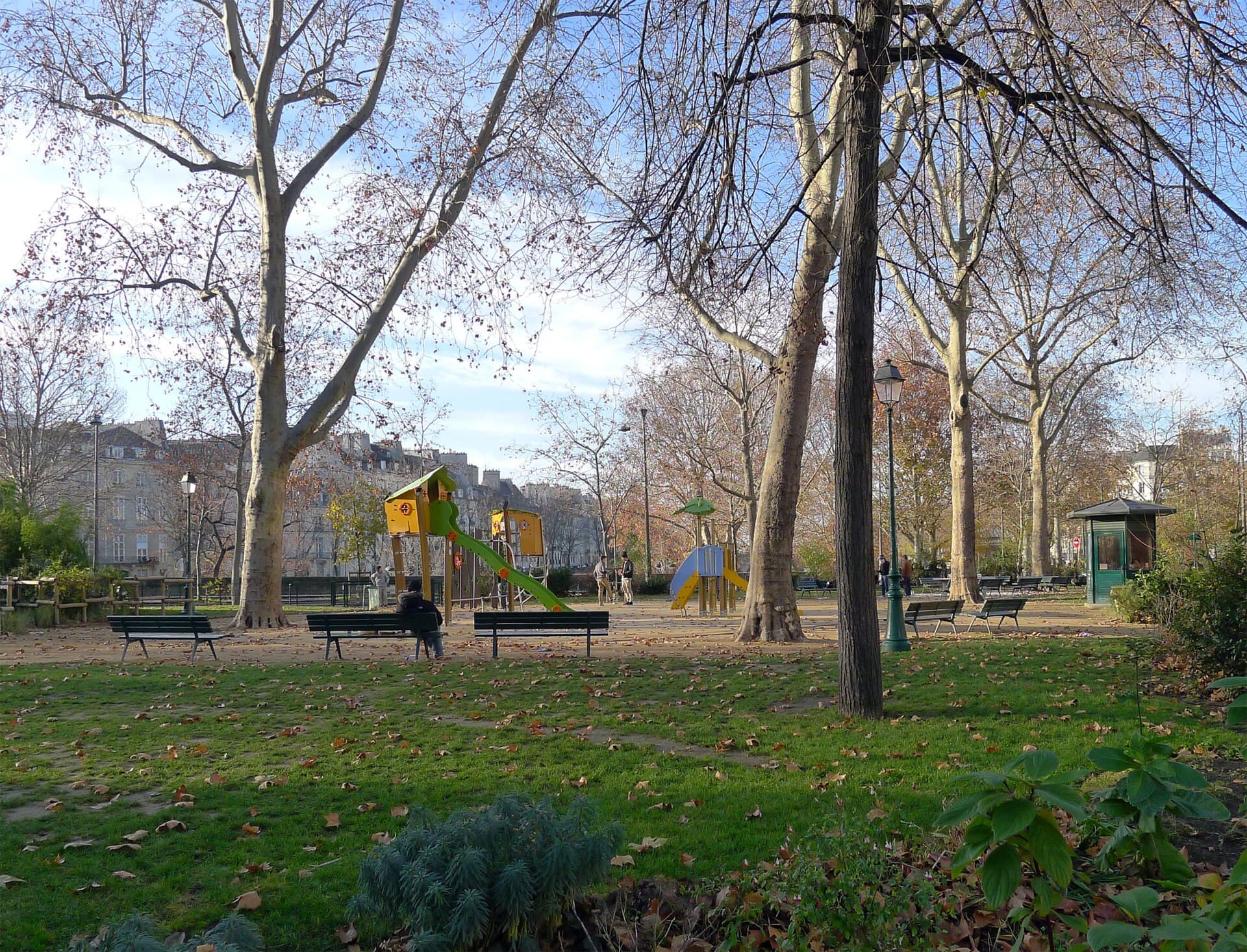 Square Henri Galli — Stones of the BastilleA small garden on Boulevard Henri IV near the river, holding what may be the mos7 minutes walk3.8
Looking for halal food near Mémorial de la Shoah? There are several options nearby, from Moroccan and Indian kitchens to quick casual spots and places with a view. Confirm the halal status and opening hours before you go — these can change.
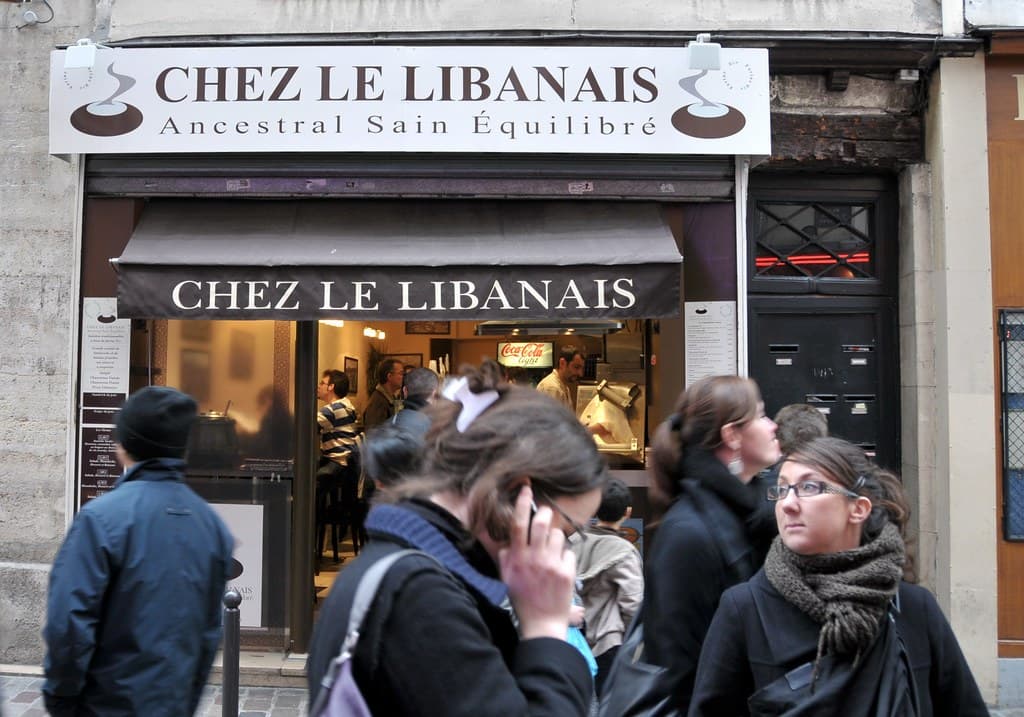 Chez le LibanaisHalalA small counter on Rue Saint-André des Arts, one of the busiest pedestrian stree13 minutes walk · $4.5Al DarHalalAl Dar is a Lebanese restaurant in the Latin Quarter, a few minutes on foot from8 minutes walk · $$4.1AssanabelHalalAssanabel is a small Lebanese restaurant on Rue Jacob, one of the prettiest and 21 minutes walk · $$4.9
**Not young children** — the content concerns a genocide and includes harsh images, documents and testimony, and the site itself does not recommend it. For **teenagers and older school-age children**, the visit may be among the most important things they see in Paris, on two conditions: **preparation beforehand** — that they know what they will see and why — and **an adult with them and time to talk afterwards**. The memorial receives school groups regularly and has material designed for them. Don't take a teenager in without explaining first.
**Don't wedge it between two activities.** Allow at least **an hour and a half**, and leave open time afterwards — many visitors need to walk in silence when they come out, and a noisy lunch or another museum does not follow well. The memorial is in **Le Marais**, so the natural thing afterwards is a quiet walk through the Jewish quarter's lanes and the rue des Rosiers. And check the **closing day (usually Saturday)** before planning, as that catches more visitors out than anything else.