
The berimbau
The music of capoeira.
Paul R. Burley — CC BY-SA 4.0 · Paul R. Burley — CC BY-SA 4.0 · Paul R. Burley — CC BY-SA 4.0 · Webysther — CC BY-SA 4.0
Mercado Modelo is Salvador's best-known handicraft market, in the Lower City at the foot of the Elevador Lacerda, facing the Bay of All Saints. It first opened on 2 February 1912 and burned more than once, most recently in 1969, when the original building was destroyed, so in 1971 it moved into the old Customs House of 1861, a neoclassical building. Its two floors hold 266 shops selling Bahian crafts and souvenirs: berimbaus, the musical bows used in capoeira, lace, ceramics, wood carvings and local chilli peppers, alongside T-shirts and magnets. Upstairs are two long-established restaurants of Bahian food, and capoeira is often performed in the square outside. Bargaining is expected, so do not take the first price. Some goods on sale are alcoholic or religious in character, worth noting if that matters to you.
The music of capoeira.
From 1861.
In the square outside.
Praça Visconde de Cayru, Lower City
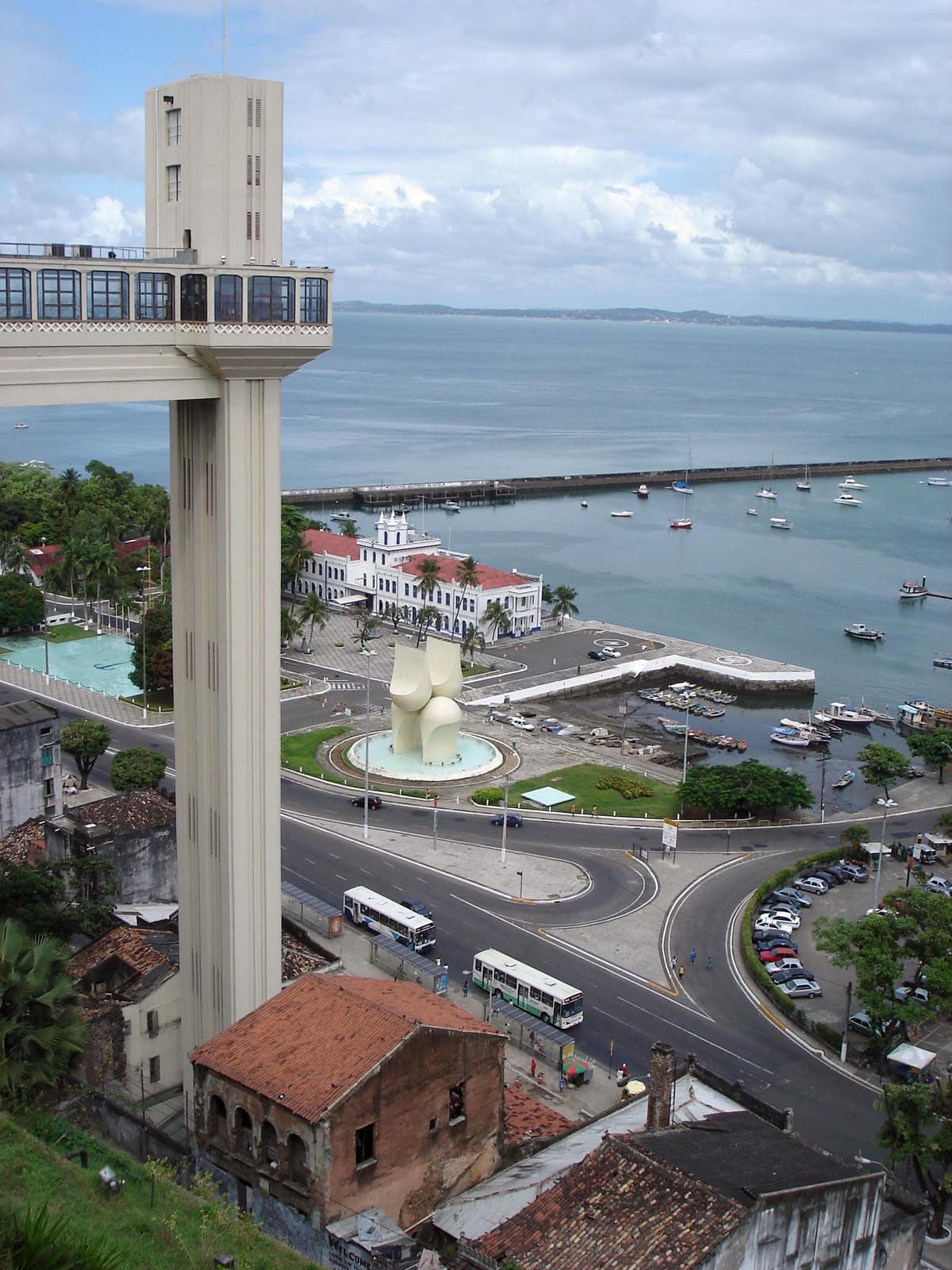 Elevador LacerdaThe Elevador Lacerda is a public lift 72 metres high that links Salvador's Upper2 minutes walk4.4
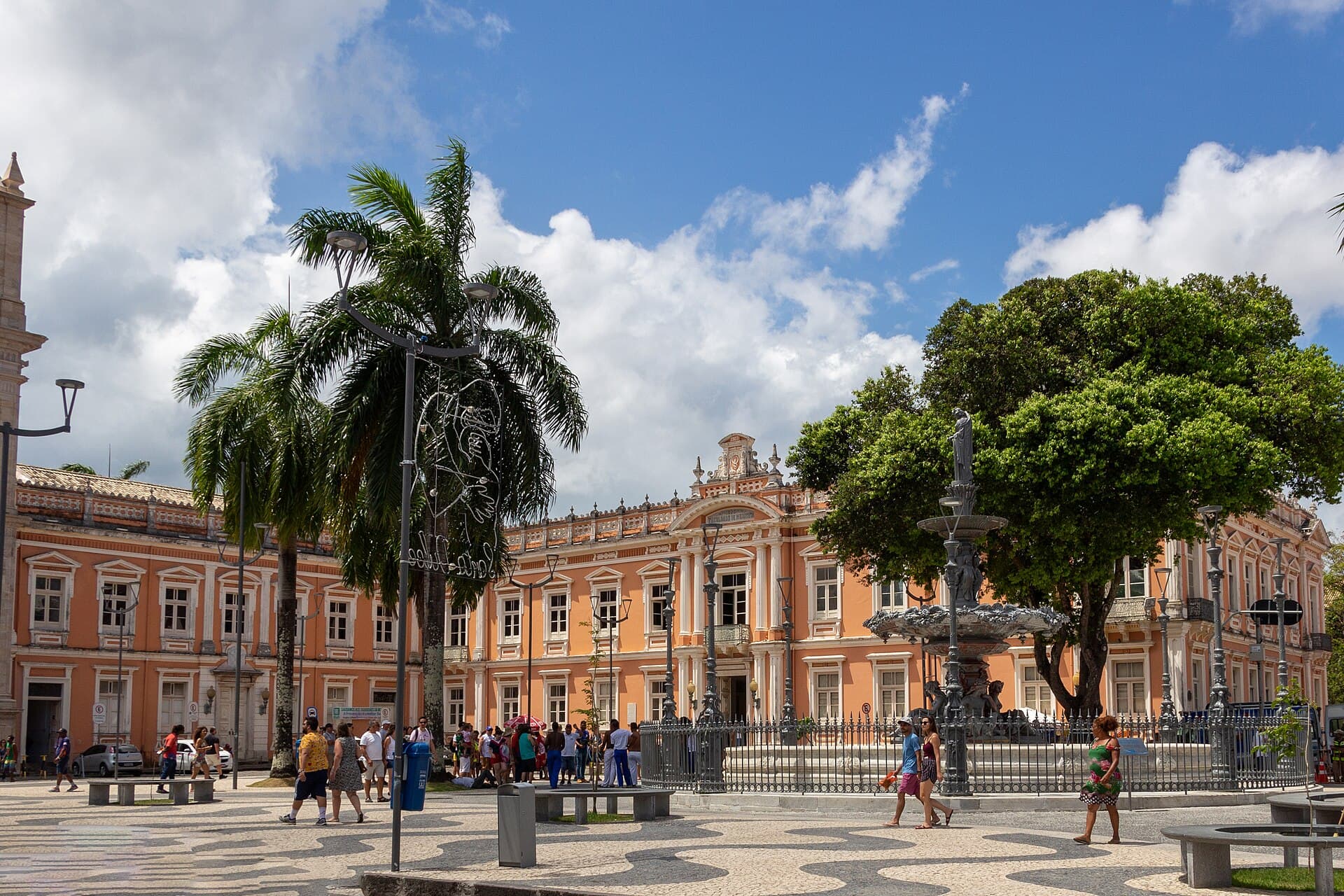 Museu Afro-Brasileiro (Salvador)The Afro-Brazilian Museum, «MAFRO», belongs to the Federal University of Bahia a6 minutes walk4.4
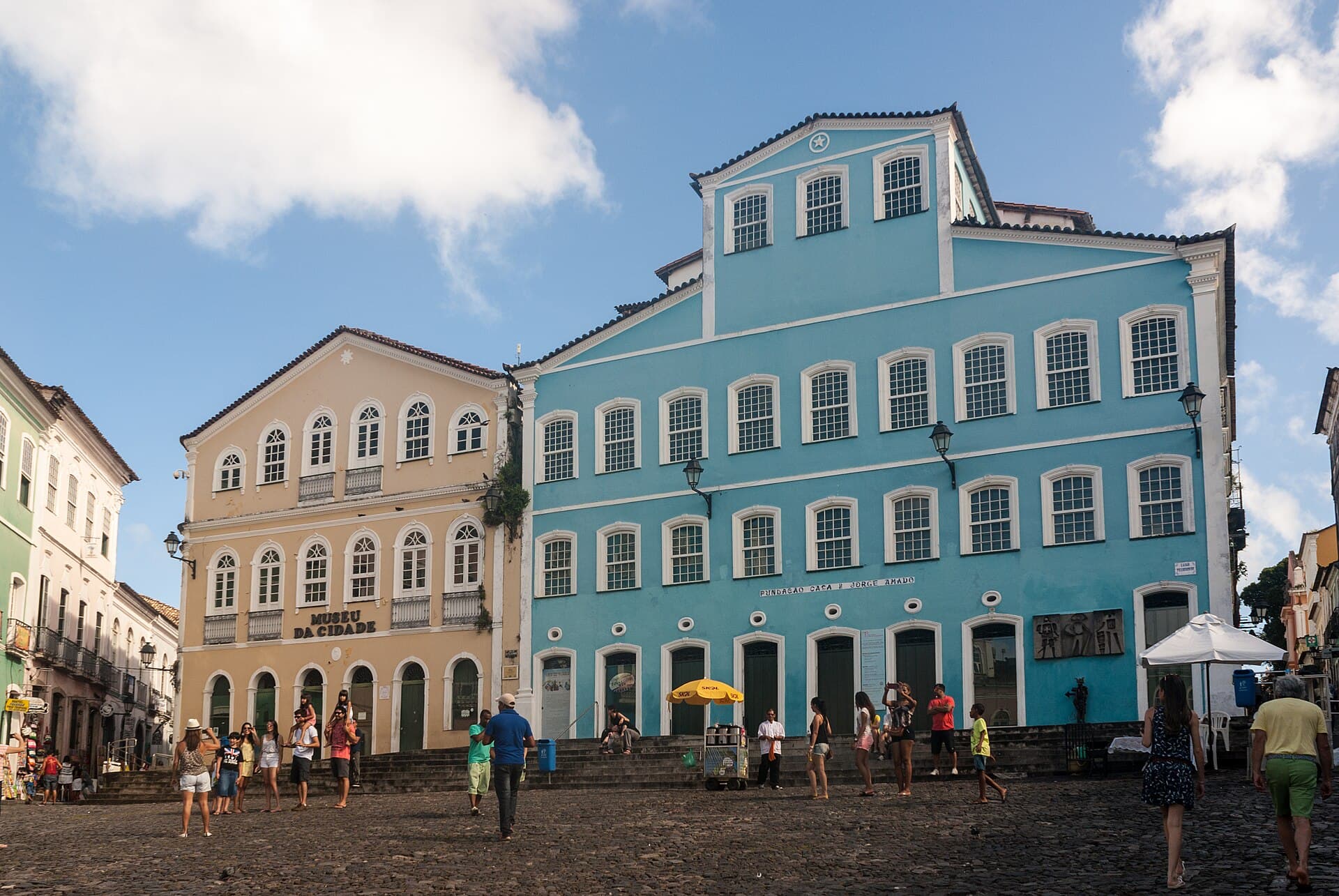 Pelourinho (Historic Centre of Salvador)Pelourinho is the historic centre of Salvador, Brazil's first capital from 1549 6 minutes walk
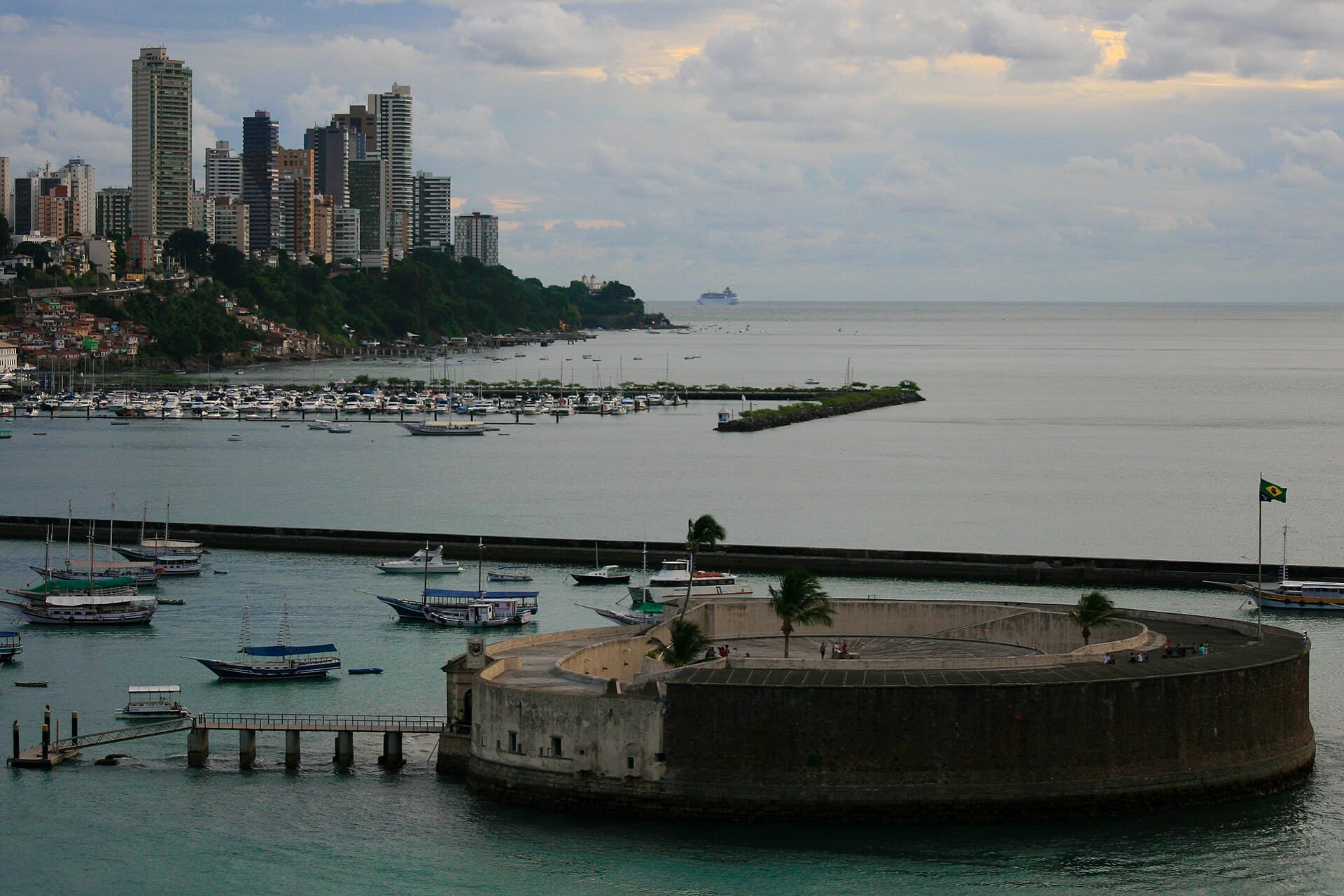 Forte de São MarceloForte de São Marcelo, known locally as the «Sea Fort», stands on a reef bank abo7 minutes walk4.5
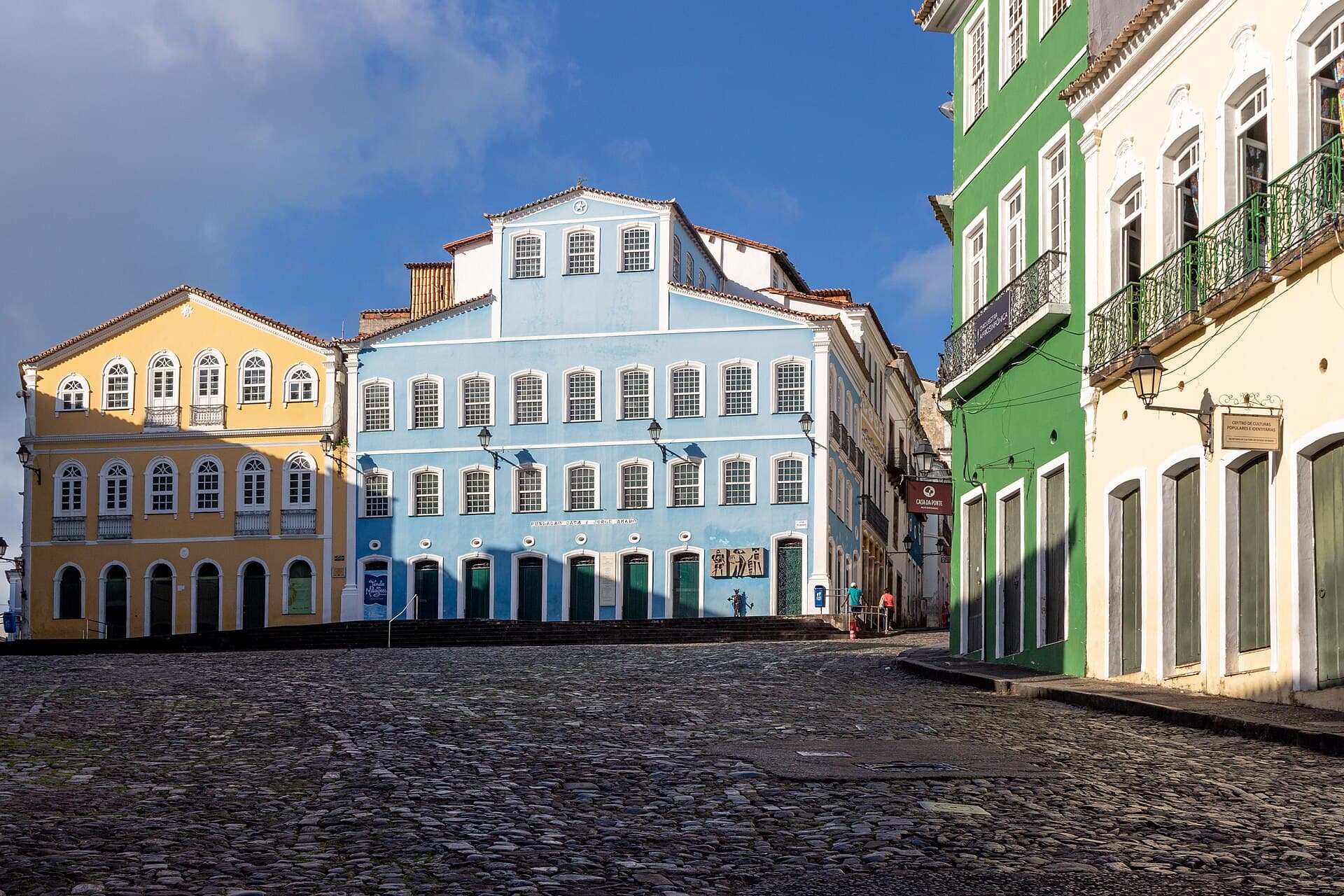 Fundação Casa de Jorge AmadoIn the blue house overlooking the Pelourinho square stands the Jorge Amado House8 minutes walk4.8
Monday to Saturday from 9:00 to 19:00 and Sunday from 9:00 to 14:00; entry is free.