The painted houses
On steep cobbled streets.
Matti Blume — CC BY-SA 4.0 · Paul R. Burley — CC BY-SA 4.0 · Paul R. Burley — CC BY-SA 4.0 · Paul R. Burley — CC BY-SA 4.0
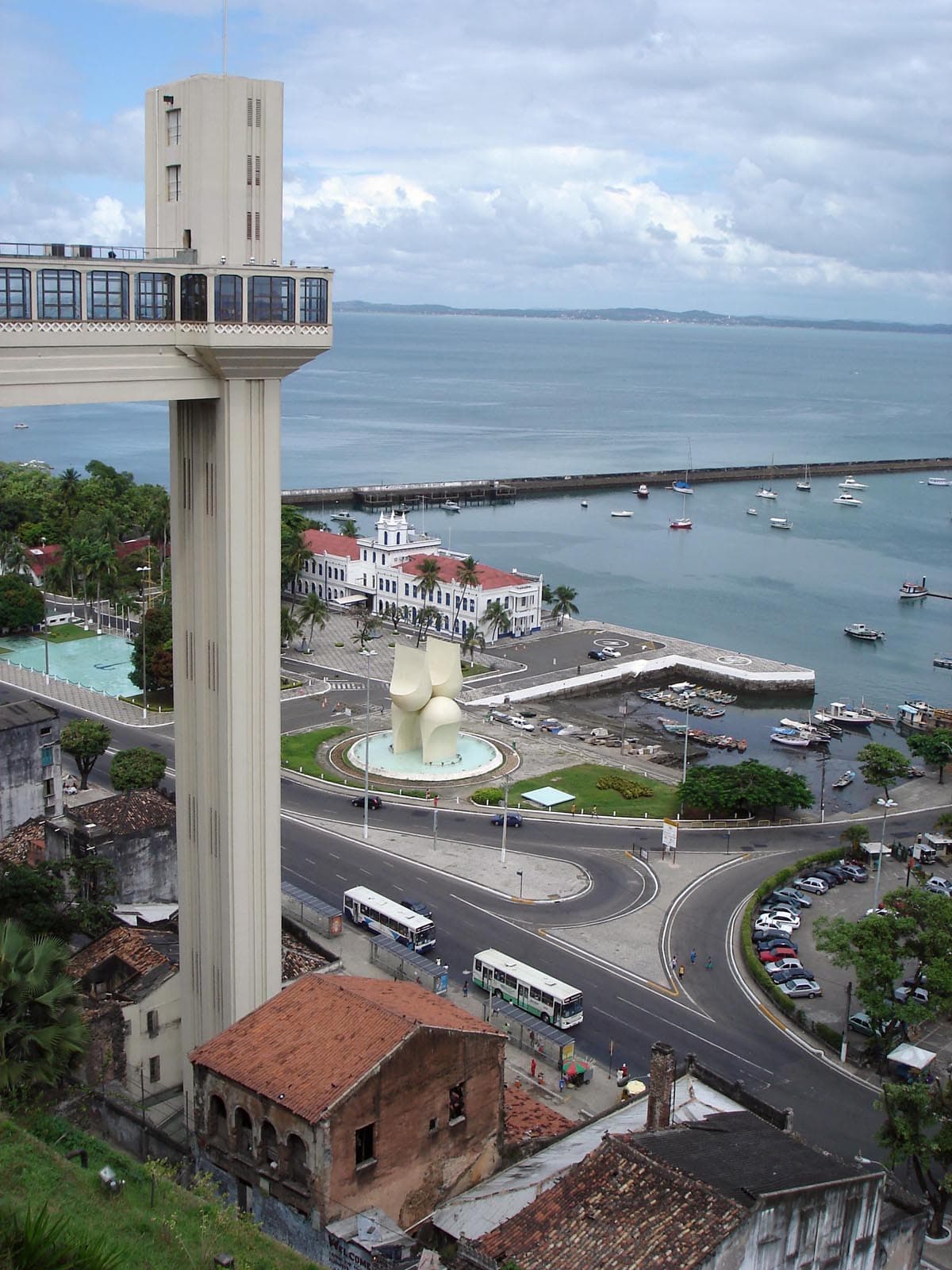
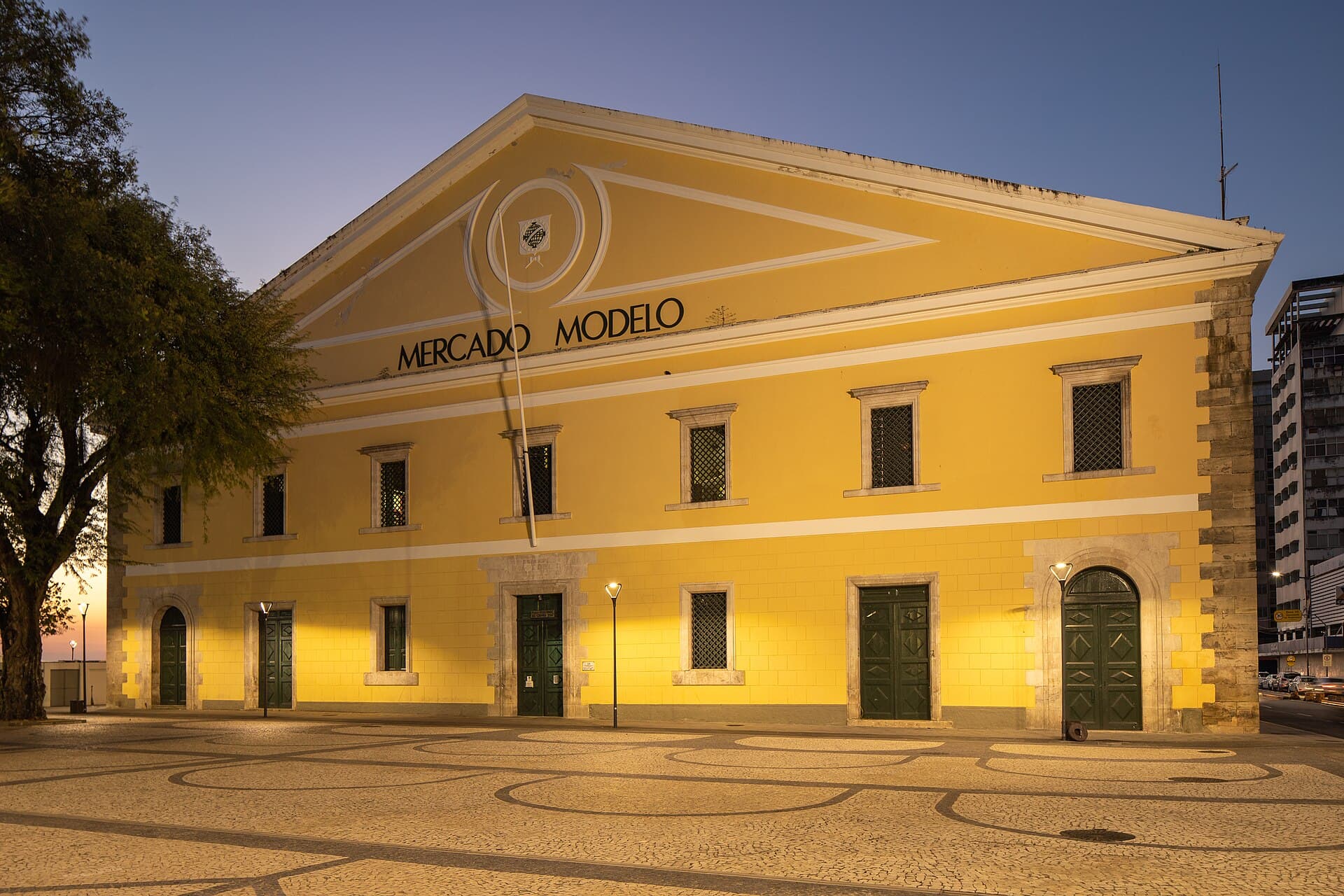
Pelourinho is the historic centre of Salvador, Brazil's first capital from 1549 to 1763, listed by UNESCO as a World Heritage Site in 1985. It carries a harsh name: the pelourinho was the whipping post in its square, where enslaved Africans were publicly beaten as punishment. A vast number of enslaved people passed through Salvador's port, which made it the most African of Brazil's cities in its culture. Its cobbled streets climb and fall between colonial houses painted blue, yellow and pink and Baroque churches of the 17th and 18th centuries, among them the Church of Our Lady of the Rosary of the Black People, built by a brotherhood of the enslaved and their descendants. Today the district is the heart of Afro-Brazilian culture: drum groups rehearsing in the streets, capoeira displays, and restaurants serving Bahian dishes such as acarajé, black-eyed-pea fritters fried in palm oil. Visit by day and keep to the main restored streets, without flashing phones or valuables. Watch out for people who tie coloured ribbons on your wrist and then ask for money, and for women in traditional dress who charge to be photographed: agree on the amount first.
On steep cobbled streets.
Afro-Brazilian culture.
Bahia's famous snack.
Upper City, historic centre of Salvador
By day and on the main restored streets, yes, with the usual care: keep phones and valuables out of sight and avoid empty lanes after dark.