
The cells
Stone and iron rings as they were, below street level.
ZemplinTemplar — CC BY-SA 4.0 · ZemplinTemplar — CC BY-SA 4.0 · ZemplinTemplar — CC BY-SA 4.0 · Viktor Hézsely — CC BY 1.0
Two fifteenth-century Gothic houses merged into one building, which served as **the city prison** from the seventeenth century until 1909 — more than two hundred years. The name comes from Mikluš, its last warder, who lived in it. The display divides into two levels. Below are **the cells and underground rooms** as they were: stone walls, iron rings, and instruments of torture and punishment actually used in the city, with an explanation of how justice worked in a free medieval town — who was tried, on what charges, and how sentences were carried out. Note: **the lower section is genuinely harsh** and may not suit small children or a sensitive visitor. Upstairs the displays are lighter: the civic history of Košice, its crafts, the furniture of town houses, and a section on the fortifications — with remains of the **water tower** and old defences exposed in the rear yard. The building itself is part of the visit: stone vaults, narrow stairs and low ceilings.
Stone and iron rings as they were, below street level.
Who was tried in a free city, and on what charges.
Remains of the old defences exposed in the rear yard.
Hrnčiarska 7, Košice
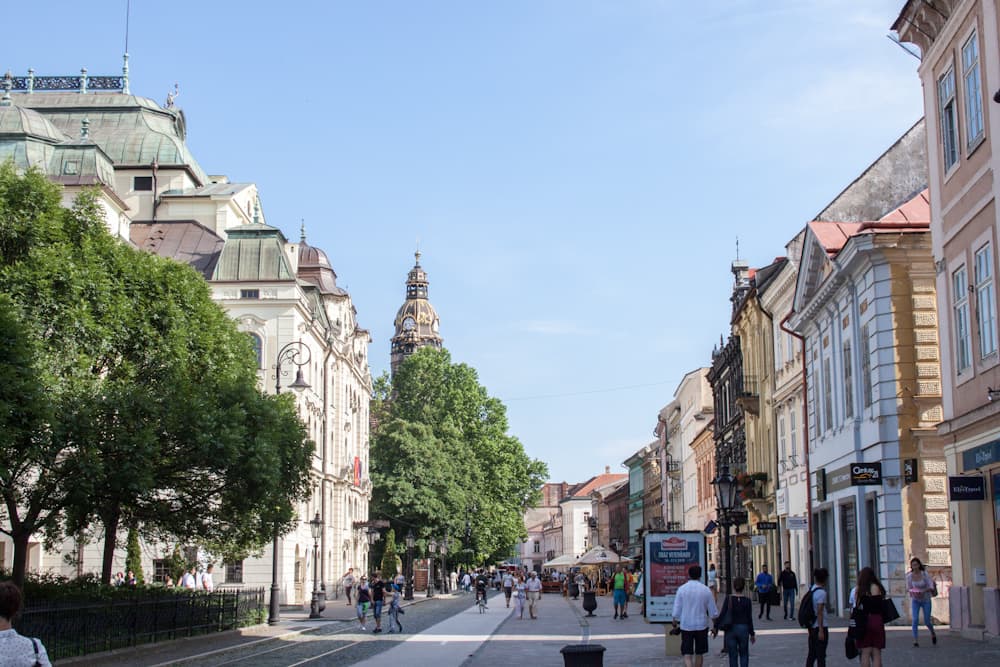 Hlavná StreetKošice''s main street, and in truth a **spindle-shaped square**: it begins narro2 minutes walk
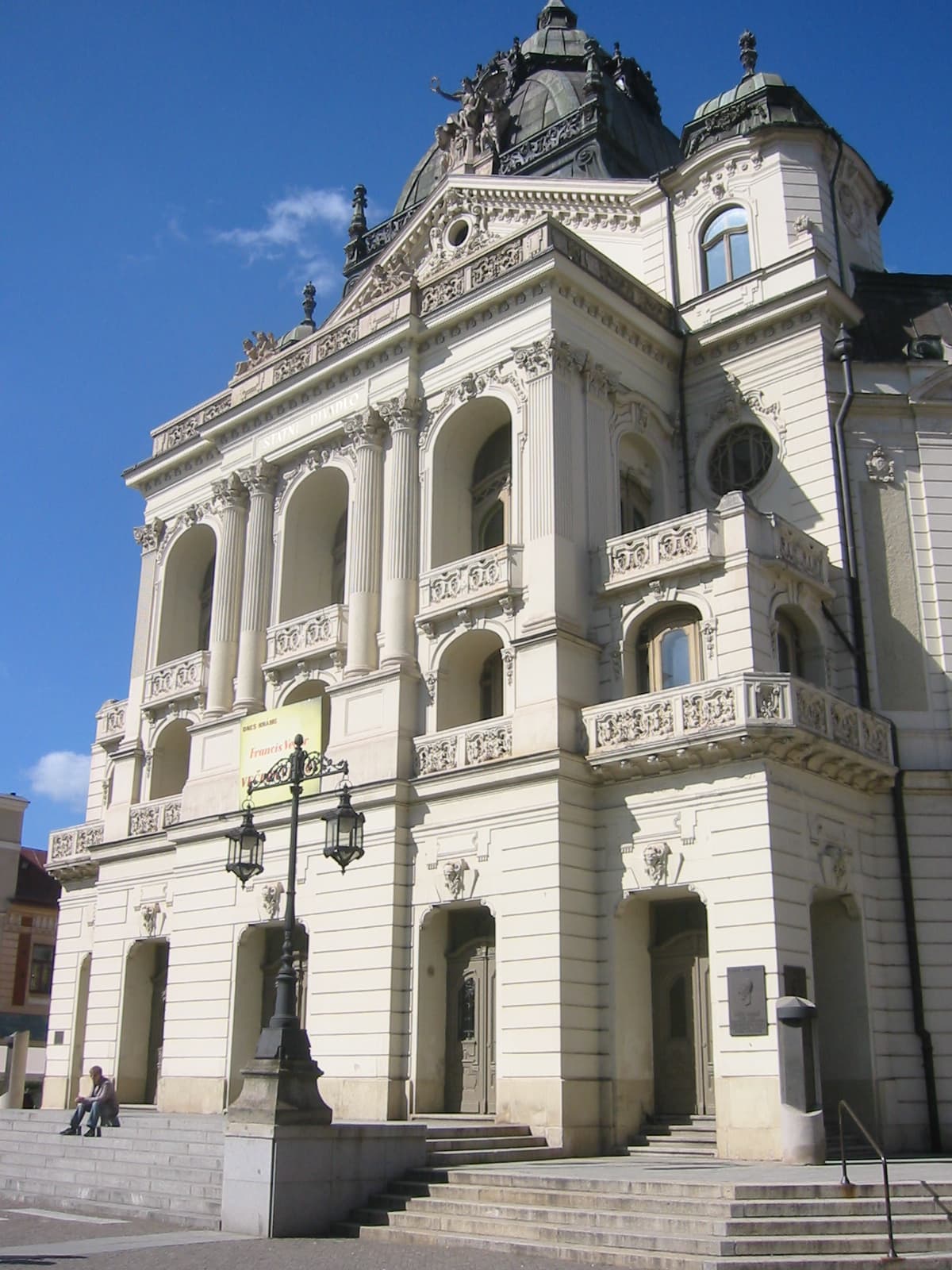 State Theatre KošiceA neo-Renaissance building standing squarely in the middle of Hlavná square, div3 minutes walk4.7
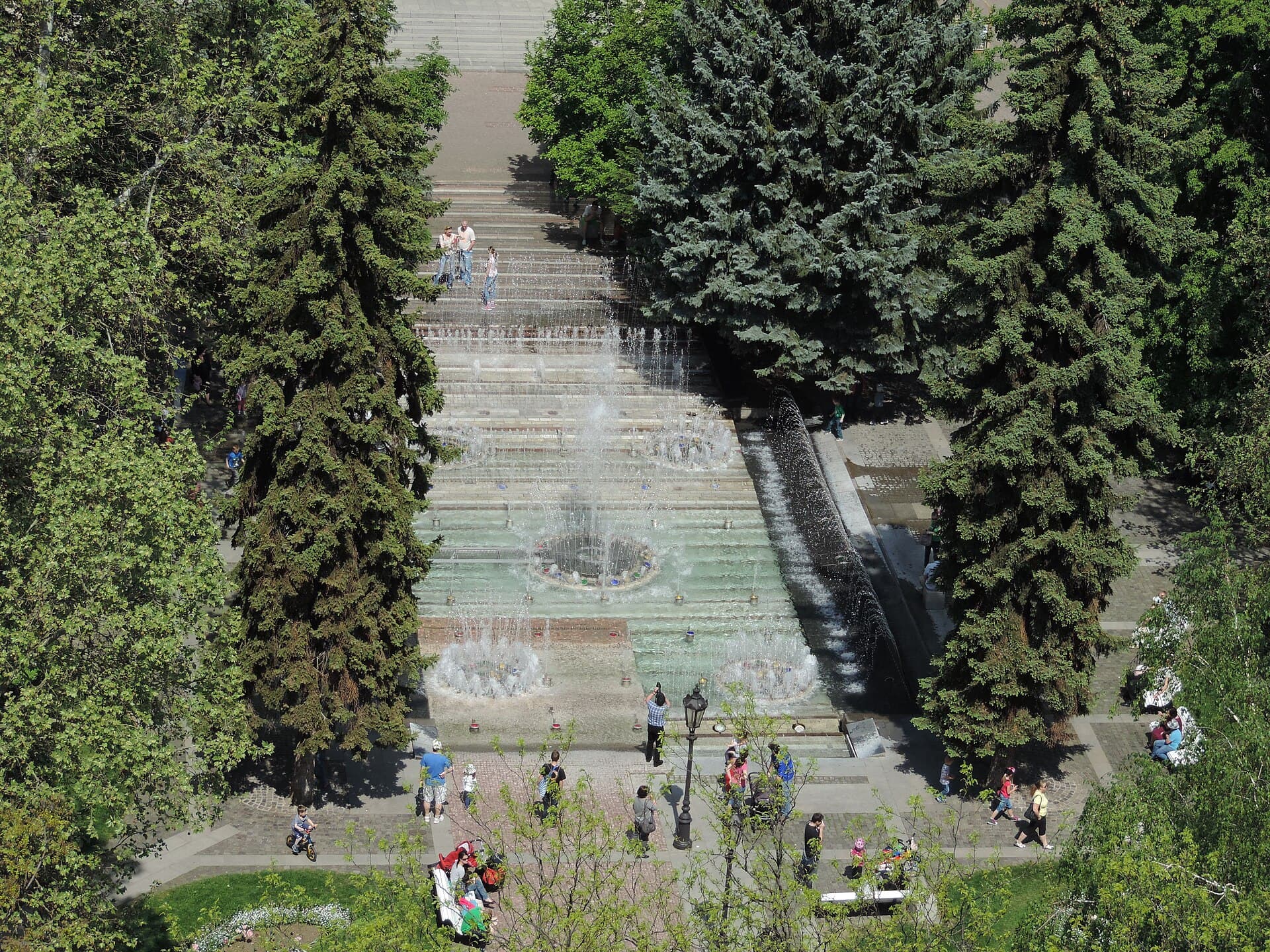 The Singing FountainA fountain in front of the State Theatre whose water moves in time with music, a3 minutes walk4.8
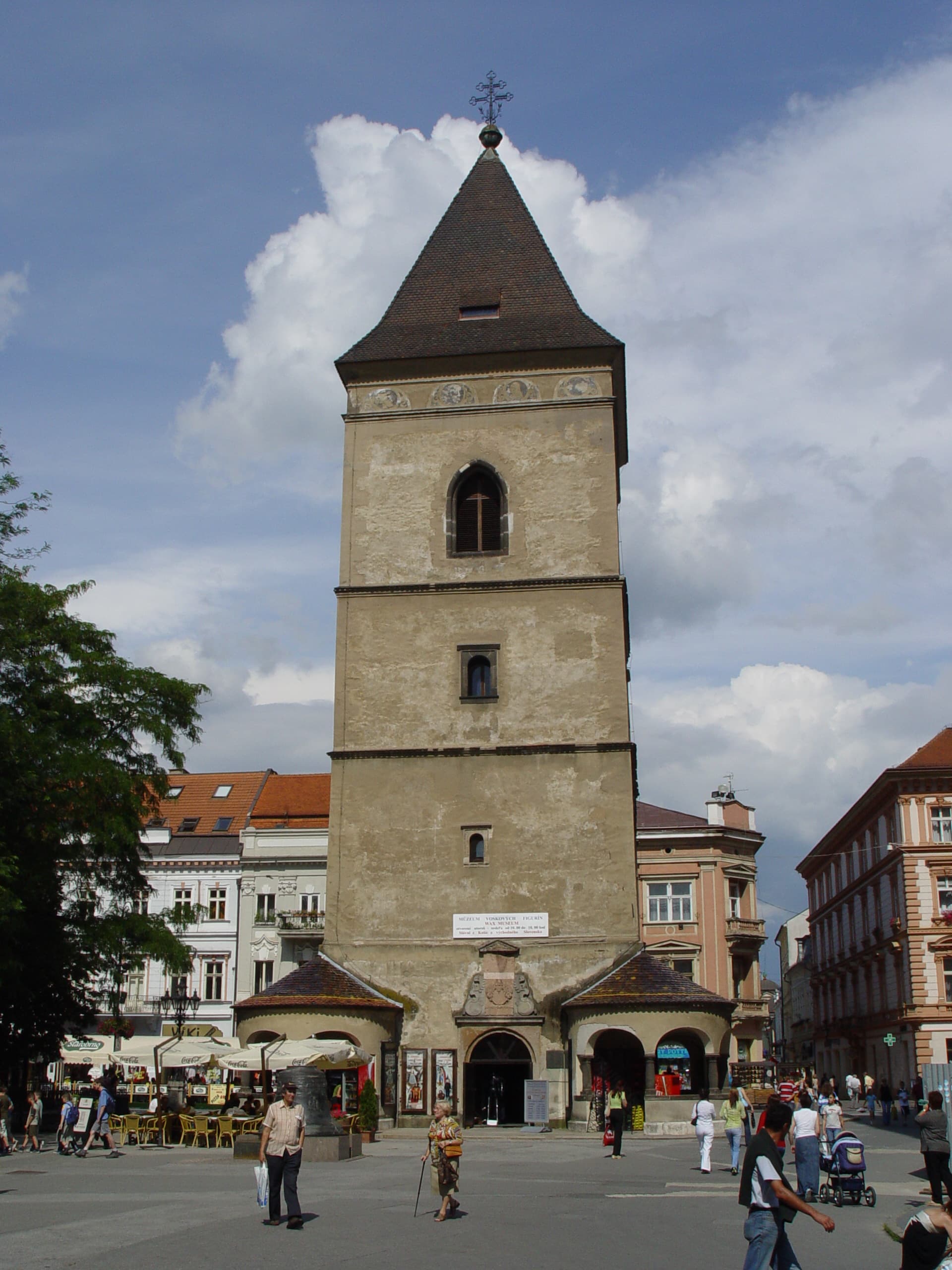 Urban''s TowerA detached bell tower standing directly beside the cathedral, built in the fourt3 minutes walk4.7
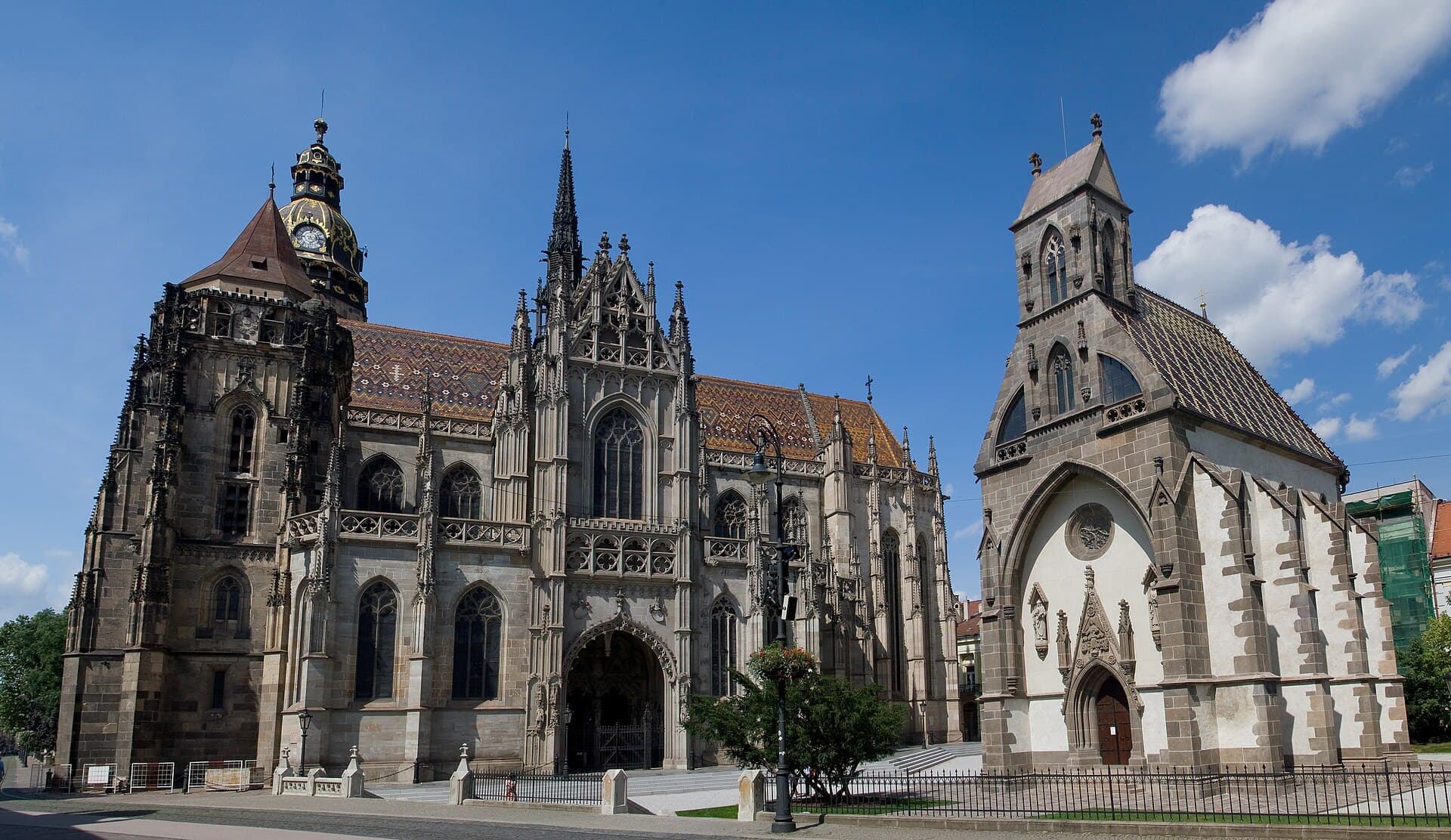 St Elisabeth''s CathedralThe largest church in Slovakia, and **the easternmost Gothic cathedral in Europe4 minutes walk4.8
**Geography and allegiance.** Košice was for centuries a Hungarian city called **Kassa**, one of the most important in the Kingdom of Hungary and its trading centre in the north-east. When Austria-Hungary broke up in 1918 it passed to Czechoslovakia, then **returned to Hungary between 1938 and 1945**, then came back. Its population was a mixture of Hungarians, Slovaks, Germans, Jews and Rusyns, and that is readable in its buildings, its cemeteries and its family names. Add that **the Hungarian and Ukrainian borders are very close**, and that eastern Slovakia holds the country''s largest Roma population. ⚠ Eastern Slovakia therefore feels different from the west in dialect, cooking and architecture — more different than a visitor expects in a country this size.