
The archangel Gabriel
Atop the column holding the Hungarian crown and double cross — a reference to King Stephen's dream in the Hungarian tradition.
Paul Mannix — CC BY 2.0 · Bybbisch94, Christian Gebhardt — CC BY-SA 4.0 · Bybbisch94, Christian Gebhardt — CC BY-SA 4.0 · Bybbisch94, Christian Gebhardt — CC BY-SA 4.0
The Millennium Monument is the sculptural group that fills Heroes' Square: a central column thirty-six metres high topped by the archangel Gabriel, seven bronze horsemen around its base, and behind it two curved colonnades carrying fourteen statues. Work began in 1896 for the millennium of the Magyar settlement of the Carpathian basin and was not finished until 1929 — so its construction took three decades and spanned the collapse of the empire it was built to glorify. At the column's foot stands Árpád, leader of the seven Magyar tribes that crossed the Carpathians in 896, with six other chieftains on horseback. Gabriel above holds the Hungarian crown and the double apostolic cross, referring to the tradition that he appeared to King Stephen in a dream and offered him the crown. The colonnades behind are the part that changed with politics: they held statues of Habsburg monarchs, removed after 1945 and replaced with leaders of Hungarian revolts against Austria — and the bronze reliefs beneath them were recarved to suit the new figures. The monument is open, free and always accessible, and it is the visual heart of Heroes' Square. Read it as a political statement rather than decoration: every figure on it is a choice, and some of those choices were made a second time.
Atop the column holding the Hungarian crown and double cross — a reference to King Stephen's dream in the Hungarian tradition.
Seven bronze horsemen at the column's base for the tribes that crossed the Carpathians in 896.
Five Habsburg monarchs removed after 1945 and replaced by leaders of revolts against Austria — history recarved.
Beneath each statue a panel showing a scene from that figure's life — a detail everyone walks past that repays a few minutes.
Centre of Heroes' Square, Pest 1146
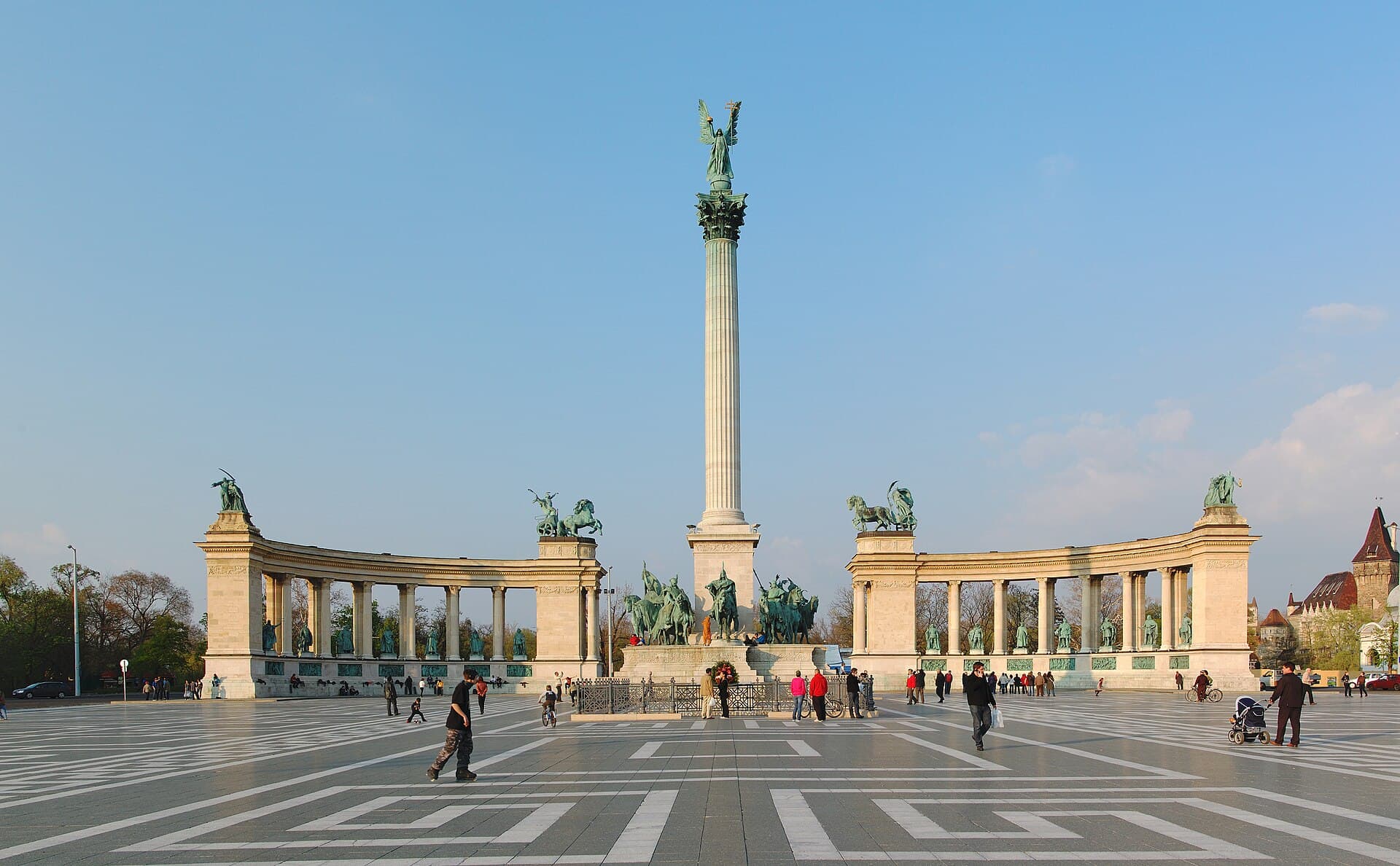 Heroes' SquareHeroes' Square is the largest and most formal square in Budapest, standing where1 minute walk4.8
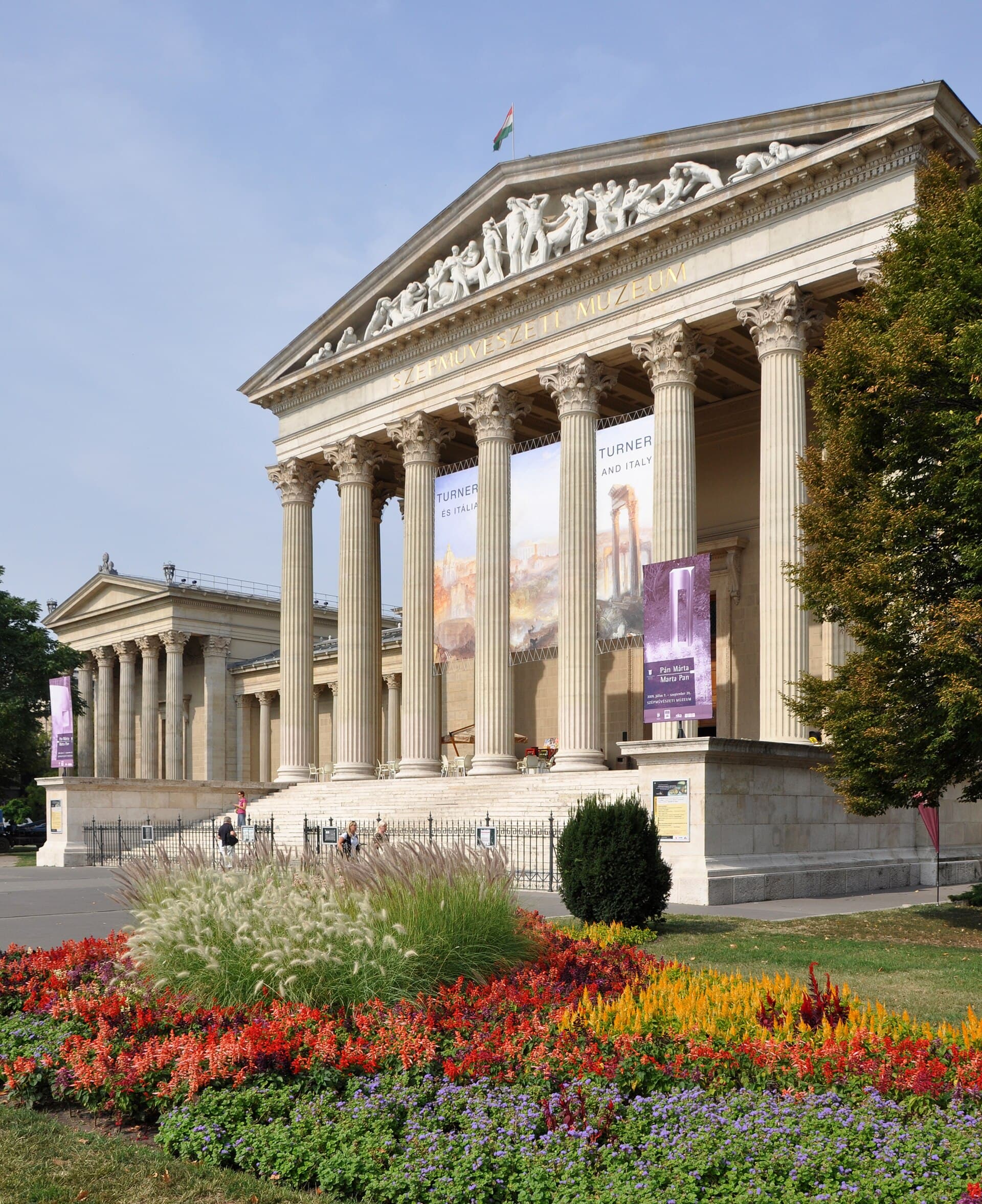 Museum of Fine Arts, BudapestThe Museum of Fine Arts is Hungary's most important museum of foreign art, stand2 minutes walk4.8
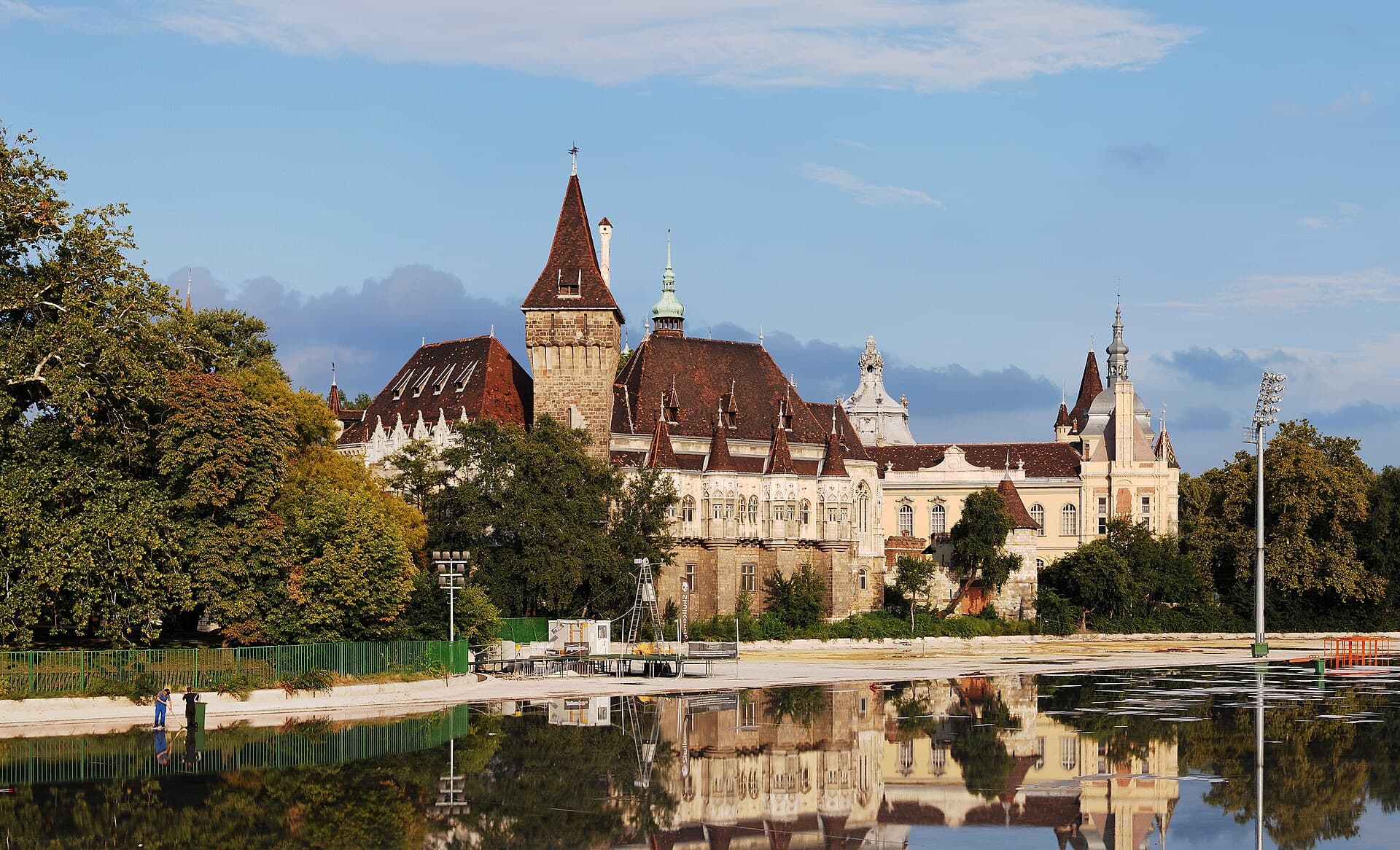 Vajdahunyad CastleVajdahunyad Castle is not a historic castle but a lesson in architectural histor4 minutes walk4.8
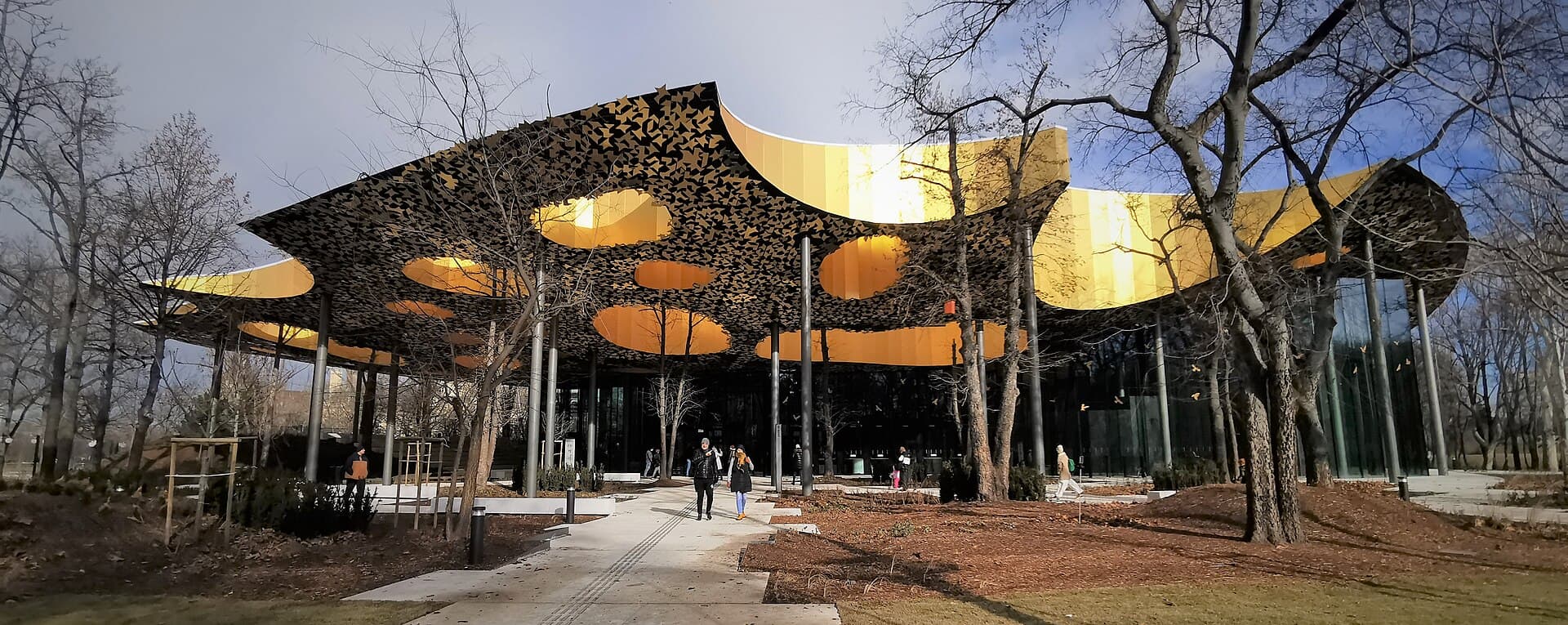 House of Music HungaryThe House of Music Hungary is the boldest contemporary building in Budapest and 5 minutes walk4.9
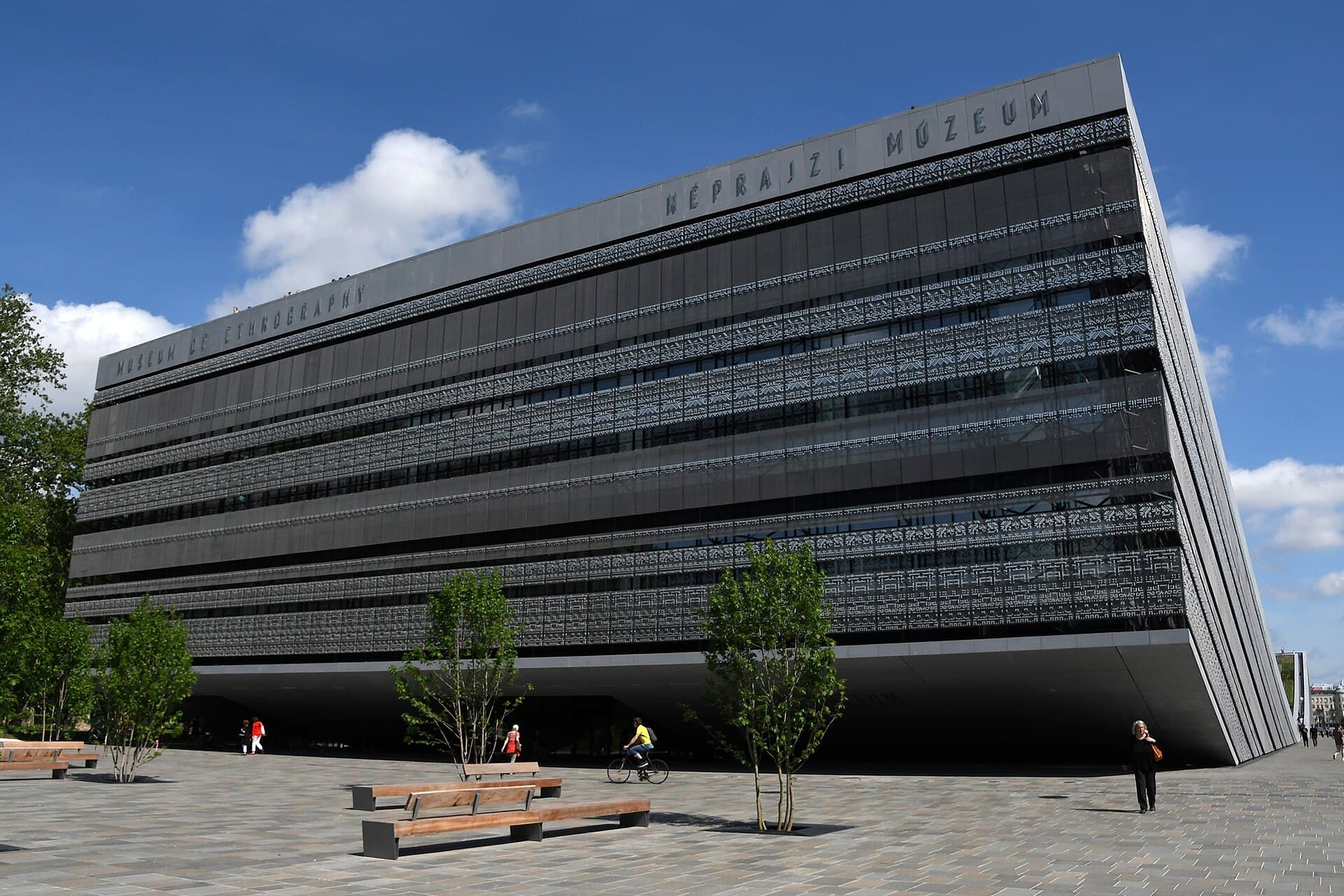 Museum of EthnographyThe Museum of Ethnography moved in 2022 from its old building facing the Parliam6 minutes walk4.5
Heroes' Square is the whole square including the two museums flanking it; the Millennium Monument is the sculptural group at its centre — column, horsemen and colonnades. In practice you see both in one stop.
It began in 1896 for the millennium and was not finished until 1929. It was interrupted by the First World War, the collapse of Austria-Hungary and the upheaval that followed — and parts were then redesigned to suit the new independent Hungary rather than the empire it was started for.
The leader who brought the seven Magyar tribes across the Carpathians to settle the basin in 896 — the founding date in the Hungarian national story, and the reason the number 96 recurs in the heights of Budapest's buildings.
Twenty minutes if you read the statues and reliefs, ten if you simply look. Make it the start of a Városliget day — from here you walk into the park towards the castle and the baths.