Guns towards the water
A low work to stop boats approaching, not merely to watch them.
Frank Vincentz — CC BY-SA 3.0 · Frank Vincentz — CC BY-SA 3.0 · Frank Vincentz — CC BY-SA 3.0 · Frank Vincentz — CC BY-SA 3.0
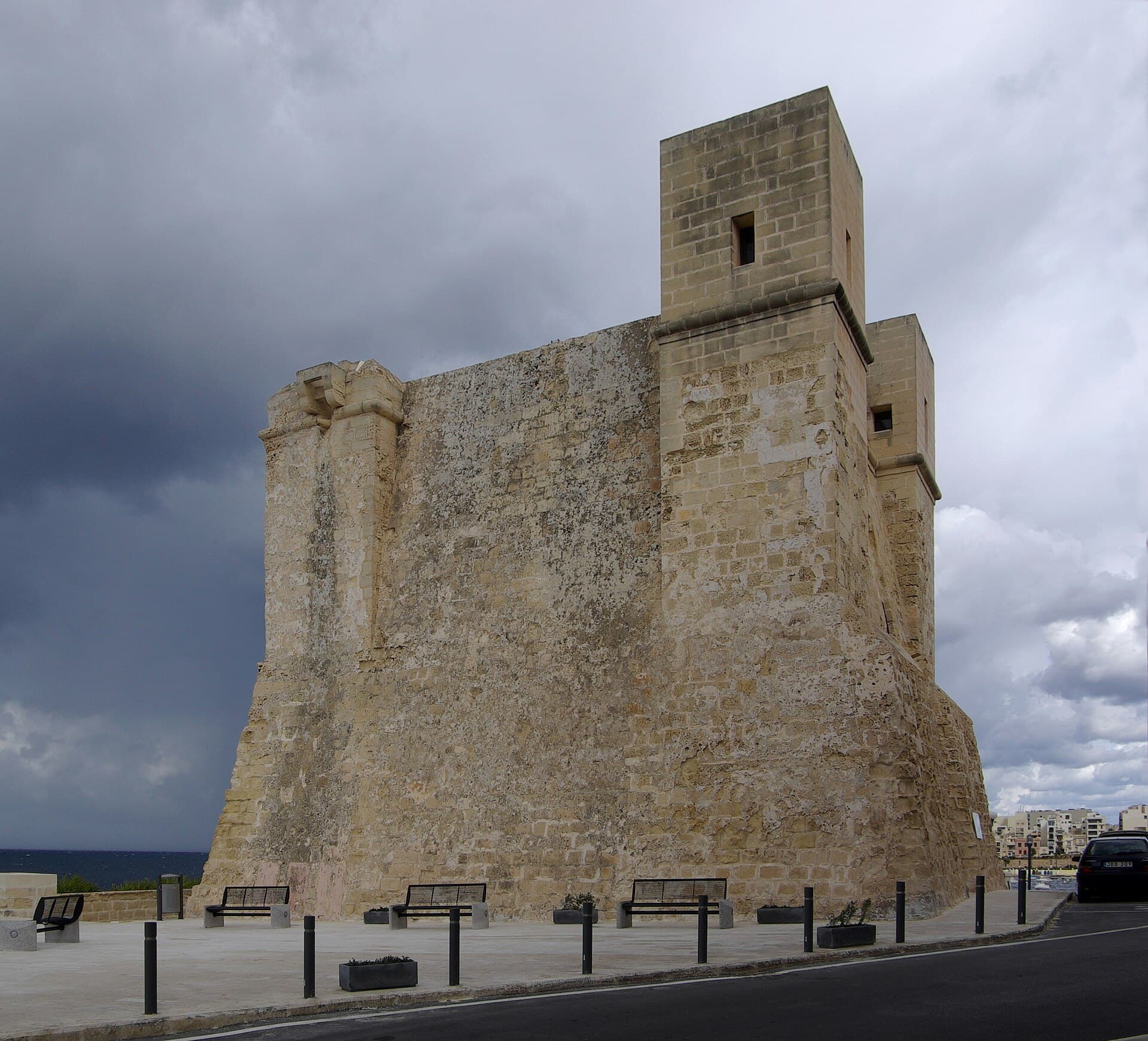
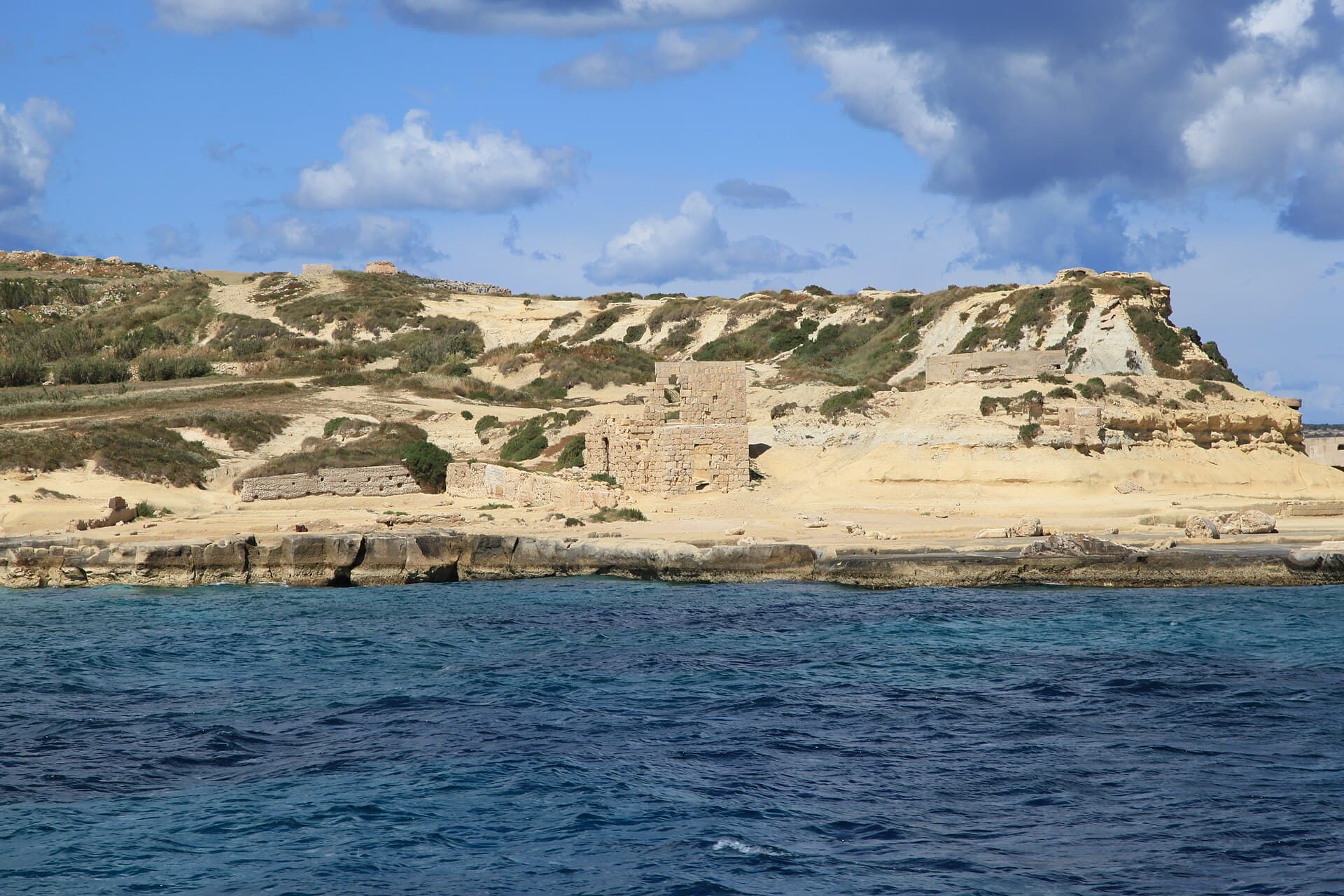
A coastal battery of the early eighteenth century on Mistra Bay in northern Malta, built to cover a small bay that the towers alone could not protect. Batteries are a later stage in the Knights' defensive thinking. The towers watched and warned, but they could not stop an actual landing. A battery is a low semicircular work carrying guns pointed at the water, whose task was to stop boats approaching the shore at all. The move from tower to battery is a move from warning to prevention. Mistra is one of a series built in the 1710s to cover the small bays where a landing was possible — the points at which the coast was exposed. The structure today is plain: a low curved wall, a platform and two rooms. There are no facilities and no interpretation on site. Practical points: open and free, reachable from the road. The visit is short; twenty minutes is enough. Combine it with the nearby Wignacourt Tower and St Paul's Bay.
A low work to stop boats approaching, not merely to watch them.
The series covered precisely the points where a landing was possible.
Twenty minutes, combined with Wignacourt Tower and the neighbouring bay.
Mistra Bay, northern Malta
A tower is a high lookout for sending the alarm, with a very small garrison. A battery is a low work at sea level carrying guns to prevent approach, with no capacity to hold out. A fort is a large fortified work able to withstand a siege, like St Elmo and St Angelo. All three were layers of a single system.
No. But the whole northern area — Wignacourt Tower, St Paul's Bay, Majjistral Park and Għajn Ħadid — makes a good half or full day. Mistra Battery is a short stop on that route.