
Five centuries of charity
The brotherhood was founded in the sixteenth century and still works — its archive documents it.
69joehawkins — CC BY-SA 4.0 · thirdsphoto — CC BY 2.0 · Joseolgon — CC BY-SA 4.0 · 69joehawkins — CC BY-SA 4.0
A museum and church on Rua das Flores in central Porto, showing the holdings of the Santa Casa da Misericórdia brotherhood — a charitable institution founded in the sixteenth century and still operating today, among the oldest continuous institutions in the city. The piece the whole museum is built around is the Fons Vitae panel from the early sixteenth century, showing King Manuel I and his family before the crucified Christ. It is among the most important paintings in Portugal, and its origin has been long debated by historians because its painter is not established. Around it sits a collection of religious art, silverwork and manuscripts, and an archive documenting five centuries of charitable work in the city: hospitals, orphanages, and care for prisoners and migrants. The building includes the church itself, whose facade is by the architect Nicolau Nasoni, who designed the Clérigos Tower. The location is on the pedestrian Rua das Flores, a short walk from São Bento station and the cathedral.
The brotherhood was founded in the sixteenth century and still works — its archive documents it.
The church is by the same architect who designed the Clérigos Tower.
Manuel I and his family appear in the Fons Vitae, a panel debated for centuries.
Rua das Flores, central Porto
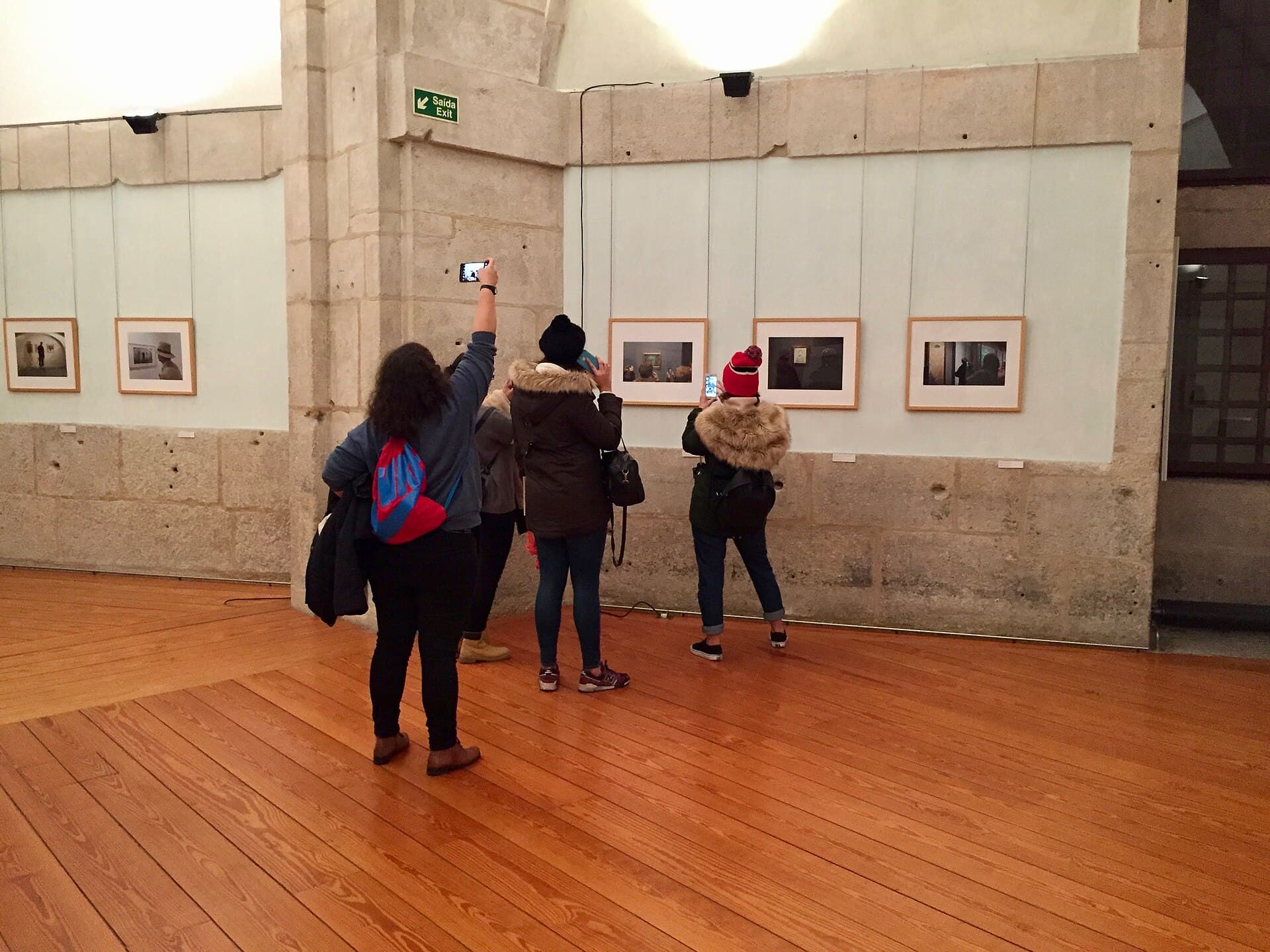 Portuguese Centre of PhotographyA photography centre in a building that was a prison until 1974: the Cadeia da R2 minutes walk4.5
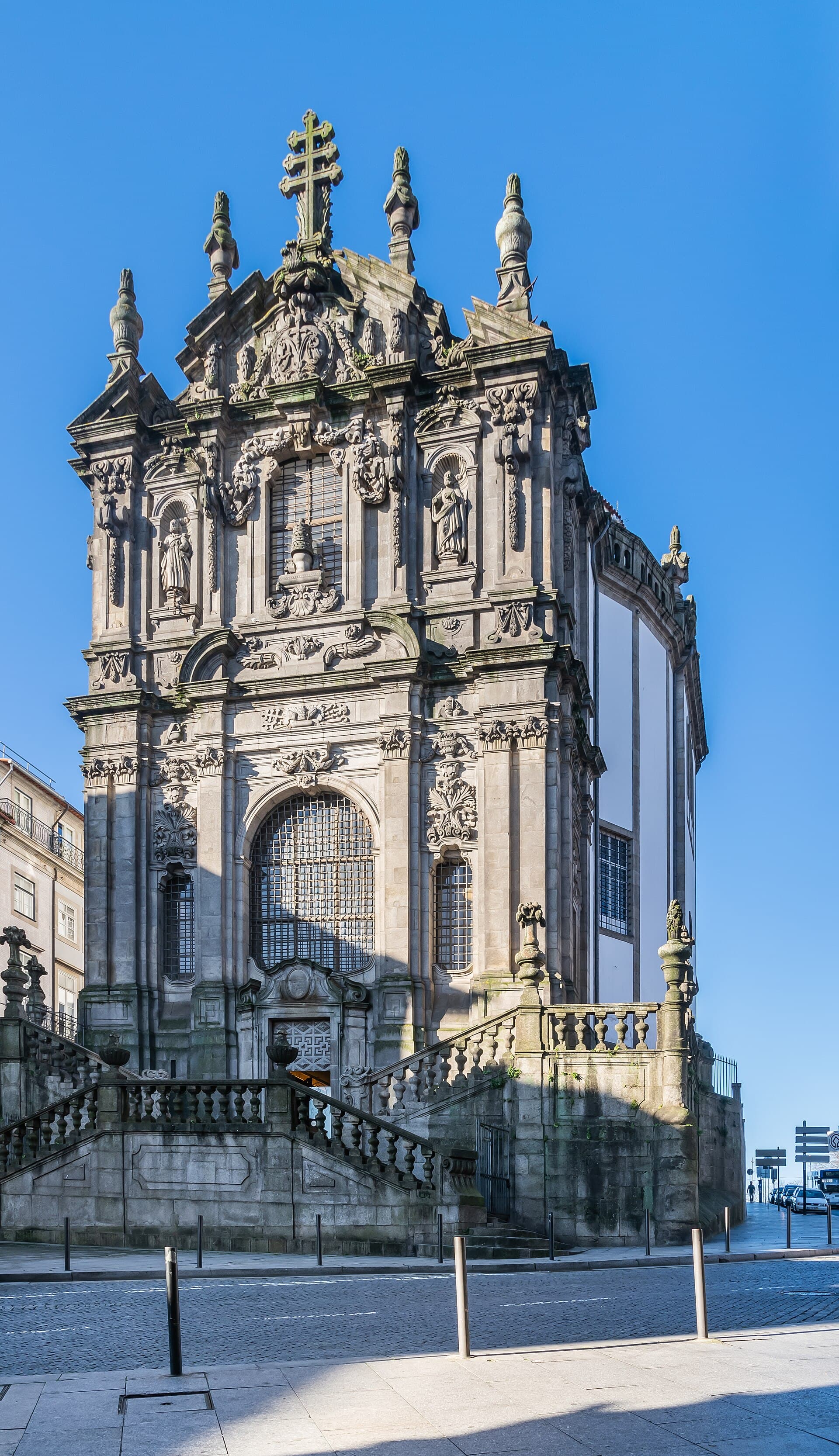 The Clérigos Tower & ChurchClérigos is Porto's sky needle: a 75-metre bell tower that stood two centuries a3 minutes walk4.5
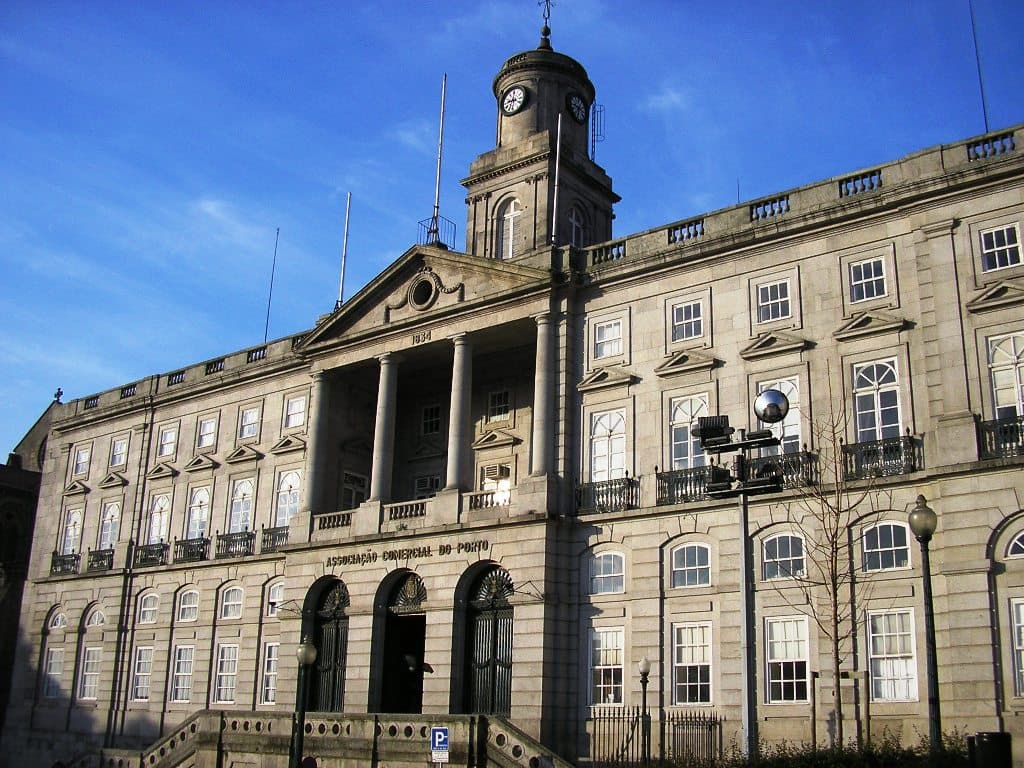 The Bolsa Palace & Arab HallThe Bolsa Palace is Porto's merchant answer to royal palaces: built by the trade3 minutes walk4.4
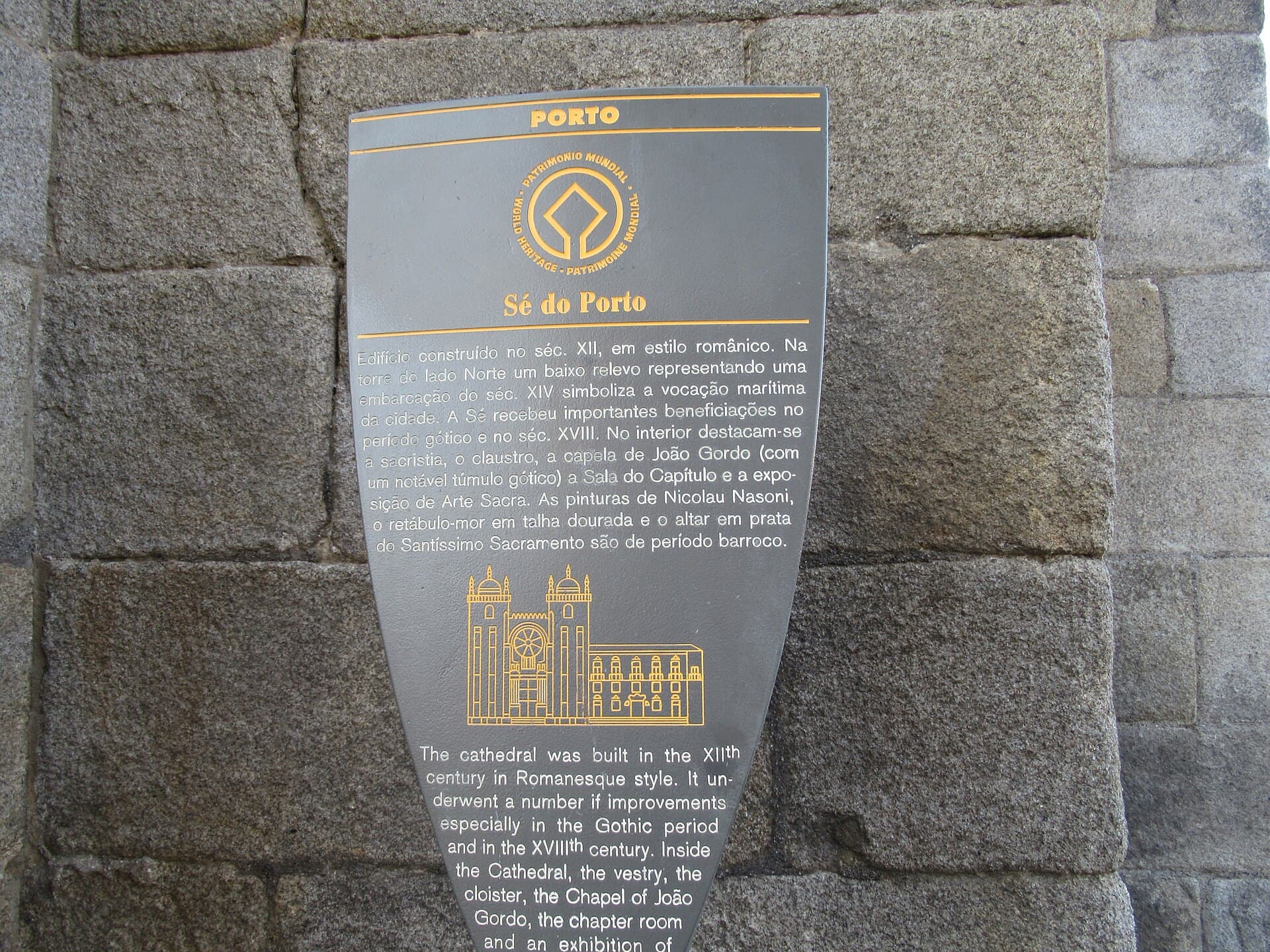 Porto Cathedral (the Sé)The Sé is Porto's mother rock: a Romanesque cathedral-fortress (12th century) wi4 minutes walk4.5
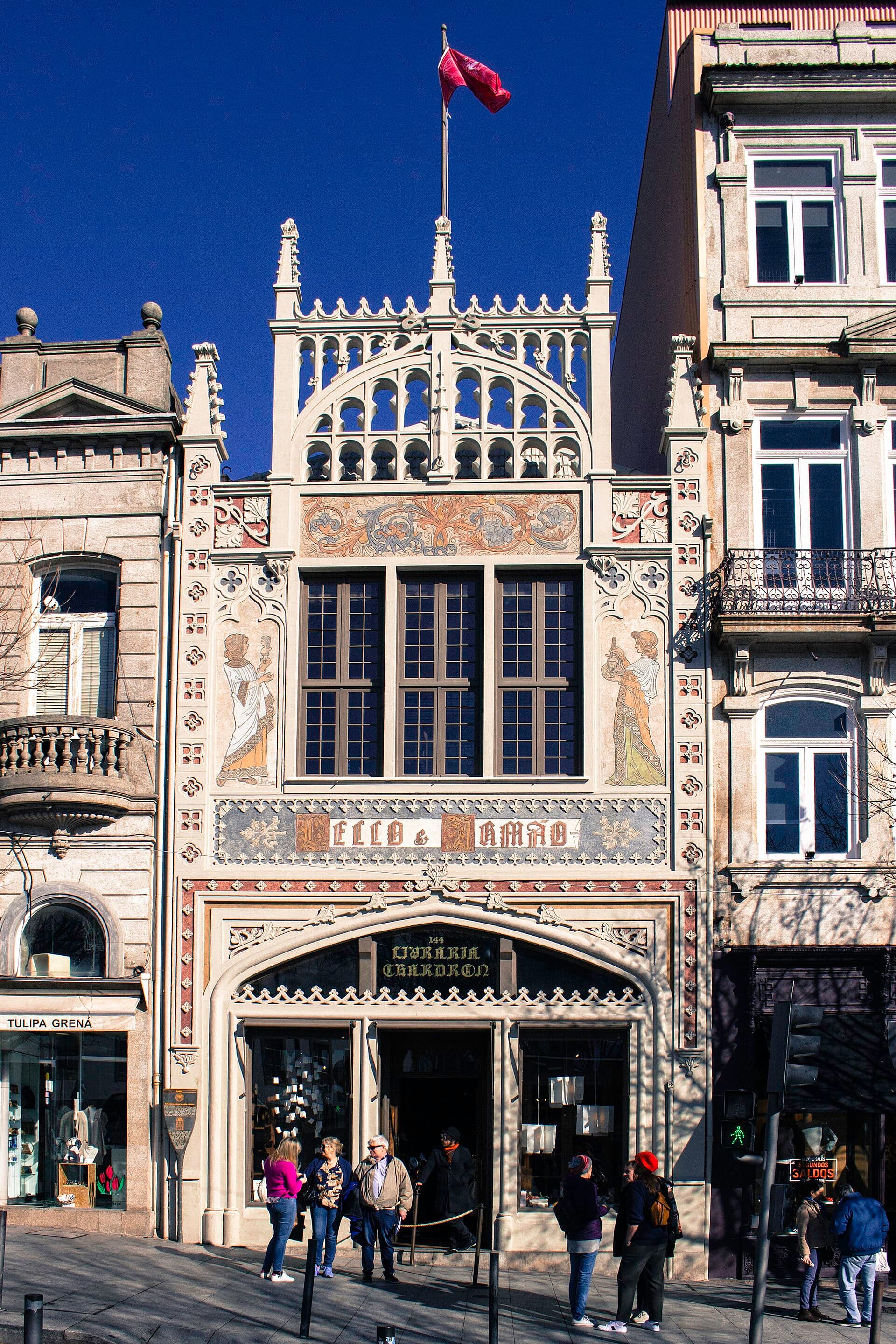 Livraria LelloLello is, without much argument, the world's most famous bookshop: the 1906 neo-4 minutes walk3.8
It is among the most important paintings in Portugal because it shows King Manuel I and his family in a religious work of the early sixteenth century, at the height of Portuguese maritime expansion. Its painter is not established and has been attributed to several names over the years, and that debate is part of its fame.
Rua das Flores itself is worth walking, and São Bento station with its azulejos and Porto cathedral are a short distance away. Those three with this museum make one morning in the centre with no transport.