
The blue cloister
Gothic sheathed whole in azulejo.
Chris Amies from Birmingham, England — CC BY 2.0 · @Miguel A. García.🎈 from Ólvega., España — CC BY 2.0 · @Miguel A. García.🎈 from Ólvega., España — CC BY 2.0 · Luis_Alberto_Ribeiro_Oliveira — CC BY-SA 4.0
The Sé is Porto's mother rock: a Romanesque cathedral-fortress (12th century) with genuine battlements on the centre's highest hill — here Henry the Navigator (city-born) was baptised, and João I wed England's Philippa (1387): the marriage that begot Henry and the whole Age of Discoveries. The interior is dim, solemn Romanesque — its surprise the Gothic cloister sheathed entire in blue azulejo (Nasoni and his school): the blue-shadowed court among the country's finest, its stair reaching an upper gallery over the rooftops. Its square, the Terreiro da Sé, is the centre's great free balcony: tiles falling to the Clérigos tower and the river — the spiral pillory column a memory of old justice. And from it the medieval Barredo lanes drop straight to Ribeira: five centuries walked in five minutes.
Gothic sheathed whole in azulejo.
A genuinely crenellated cathedral on the hill.
Terreiro da Sé, 4050-573 Porto
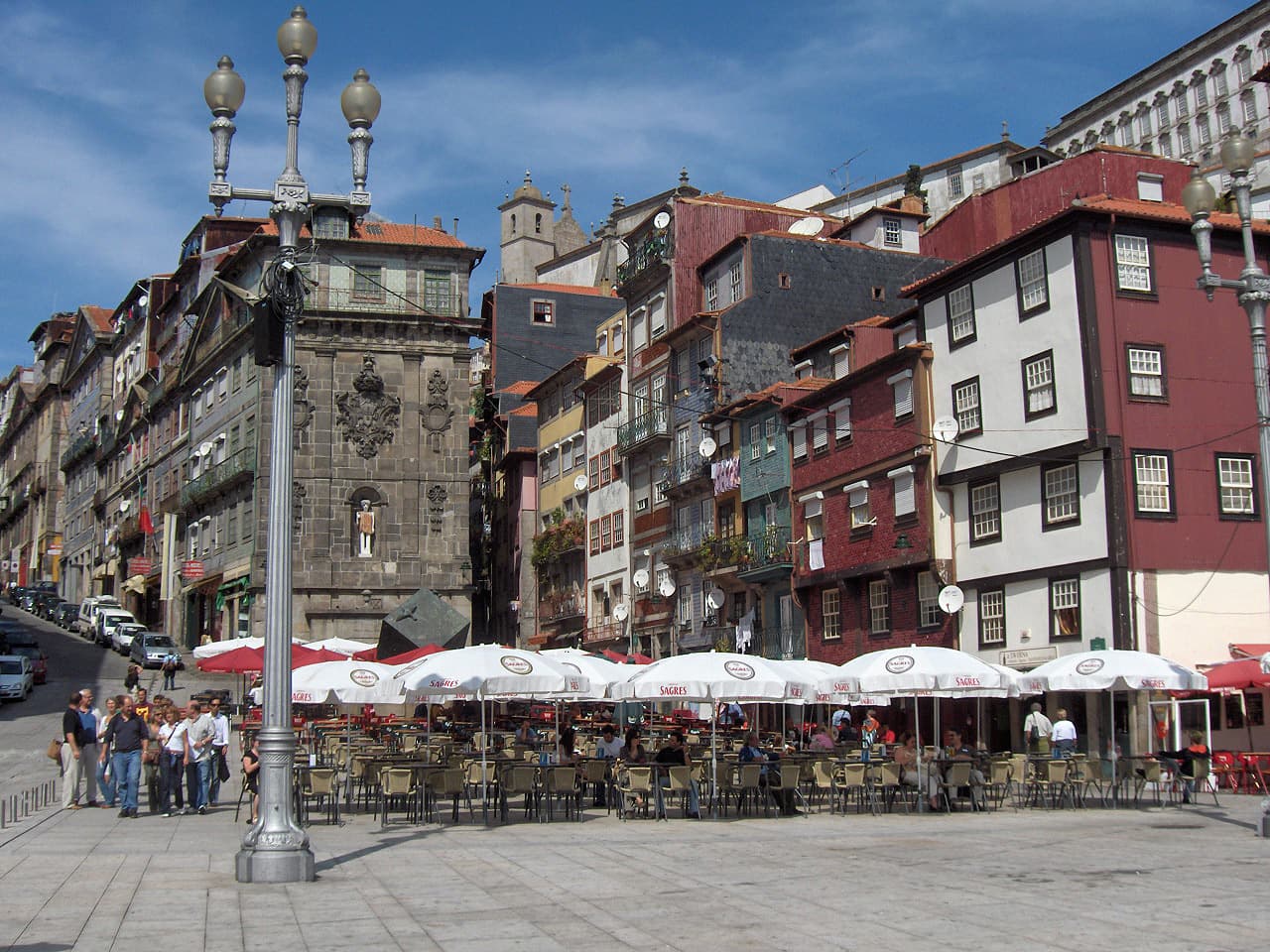 The Ribeira on the DouroRibeira is Porto's deathless postcard: narrow-shouldered coloured houses stacked4 minutes walk4.7
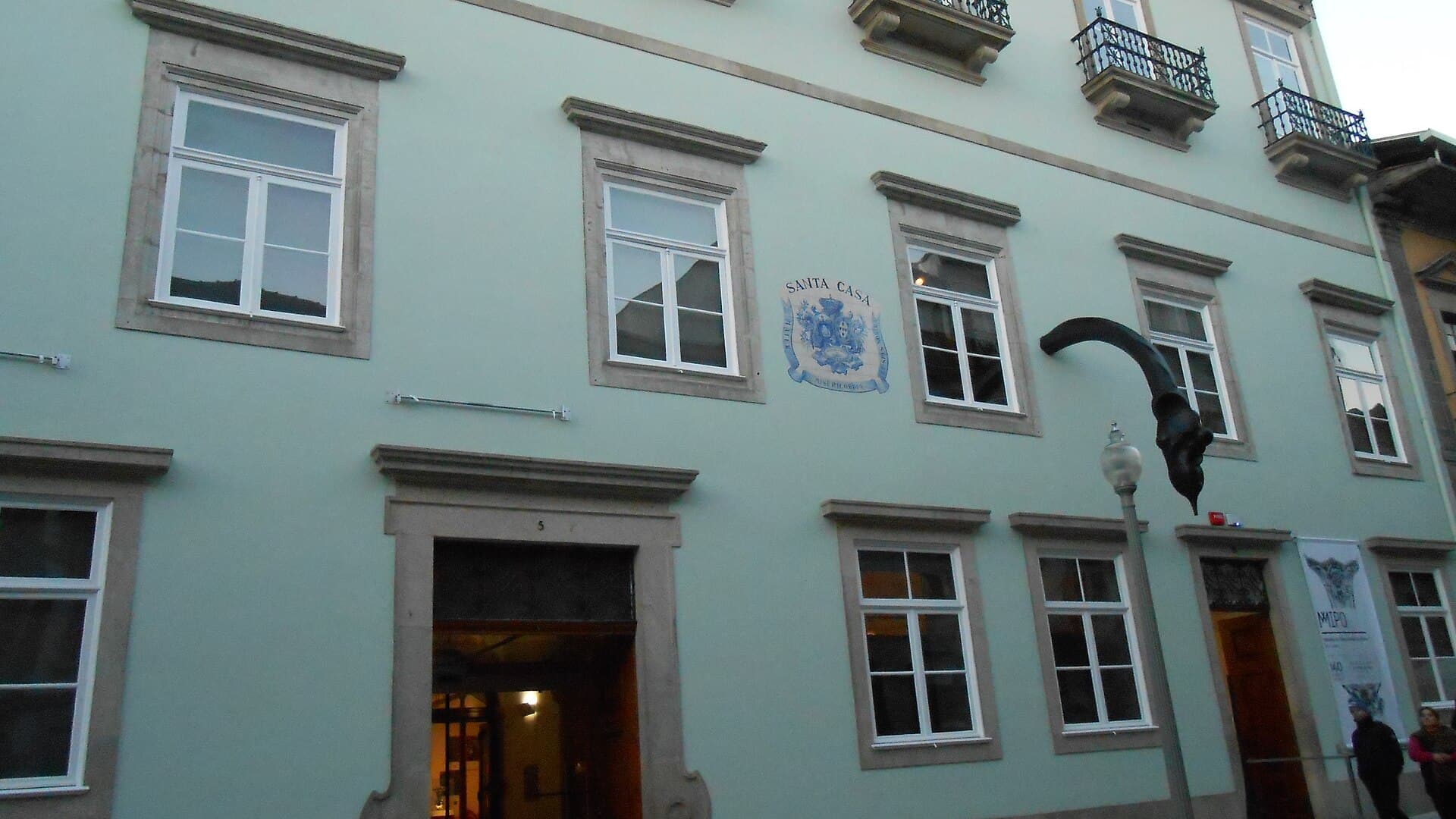 Misericórdia Museum of PortoA museum and church on Rua das Flores in central Porto, showing the holdings of 4 minutes walk4.1
 São Bento StationSão Bento is the world's most beautiful rail hall by standing nomination: a 19164 minutes walk4.8
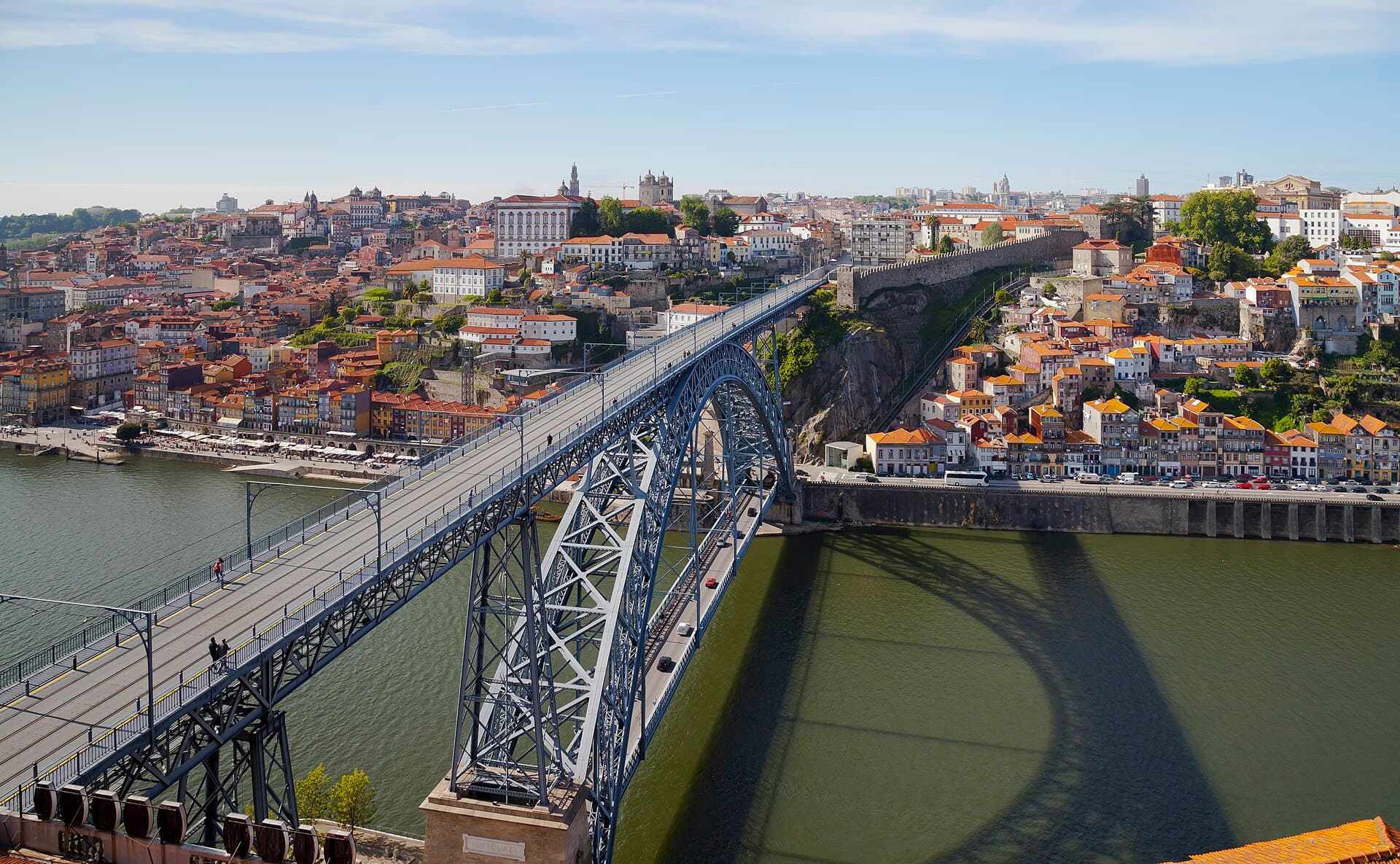 The Dom Luís I BridgeThe Luís I is Porto's famous iron arch: 172 metres, the world's longest metal ar5 minutes walk4.9
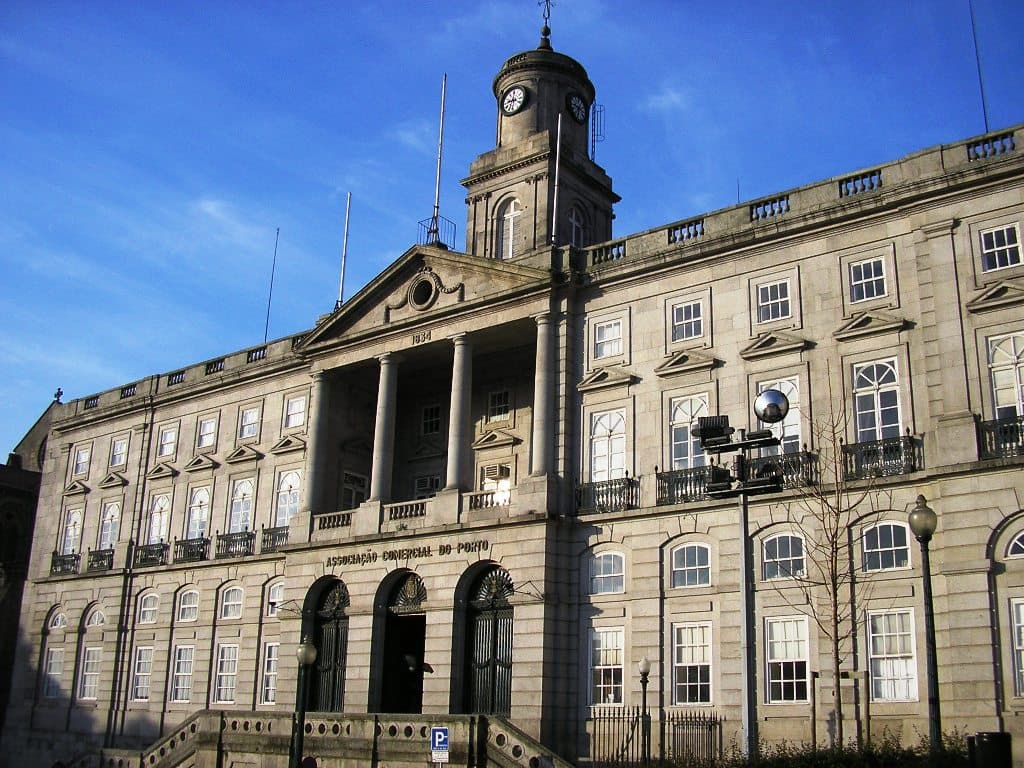 The Bolsa Palace & Arab HallThe Bolsa Palace is Porto's merchant answer to royal palaces: built by the trade5 minutes walk4.4
The 1387 wedding sealed the Anglo-Portuguese Alliance — the world's oldest still standing (textually since 1373): the two fought together from the Middle Ages through Napoleon to both World Wars, and port wine is itself its fruit (English merchants built the lodges when France's wars cut off their claret). In Porto the two histories — wedding and wine — face each other across the river.