
Repeated surnames
Brothers and cousins from one family on the same panel.
MOSSOT — CC BY-SA 3.0 · Alexander Migl — CC BY-SA 4.0 · Mister No — CC BY 3.0 · Benoît Prieur — CC0
A memorial to the men of Cannes killed in the First World War, near the old port, and one of tens of thousands of similar monuments across France. That ubiquity is what rewards attention: after 1918 almost every French town and village raised a monument carrying the names of its dead. France lost around one million four hundred thousand men, a figure that touched nearly every family, and these memorials became part of every public square in the country. Reading the names reveals the scale: a small town may carry a hundred names or more, many of them repeated surnames — brothers and cousins from one family. That detail explains the social effect of the war better than any total. A plain practical point: a monument in a public space, free and always open, and the visit is minutes. You pass it walking the harbour. Stop and read the names — that is what gives it meaning.
Brothers and cousins from one family on the same panel.
Tens of thousands of similar monuments — the war touched every family.
Two minutes at the panel gives what no total figure can.
Near the old port, Cannes
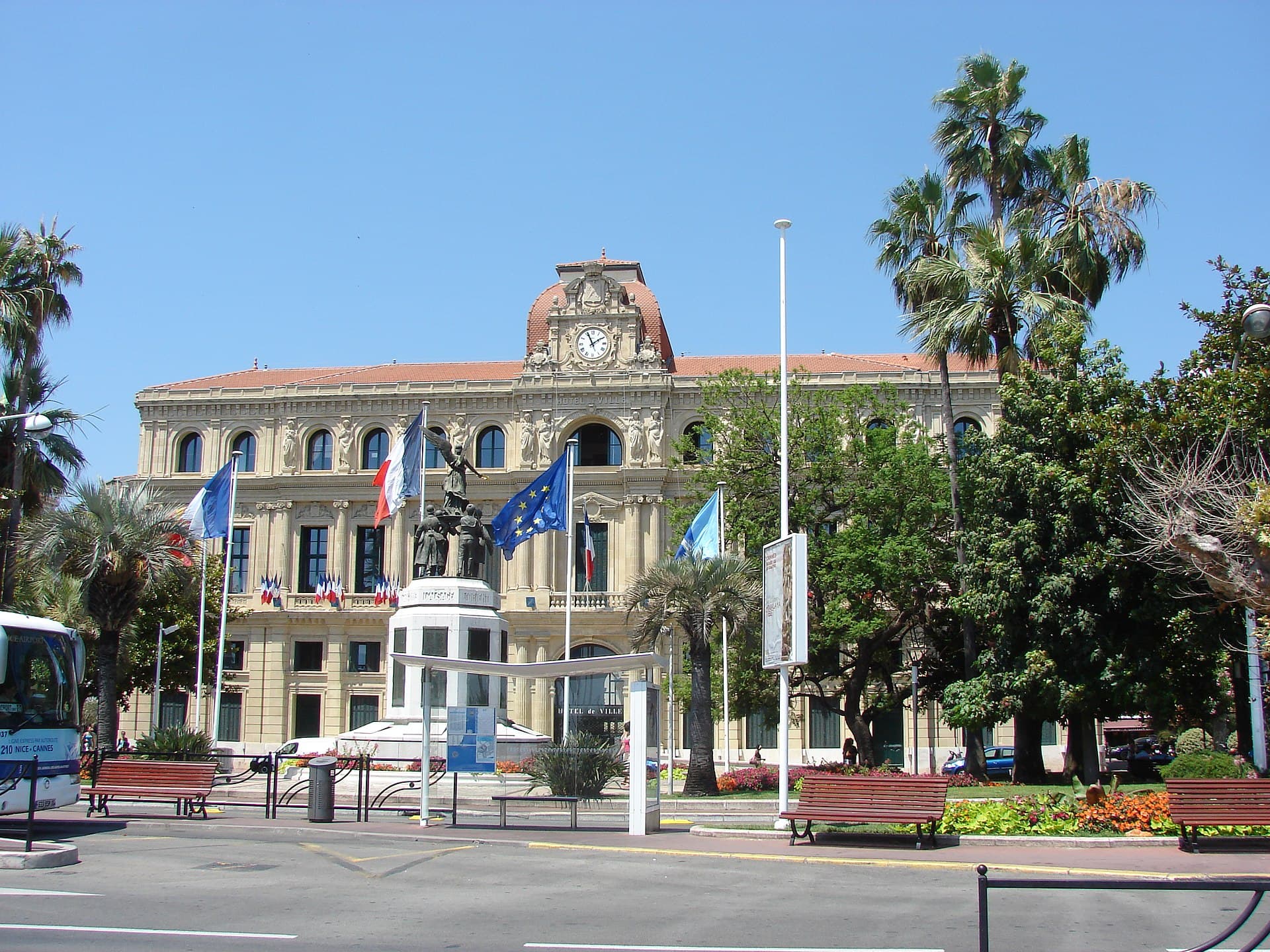 Cannes City HallCannes's city hall on the old port frontage, dating from the end of the nineteen1 minute walk3.5
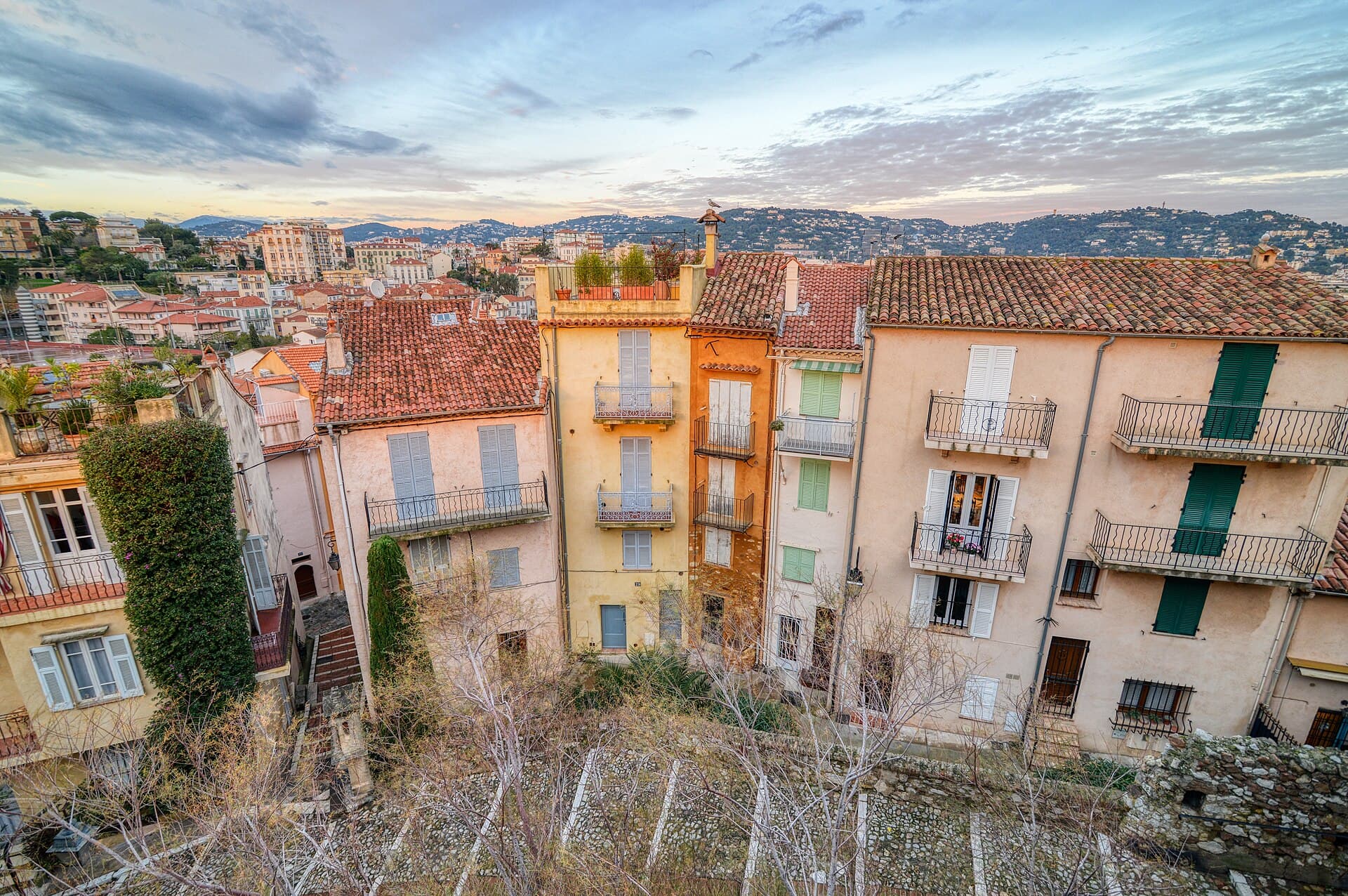 Le Suquet Old QuarterLe Suquet is the hill Cannes was born on: the only old quarter left from the tow1 minute walk4.9
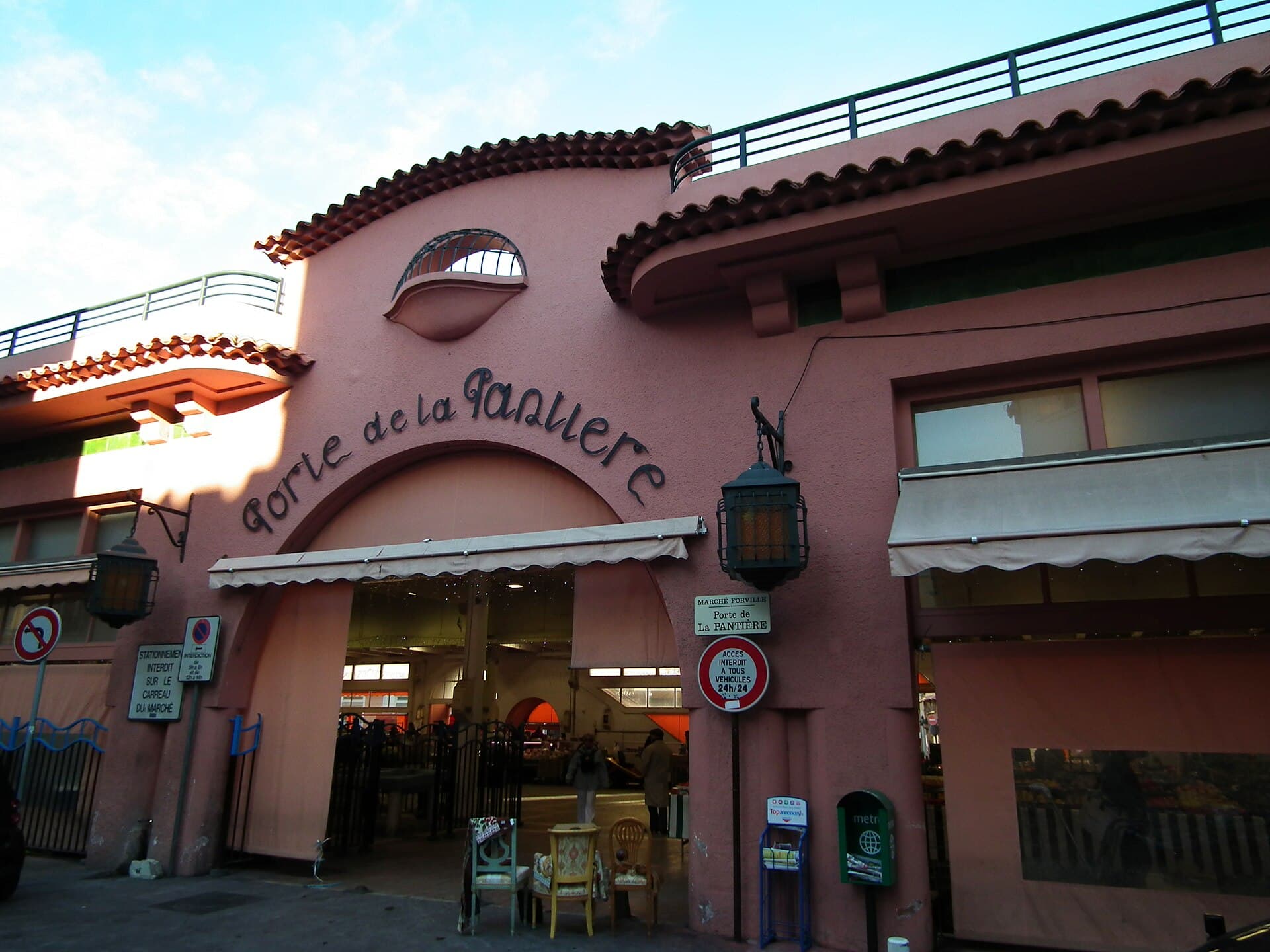 Marché ForvilleThe Marché Forville is Cannes's real kitchen and its most honest place: a covere2 minutes walk4.5
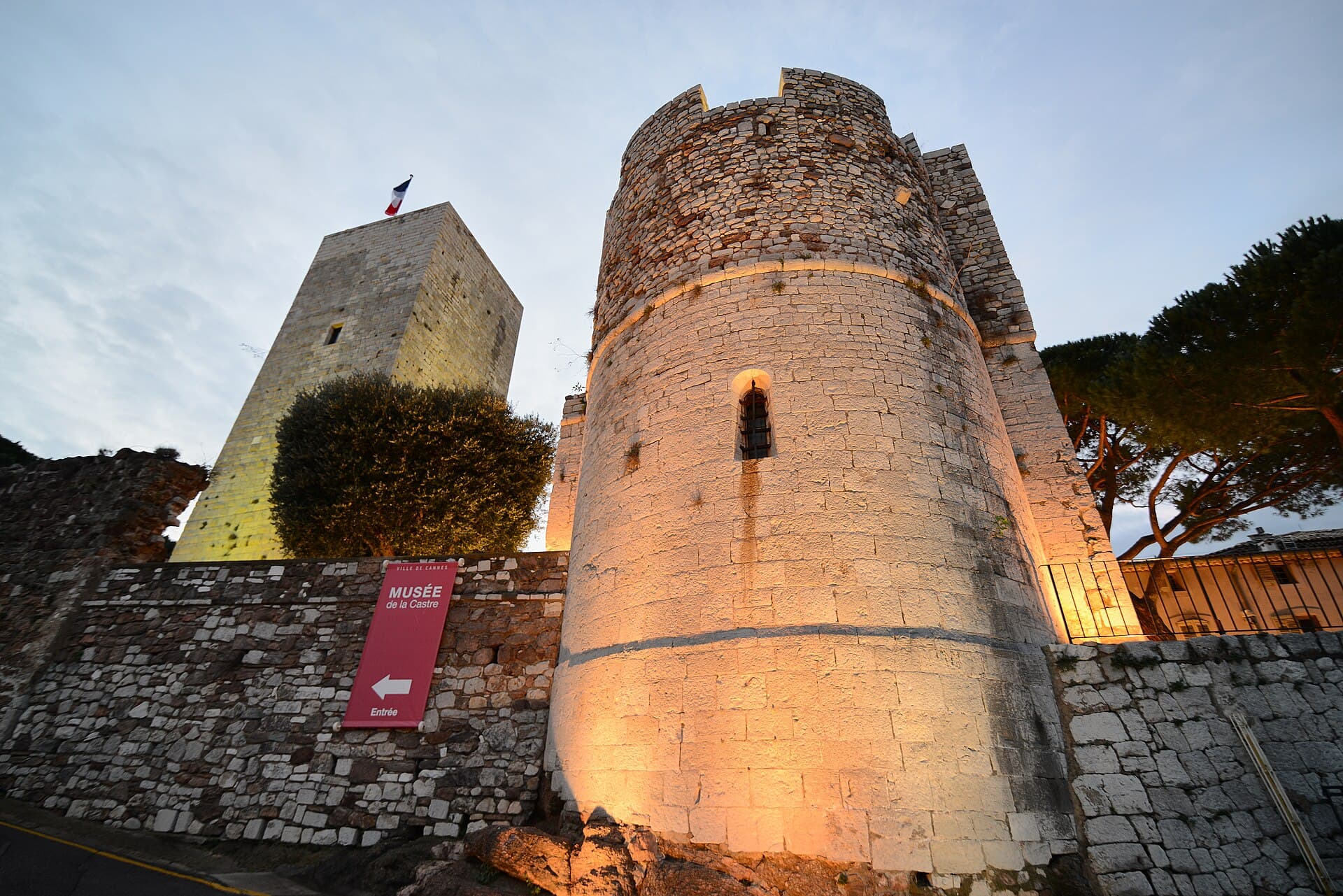 Musée des Explorations du MondeAbove the old Suquet quarter — the original Cannes before the stars — stands the3 minutes walk4.3
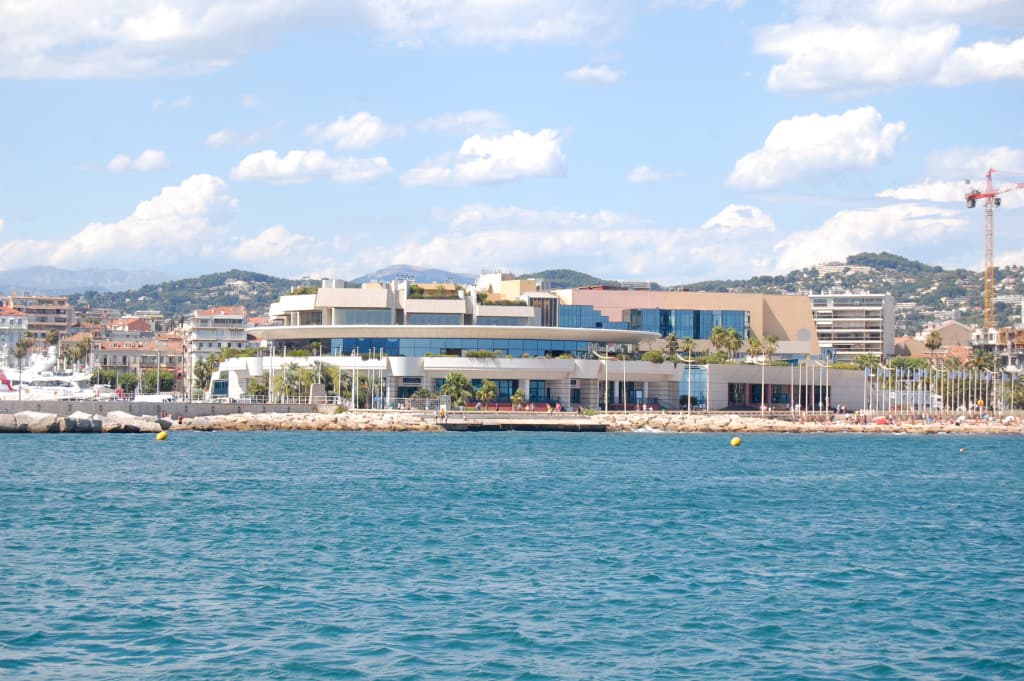 Palais des Festivals & the Red Carpet StepsThe Palais des Festivals is what makes Cannes 'Cannes': here the world's most fa5 minutes walk4.5
Because the loss was universal. Of some eight million men France mobilised, around 1.4 million were killed and millions wounded. A law of 1919 gave communes financial support to raise memorials, and more than thirty thousand towns did. That is why you see one in every village you pass.
Usually yes. Many French memorials had panels added later for the dead of the Second World War and the Indochina and Algerian wars. Look at the sides and base — the difference between the number of names for 1914–18 and for everything after is striking every time.