
One man in twenty
1.4 million dead from a population of around forty million.
Guilhem Vellut from Annecy, France — CC BY 2.0 · JoJan — CC BY 3.0 · AntonyB — CC BY 3.0
A memorial in the centre of Chamonix to the men of the town killed in the two world wars and in later conflicts. What deserves attention here is not the monument itself but what it represents. France has one of these in almost every town — some thirty-six thousand communes, and most of them have their memorial. The majority were built in the 1920s after the First World War, funded locally and often by public subscription among the residents. The reason for that ubiquity is the scale of the loss. France lost around one million four hundred thousand dead in that war out of a population near forty million — roughly one man in twenty. Whole villages lost most of their young men in a single day, because units were recruited locally: the sons of a town served together and were killed together. Read the names if you pass it. You will notice the same family name repeated three or four times — brothers and cousins from one household. That is the detail that makes the number comprehensible. Practical points: always open and free, a visit of minutes on a walk through the town centre.
1.4 million dead from a population of around forty million.
A town's sons served in one unit, so they died together.
The same surname three times over is what makes the number legible.
Central Chamonix
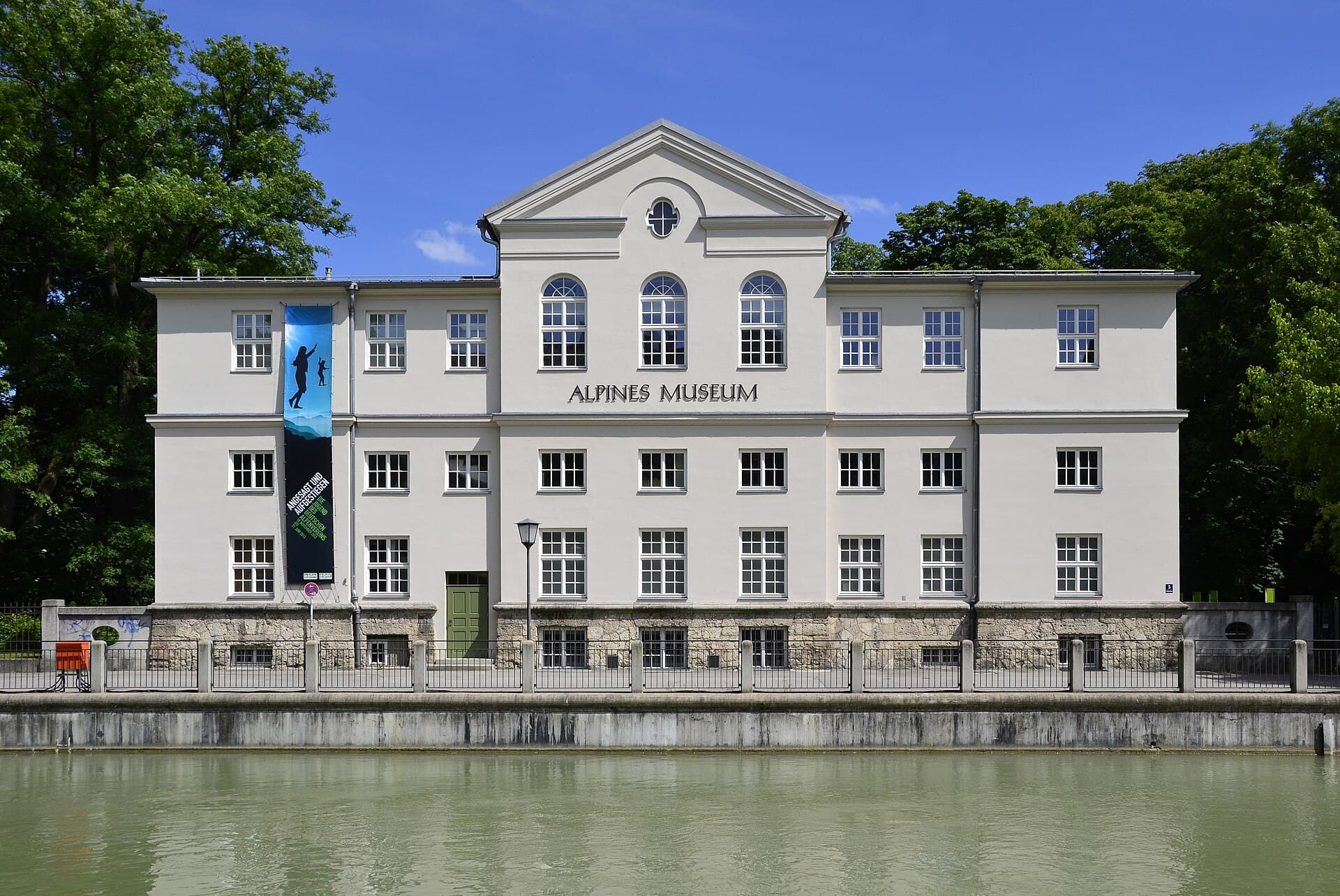 Alpine MuseumThe Alpine Museum tells the story of the valley from a cluster of poor farming h1 minute walk4.1
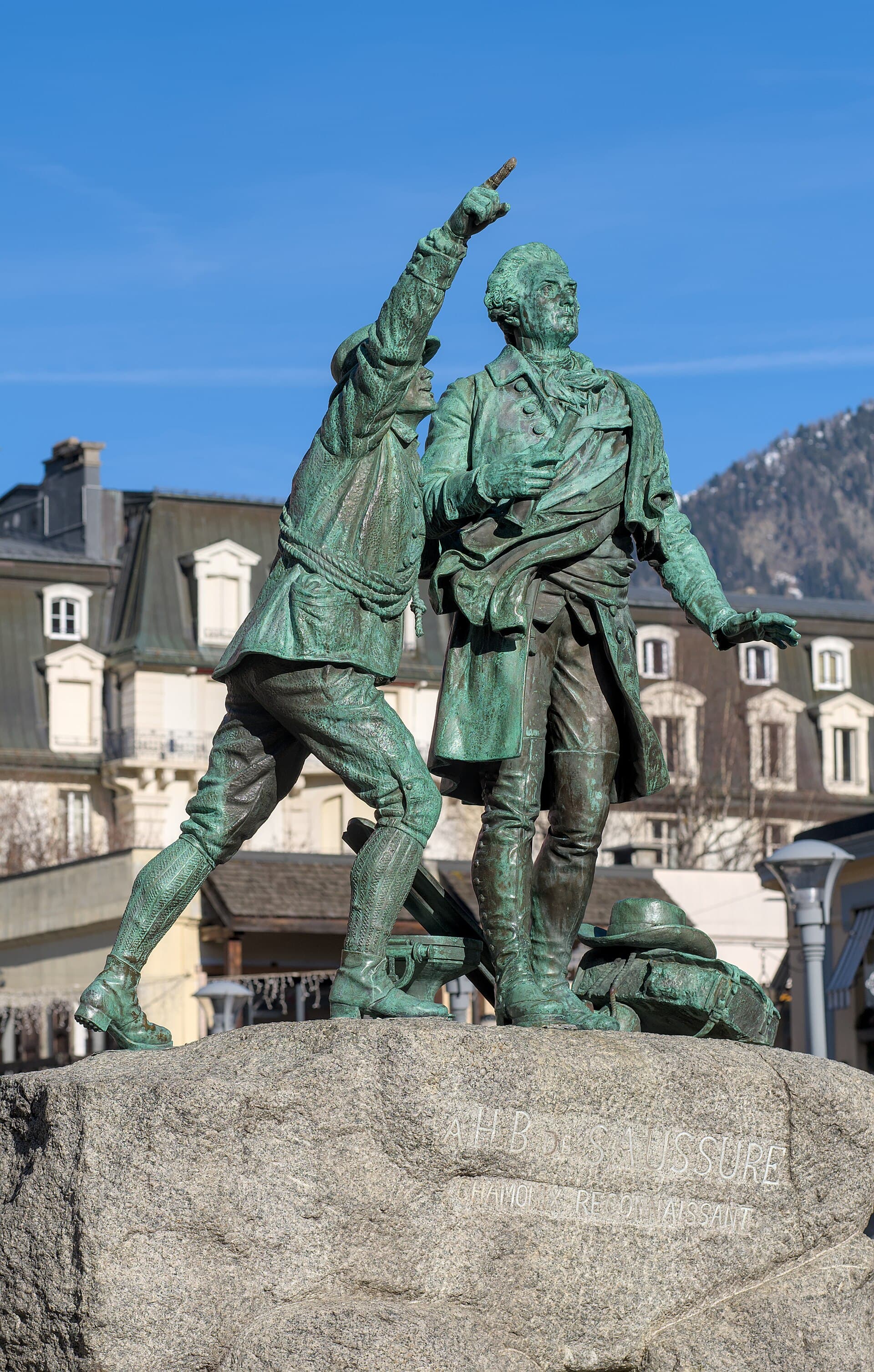 Place BalmatA central square in Chamonix by the river, holding the town's best-known statue:3 minutes walk4.9
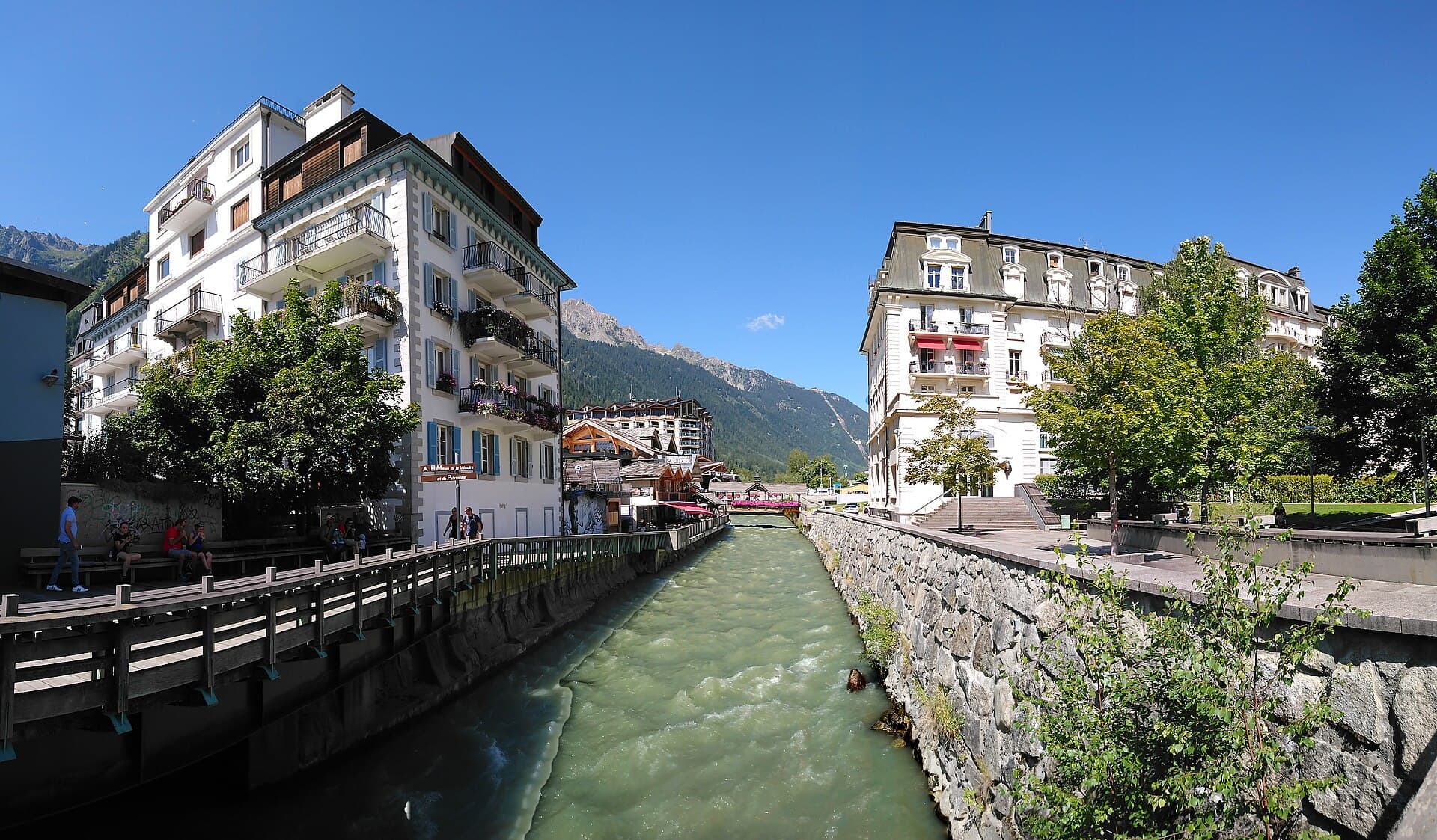 Chamonix-Mont-BlancChamonix is the capital of the French Alps and the most famous mountaineering to4 minutes walk
Because the loss was universal and left no town untouched. After 1918 the state passed a law helping communes fund a memorial financially, but most of the money came from residents' own subscriptions. The impulse was not official but practical: most of the dead were buried where they fell in the north and east, and their families had no grave to visit. The memorial stood in for the grave.
Chamonix is a small mountain town, and its men often served in the Chasseurs Alpins — France's mountain infantry — because mountain people were trained by their own lives in terrain and snow. Those units fought in the Vosges and on the Italian front. The link between the guiding profession in Chamonix and service in the mountain units held for decades.