
The first climbing gear
Hemp ropes and nailed boots the pioneers climbed in.
High Contrast — CC BY 3.0 de · High Contrast — CC BY 3.0 de · Burkhard Mücke — CC BY-SA 4.0 · Burkhard Mücke — CC BY-SA 4.0
The Alpine Museum tells the story of the valley from a cluster of poor farming hamlets to the mountaineering capital of the world — a stranger story than it sounds: before the eighteenth century the valley's people regarded the ice as a curse, and called in bishops to exorcise the glaciers creeping toward their fields. Then the English arrived. In 1741 two British travellers reached the valley and published a description of it, and Europe's curiosity began; in 1786 Balmat and Paccard climbed Mont Blanc; and from there poverty turned into a tourism industry. The museum shows that transformation: the earliest climbing equipment with its hemp ropes and nailed boots, paintings, prints and the letters of the first travellers, the furniture of old rural life, and the history of the 1924 Olympics. It occupies the former Chamonix-Palace hotel building in the town centre — small, modest and usually open only in the afternoon. It is not a world-class museum, but it gives the valley depth: afterwards you look at the mountains differently.
Hemp ropes and nailed boots the pioneers climbed in.
When farmers called in bishops to exorcise the glaciers.
The first Winter Games in history, held here.
89 Avenue Michel Croz, 74400 Chamonix
 The Chamonix War MemorialA memorial in the centre of Chamonix to the men of the town killed in the two wo1 minute walk
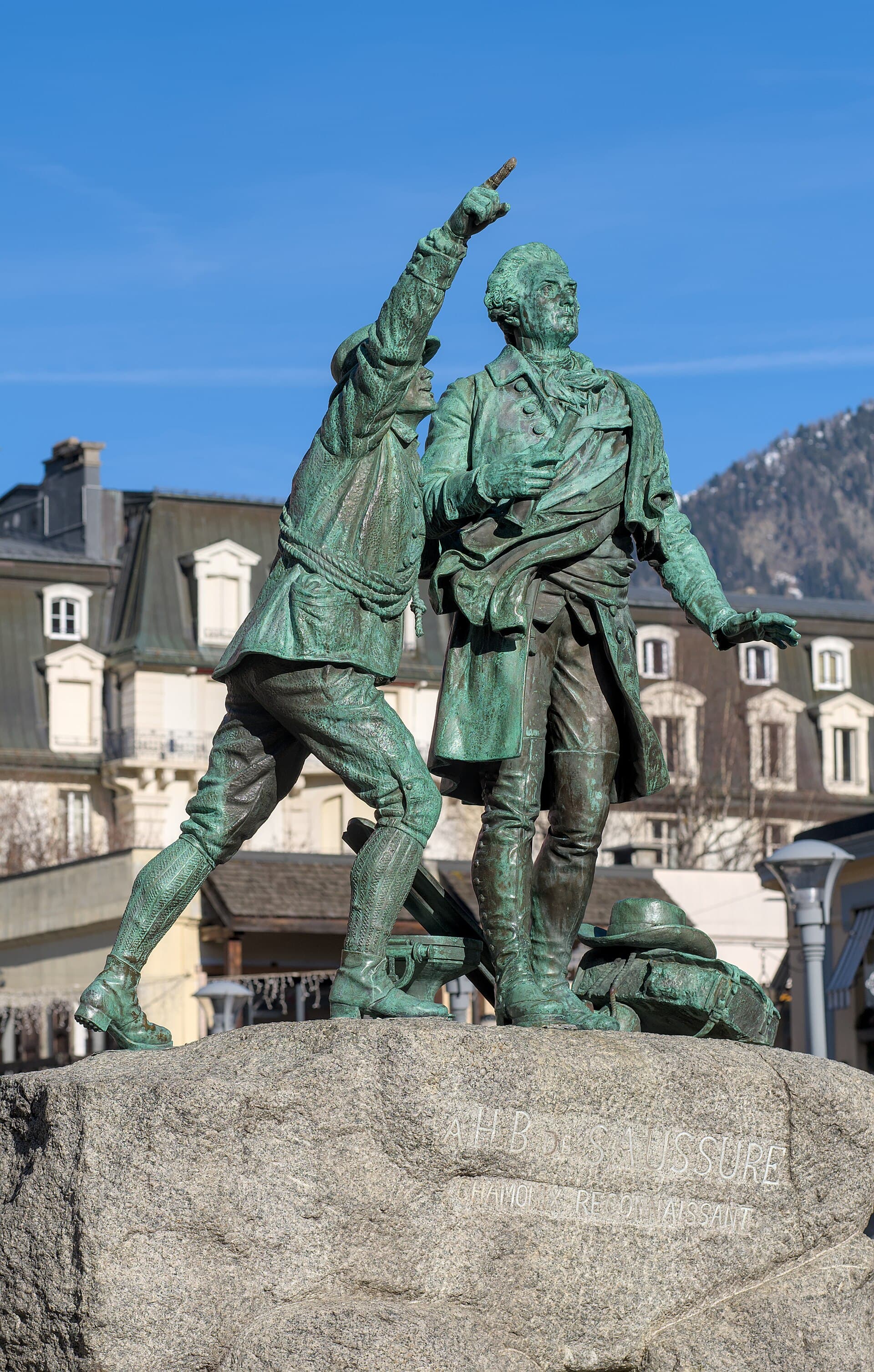 Place BalmatA central square in Chamonix by the river, holding the town's best-known statue:2 minutes walk4.9
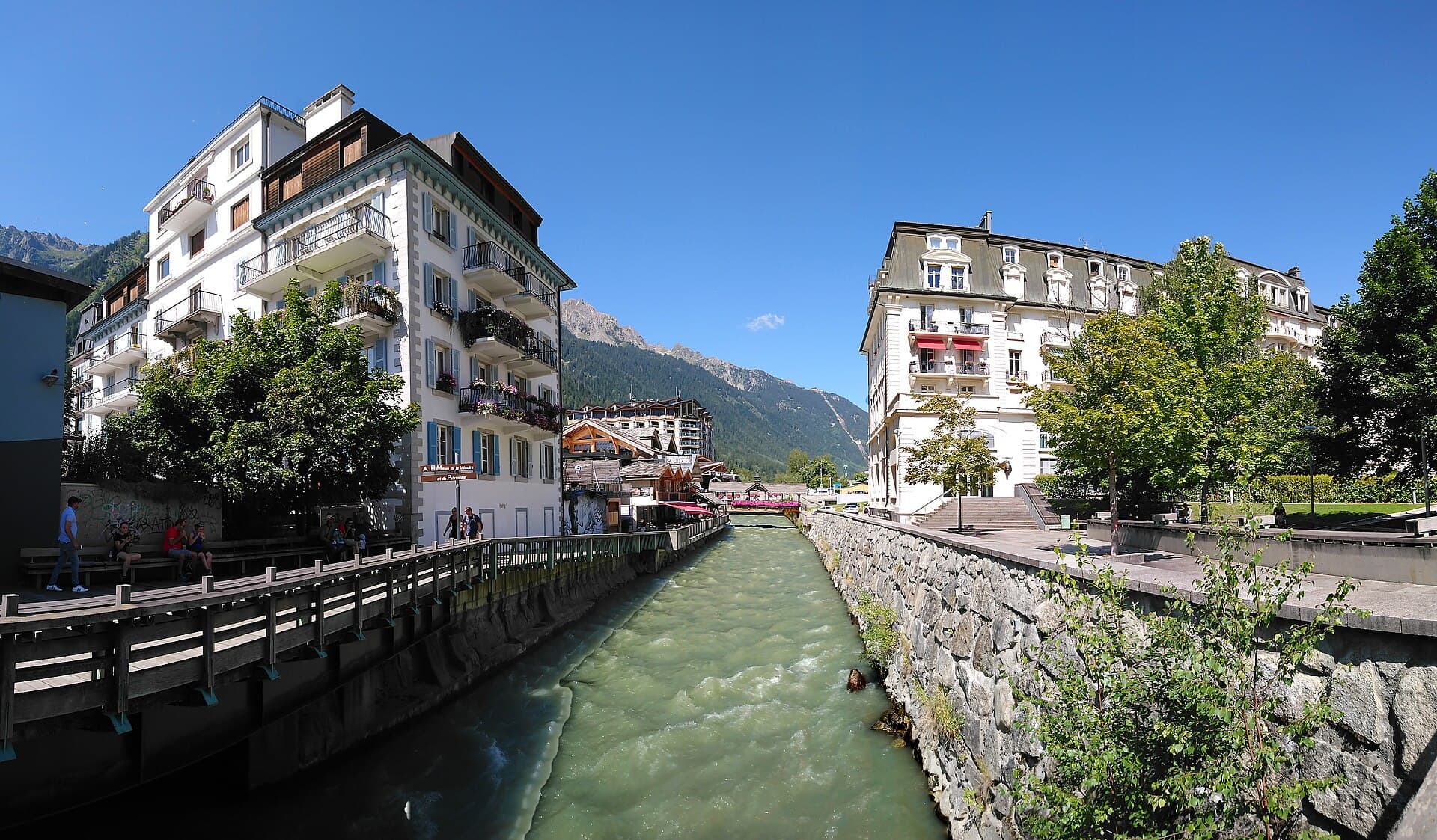 Chamonix-Mont-BlancChamonix is the capital of the French Alps and the most famous mountaineering to3 minutes walk
No — on a clear day go up the mountains, which is what you came for, and Chamonix weather is fickle and not to be wasted. Save the museum for a **cloudy or wet day**, when the high lifts close or the view vanishes: then it is an excellent hour, and it explains what you will see later. Check its hours first — they are limited and seasonal.