
A school of scholars
Study circles in the manner of Mecca.
Neponenpasila — CC BY-SA 4.0 · Gula Kapas — CC BY 3.0 · Lim Natee — CC BY-SA 4.0
Kelantan's state mosque and the most venerable mosque in Kota Bharu, first built in timber in 1867 under Sultan Muhammad II as the Great Mosque, then rebuilt in concrete from 1922 and opened in 1931 under its present name, honouring Sultan Muhammad IV. Successive extensions have enlarged it to hold some 2,400 worshippers. The mosque was never only a place of prayer: it was a great school where Kelantan's most famous scholars taught, among them Tuan Tabal, Haji Wan Ali Kutan and Tok Kenali, in study circles modelled on teaching at the Grand Mosque in Mecca, and its students went on to continue their studies in Mecca. This is one reason Kelantan is called the Verandah of Mecca. The mosque is open for prayer, and a sign at the entrance asks non-Muslims to seek permission before visiting, so ask at the office, dress modestly, with women covering their hair, and avoid prayer times, especially Friday prayers. It stands beside the Islamic Museum and close to Istana Jahar and Istana Batu in the heart of the royal quarter, so make it the start of your walk through the old city.
Study circles in the manner of Mecca.
Room for about 2,400 worshippers.
Among palaces and museums.
The royal quarter of central Kota Bharu, beside the Islamic Museum
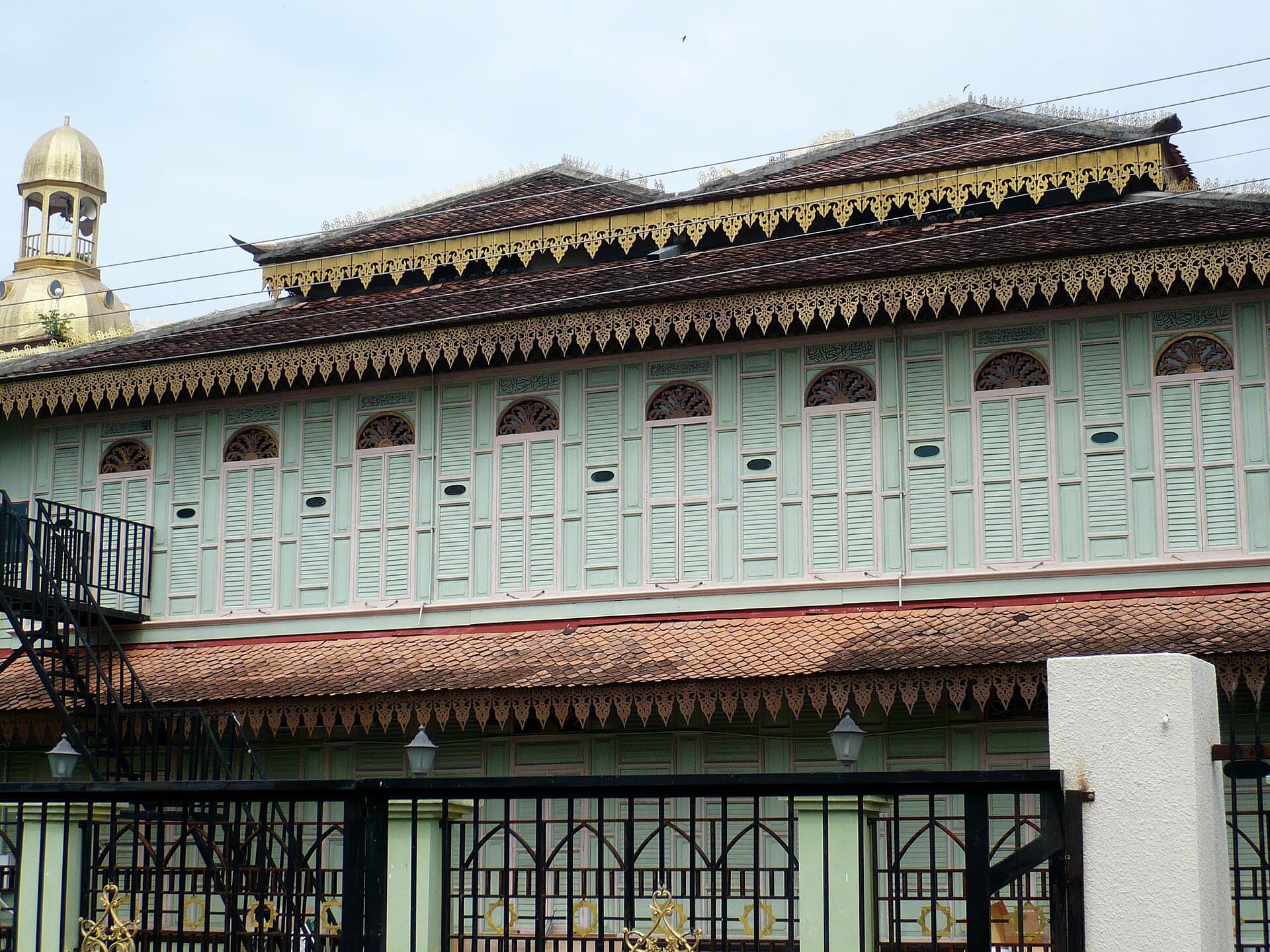 Kelantan Islamic MuseumA small museum in a two-storey timber building shaped like a mosque, its walls a1 minute walk
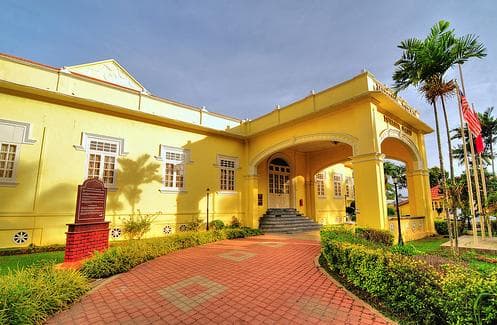 Istana Batu Royal MuseumAn elegant yellow palace built in 1939 under Sultan Ismail as a wedding gift for1 minute walk
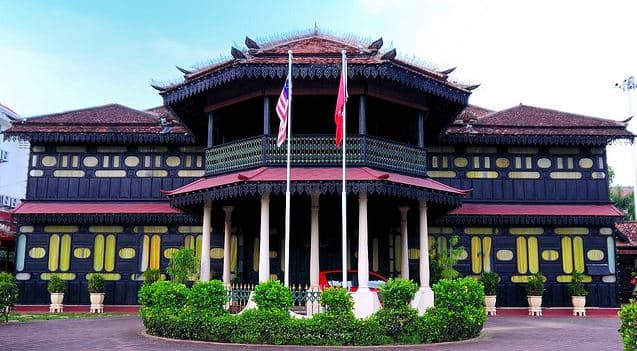 Istana Jahar (Royal Traditions and Customs Museum)An elegant nineteenth-century timber palace in the heart of Kota Bharu's old roy1 minute walk
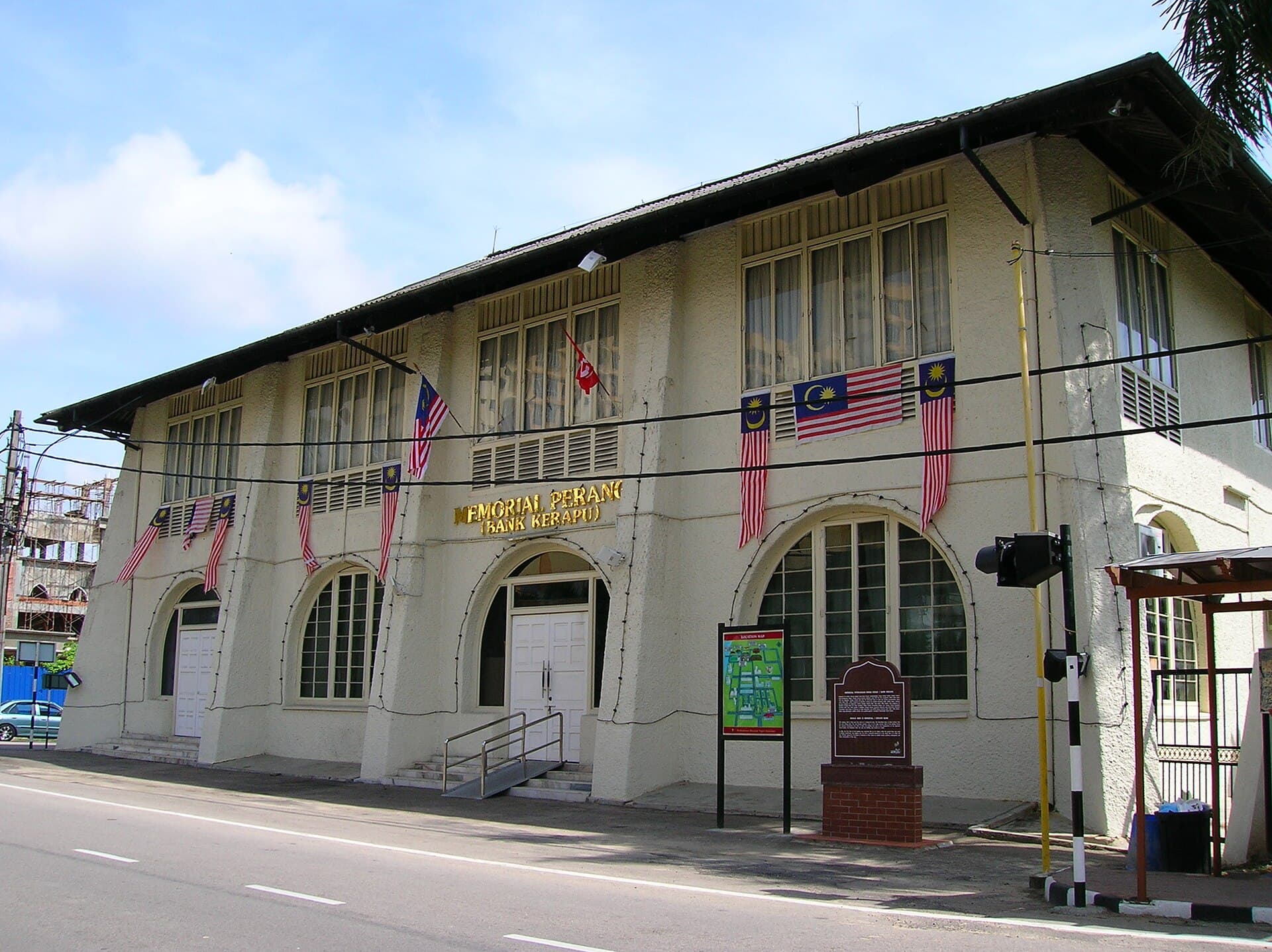 War Museum (Bank Kerapu)A stone building put up in 1912 for Kelantan's first bank, the Mercantile Bank o1 minute walk
 Siti Khadijah MarketKota Bharu's central market and the best-known market on the east coast, in an o5 minutes walk
Usually yes after asking permission from the mosque office, outside prayer times, dressed to cover arms and legs, with women covering their hair. A sign at the entrance reminds visitors of this.