
A women's market
Women traders bring it to life.
Westbeachzero (http://www.irgendwo-aberneddihei.ch) — CC BY-SA 3.0 · Marufish from Alor Setar, Malaysia — CC BY-SA 2.0 · yeowatzup — CC BY 2.0 · CK Tan — CC BY 3.0
Kota Bharu's central market and the best-known market on the east coast, in an octagonal four-storey building named after Khadija bint Khuwaylid, the wife of the Prophet Muhammad, who was a merchant. Fittingly, most of its traders are women, which sets it apart from Malaysia's other markets. The ground floor is for fresh produce, fish, vegetables and chicken, and from the upper balconies its colourful central floor of heaped fruit and vegetables is one of the most photographed scenes in Kelantan. The first floor has dried foods such as serunding, traditional Kelantanese sweets and ready-made dishes such as nasi dagang and laksam, and the upper floors sell fabrics, batik and songket. Entry is free; trading starts early in the morning and runs until about late afternoon, and the best time to visit is the morning, when the produce is fresh and the bustle at its height. It stands in the city centre, minutes from the royal quarter and its museums, so make it your breakfast or lunch stop. Try Kelantan's famous flavours, such as blue-tinted nasi kerabu, nasi dagang and colourful sweets.
Women traders bring it to life.
Heaps of fruit seen from the balconies.
Nasi kerabu and nasi dagang.
Jalan Buluh Kubu, central Kota Bharu
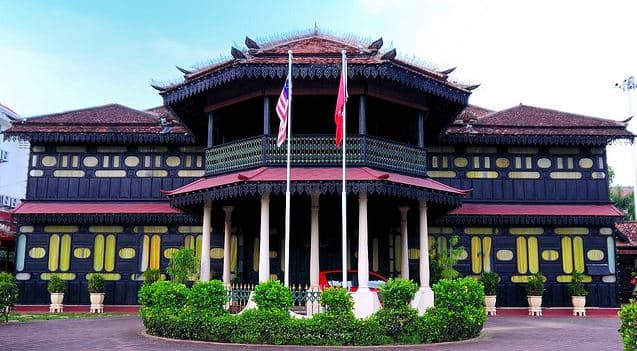 Istana Jahar (Royal Traditions and Customs Museum)An elegant nineteenth-century timber palace in the heart of Kota Bharu's old roy4 minutes walk
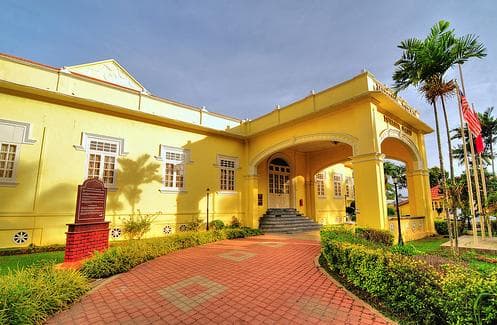 Istana Batu Royal MuseumAn elegant yellow palace built in 1939 under Sultan Ismail as a wedding gift for4 minutes walk
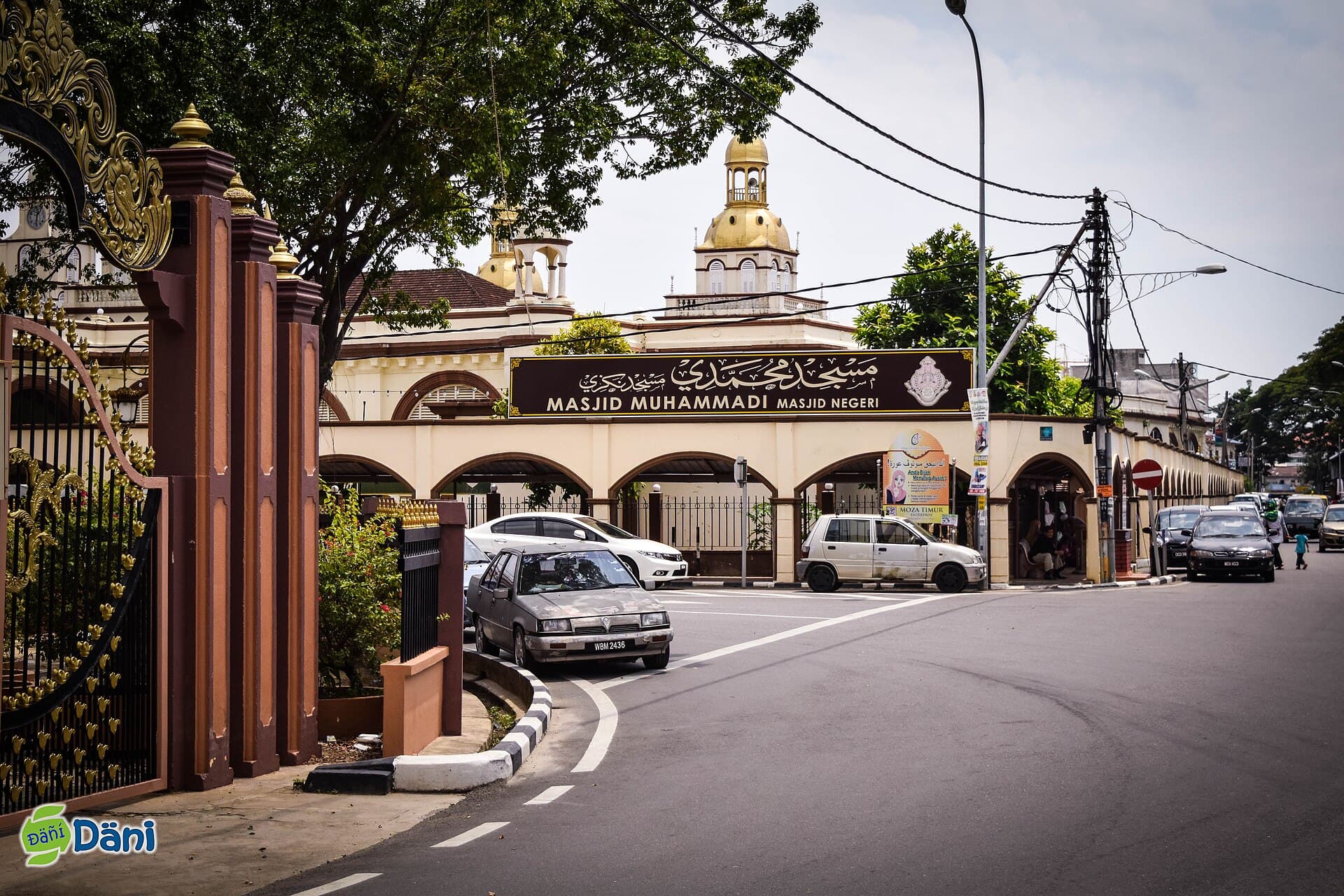 Muhammadi Mosque (State Mosque)Kelantan's state mosque and the most venerable mosque in Kota Bharu, first built5 minutes walk
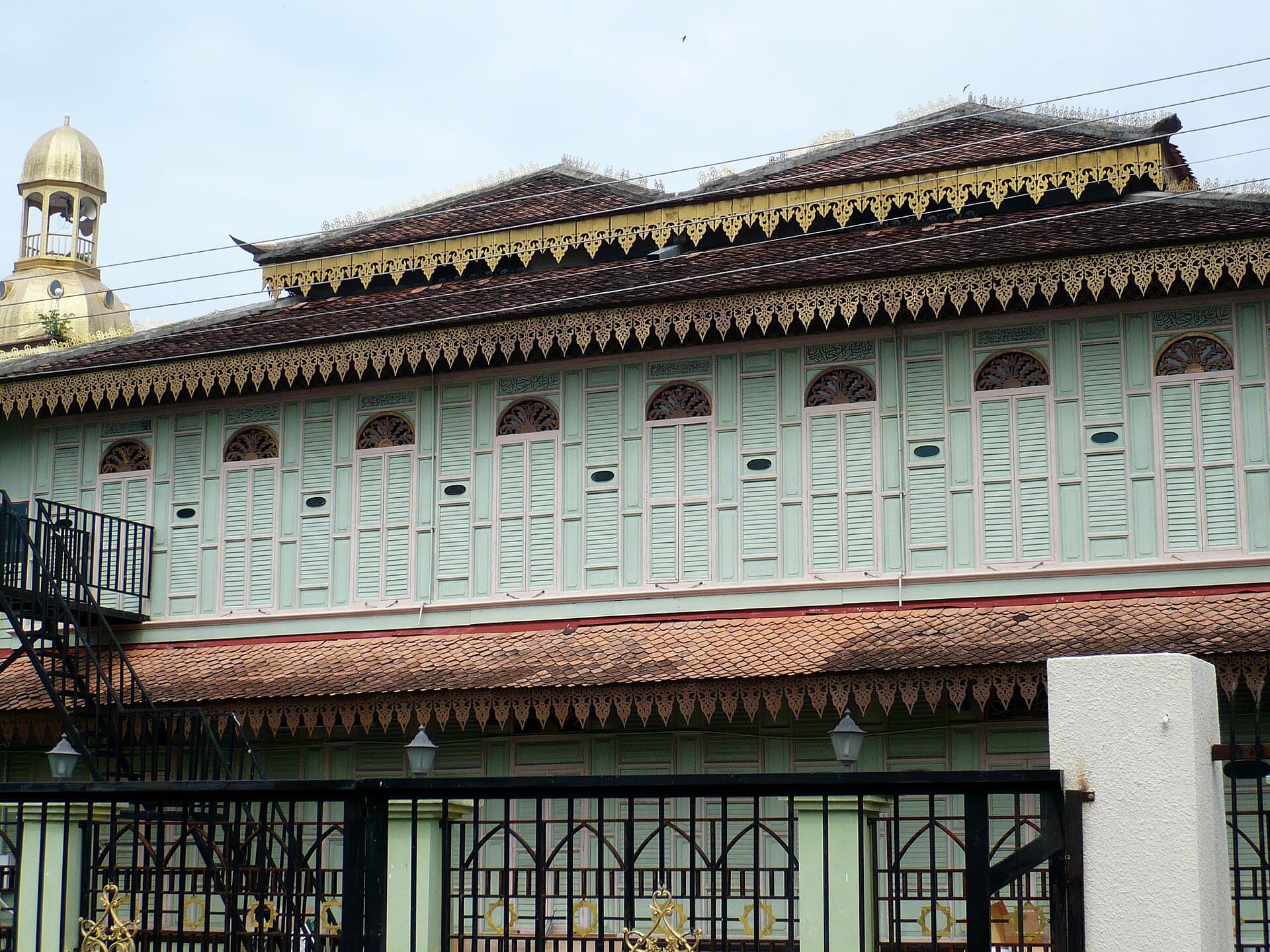 Kelantan Islamic MuseumA small museum in a two-storey timber building shaped like a mosque, its walls a5 minutes walk
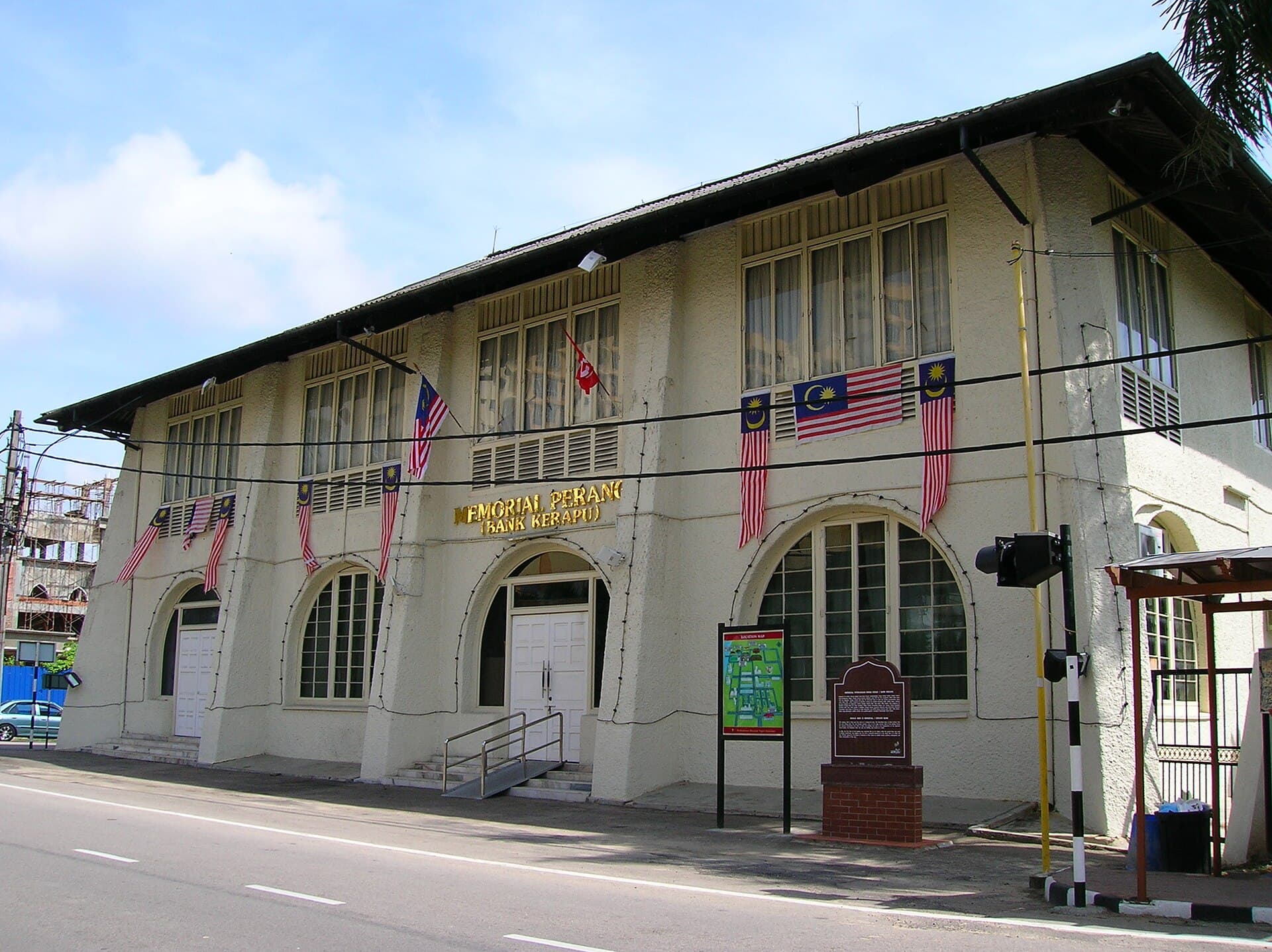 War Museum (Bank Kerapu)A stone building put up in 1912 for Kelantan's first bank, the Mercantile Bank o6 minutes walk
Fresh tropical fruit, traditional Kelantanese sweets, serunding and other dried foods, and on the upper floors batik and songket, usually cheaper than in shopping malls. Bargaining is accepted at the cloth stalls.