
Atlantic wealth
Wine, sugar, coffee — and what the city's riches were actually built on.
JuliecFR — CC BY-SA 4.0 · Tylwyth Eldar — CC BY-SA 4.0 · Tylwyth Eldar — CC BY-SA 4.0 · Tylwyth Eldar — CC BY-SA 4.0
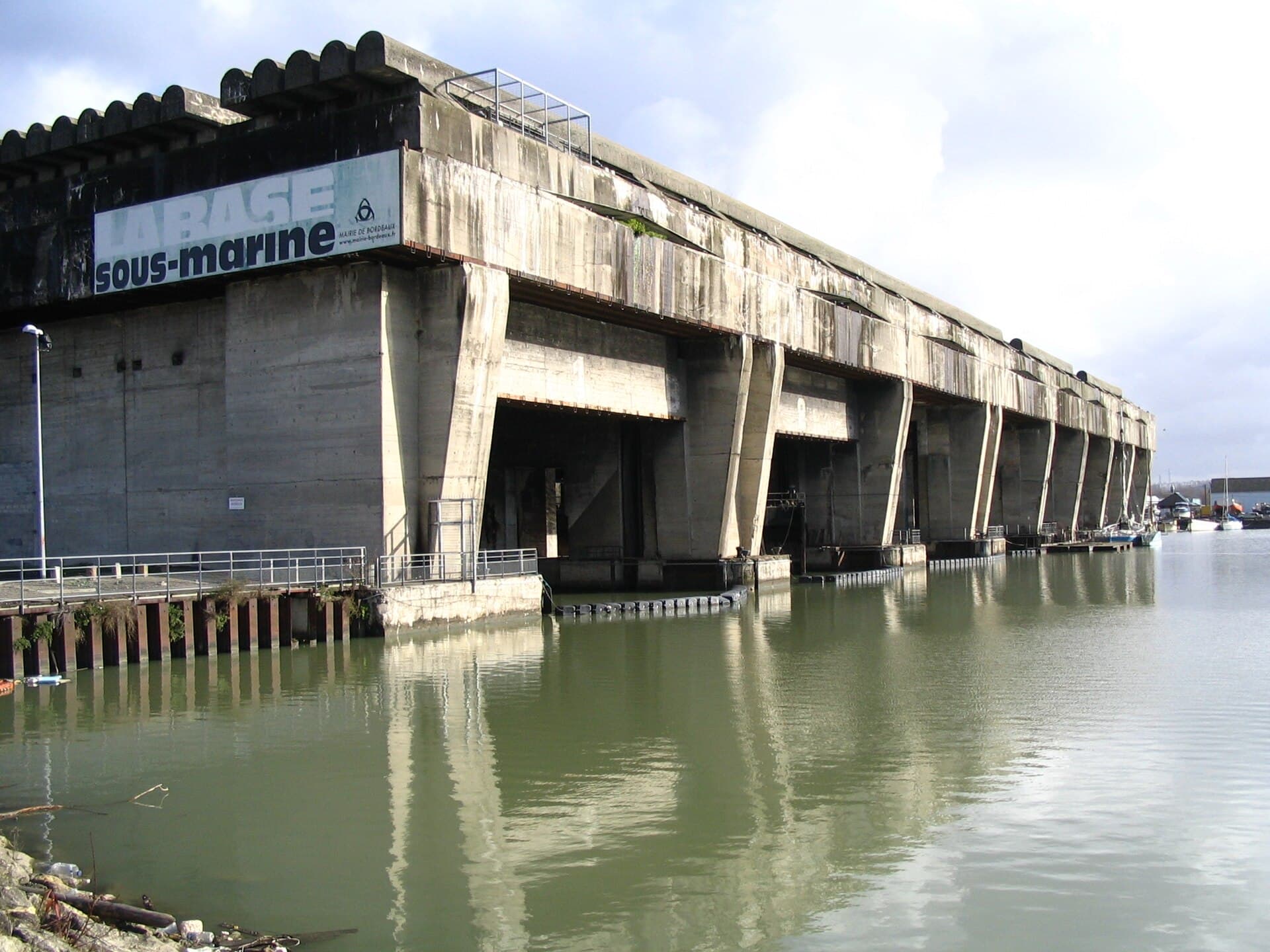
A museum of Bordeaux's maritime history, in the wet docks area north of the city on the bank of the Garonne. Bordeaux was among France's largest ports for centuries, and its wealth was built on Atlantic trade: wine, sugar, coffee and tropical goods. The museum covers that including the side long left out — the slave trade that passed through this port and formed an essential part of its riches. The displays are ship models, navigation equipment, charts, documents and pieces of hulls, with sections on shipbuilding in Bordeaux and on life aboard. The surrounding area is part of the story: the vast concrete German submarine base of the Second World War stands a few steps away, today a space for digital art projections. It lies north of the centre and needs a tram. Hours are limited and labelling is primarily French — check before going.
Wine, sugar, coffee — and what the city's riches were actually built on.
Models, navigation gear, charts and pieces of real hulls.
A vast wartime concrete block steps away, now used for digital art shows.
Bassins à flot, north Bordeaux
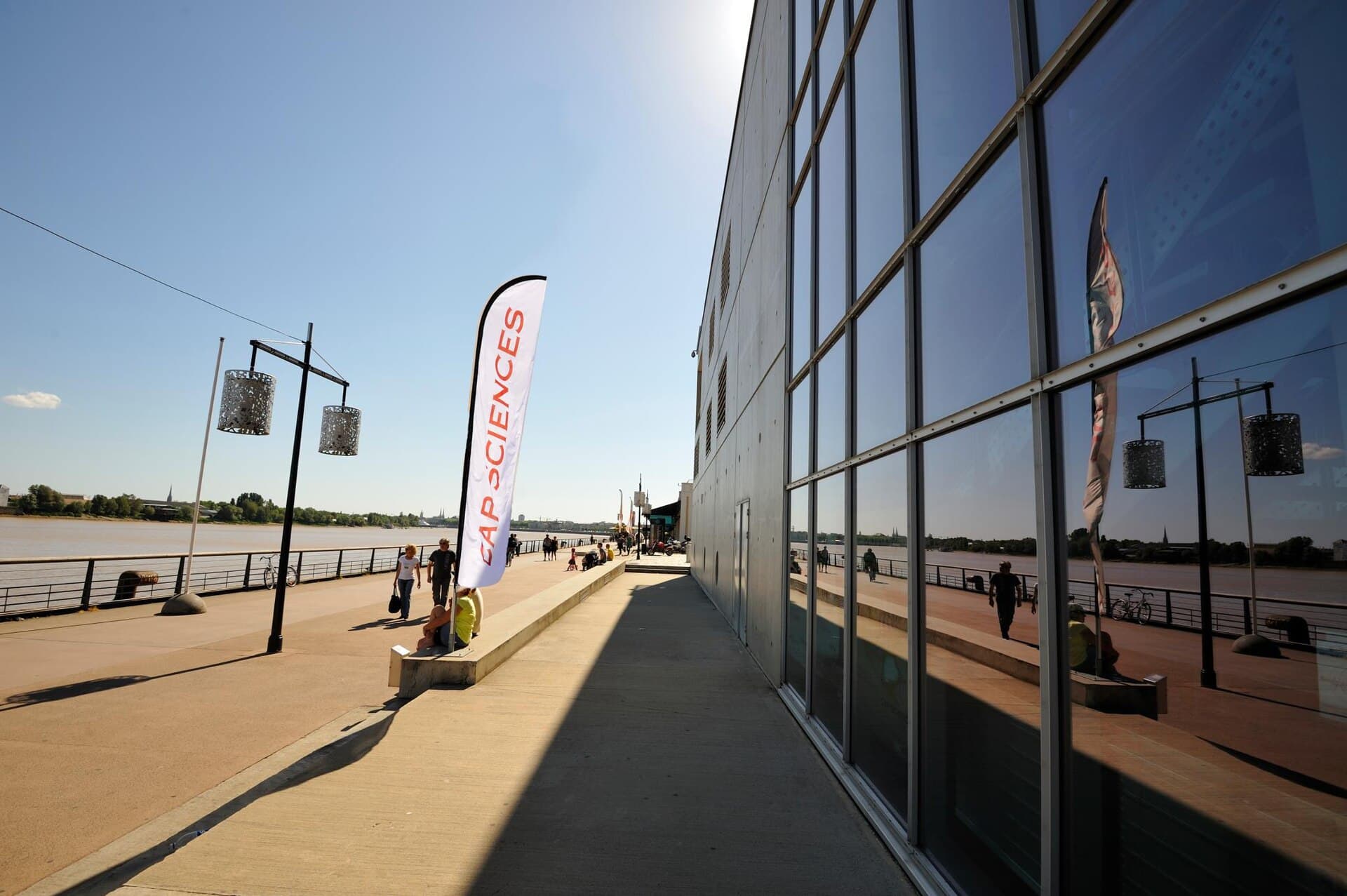 Cap SciencesAn interactive science centre on the bank of the Garonne in the docks area north4 minutes walk4.4
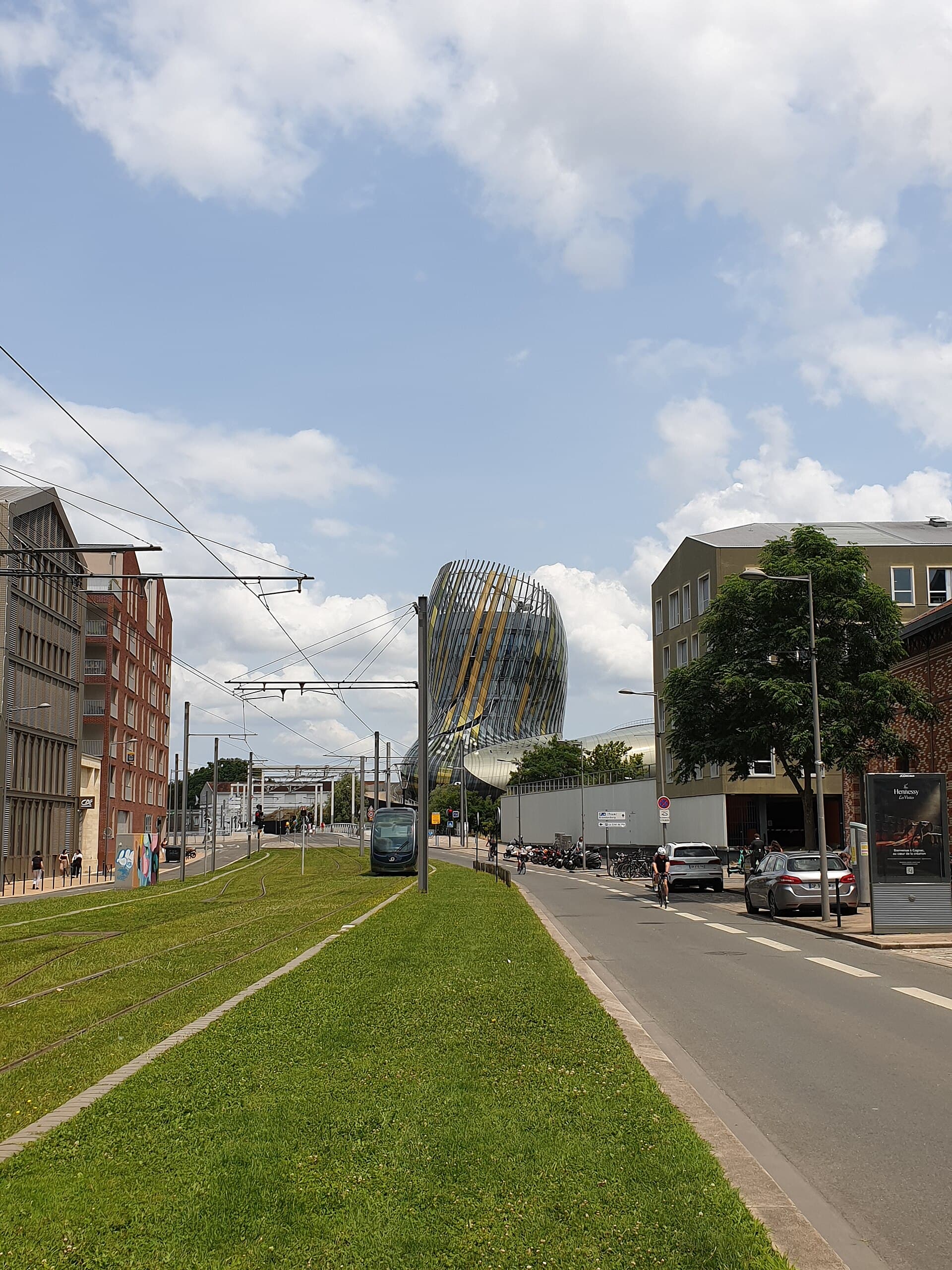 La Cité du VinThe Cité du Vin is Bordeaux's great modern museum of wine as civilisation: a twi4 minutes walk4.2
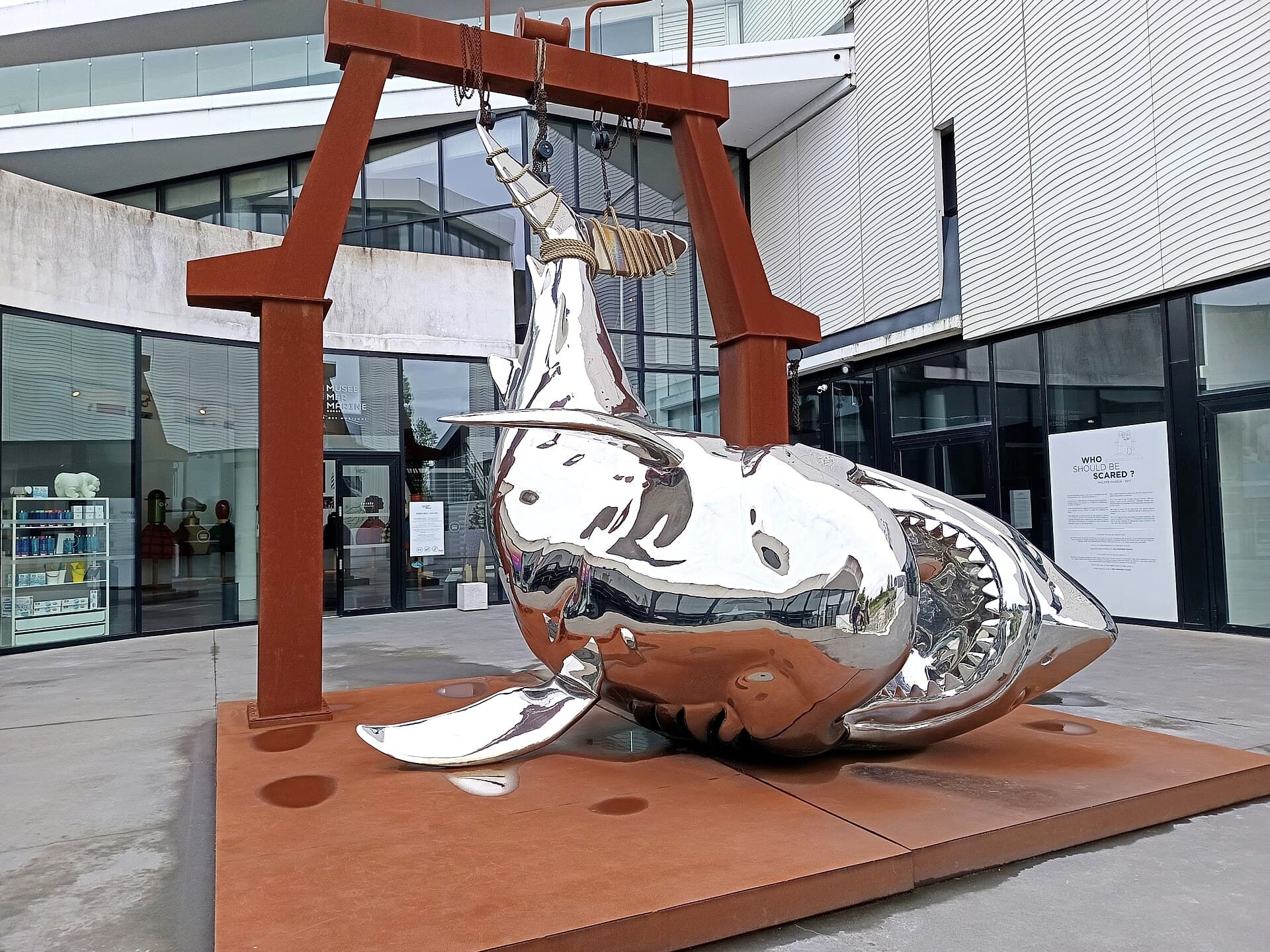 Musée Mer MarineA relatively new museum — opened in 2019 — in a large contemporary building on a6 minutes walk4.1
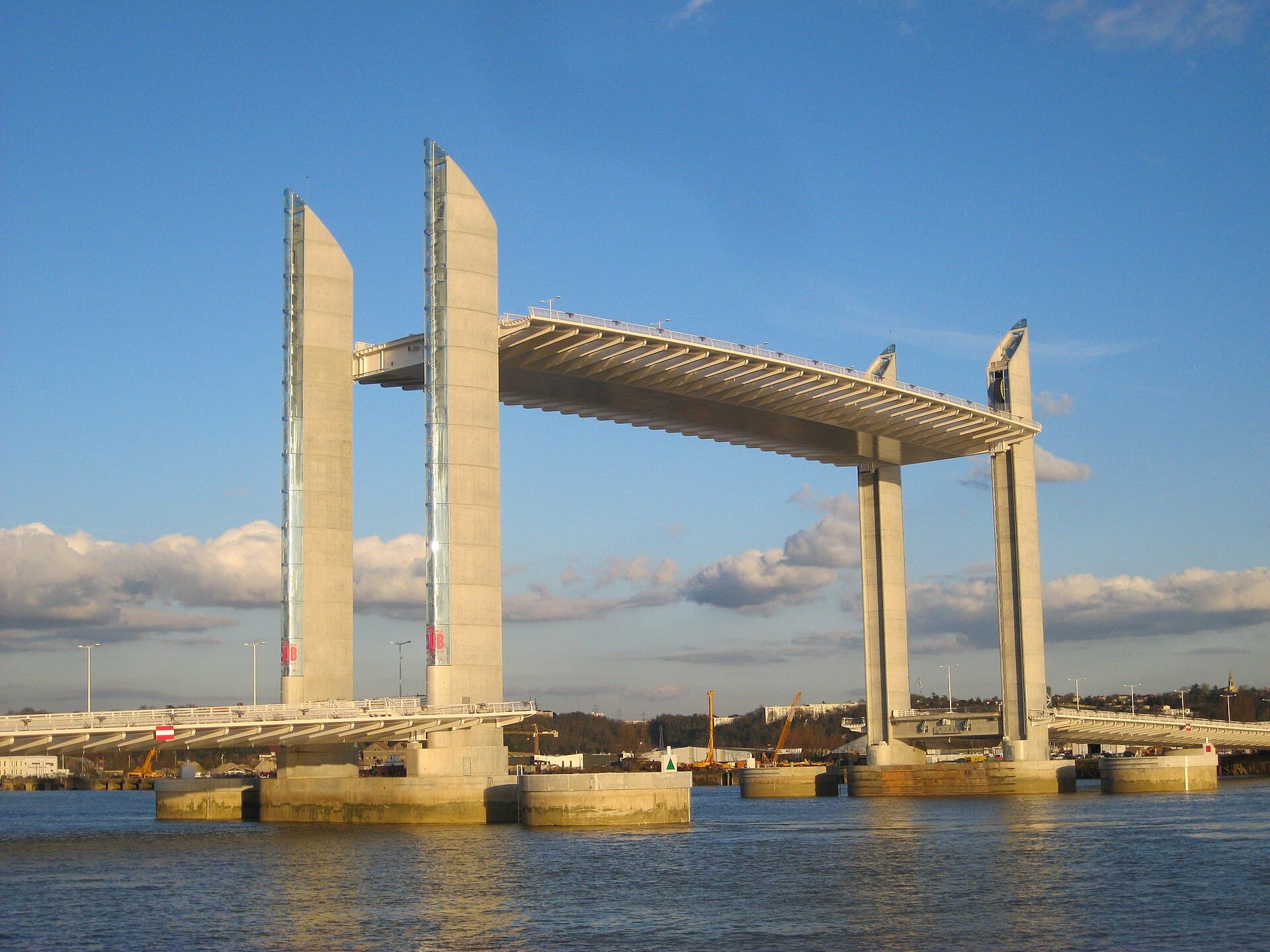 Pont Jacques-Chaban-DelmasThe newest bridge over the Garonne at Bordeaux, opened in **2013** north of the 7 minutes walk4.4
 Bassins des LumièresThe world's largest digital art centre lives in the strangest possible place: a 11 minutes walk4.8
Yes, and that is the logical order as they adjoin. The base is a German wartime concrete structure with walls metres thick, used today for digital art shows projected onto its walls and water. The tickets are separate, and the base is a powerful visual experience whatever is showing.
The riverfront with its eighteenth-century stone buildings, UNESCO-listed; the Miroir d'eau in front of the Place de la Bourse; the Cité du Vin wine museum; and the old quarters. This museum is an addition to a longer visit rather than a first priority.