
The cut-outs
The famous scissor works of his late years — his simplest and most joyful.
takato marui — CC BY-SA 2.0 · ermell — CC BY-SA 4.0 · Rosanna Delpiano — CC BY-SA 4.0 · GFreihalter — CC BY-SA 4.0
Henri Matisse lived in Nice for nearly forty years and said its light was why he stayed. His museum stands in exactly the right place: a red seventeenth-century Genoese villa in an olive grove in Cimiez, beside Roman ruins and an old monastery. The collection covers his whole career: from the dark early canvases to the famous coloured cut-outs he invented in old age when he could no longer stand at an easel and began, as he put it, to draw with scissors. There are also his sculptures and the preparatory designs for the Vence chapel he considered his life's summation. The visit is completed by what surrounds it: the Roman arena ruins in front, the Cimiez monastery with its viewpoint garden, and Matisse's own grave in the monastery cemetery — all within minutes on foot.
The famous scissor works of his late years — his simplest and most joyful.
A red seventeenth-century building in the olive grove — worth the photograph in itself.
Preparatory work for the project Matisse called the summation of his life.
164 Avenue des Arènes de Cimiez, 06000 Nice
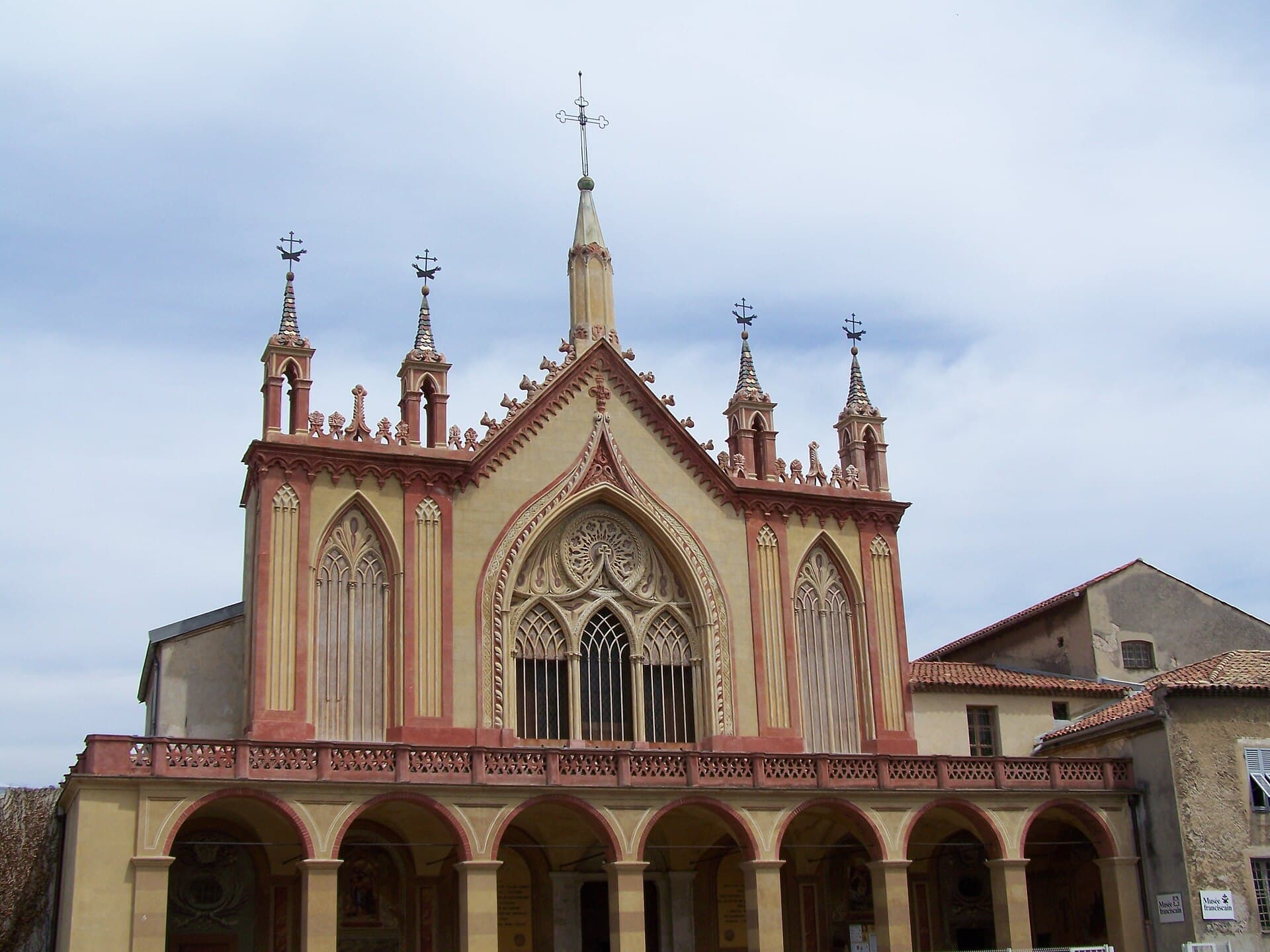 Cimiez MonasteryA Franciscan monastery on the Cimiez hill above Nice, in place since the Middle 3 minutes walk4.5
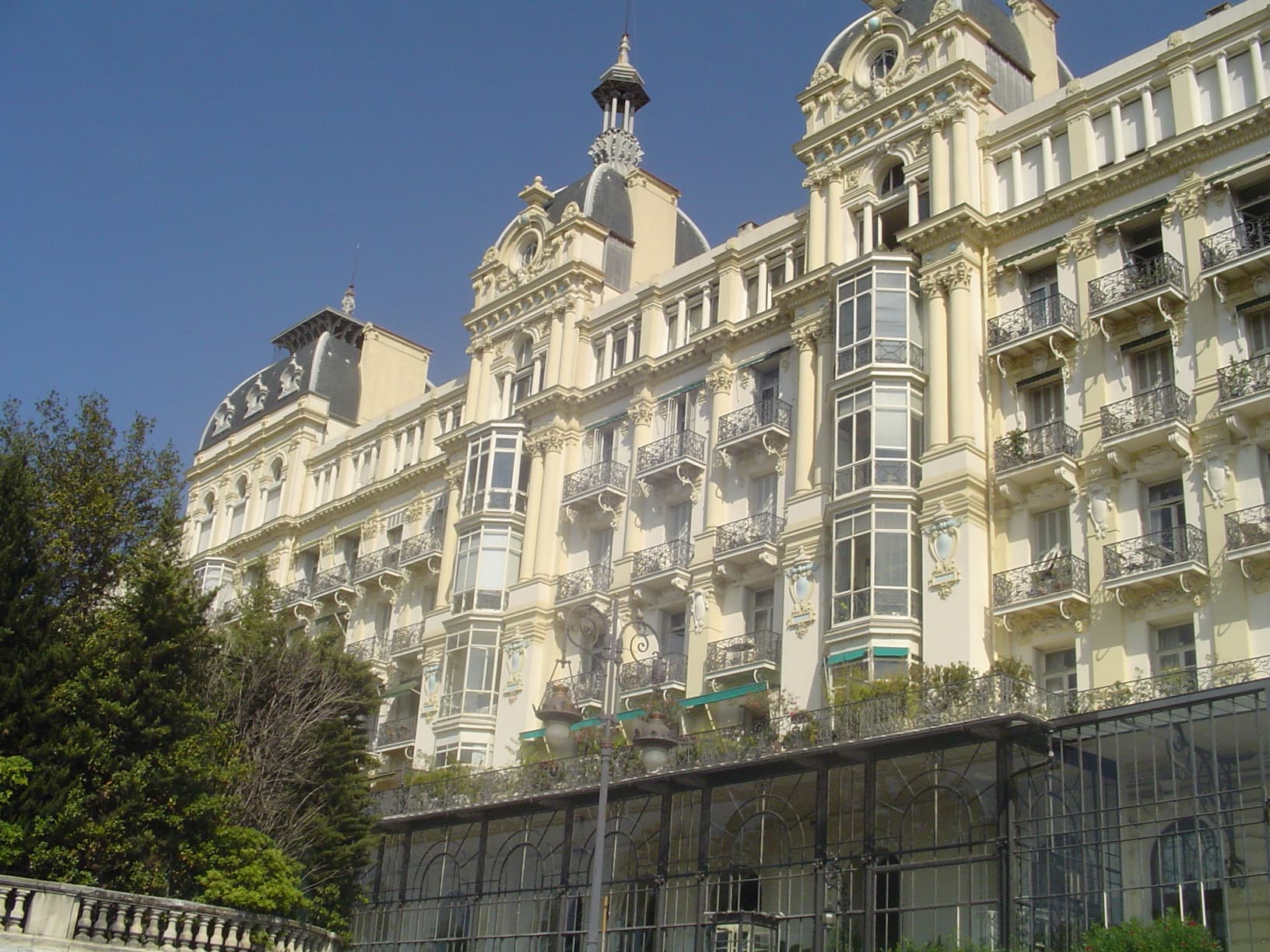 Excelsior Régina PalaceThe Excelsior Régina is a vast white edifice on the **Cimiez** hill above Nice, 3 minutes walk4.3
 Château de ValroseA nineteenth-century château north of Nice, built by a wealthy Russian businessm10 minutes walk4.2
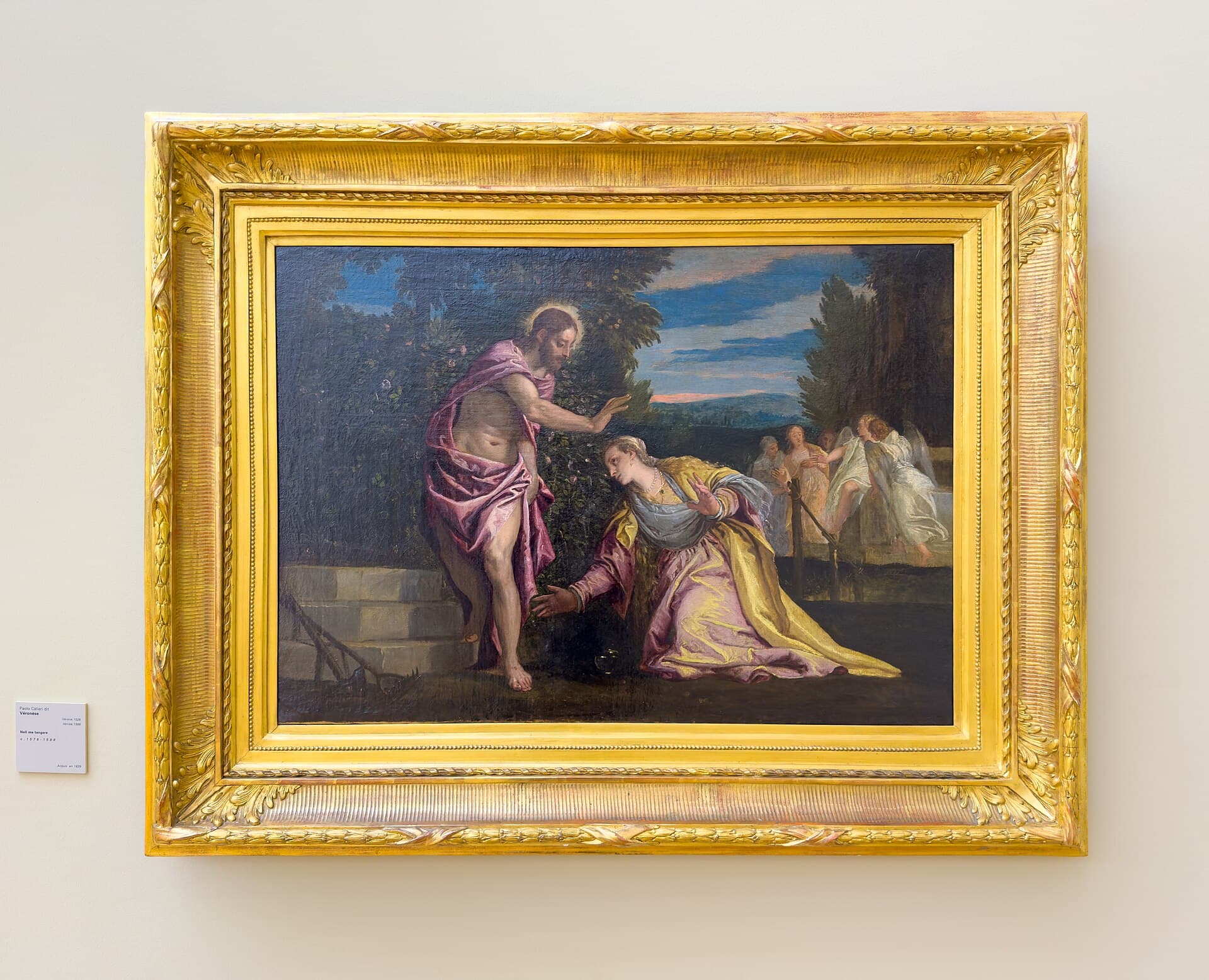 Marc Chagall National MuseumThe Chagall museum in Nice holds the world's largest public collection of the pa15 minutes walk4.5
 La Tête CarréeA monumental sculpture of a squared human head about twenty-six metres high, by 23 minutes walk4.1
Chagall hits harder for the casual visitor with its huge colourful canvases; Matisse is calmer with the lovelier setting of olive grove and ruins. They are fifteen minutes apart on foot, and the combined half-day is the right answer.
Directly in front, the small Roman arena and bath ruins; behind, the Cimiez monastery with a rose garden overlooking city and sea; in its cemetery, Matisse's simple grave. The garden alone deserves half an hour.
The cut-outs appeal to children more than most art does, and the garden and ruins outside give them room. Keep the museum itself to about an hour with them.