
The Biblical Message room
Seventeen large canvases in Chagall's dream palette — the reason to come.
Photograph by Mike Peel (www.mikepeel.net). — CC BY-SA 4.0 · Jens Cederskjold — CC BY-SA 2.0 · Marc Chagall — Public domain · Marc Chagall — Public domain
The Chagall museum in Nice holds the world's largest public collection of the painter's work, and was built in his lifetime with his participation: he arranged the hanging himself and designed a mosaic and stained glass specially for the building. Its heart is the Biblical Message cycle: seventeen large canvases that took Chagall years, in his famous dreamlike palette — deep blues and reds, lovers and animals floating over villages. Even visitors who know nothing about the painter come out moved by the colour alone. The museum is small and easy: a few rooms around a quiet olive garden with a café. It sits in the Cimiez district on a hill above the centre, and pairs naturally with the nearby Matisse Museum for one half-day.
Seventeen large canvases in Chagall's dream palette — the reason to come.
An auditorium with blue windows Chagall designed himself, flooding the room with blue light.
A quiet Mediterranean garden with a café — a lovely pause before the rest of the day.
Avenue Docteur Ménard, 06000 Nice
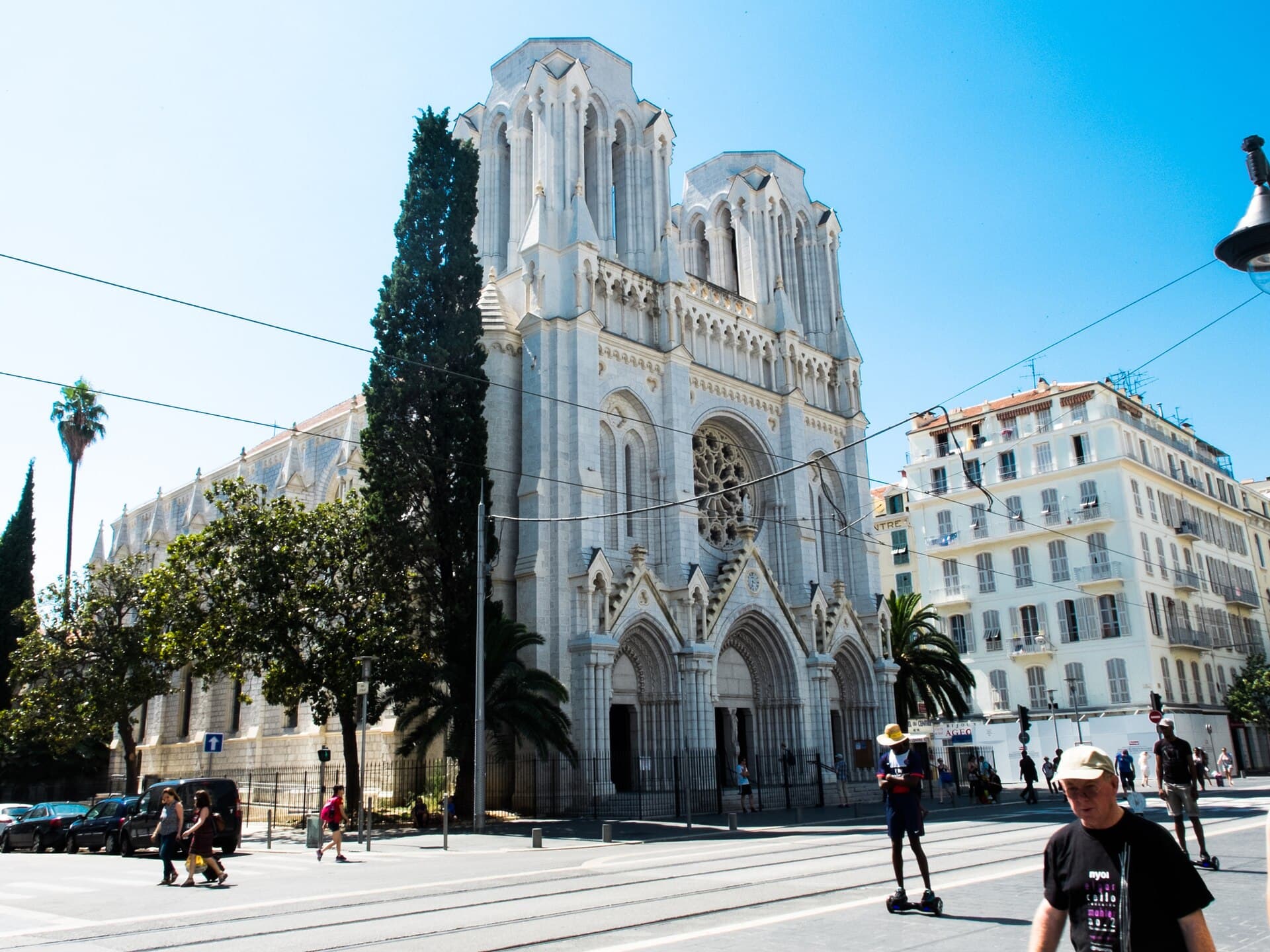 Notre-Dame Basilica of NiceThe Notre-Dame Basilica is Nice's largest church and the landmark of its main av10 minutes walk4.6
 Château de ValroseA nineteenth-century château north of Nice, built by a wealthy Russian businessm11 minutes walk4.2
 La Tête CarréeA monumental sculpture of a squared human head about twenty-six metres high, by 13 minutes walk4.1
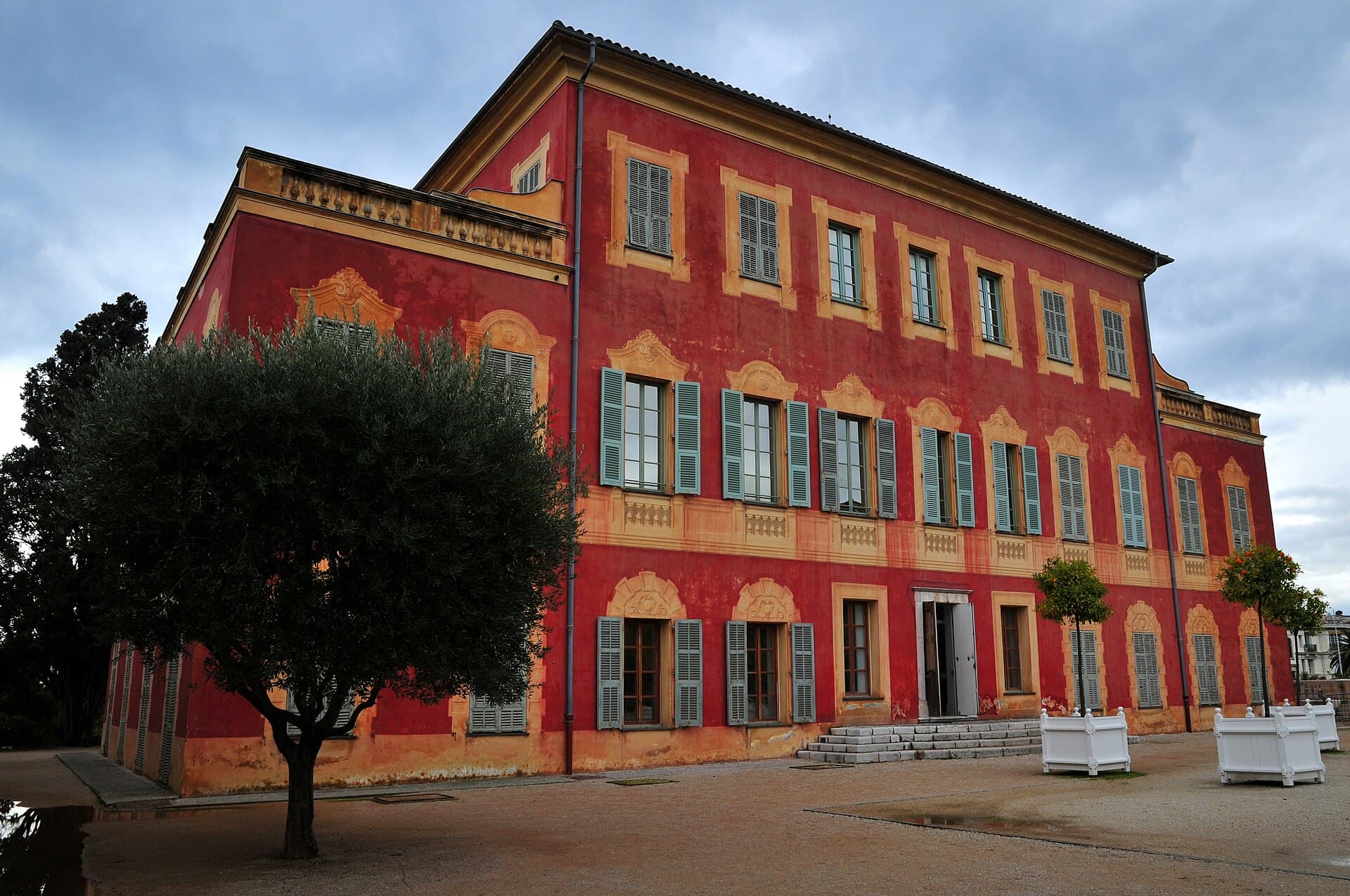 Matisse MuseumHenri Matisse lived in Nice for nearly forty years and said its light was why he15 minutes walk4.2
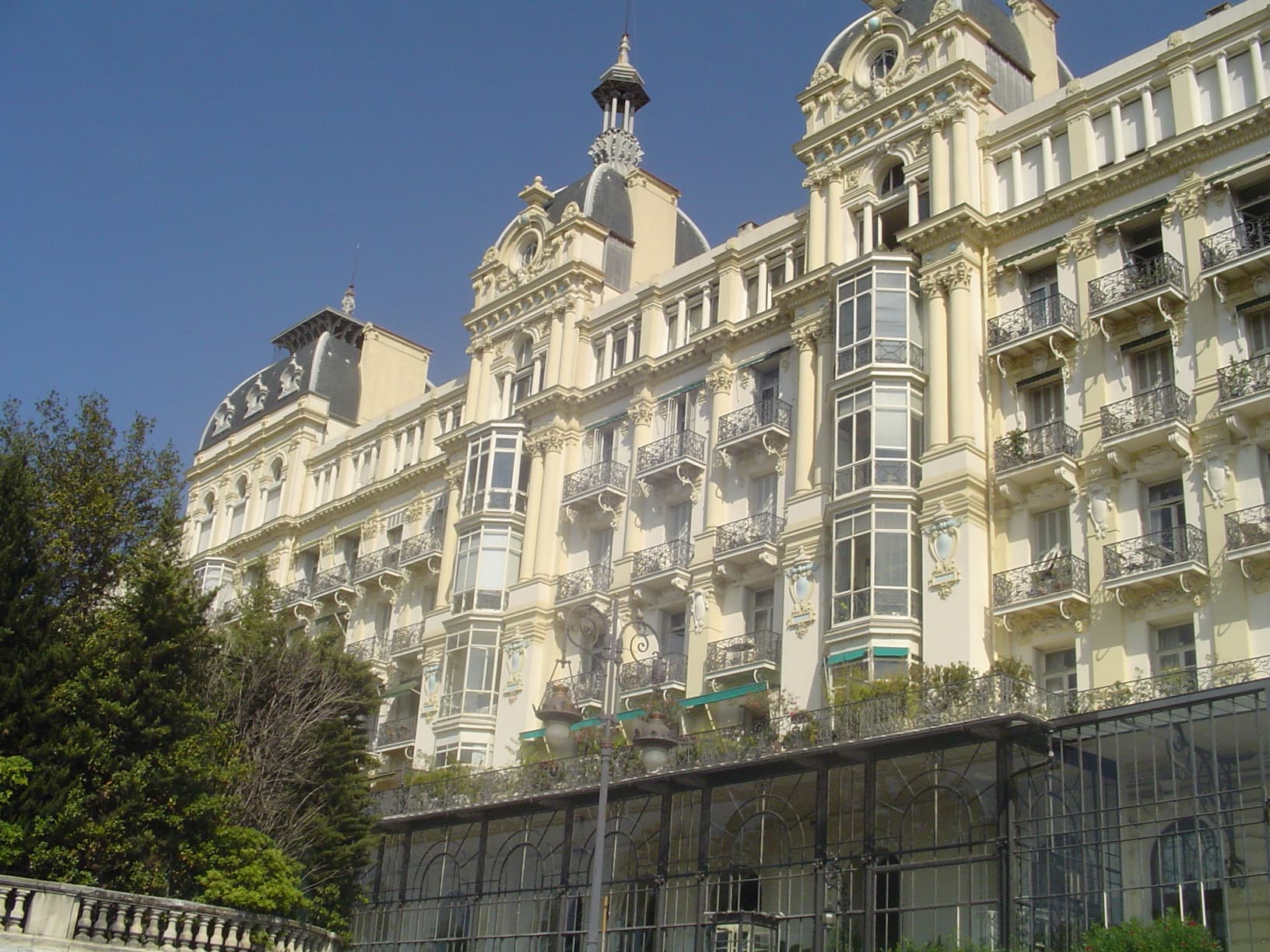 Excelsior Régina PalaceThe Excelsior Régina is a vast white edifice on the **Cimiez** hill above Nice, 15 minutes walk4.3
More than most art museums: the works are big, the colour is captivating, the subjects tell stories that need no background, and the place is small enough not to tire you. If you do one art museum in Nice, make it this or the Matisse.
A short bus ride from near Place Masséna up to Cimiez, or a twenty-minute uphill walk. Between the Chagall and Matisse museums it is about fifteen minutes on foot.
Chagall, a Jewish painter from Belarus, painted Old Testament scenes in his own poetic style and wanted them shown as a universal message of peace rather than narrow religious art. The museum presents them as human art, and the visit feels like any art museum.