
The glittering costumes
Sequins and feathers.
Hiroki Ogawa — CC BY 3.0 · Ypsilon from Finland — CC0 · Hiroki Ogawa — CC BY 3.0 · Hiroki Ogawa — CC BY 3.0 · Fernando da Rosa (Fedaro) — CC BY-SA 3.0
The Carnival Museum in the Ciudad Vieja of Montevideo is dedicated to preserving and sharing the traditions of Uruguayan carnival. It occupies a long pink brick building showing glittering costumes, instruments and pictures, explaining in an hour one of the country's most important popular celebrations, even if you visit outside its season. It opened on 23 November 2006 and is run by a trust of the city of Montevideo, the Tourism Ministry, the ports authority and, since December 2015, the Ministry of Education and Culture. It won the Queen Sofía International Prize for cultural heritage conservation in 2009 and a Morosoli Prize in 2017 for its community programme. It closed briefly in May 2016 and reopened that September. Inside is an old stone floor under a high roof, with huge costumes decked in sequins, feathers and small mirrors on mannequins, in red, blue and gold under spotlights. The walls show pictures and posters from carnival history, and concerts and talks are sometimes held. It stands near the Mercado del Puerto, so both fit one walk. Check opening days, which may change out of season. Ask about picture rules, and do not touch the costumes, which are fragile. It is best to walk the Ciudad Vieja by day and keep your things close. If you visit during carnival season, ask at the museum about neighbourhood shows.
Sequins and feathers.
Brick in the old town.
Carnival history.
Ciudad Vieja, Montevideo
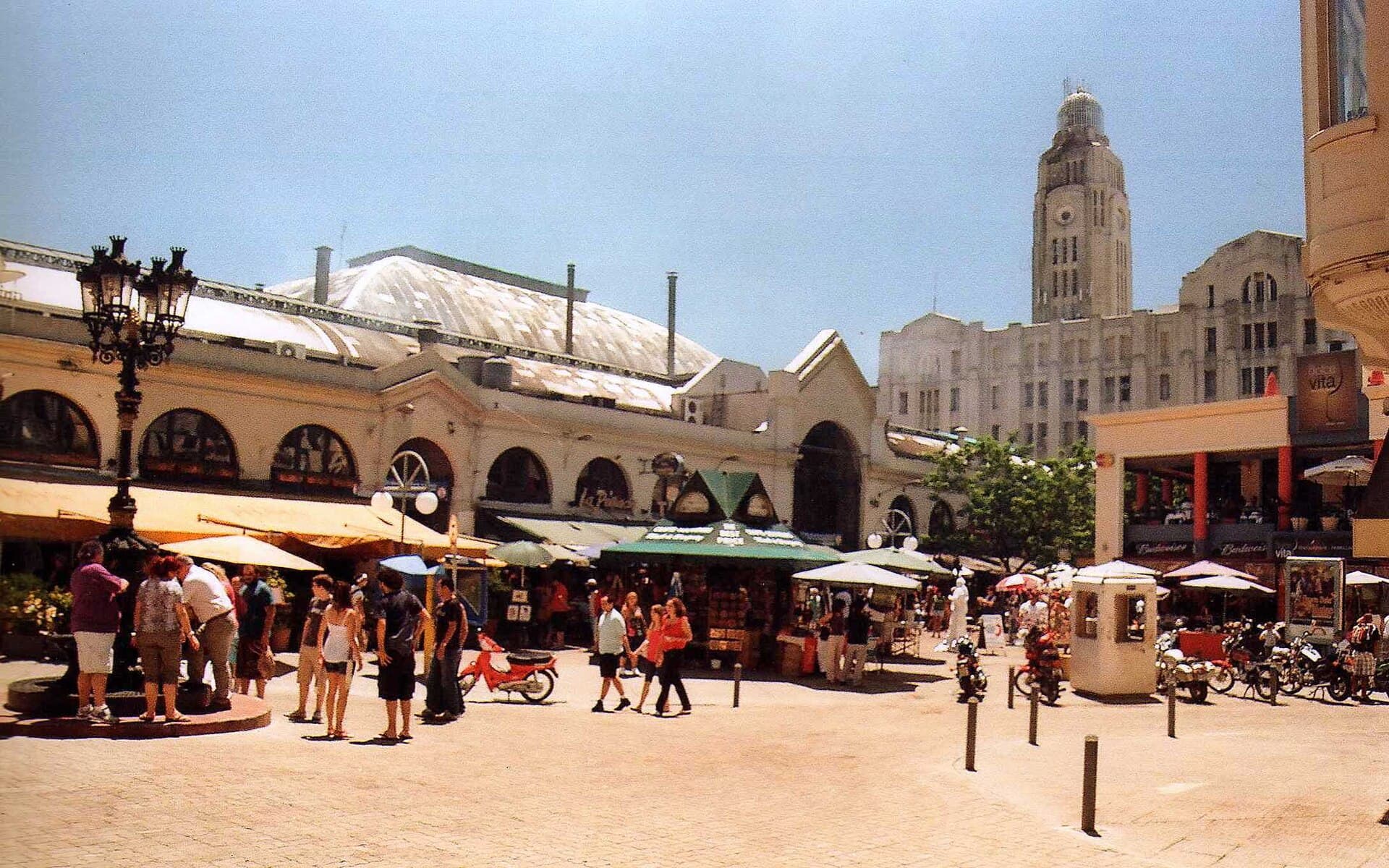 Mercado del PuertoA historic building opposite Montevideo's port, opened in 1868 as a city market,1 minute walk
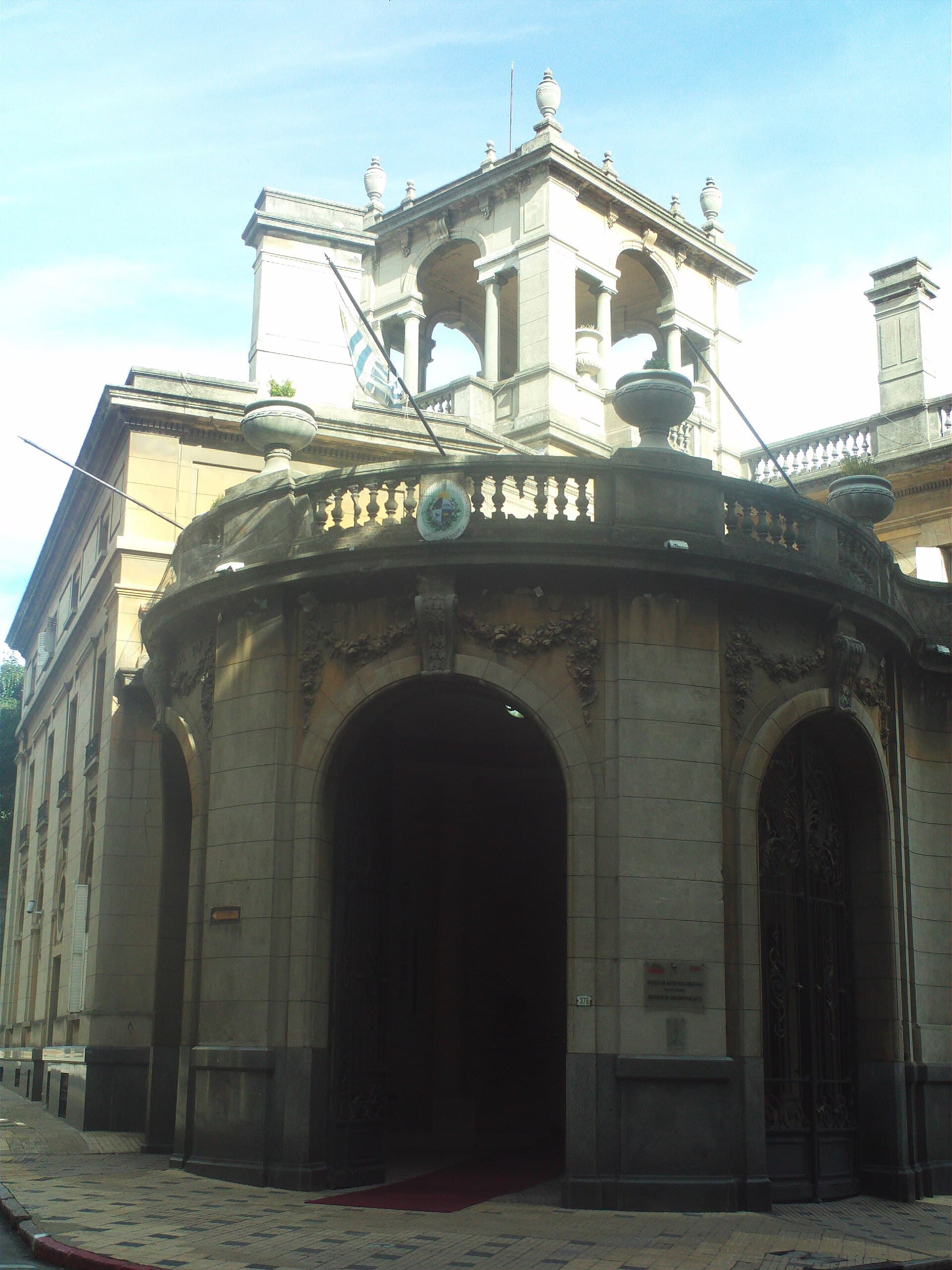 Palacio Taranco (Museum of Decorative Arts)An elegant French-style palace in the old town, built between 1908 and 1910 for 5 minutes walk4.8
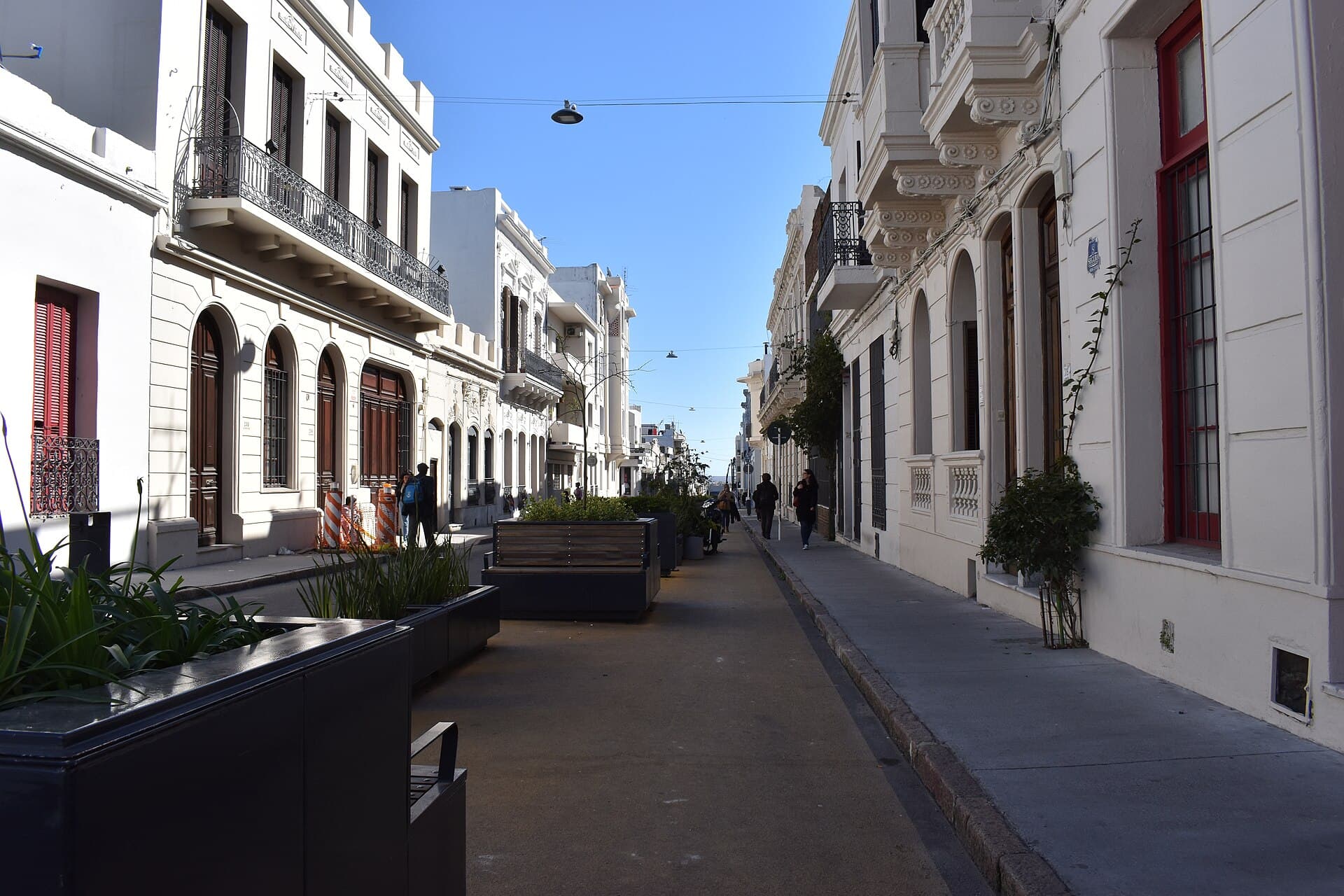 Ciudad Vieja (Old Town)Montevideo's oldest district, on a small peninsula between the bay and the wide 8 minutes walk
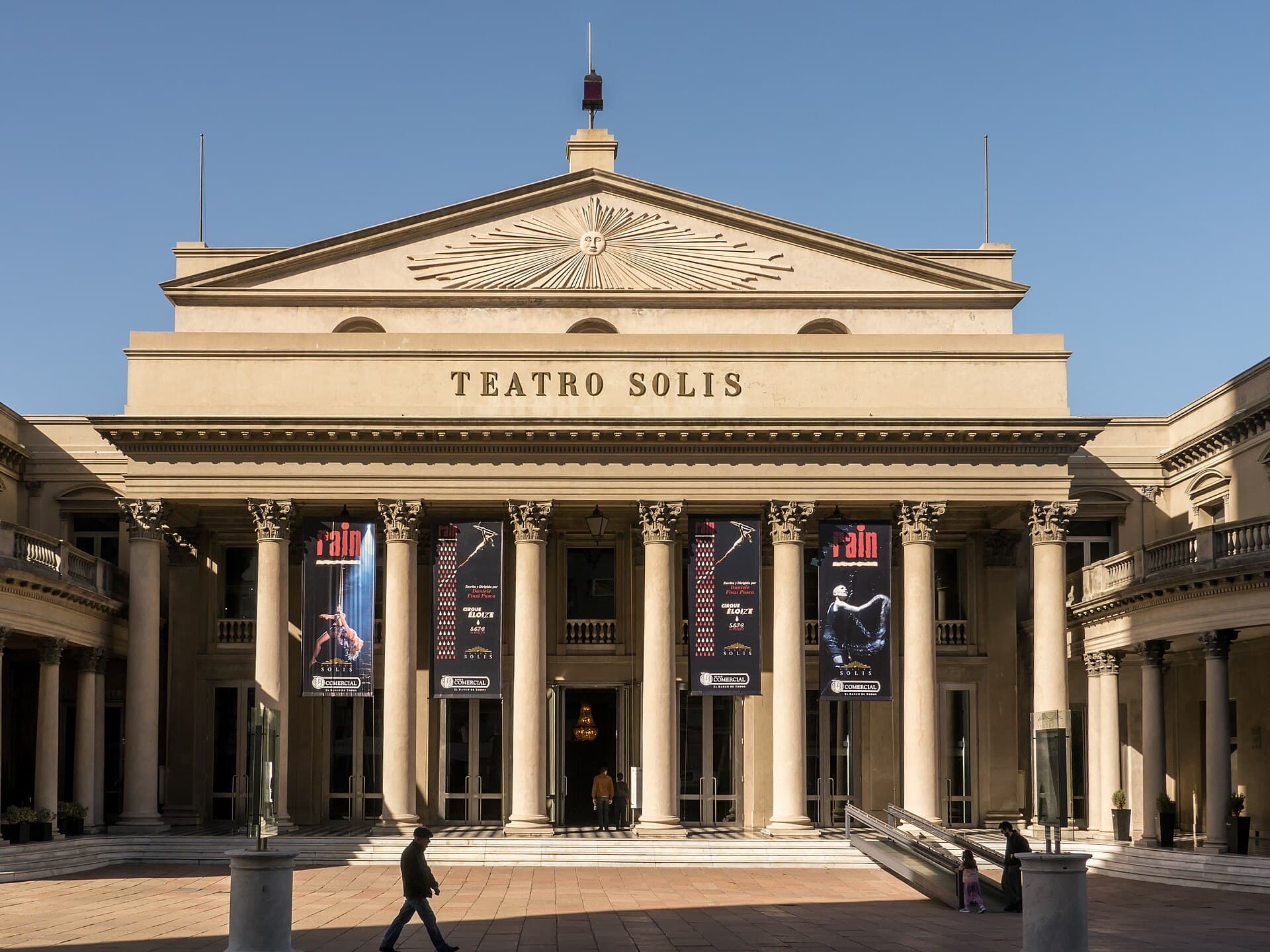 Teatro SolísUruguay's leading theatre and one of South America's oldest, opened in 1856, wit13 minutes walk4.7
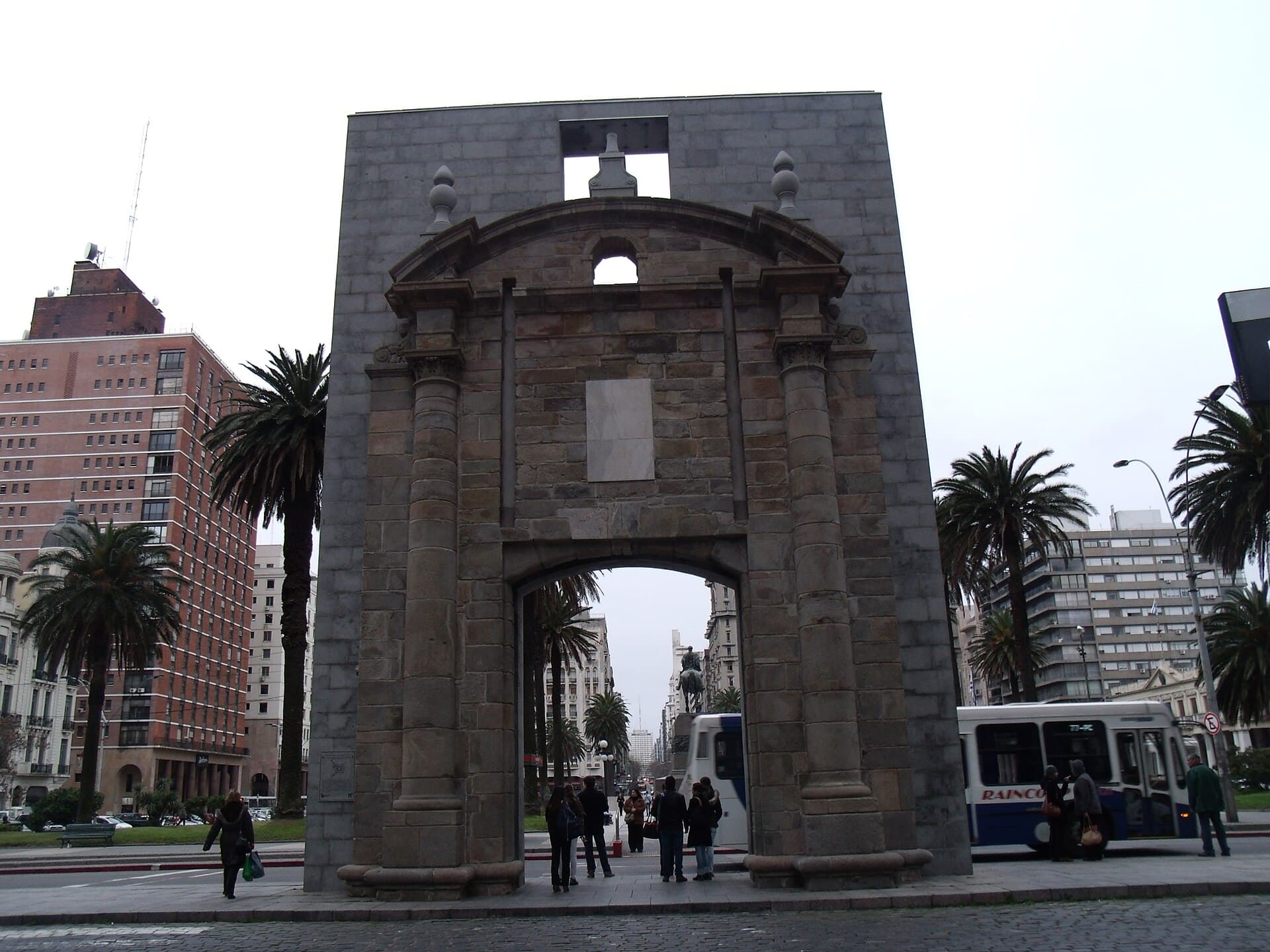 Puerta de la CiudadelaA massive stone gateway, the last surviving piece of the Spanish citadel that gu13 minutes walk4.5
Yes, it explains the festivities through costumes and pictures.
The nearby Mercado del Puerto.