
The Iberian civilisation
Sculpture and inscriptions from eastern Spain's pre-Roman culture, the museum's strong point.
Joanbanjo — CC BY-SA 3.0 · Dorieo — CC BY-SA 4.0 · Photograph by Mike Peel (www.mikepeel.net). — CC BY-SA 4.0 · Photograph by Mike Peel (www.mikepeel.net). — CC BY-SA 4.0
A museum covering the history of the Valencia region from the Stone Age through the Roman and Visigothic periods, occupying part of the Centre Cultural La Beneficència, a nineteenth-century building that was an orphanage before its conversion. The collection is strongest in the Iberian section: sculpture, inscriptions and objects from the Iberian civilisation that preceded the Romans in eastern Spain, a culture not displayed with this focus in many museums. The Roman section holds material from sites across the province. The display is modern and clearly organised, with interpretation in several languages, which makes it easy to follow for non-Spanish speakers, unlike some other provincial museums. The Valencian Museum of Ethnology occupies the same building, a separate institution with a different collection. The two can be taken in on one stop if you have the time.
Sculpture and inscriptions from eastern Spain's pre-Roman culture, the museum's strong point.
Easier to follow for non-Spanish speakers than other provincial museums.
The Ethnology Museum is in the same building on a separate ticket — both in one stop.
Centre Cultural La Beneficència, Carrer Corona, Valencia
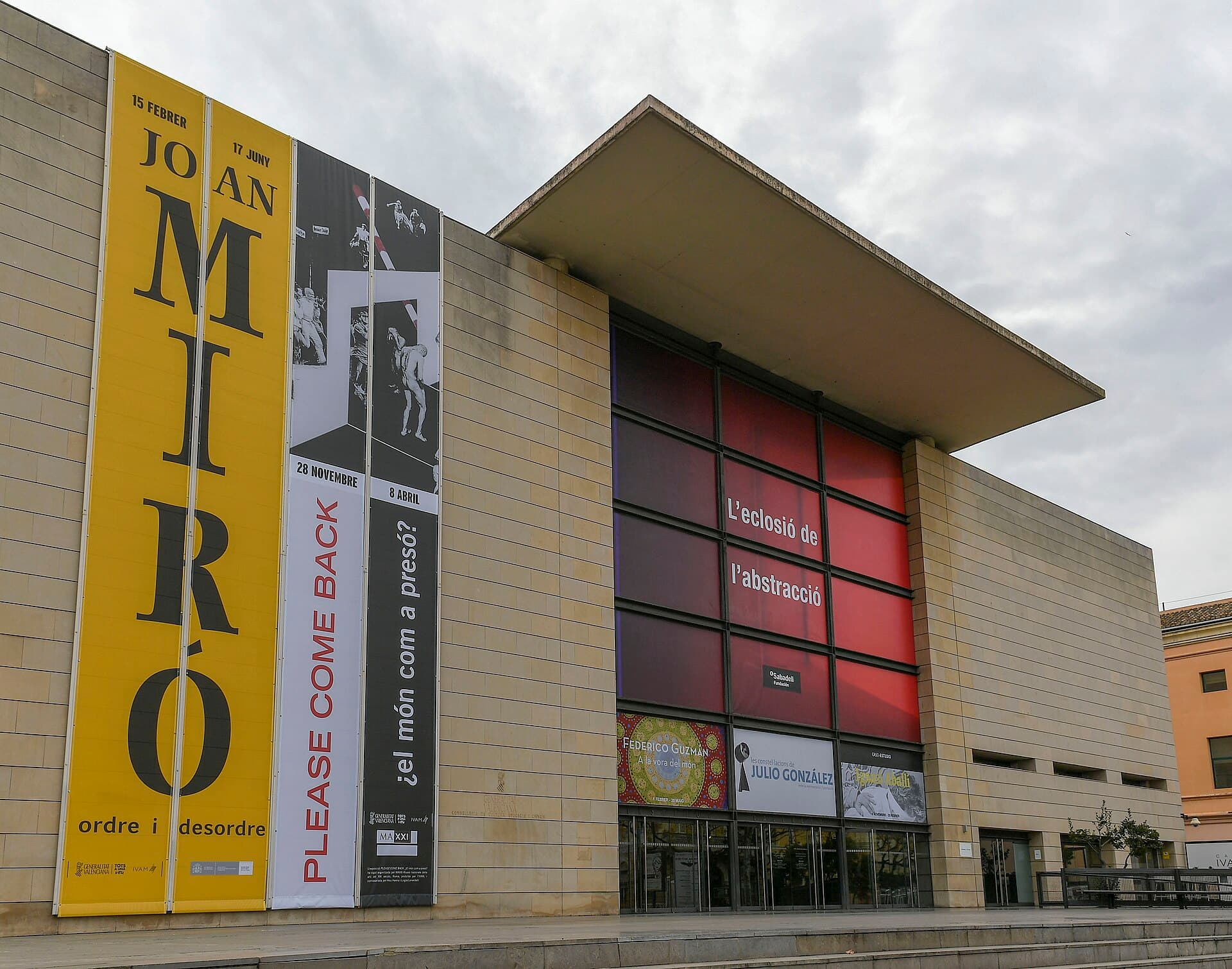 IVAM, Valencian Institute of Modern ArtValencia's museum of modern and contemporary art, opened in 1989 and among the f2 minutes walk4.3
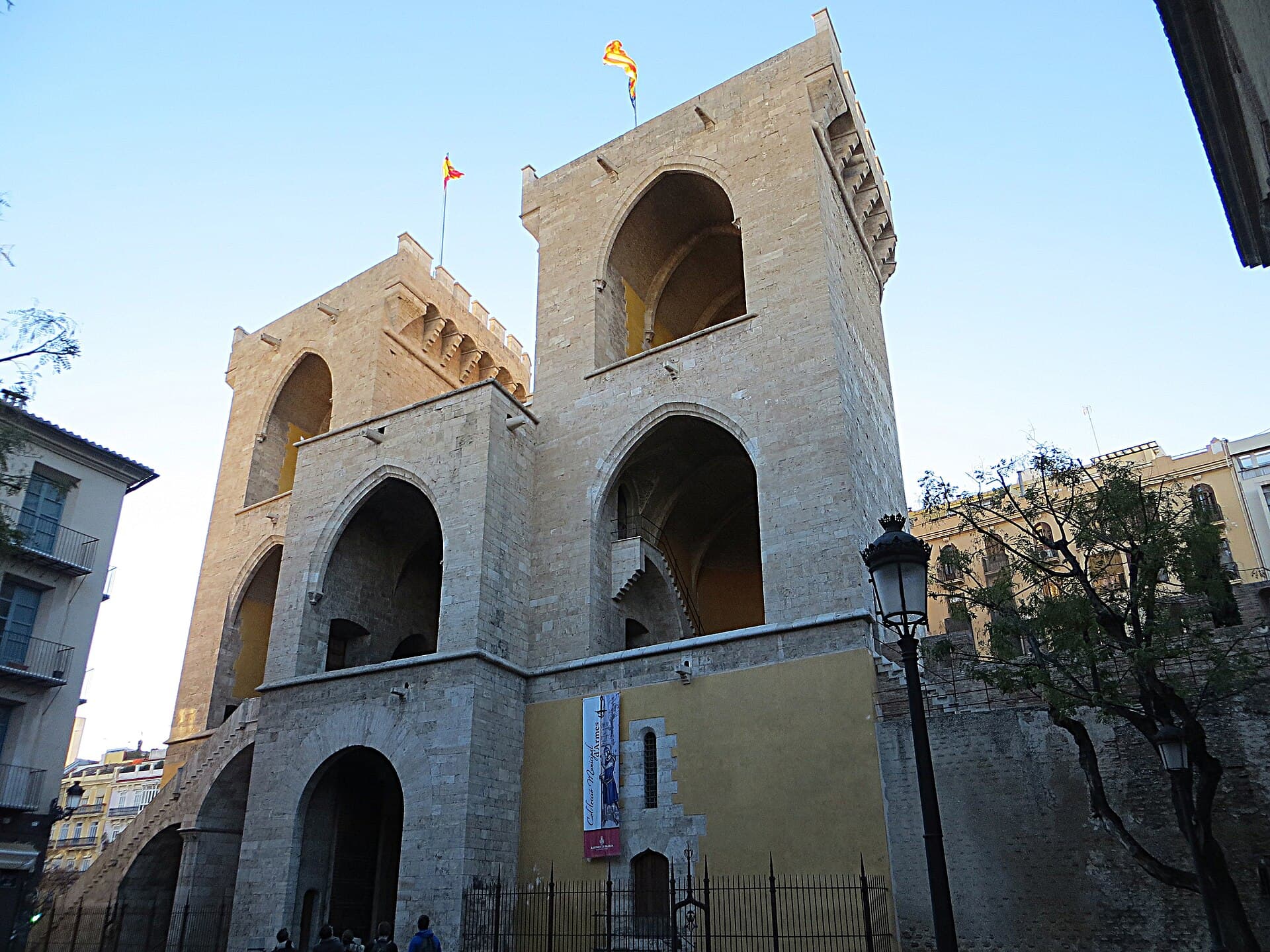 Torres de QuartThe Quart Towers are Valencia's sterner western twins: the fifteenth-century gat4 minutes walk4.5
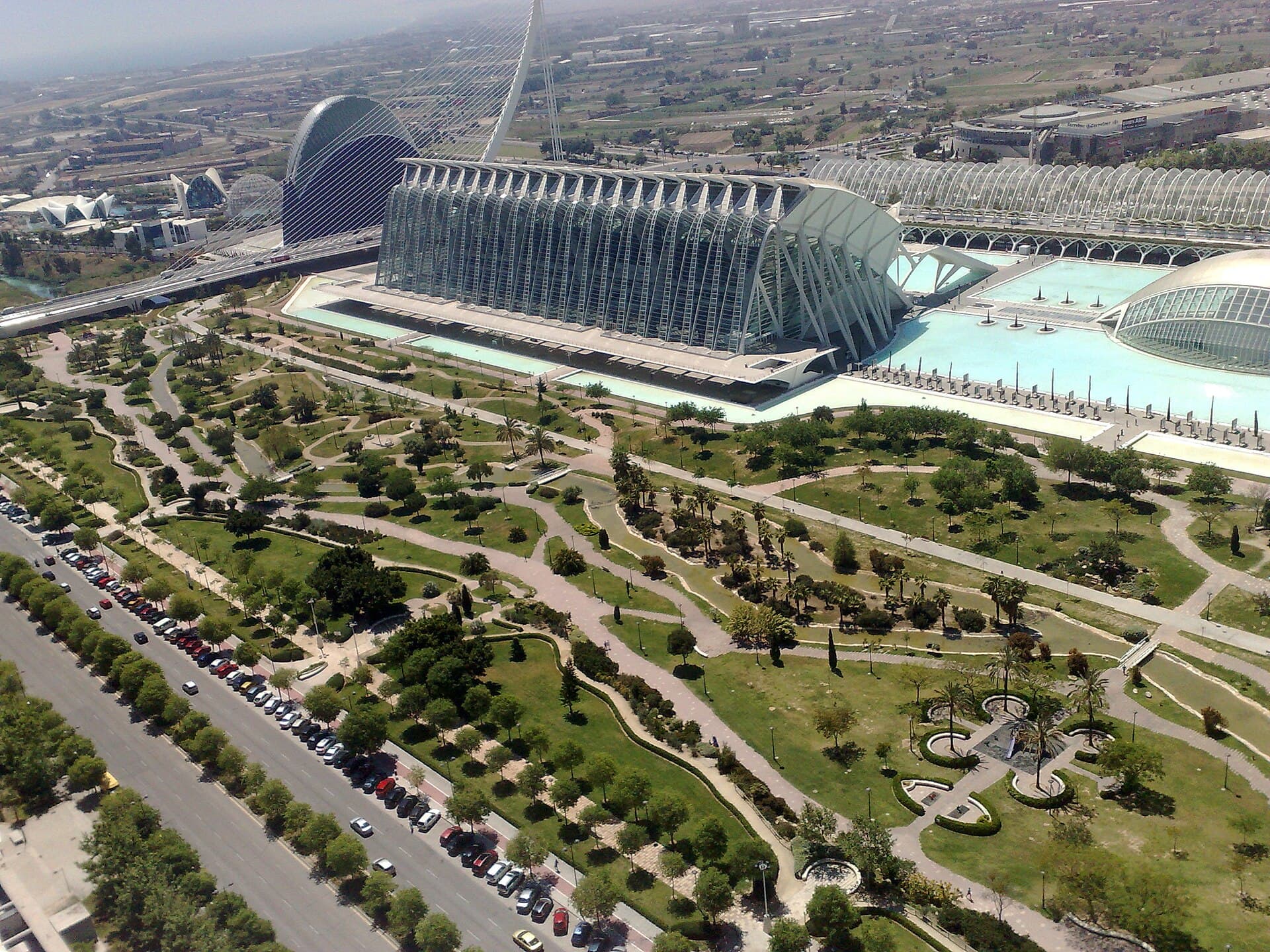 Turia GardensThe Turia Gardens are the smartest urban decision a Spanish city ever took: afte4 minutes walk4.7
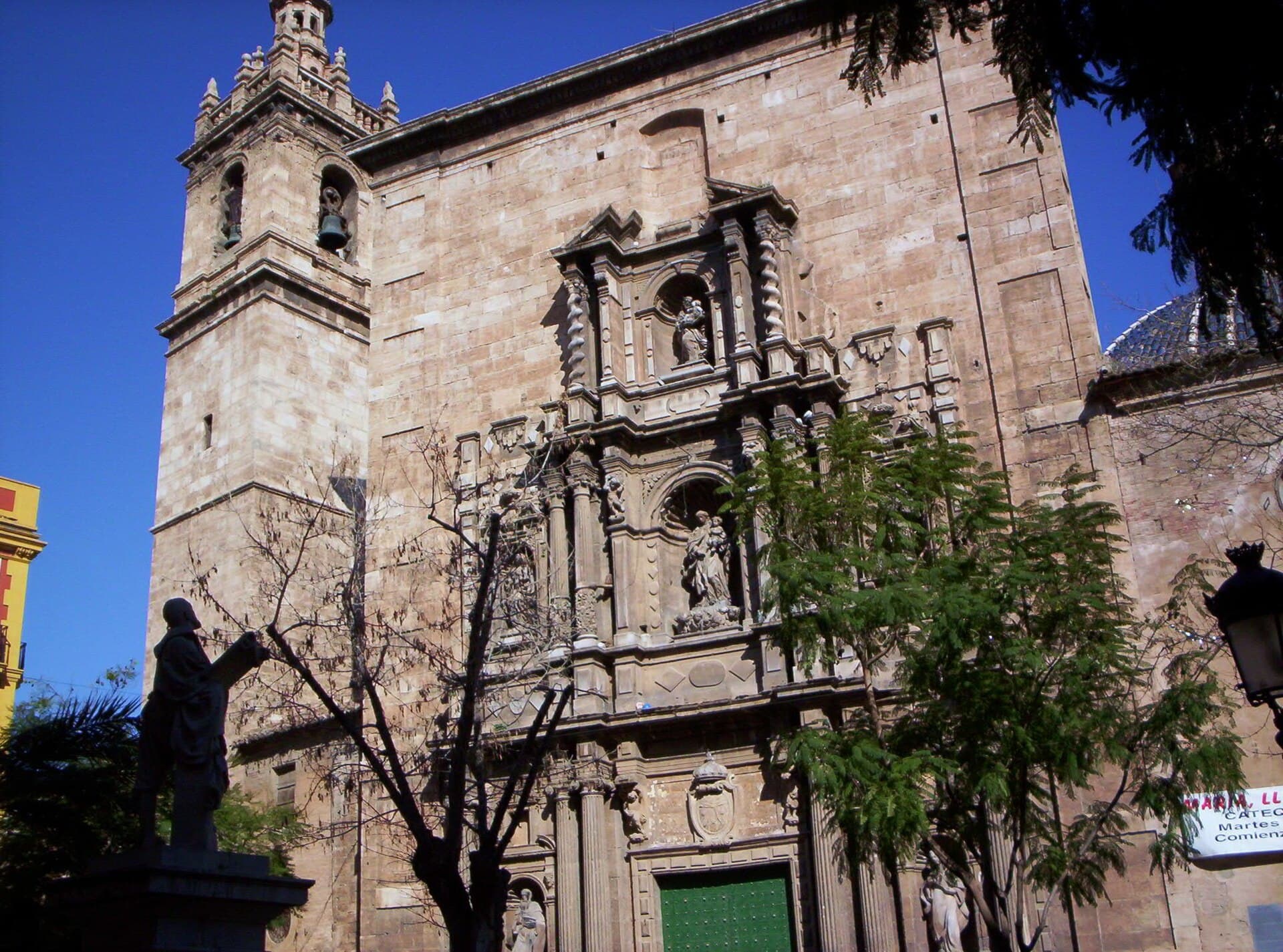 Centre del Carme Cultural CentreA contemporary arts centre in the former Carmelite convent, a religious complex 5 minutes walk4.7
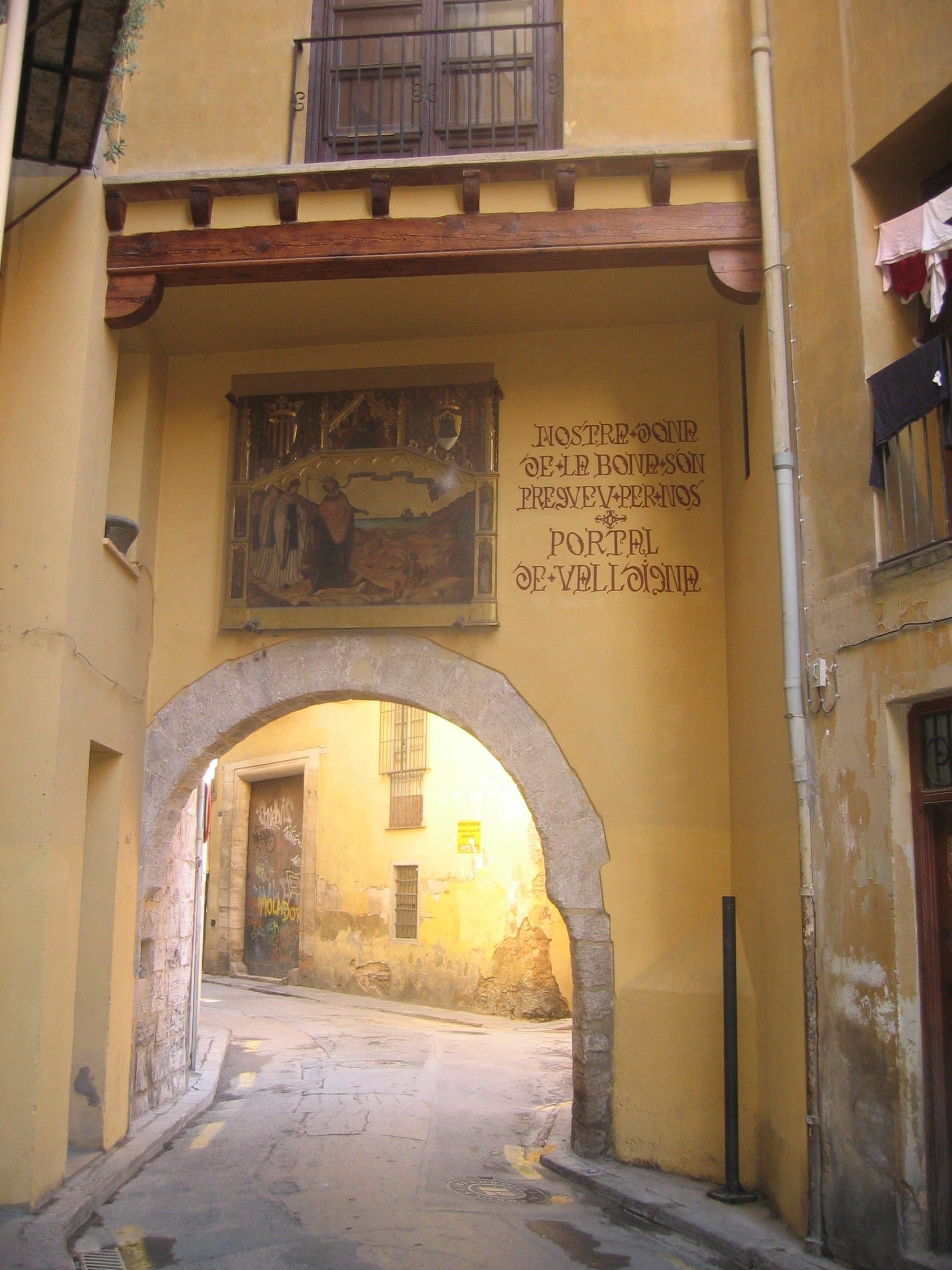 Portal de la ValldignaA stone arch on Calle Caballeros, what remains of the gate that separated the Ch5 minutes walk4.4
The early sections on the Stone Age and its tools usually appeal, and the display is modern and visual. But the museum is educational in character with limited interactivity, so very young children may lose interest.
Much smaller and narrower: this is provincial and focused on eastern Spain, while the national museum in Madrid covers the whole peninsula. But the Iberian section here is particularly strong, because this region was itself a centre of that civilisation.