
The trace of a division
The line on which Valencia's Muslims remained after the city changed hands, not simply an old arch.
Carquinyol from Badalona, Catalunya — CC BY-SA 2.0 · Juan Emilio Prades Bel — CC BY 4.0 · Juan Emilio Prades Bel — CC BY 4.0 · Joanbanjo — CC BY-SA 4.0
A stone arch on Calle Caballeros, what remains of the gate that separated the Christian city from the Muslim quarter of Valencia after the conquest of 1238. It was opened through the old Islamic wall to connect the two sides, which makes it a marker of a boundary rather than a fortification. That is what earns it a stop despite its plainness: you are looking at the physical trace of a social division, the line on which Valencia's Muslims remained after the city changed hands. The name comes from the monastery of Valldigna, which owned a building nearby. What stands today is a single arch between modern buildings, restored several times. There is no entrance and no ticket, and passing beneath it takes minutes within a walk of the Carmen quarter. The district around it is among the liveliest in Valencia after dark, and the gate is a customary meeting point within it.
The line on which Valencia's Muslims remained after the city changed hands, not simply an old arch.
Not built as a defensive gate but opened through the standing Islamic wall to link the two sides.
A short pause in the Carmen quarter rather than a destination.
Calle Caballeros, Carmen quarter, Valencia
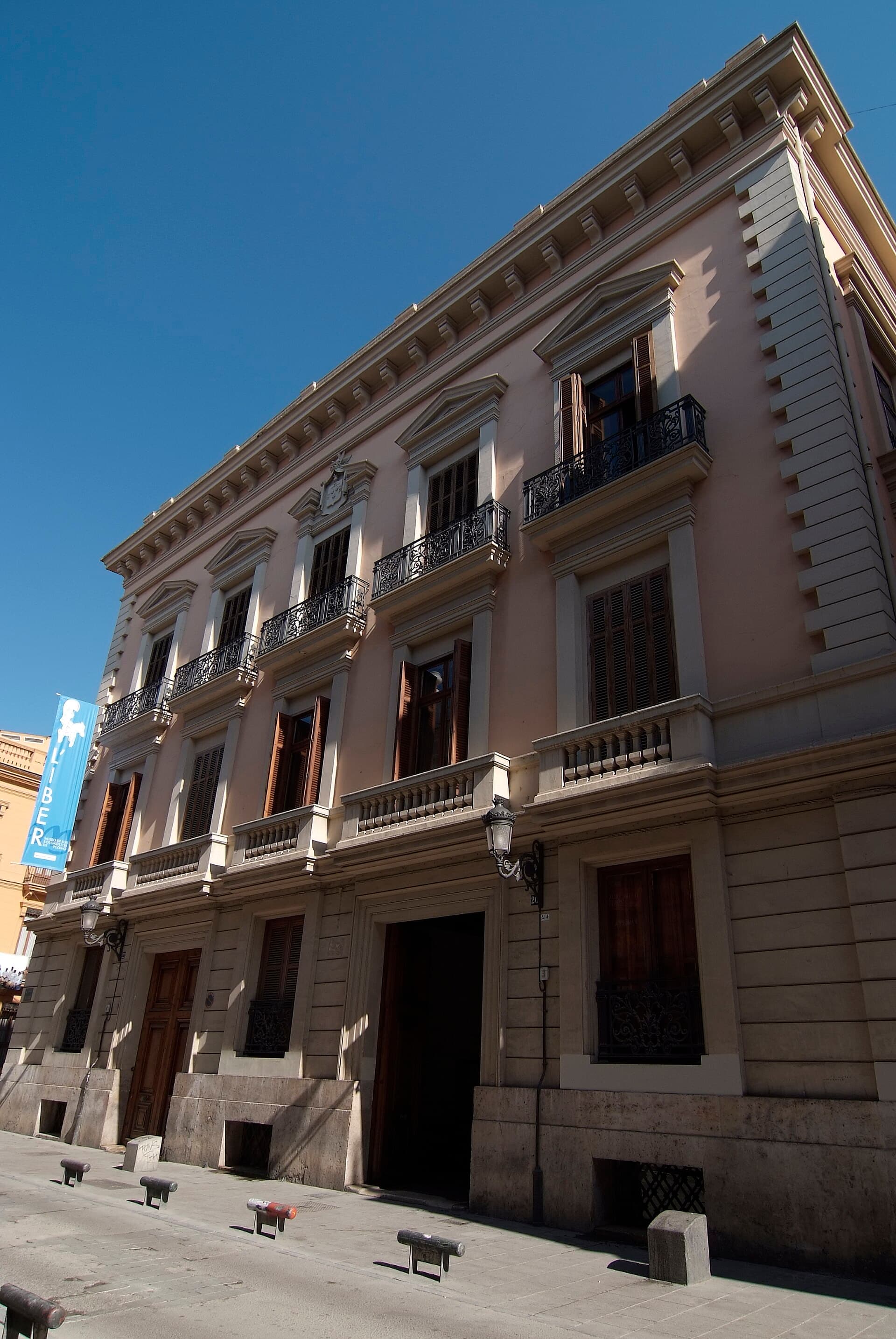 L'Iber Toy Soldier MuseumA museum of toy soldiers and military miniatures in the Palacio de Malferit in t1 minute walk4.6
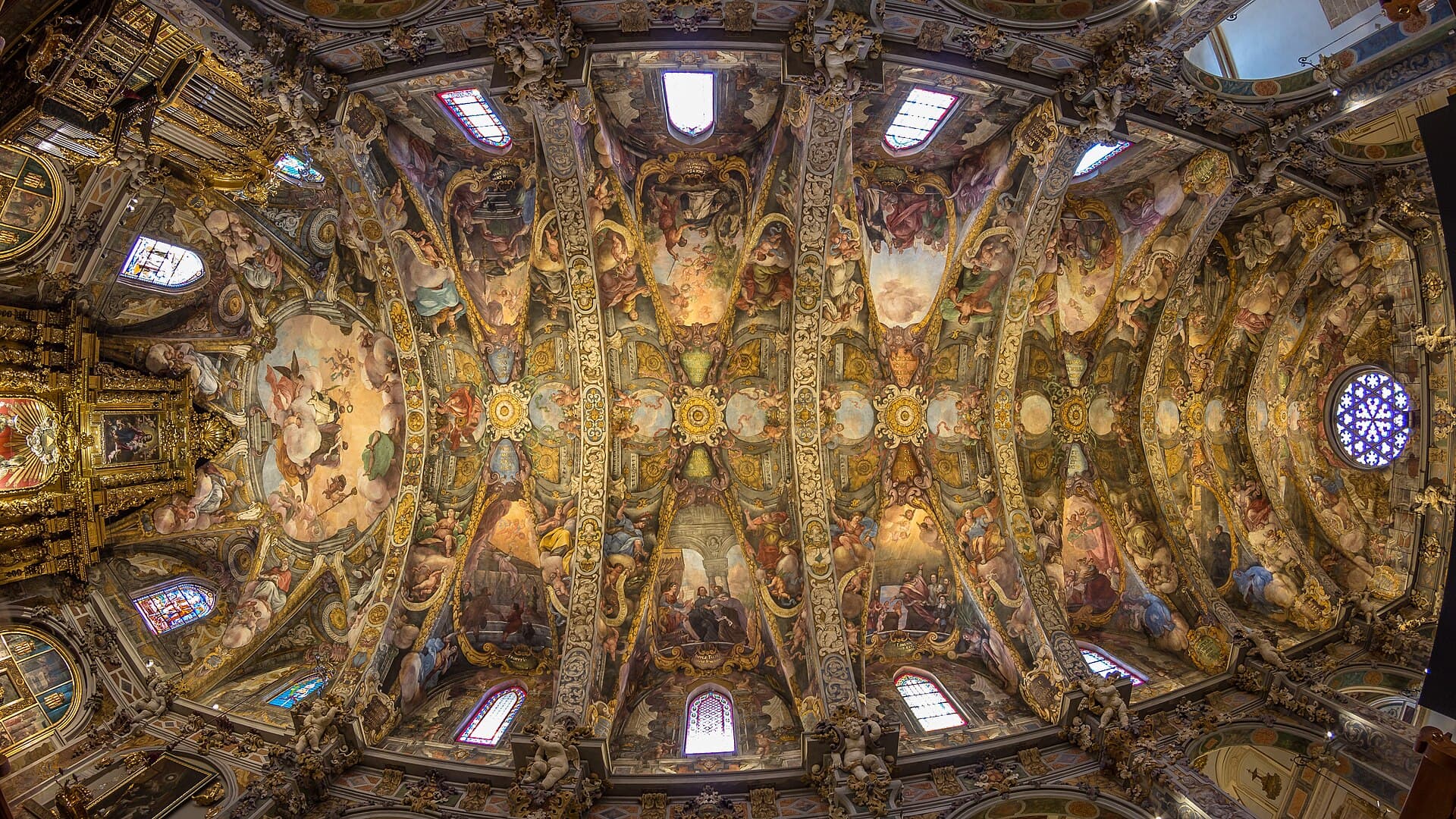 Church of San NicolásA church in the old centre of Valencia known locally as the Valencian Sistine Ch2 minutes walk4.8
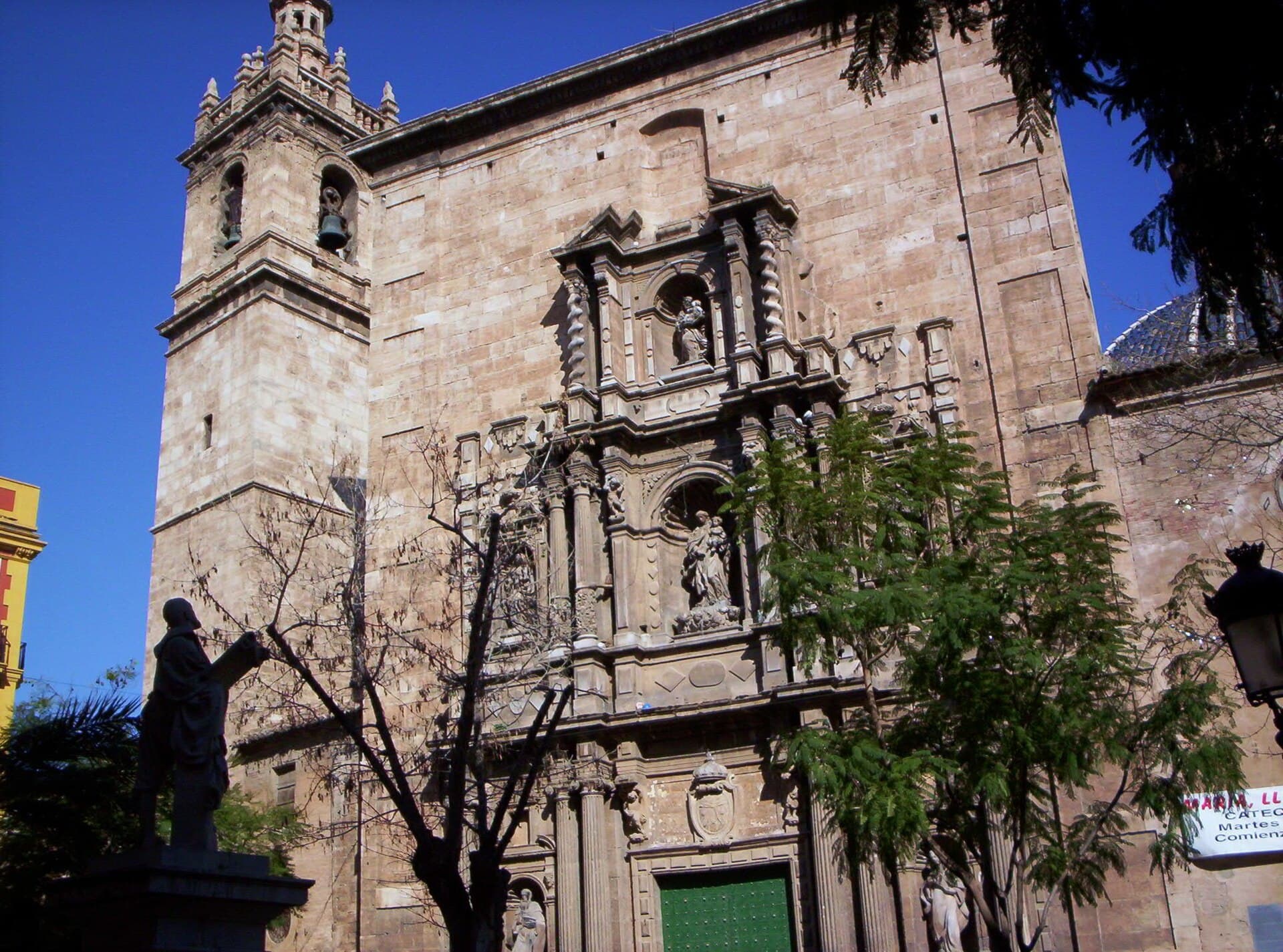 Centre del Carme Cultural CentreA contemporary arts centre in the former Carmelite convent, a religious complex 3 minutes walk4.7
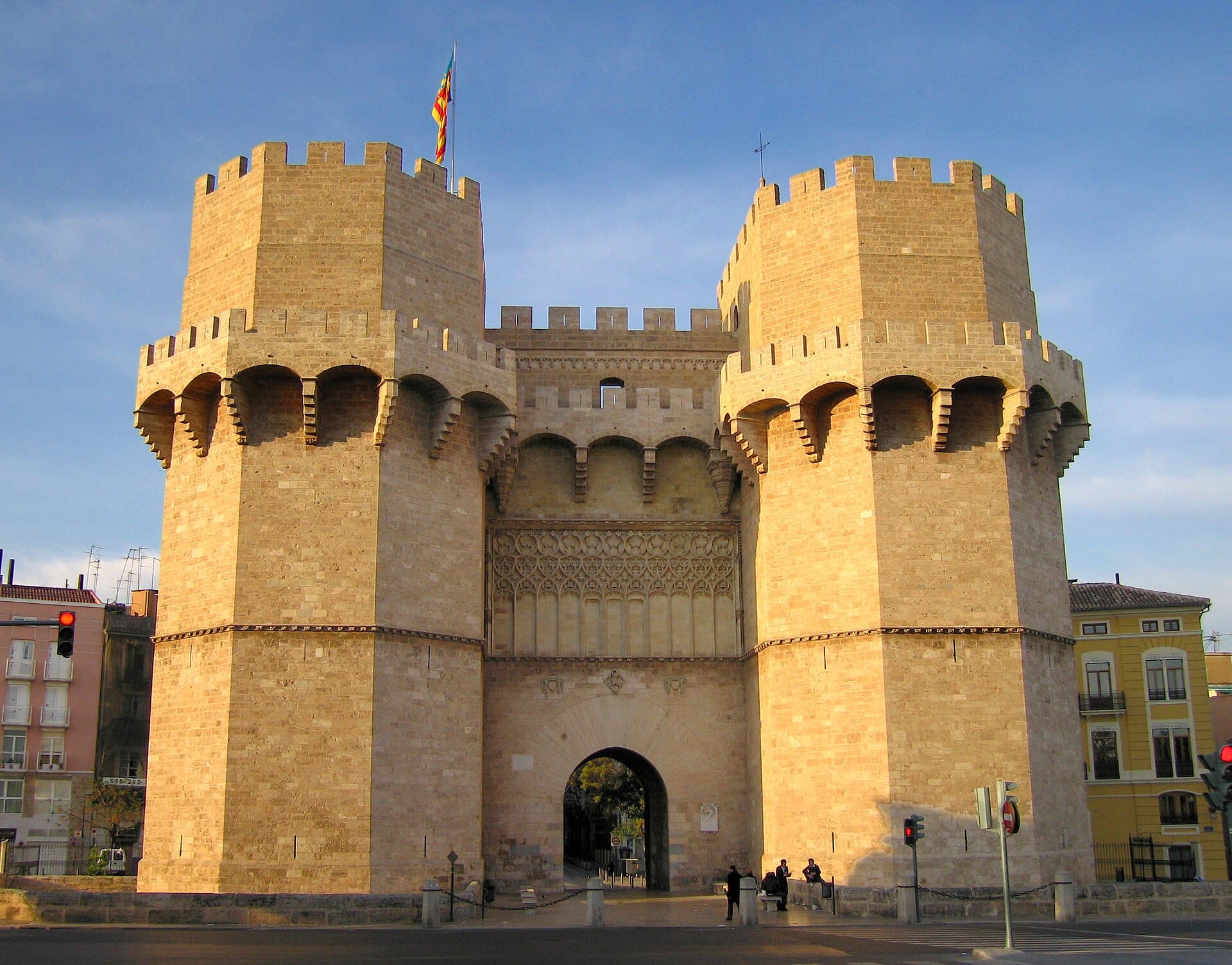 Torres de SerranosThe Serranos Towers have been Valencia's gate of honour since 1398: Europe's mig4 minutes walk4.7
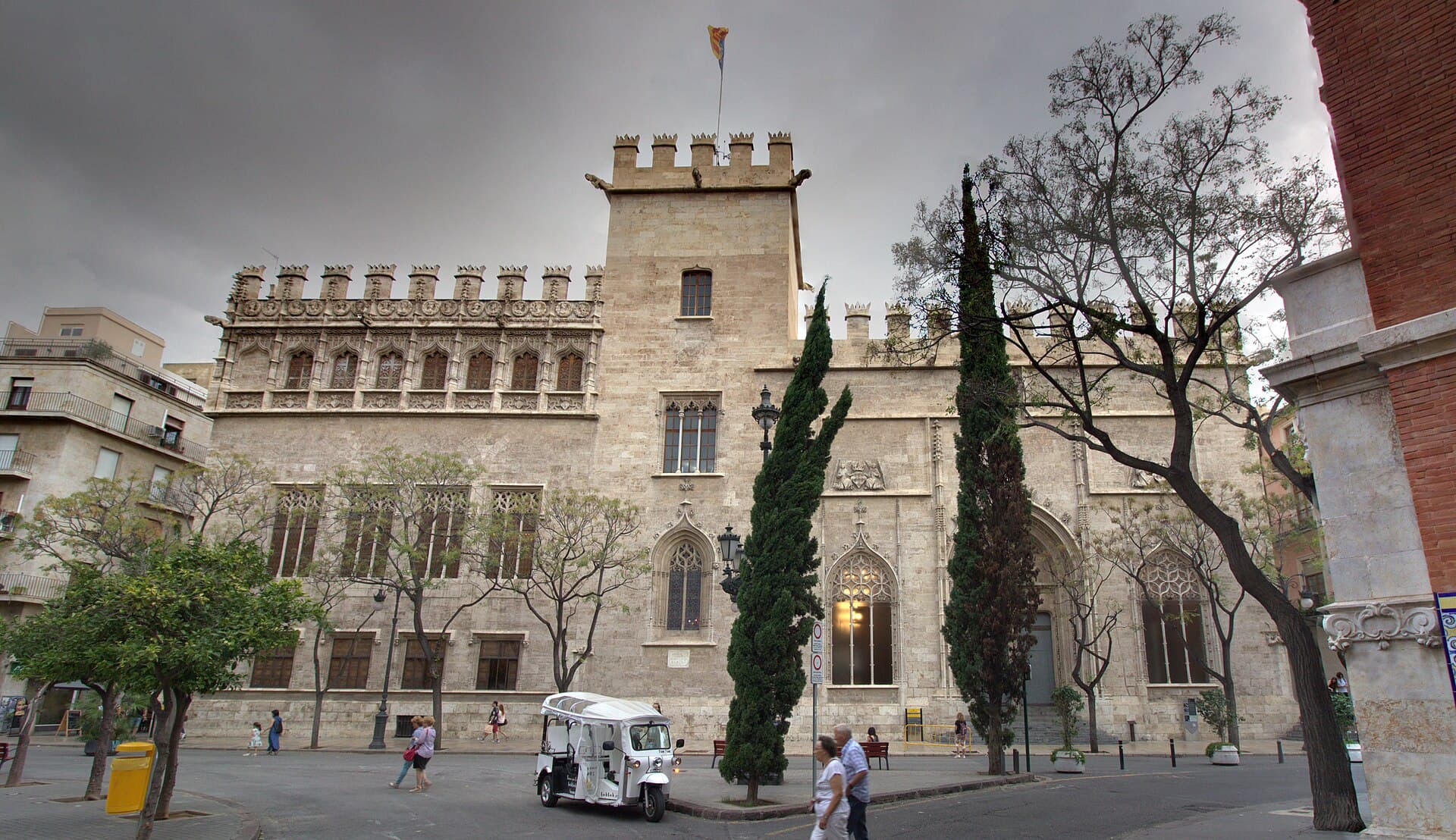 La Lonja de la SedaThe Silk Lonja is Valencia's UNESCO jewel: the merchants' exchange of the fiftee4 minutes walk4.7
After the city was taken in 1238, part of its Muslim population remained and was permitted to live in a defined quarter beyond this gate, as happened in other Andalusi cities. The gate is what physically survives of that arrangement.
Not a great deal. The gate is a single arch between modern buildings and the visit is minutes. Its value is in the context rather than the scale, which is why it pairs with the Torres de Quart and Torres de Serranos, which complete the picture of the city walls.