
Ming and Qing ceramics
A strong Chinese collection assembled by an eye doctor and left to the state.
Juntas — CC BY-SA 3.0 · Panegyrics of Granovetter from Toronto, Ontario, Canada — CC BY-SA 4.0 · Metro Centric — CC BY 2.0 · Metro Centric — CC BY 2.0
A house museum in an early twentieth-century villa on Avenida 5 de Outubro, whose collection was assembled by an eye doctor, Anastácio Gonçalves, and left to the state on his death. The building alone justifies the visit: it was built in 1904 for the painter José Malhoa as a house and studio, in Art Nouveau style with large studio windows. It is among the clearest surviving examples of that period in Lisbon. The collection is selective in the good sense: Chinese ceramics of the Ming and Qing periods, Portuguese and English furniture of the seventeenth and eighteenth centuries, and nineteenth-century Portuguese painting including works by Malhoa himself, whose house it was. So the place shows its painter and its collector together. The museum is small, quiet and rarely crowded, and the visit runs under an hour. The location sits slightly off the usual tourist route but directly on a metro station, and it makes a good quiet morning away from the crush of the centre.
A strong Chinese collection assembled by an eye doctor and left to the state.
It shows Malhoa's paintings in the house that was built for him.
Among the clearest examples of the period left in Lisbon, with large studio windows.
Avenida 5 de Outubro, Lisbon
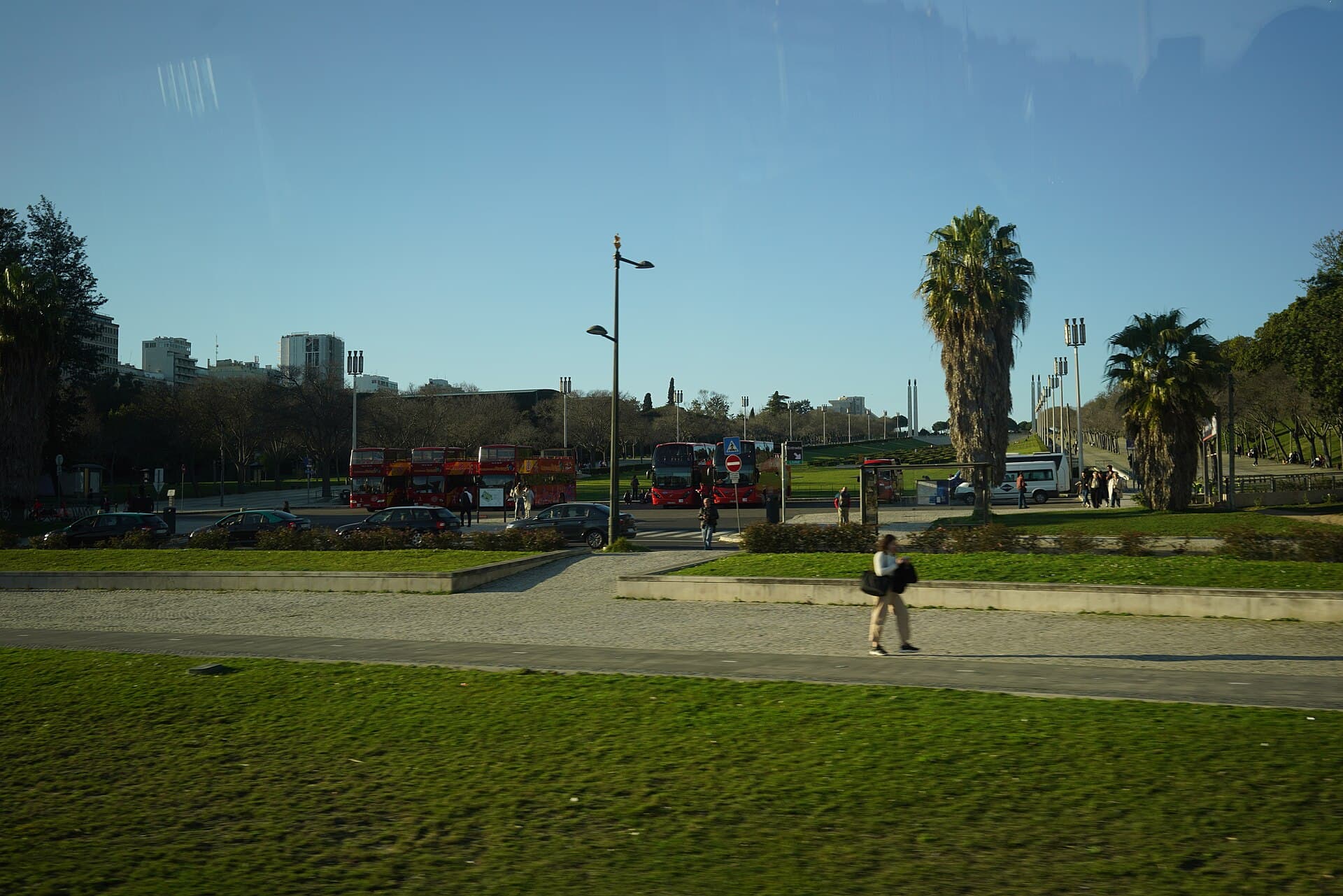 Parque Eduardo VIIThe largest park in central Lisbon, running uphill from the Marquês de Pombal sq9 minutes walk4.5
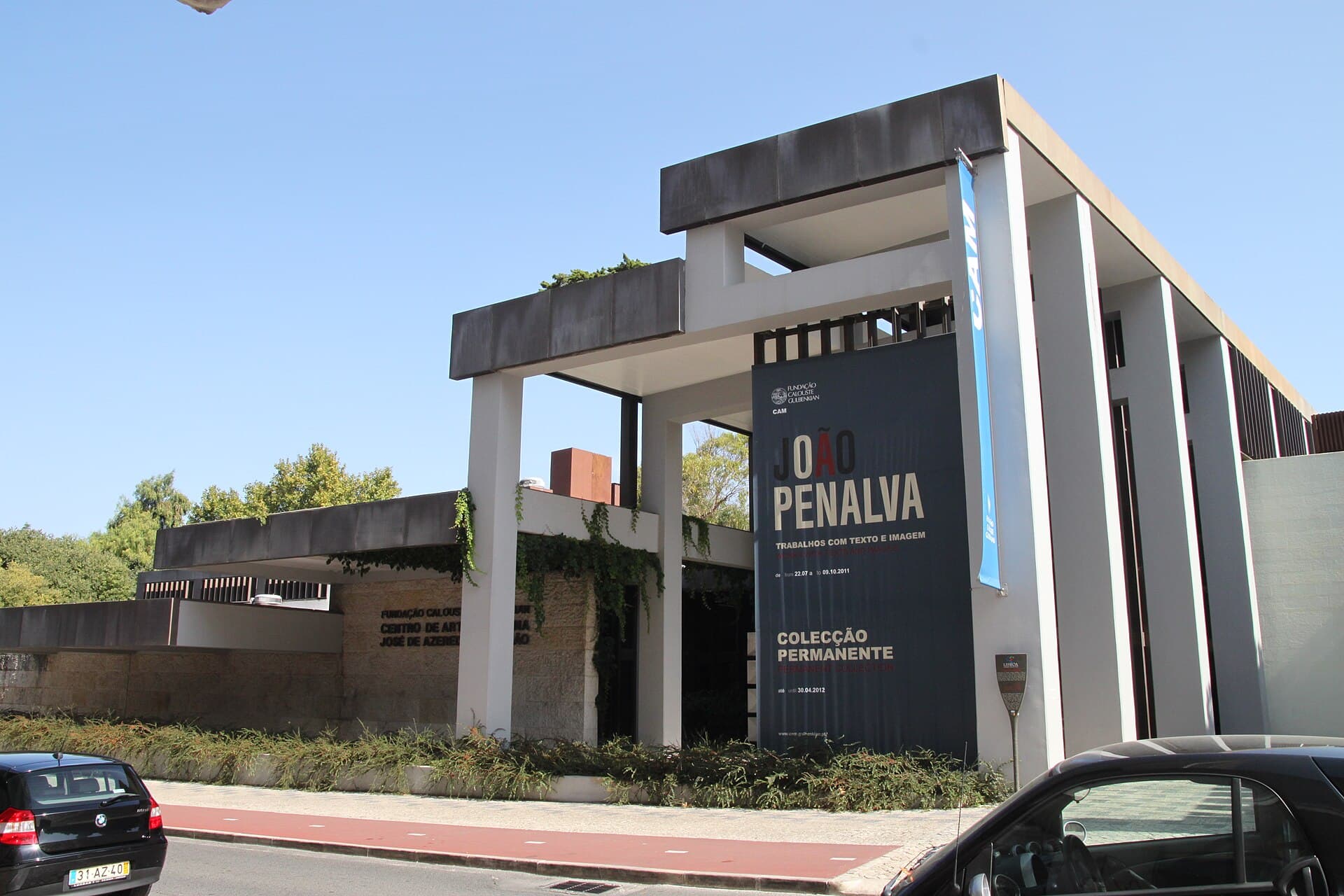 Gulbenkian Modern Art CentreThe modern and contemporary art centre of the Calouste Gulbenkian Foundation, in9 minutes walk4.4
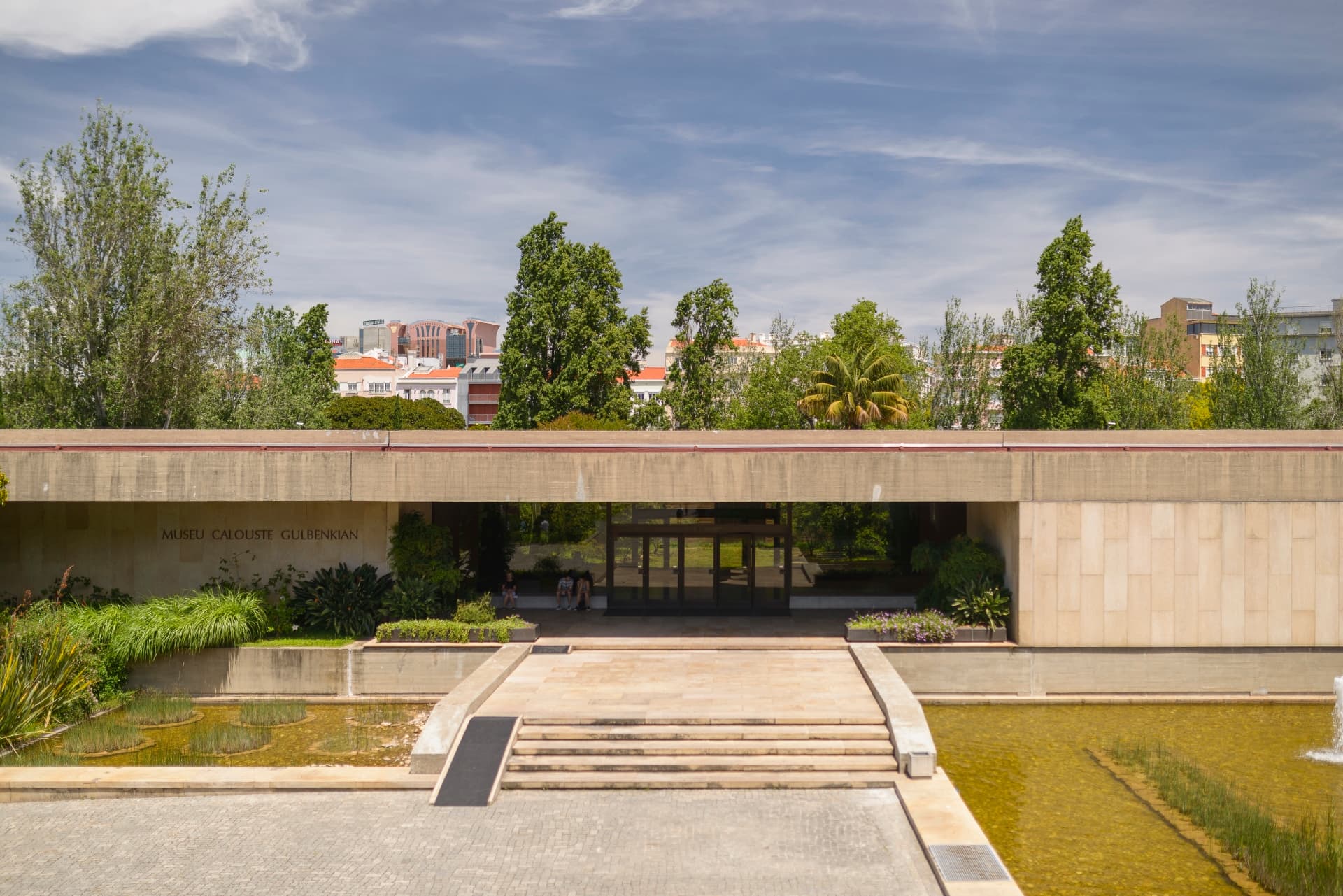 The Calouste Gulbenkian MuseumThe Gulbenkian is Europe's purest private collection: Calouste Gulbenkian — the 10 minutes walk4.8
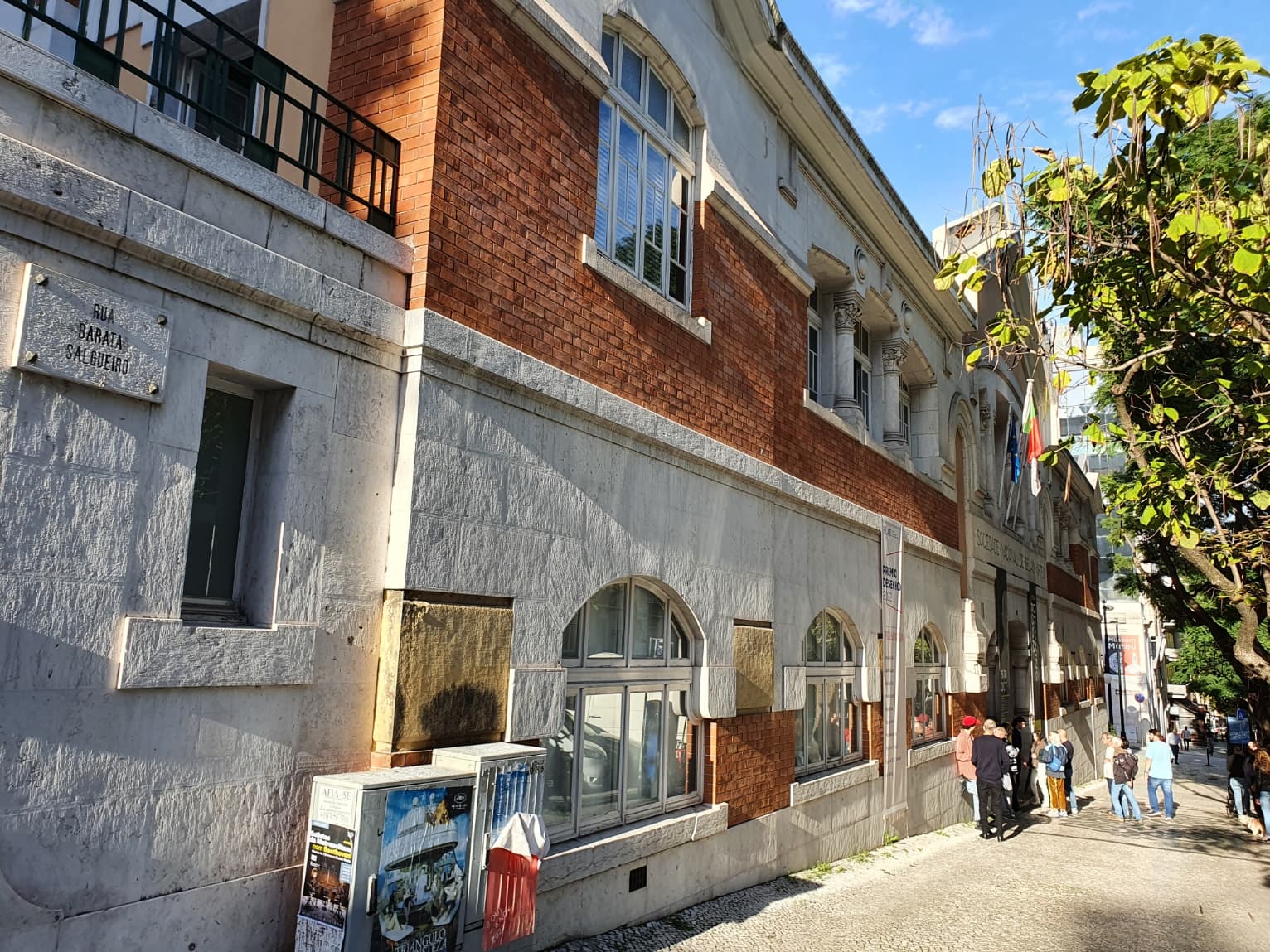 National Society of Fine ArtsAn arts institution founded in the nineteenth century and still operating, in a 16 minutes walk4.5
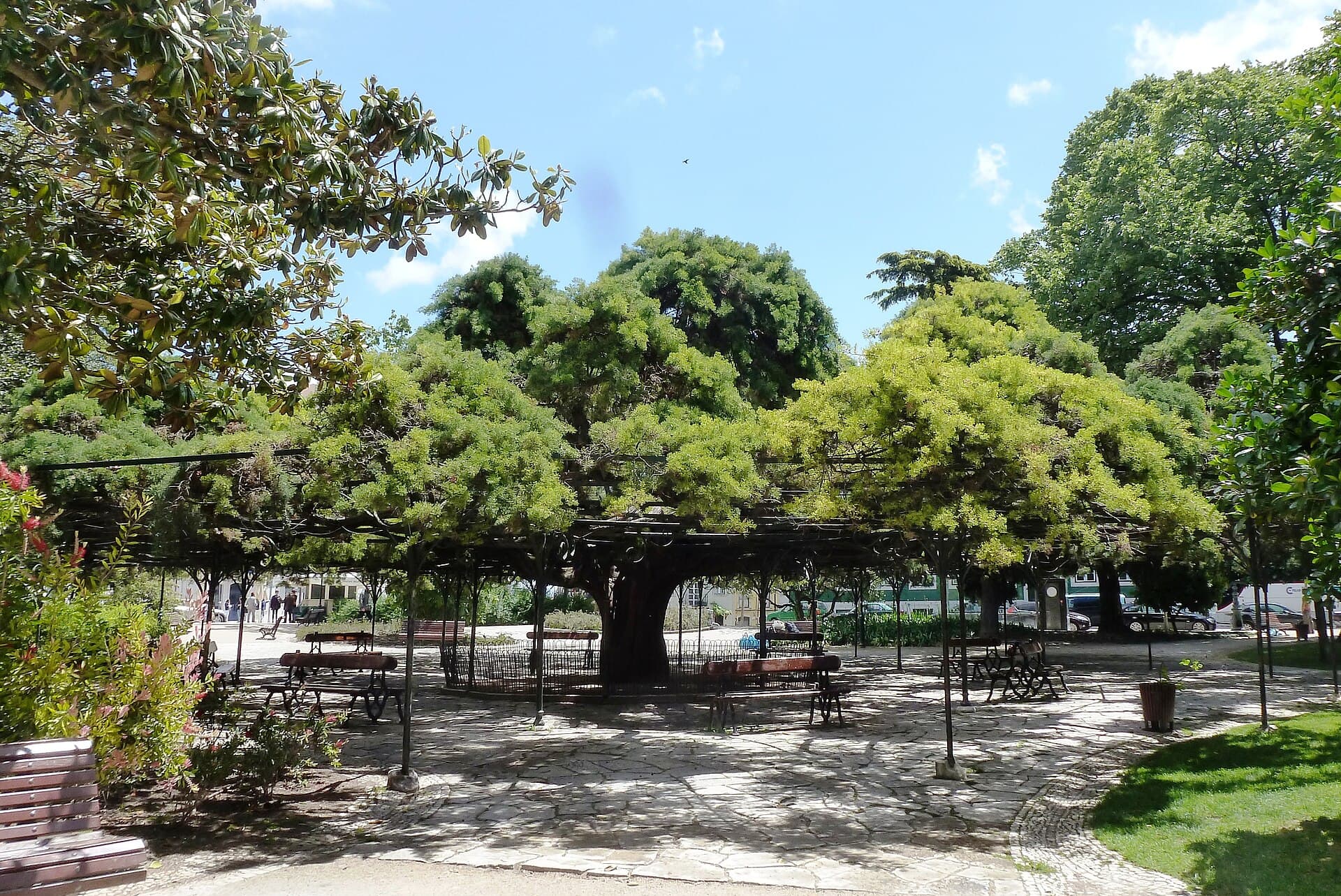 Príncipe Real GardenA square and garden in Príncipe Real, among the quietest and smartest of Lisbon'23 minutes walk4.6
Not in scale. The Gulbenkian is a vast collection needing half a day; this is a small house seen in under an hour. But they share an idea: a private collection assembled by one individual and left to the public. If you liked the Gulbenkian, this is a quiet complement to it.
By metro to a station directly on Avenida 5 de Outubro, a short ride from the centre. The area is residential and administrative rather than touristic, which is why the museum is quiet.