
The view from the top
The whole axis, the Avenida da Liberdade and the Tagus beyond — Lisbon's plan in one frame.
Ray Swi-hymn from Sijhih-Taipei, Taiwan — CC BY-SA 2.0 · Ray Swi-hymn from Sijhih-Taipei, Taiwan — CC BY-SA 2.0 · Ray Swi-hymn from Sijhih-Taipei, Taiwan — CC BY-SA 2.0 · Ray Swi-hymn from Sijhih-Taipei, Taiwan — CC BY-SA 2.0
The largest park in central Lisbon, running uphill from the Marquês de Pombal square along a wide straight axis. Its design is unusual: it is not a park of trees but a long rectangle cut through by a geometric pattern of clipped box hedging in the Portuguese manner, so the whole axis reads as a rising green carpet. From the top of the park you look back down over the entire axis, with the Avenida da Liberdade descending into the lower city behind it and the Tagus on the horizon. This is one of the clearest points from which to understand how Lisbon was planned after the 1755 earthquake. At its northwestern corner stands the Estufa Fria glasshouse, a covered botanical garden entered with a small ticket and worth going into: paths between tropical plants, pools and rock under a roof of wooden slats. The park is free and open, but the axis climbs at a real gradient, so walking it bottom to top is genuine effort in summer heat.
The whole axis, the Avenida da Liberdade and the Tagus beyond — Lisbon's plan in one frame.
Clipped box in a Portuguese geometric pattern that turns the axis into a green carpet.
A glasshouse of tropical planting and pools under wooden slats — worth the ticket.
North of the Marquês de Pombal square
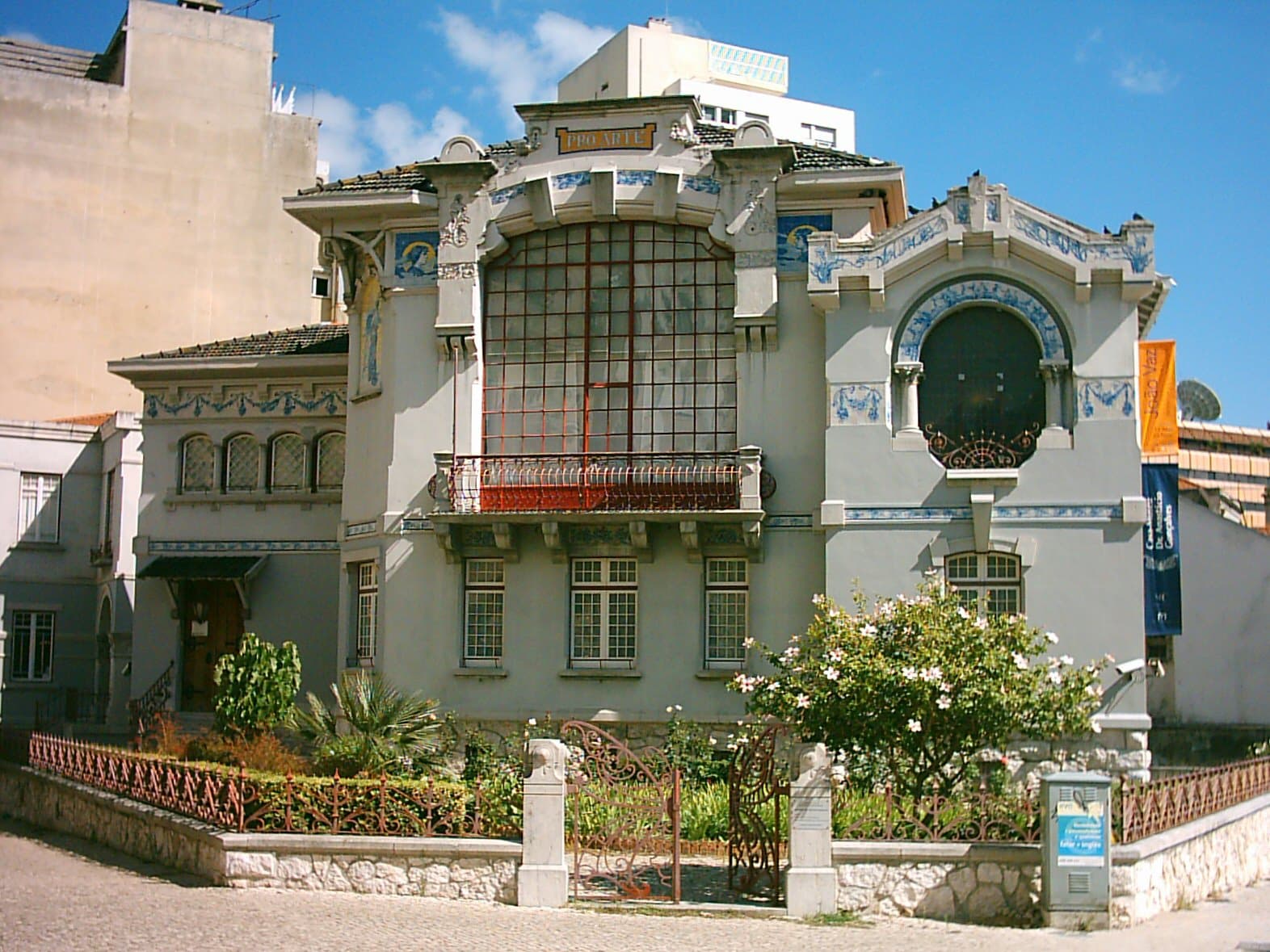 Dr. Anastácio Gonçalves House-MuseumA house museum in an early twentieth-century villa on Avenida 5 de Outubro, whos9 minutes walk4.5
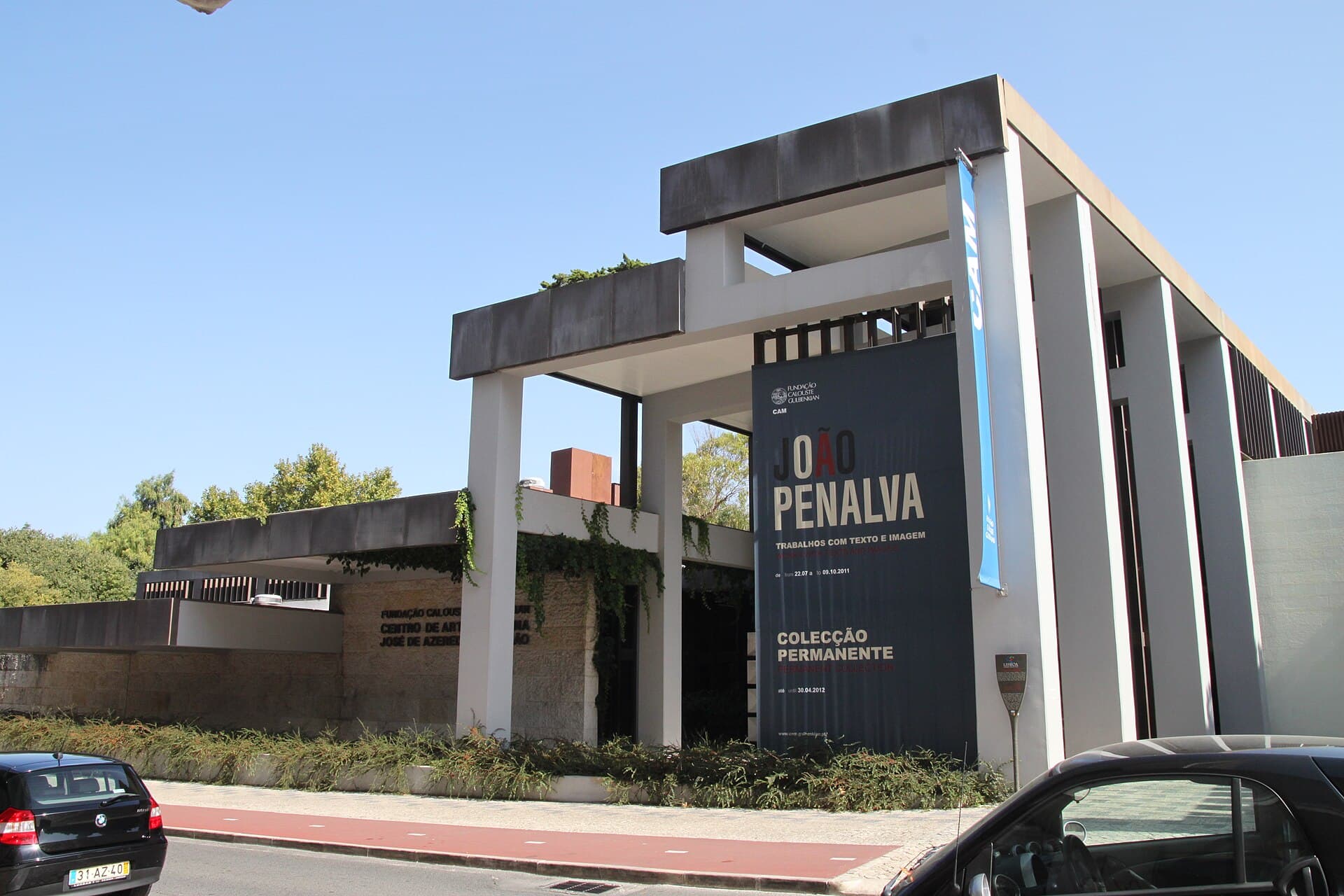 Gulbenkian Modern Art CentreThe modern and contemporary art centre of the Calouste Gulbenkian Foundation, in10 minutes walk4.4
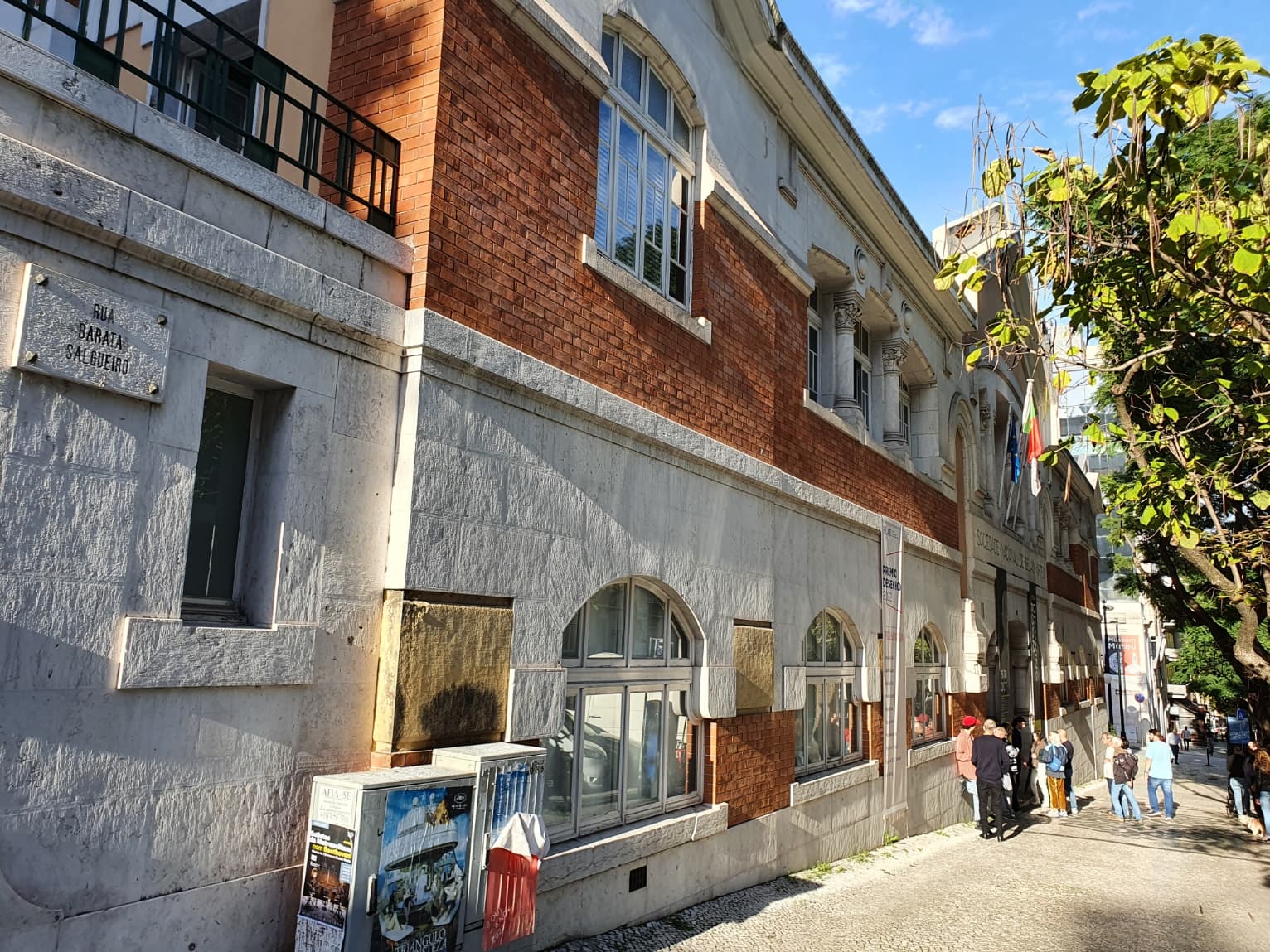 National Society of Fine ArtsAn arts institution founded in the nineteenth century and still operating, in a 11 minutes walk4.5
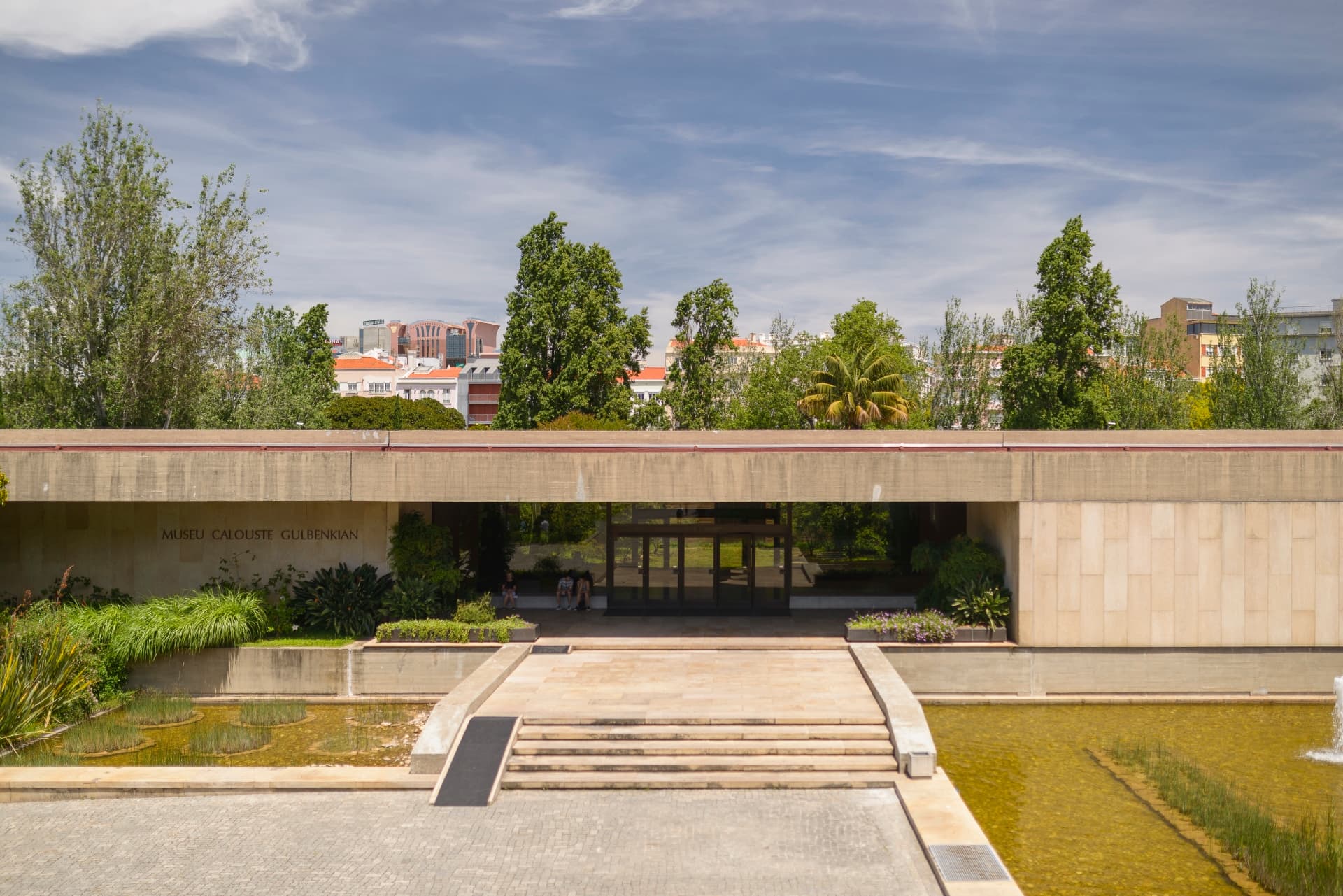 The Calouste Gulbenkian MuseumThe Gulbenkian is Europe's purest private collection: Calouste Gulbenkian — the 12 minutes walk4.8
 Príncipe Real GardenA square and garden in Príncipe Real, among the quietest and smartest of Lisbon'17 minutes walk4.6
Yes for the view from the top and for the glasshouse; not for the park itself as green space — it is more geometric than shady and does not suit long sitting. The best approach is the metro to the station at the top, then walking down towards the city.
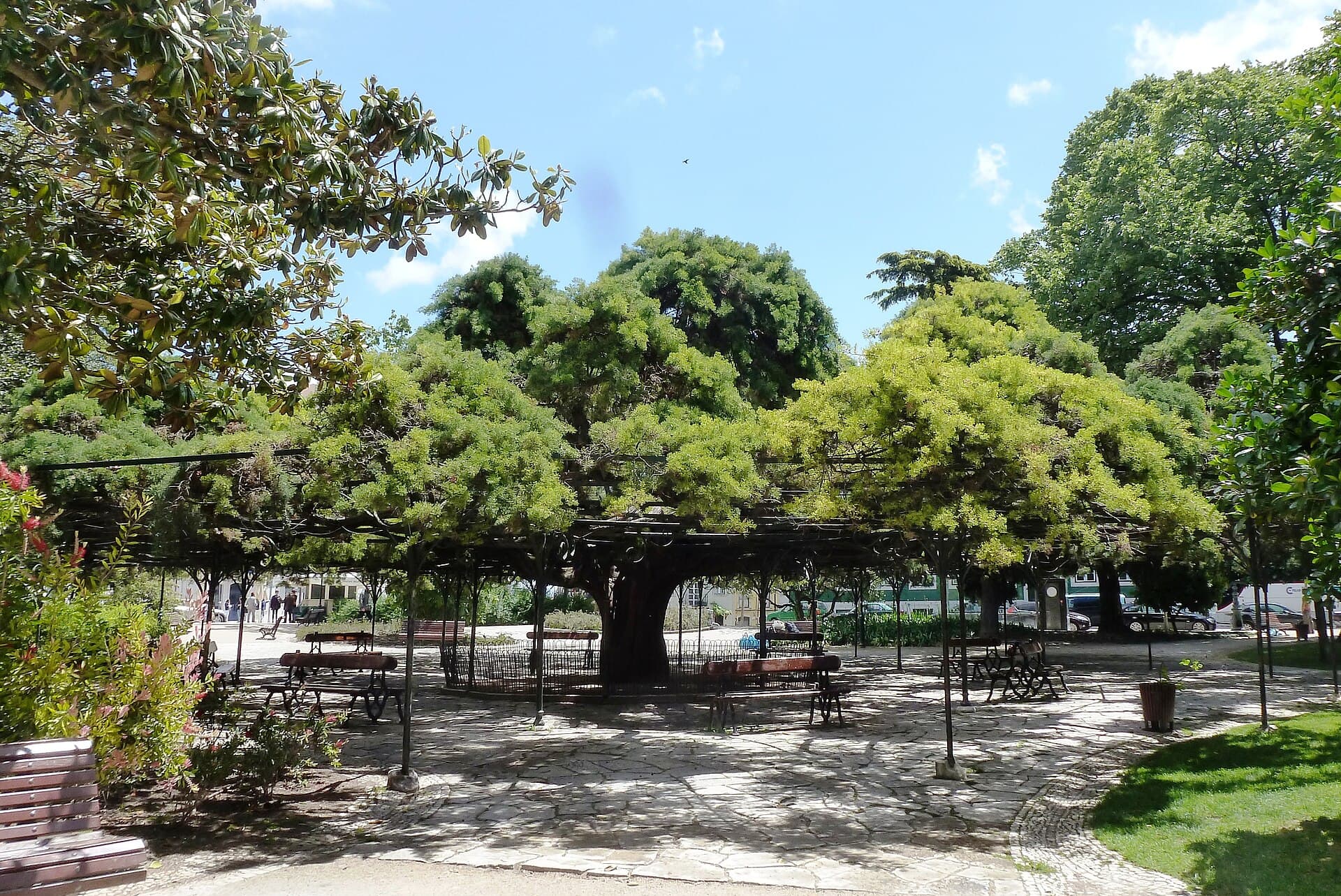
The botanical garden at Príncipe Real is close, genuinely shaded and has a huge cedar worth seeing, while the Ajuda palace gardens and the Gulbenkian grounds are wider and quieter. Eduardo VII is for the view and the planning, not for resting.