
Minerals and gems
A classified display.
Photograph by Mike Peel (www.mikepeel.net). — CC BY-SA 4.0 · Photograph by Mike Peel (www.mikepeel.net). — CC BY-SA 4.0 · Photograph by Mike Peel (www.mikepeel.net). — CC BY-SA 4.0 · Photograph by Mike Peel (www.mikepeel.net). — CC BY-SA 4.0 · Photograph by Mike Peel (www.mikepeel.net). — CC BY-SA 4.0 · Photograph by Mike Peel (www.mikepeel.net). — CC BY-SA 4.0
The Geosciences Museum of the University of São Paulo's Institute of Geosciences sits inside the University City in the Butantã district. It holds one of Brazil's most important collections of minerals and rocks and is open to the public. It grew out of an old mineralogy museum founded by Professor Ettore Onorato in 1935, which began with the purchase of a mining engineer's private collection and grew with further collections and finds made by staff and students on field trips. For decades it was used only by teachers and researchers, until it opened to the public in 1991 in a 550-square-metre hall; it was renovated and reopened in 2000. The collection has about fifteen thousand pieces, some 1,500 of them on permanent display: minerals, ores, gems, rocks, cave formations and meteorites, including the Itapuranga meteorite, counted as the fifth largest in Brazil, as well as important fossils. School groups are welcomed on tours led by geology students.
A classified display.
Including Itapuranga.
Brazilian specimens.
Institute of Geosciences, University City, Butantã, São Paulo
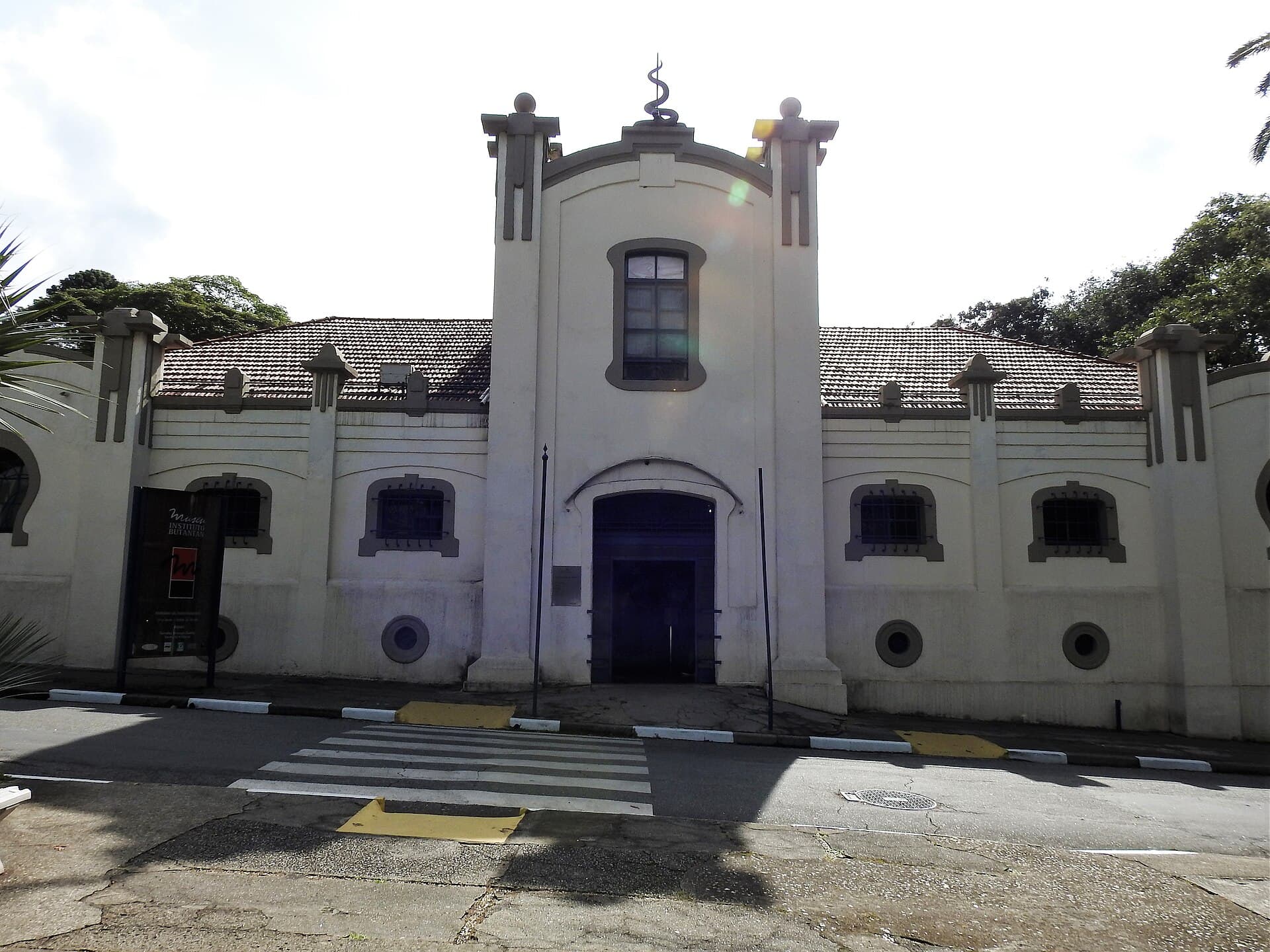 Instituto ButantanInstituto Butantan is a biomedical research centre in Butantã, western São Paulo16 minutes walk4.6
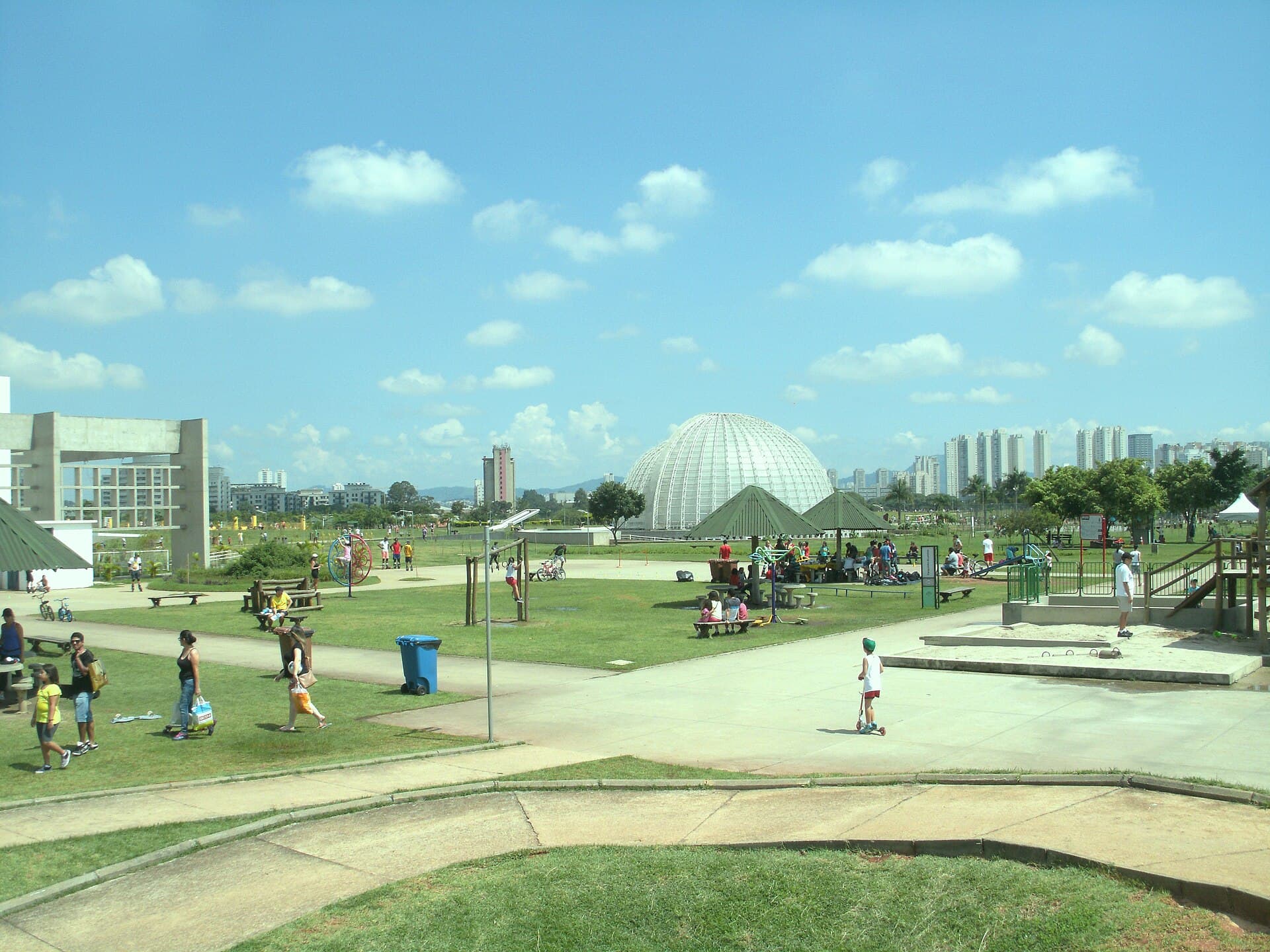 Villa-Lobos ParkVilla-Lobos State Park lies in Alto de Pinheiros in western São Paulo, by the Pi22 minutes walk4.5
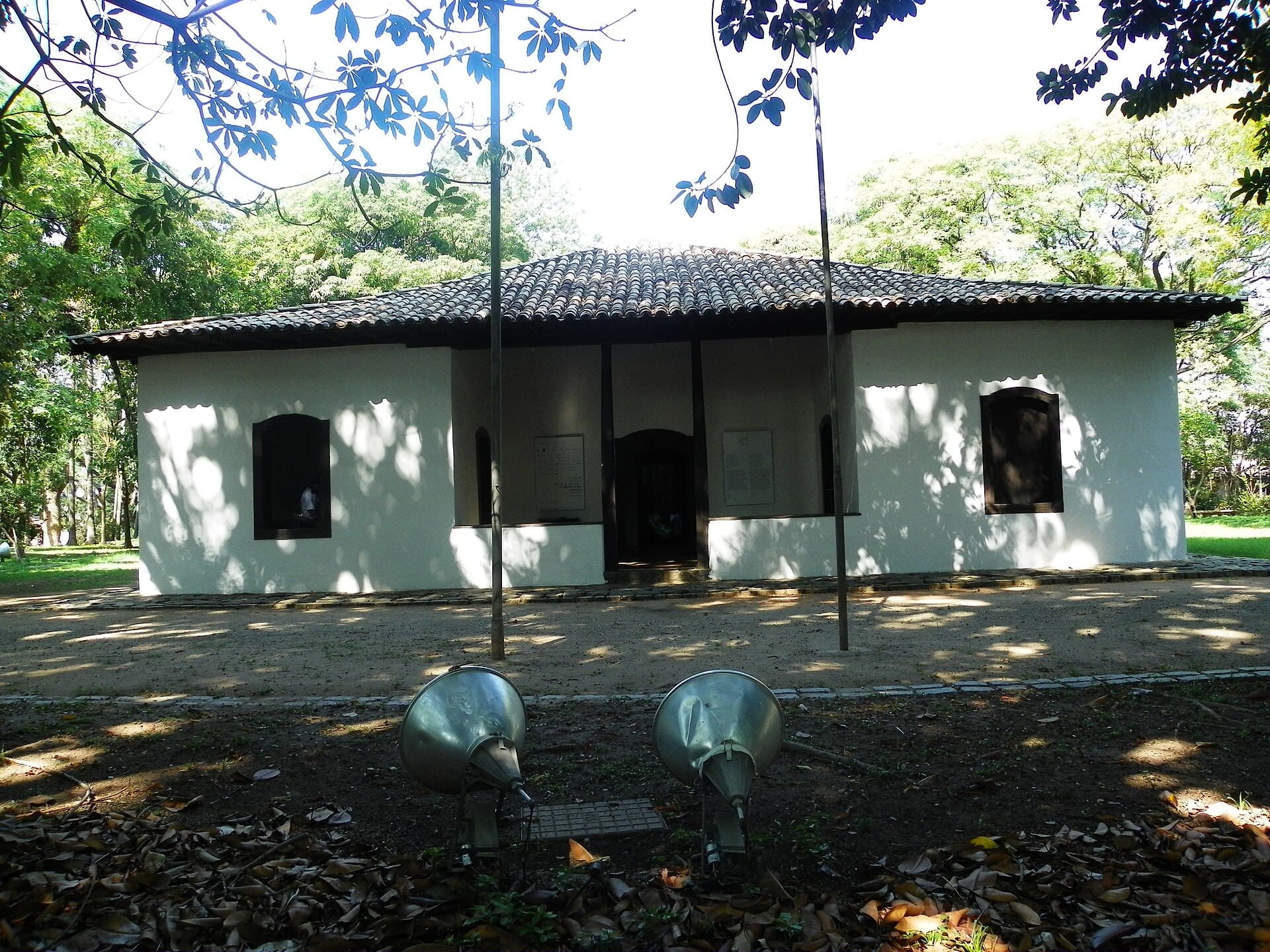 Casa do BandeiranteThe Casa do Bandeirante, or Butantã House, is a building in the colonial Bandeir23 minutes walk4.4
Yes, since 1991, with guided school visits.