
The five-ribbed vault
A very rare form in Gothic building, chosen deliberately to avoid the cross that an ordinary four-rib vault would trace.
Jerzy Strzelecki — CC BY-SA 3.0 · Ray Swi-hymn from Sijhih-Taipei, Taiwan — CC BY-SA 2.0 · Ray Swi-hymn from Sijhih-Taipei, Taiwan — CC BY-SA 2.0 · Ray Swi-hymn from Sijhih-Taipei, Taiwan — CC BY-SA 2.0
The Old-New Synagogue is the oldest synagogue in Europe still in use for prayer, built around 1270 in early Gothic. Its odd name has several explanations: the best known is that it was the "New Synagogue" when built, and newer ones followed, making it the "Old-New"; another links it to a Hebrew word meaning "on condition" — a reference to stones said to have been brought from the Temple in Jerusalem on condition they be returned. From outside the building is plain and heavy-walled; inside is a Gothic hall with a five-ribbed vault — a very unusual form, chosen deliberately to avoid the cross shape that an ordinary four-rib vault would make. The light is low, the wooden benches original, and in the centre stands the reading platform inside a 15th-century iron grille. Prague's most famous legend attaches to this building: the Golem, the clay creature that Rabbi Judah Loew ben Bezalel is said to have made in the 16th century to protect the Jewish quarter, then deactivated, hiding its remains in the attic. No stair has reached that attic for centuries and entry has never been permitted — a detail that only makes the legend more tempting. The synagogue is still in active use, so a visit calls for quiet and respect.
A very rare form in Gothic building, chosen deliberately to avoid the cross that an ordinary four-rib vault would trace.
The Golem's remains are said to be up there — no stair has reached it for centuries and entry has never been allowed.
A 15th-century ironwork enclosing the Torah reading platform in the middle of the hall — an original piece nearly as old as the building.
A flag hanging in the hall, granted to Prague's Jewish community in the 17th century in recognition of its part in defending the city.
Maiselova 18, Josefov, Prague 1
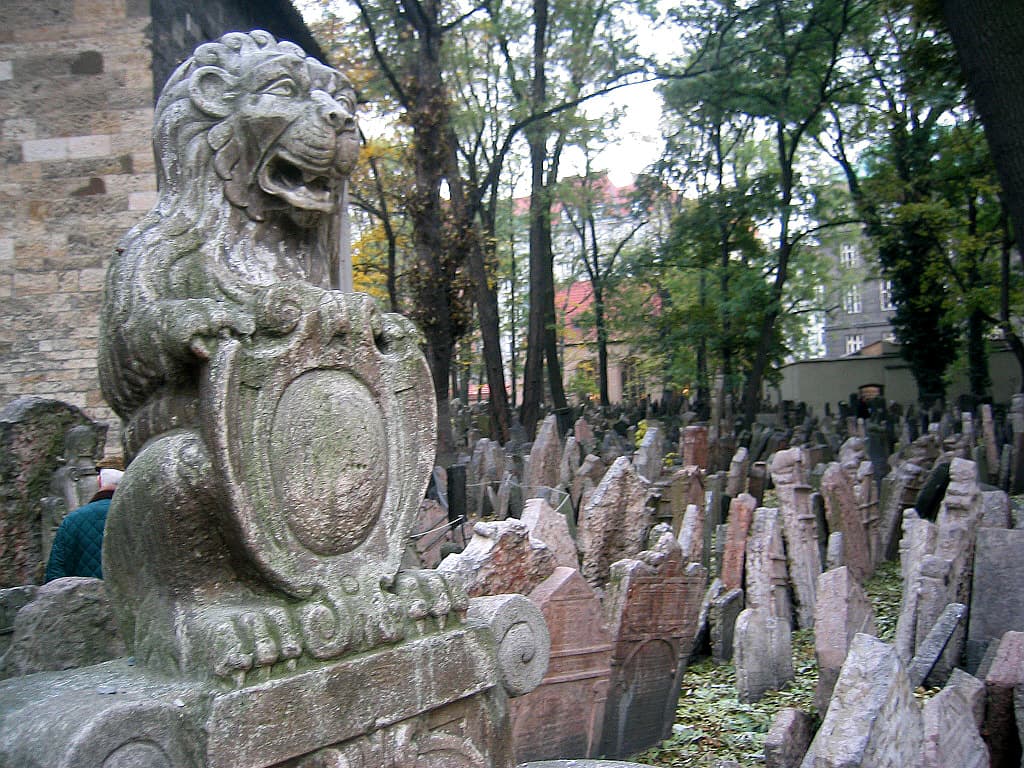 Old Jewish CemeteryThe Old Jewish Cemetery in Prague is among the strangest and most affecting plac1 minute walk4.3
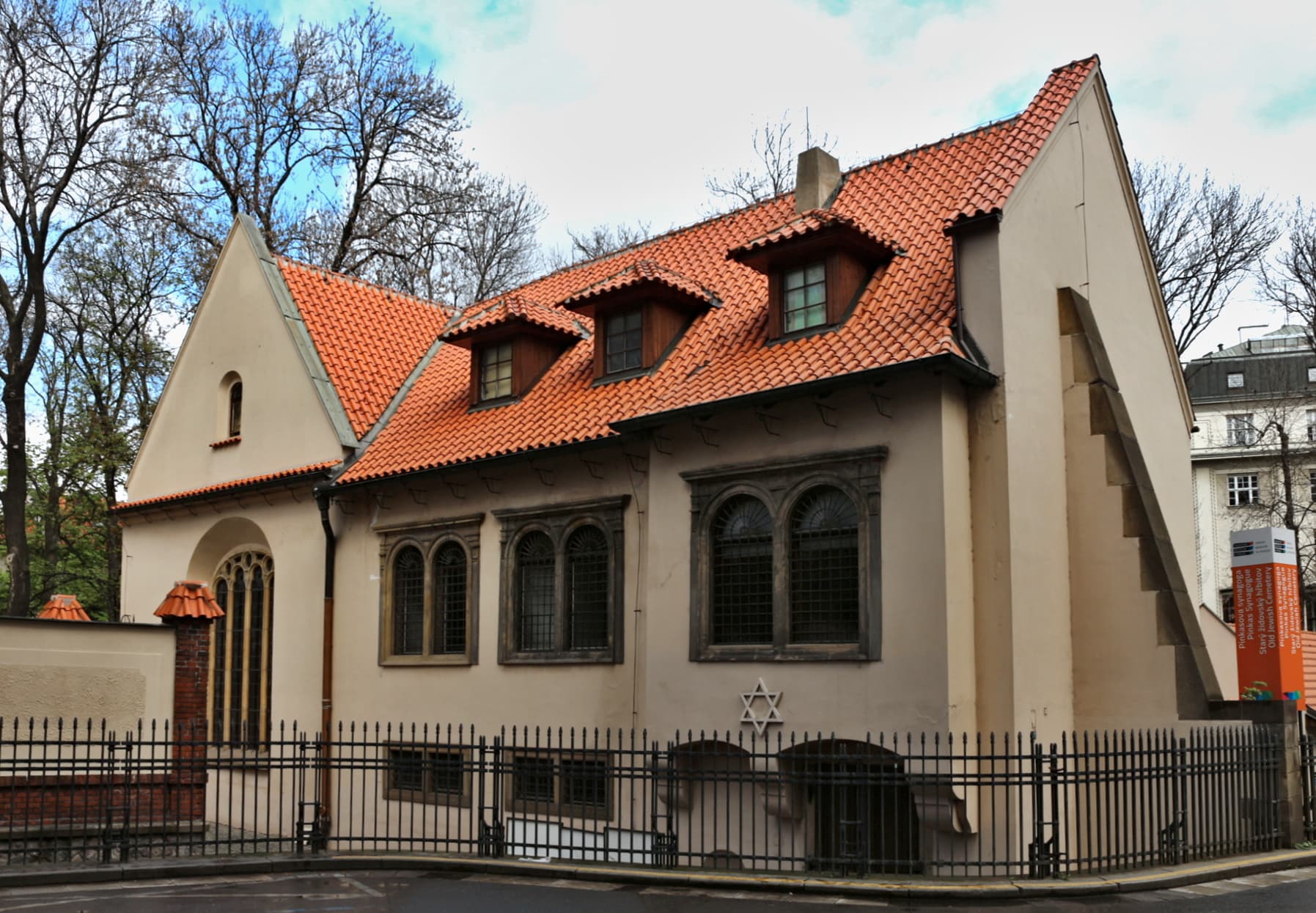 Pinkas SynagogueFrom outside, the Pinkas Synagogue is a small, quiet 16th-century building besid2 minutes walk4.4
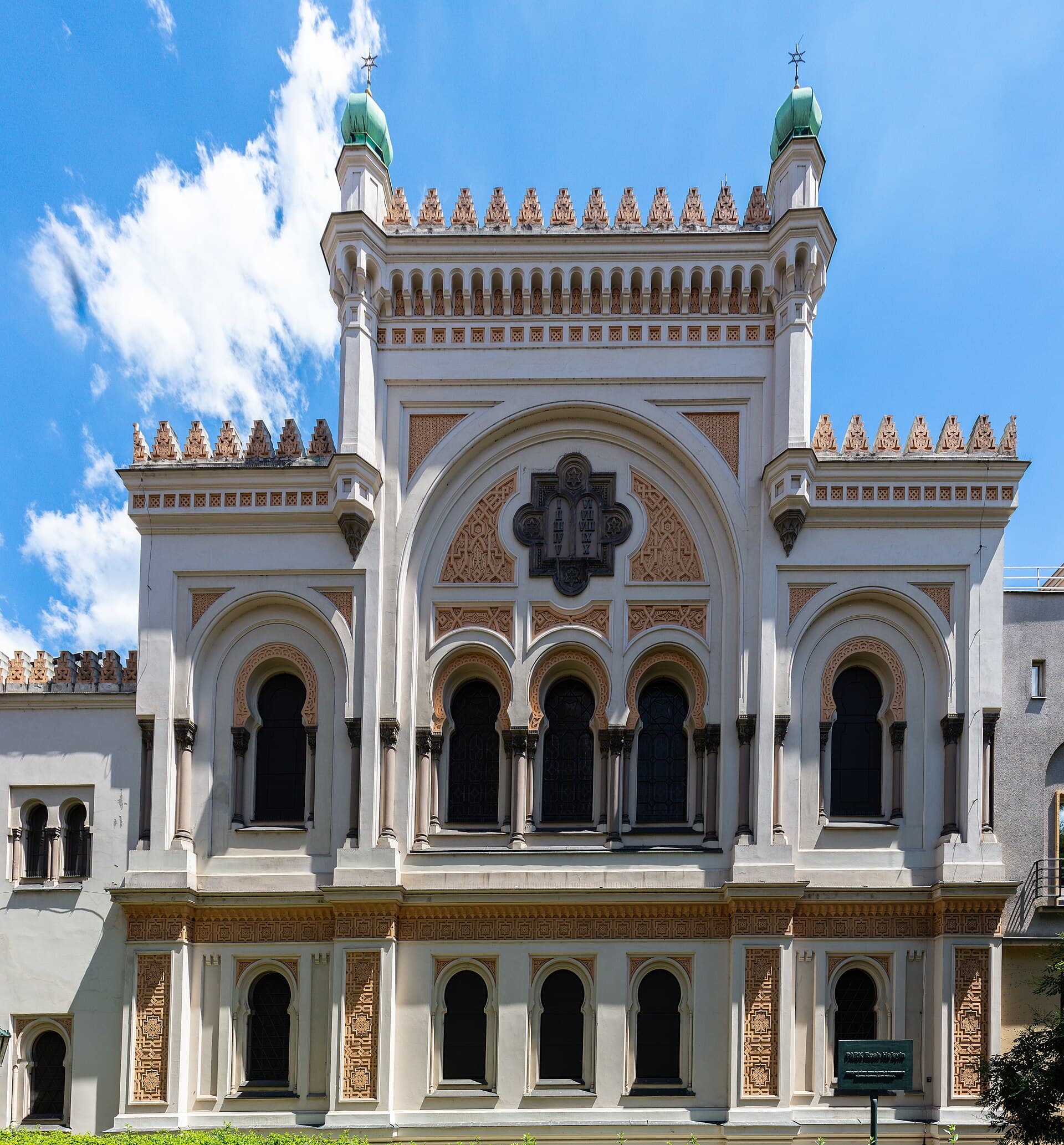 Spanish SynagogueThe Spanish Synagogue is the most beautiful building in Prague's Jewish quarter,2 minutes walk4.4
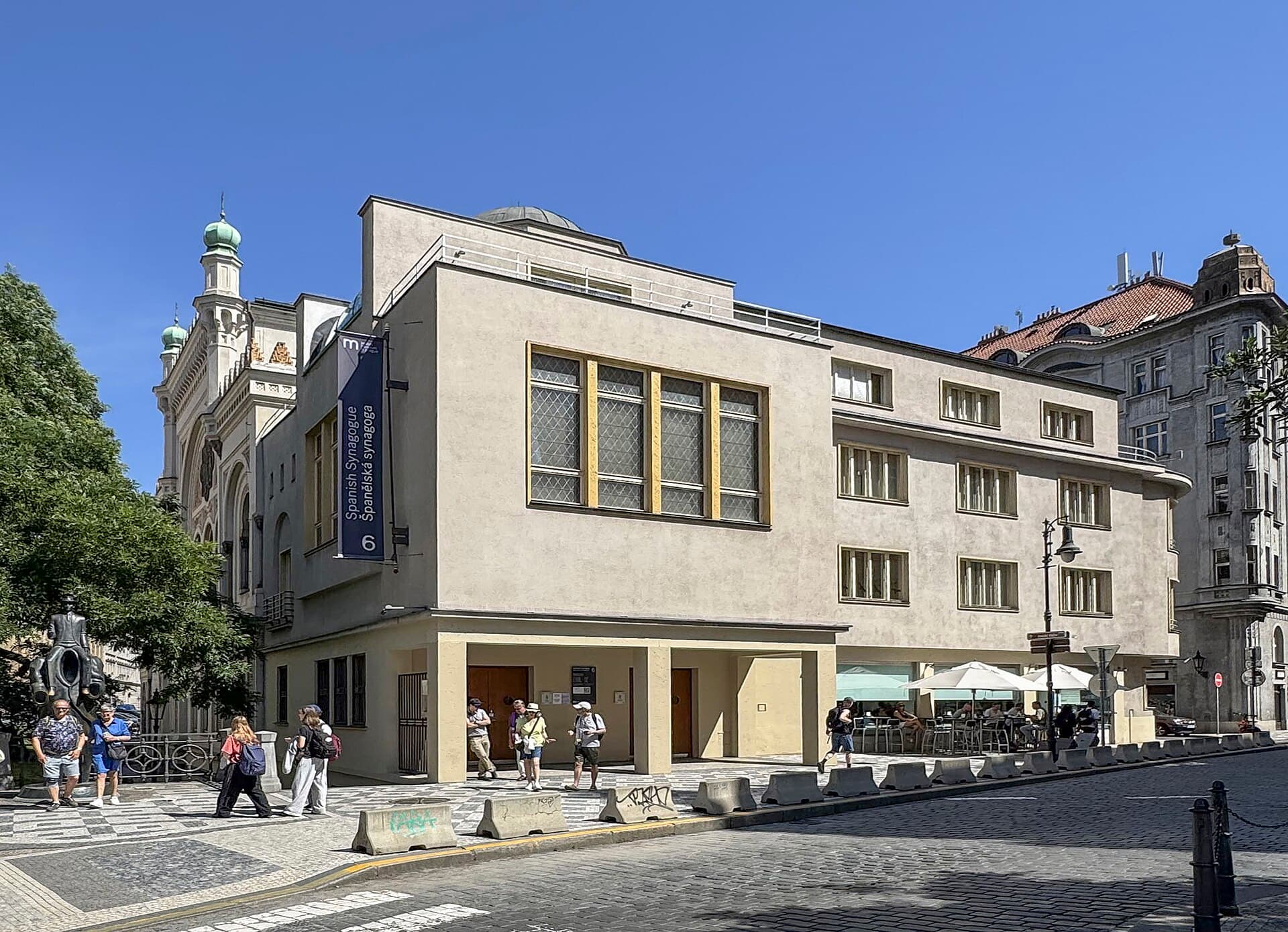 Jewish Museum in PragueThe Jewish Museum in Prague is not one building but a whole route through the Jo2 minutes walk4.4
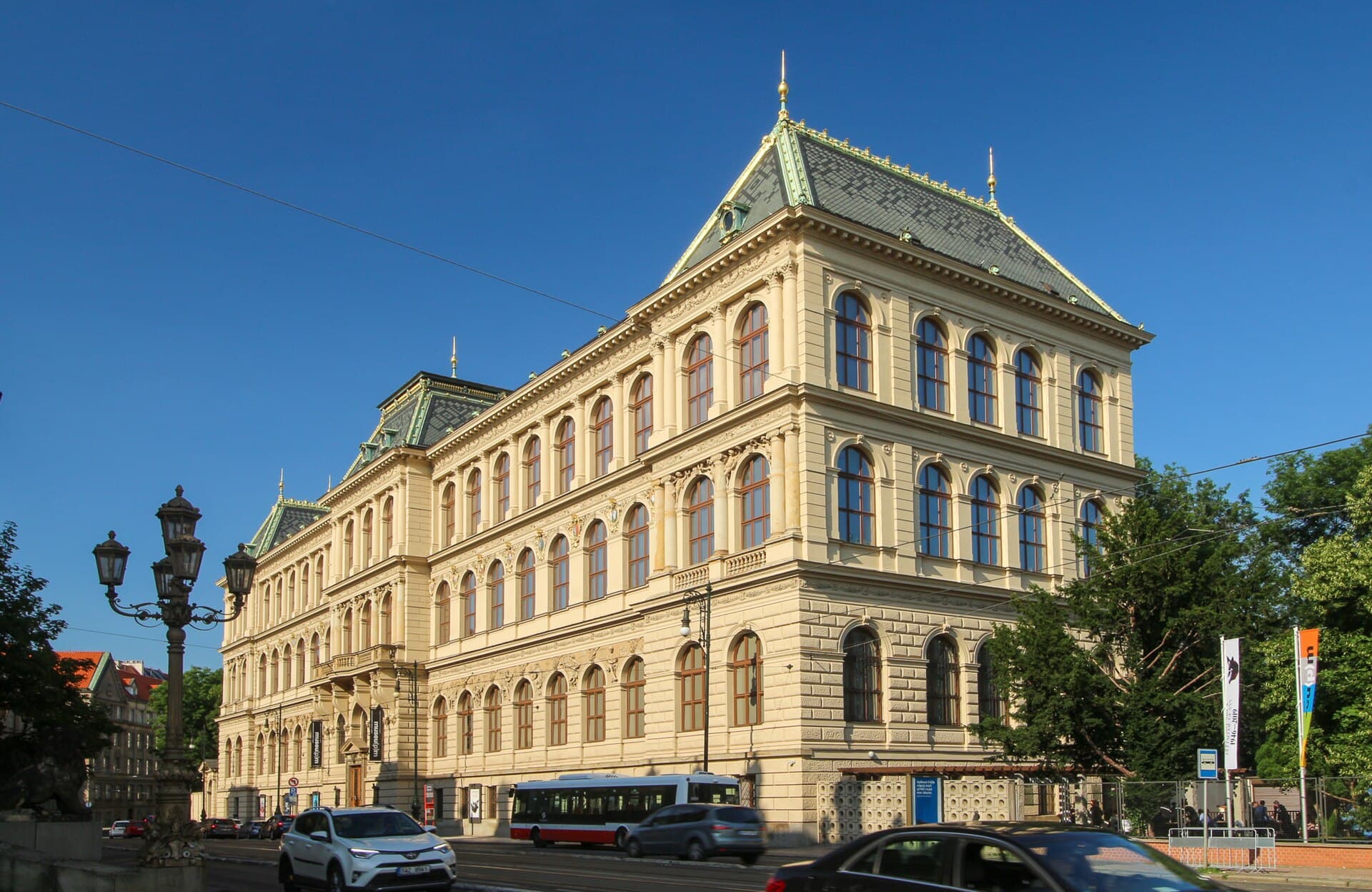 Museum of Decorative ArtsPrague's museum of applied arts, in a late nineteenth-century building at the ed3 minutes walk4.7
A 16th-century legend that Rabbi Judah Loew made a creature from Vltava clay and animated it with a sacred word to protect the Jewish quarter, then deactivated it when it went out of control and hid the remains in this synagogue's attic. There is no historical basis, but it is among Europe's best-known legends and has inspired a great deal of literature and film.
Yes for its historical weight: this is the oldest working synagogue in Europe, over seven and a half centuries old. The interior is plain and will not dazzle you like the Spanish Synagogue, but the sense of the place is entirely different.
Cover your head if you are a man (caps are provided), dress modestly and stay quiet — people genuinely pray here; it is not a museum. Photography may be prohibited, so ask on entry.
Make it the last stop: begin with the Spanish Synagogue, then the old cemetery and Pinkas on the museum pass, and finish here on its own ticket. Everything is minutes apart on foot.