
Bears that carry history
A teddy that crossed to Britain with a Kindertransport child, and a 1740 Queen Anne doll that is the oldest thing in the rooms.
Stefan Schäfer, Lich — CC BY-SA 3.0 · Alf van Beem — CC0 · Alf van Beem — CC0 · Alf van Beem — CC0
The man who founded the world's first museum of childhood liked to say he was not especially fond of children. Patrick Murray, an Edinburgh councillor and compulsive collector of old toys, opened his hoard to the public in 1955 and in 1957 moved it into a former Salvation Army hall on the Royal Mile, where it still sits. The irony suits the place: this is less a museum for children than a museum about them, about how they played, learned, dressed and slept across three centuries. The collection runs to about 60,000 objects, only a fraction on show, in cases crowded with dolls, dolls' houses furnished down to the last teaspoon, tin trains, and teddy bears, one of which arrived in Britain in the luggage of a child fleeing Nazi Germany on the Kindertransport. The oldest star is a Queen Anne doll of 1740 with a painted wooden face; the newest addition is the baby box the Scottish Government gives every newborn. A 2017 refit added a digital gallery of 20th-century photographs, a dressing-up corner with a small tipi and building blocks that keep toddlers busy while the adults stare at their own childhoods behind glass. The plain truth: it is small, and thirty minutes to an hour covers it comfortably. Some children love it; others find the antique dolls with glass eyes more unsettling than sweet, a reaction common enough to be worth flagging. The galleries are spread over several floors of a narrow old building and stairs are part of the deal, so a pushchair is easier folded than pushed. Admission is free with no booking, and in normal times the doors open daily from 10:00 to 17:00 with last entry at 16:30. One caveat: the museum closed temporarily on 21 September 2026 to refresh its galleries and upgrade the lighting, and is expected to reopen in January 2027, so check the website before building it into a day. Location is its strongest argument. It sits roughly halfway down the Royal Mile, ten minutes' walk downhill from Edinburgh Castle, with the small free Museum of Edinburgh a few minutes further down the Canongate. In Edinburgh rain, which is plentiful even in July, it is a warm, free shelter that breaks the long walk between the castle and Holyrood. In August, during the Fringe, the street outside heaves and the upstairs rooms get tight after lunch; go early.
A teddy that crossed to Britain with a Kindertransport child, and a 1740 Queen Anne doll that is the oldest thing in the rooms.
Whole cases of miniature homes and tin trains that hold the adults far longer than the children.
Since the 2017 refit there is a small tipi, costumes and building blocks for toddlers, which is what they will remember.
42 High Street, Royal Mile, Edinburgh EH1 1TG
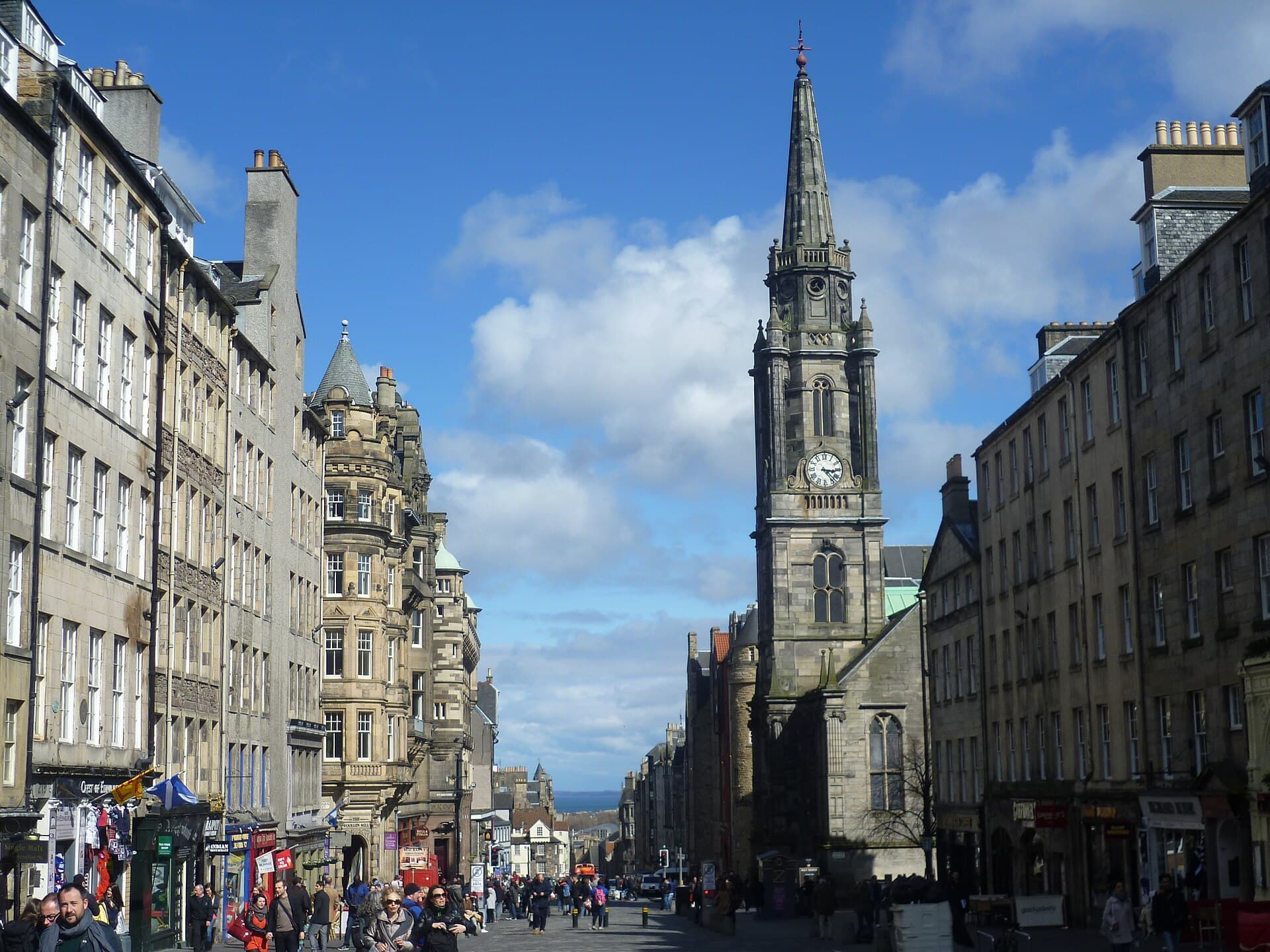 Royal MileOne street connects a castle to a palace and drops about 70 metres in the roughl1 minute walk4.8
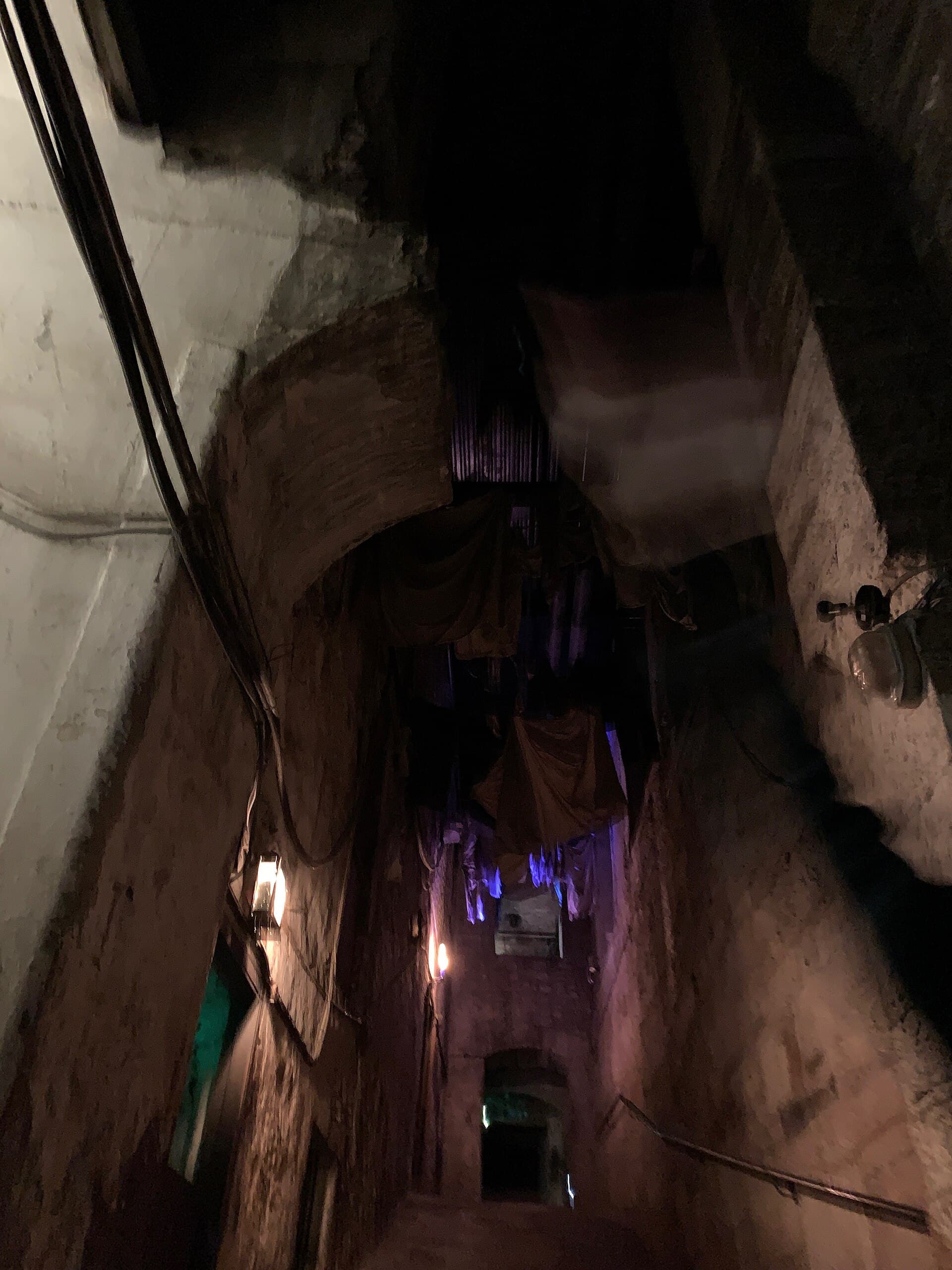 The Real Mary King's CloseBeneath the feet of the crowds on the Royal Mile, and directly under Edinburgh's4 minutes walk4.5
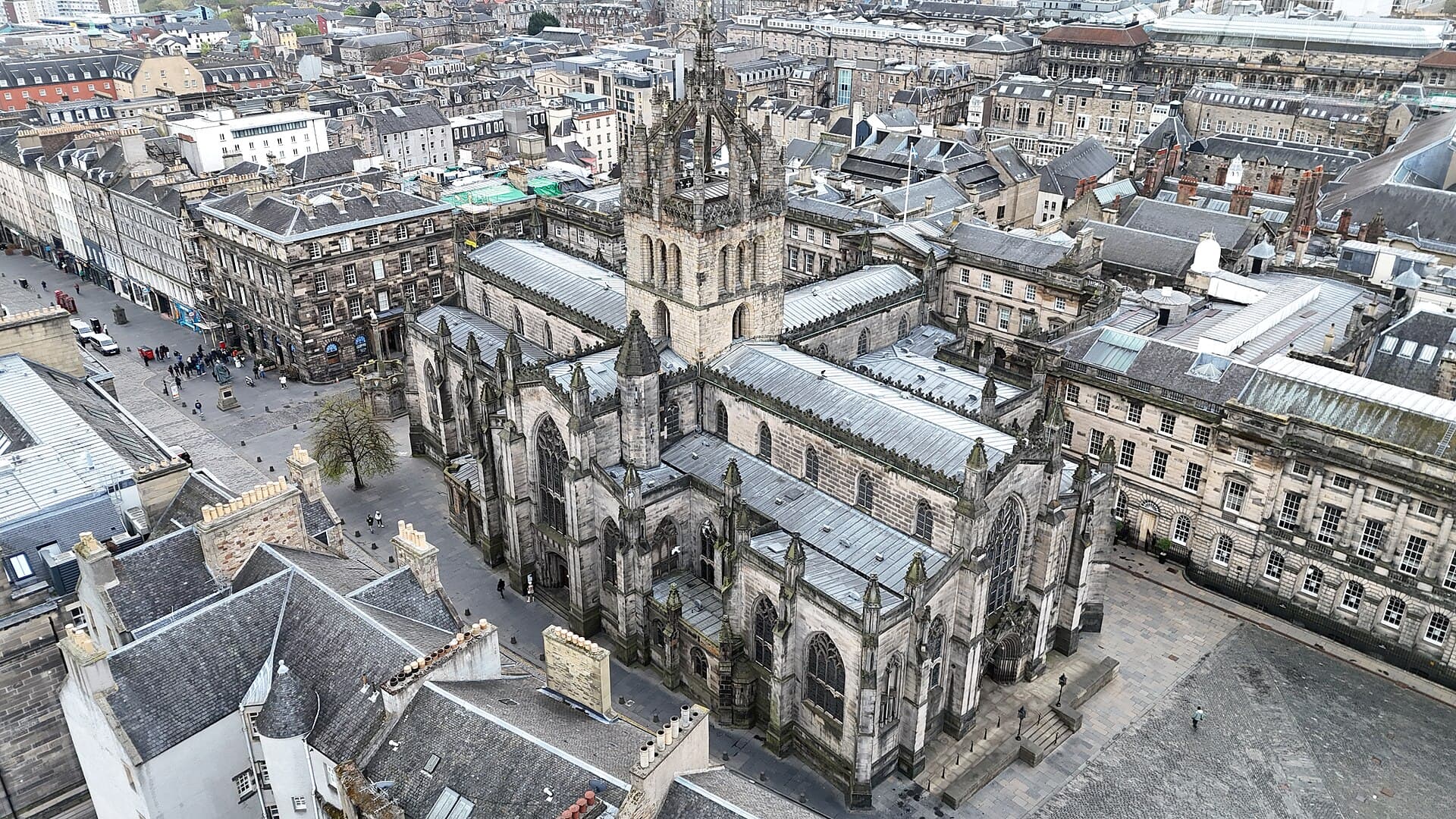 St Giles' CathedralThat stone crown floating over Edinburgh's Old Town is not a tower in the ordina4 minutes walk4.7
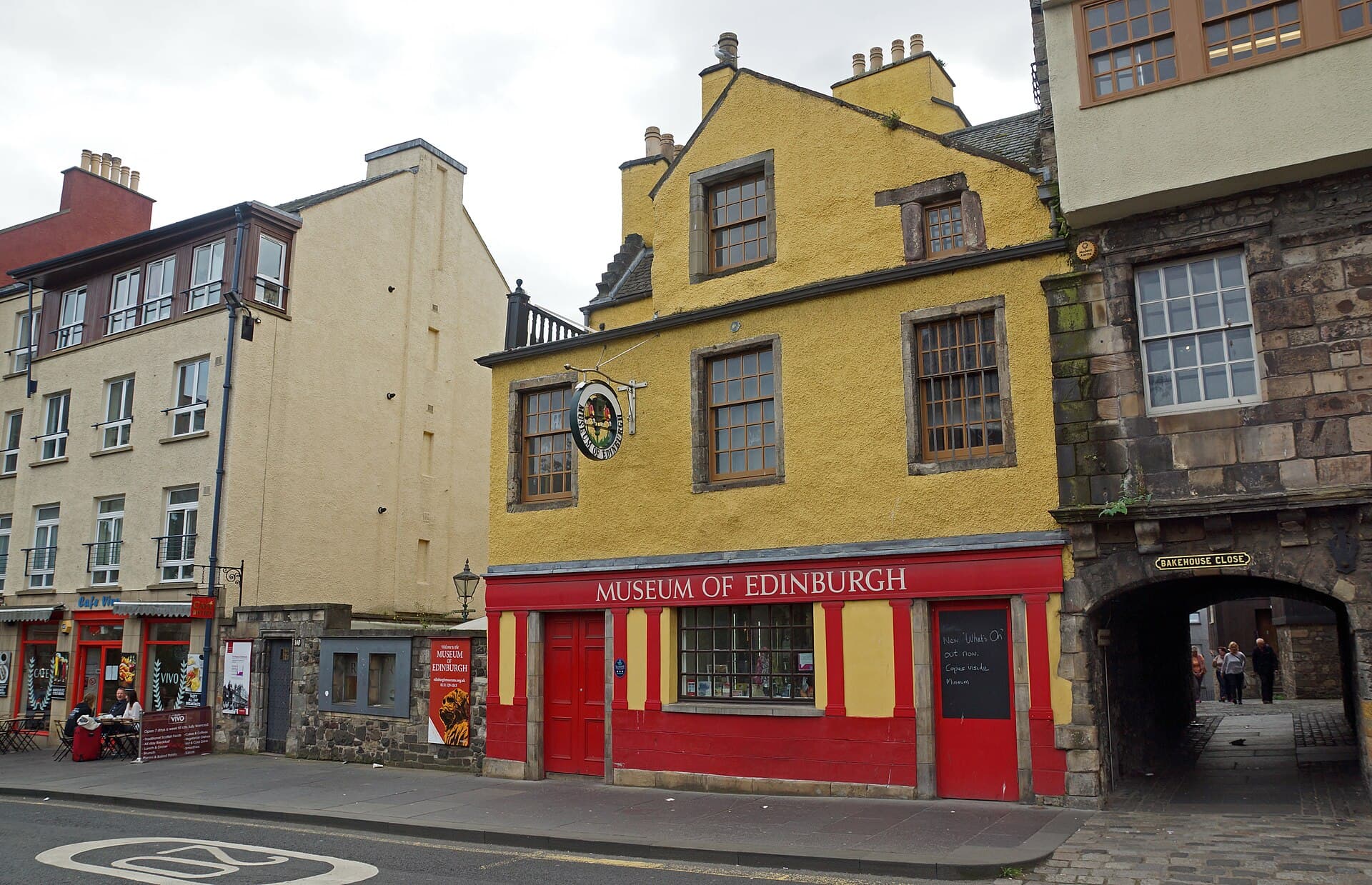 Museum of EdinburghEdinburgh's most photographed dog left behind a collar and a feeding bowl, and b5 minutes walk4.5
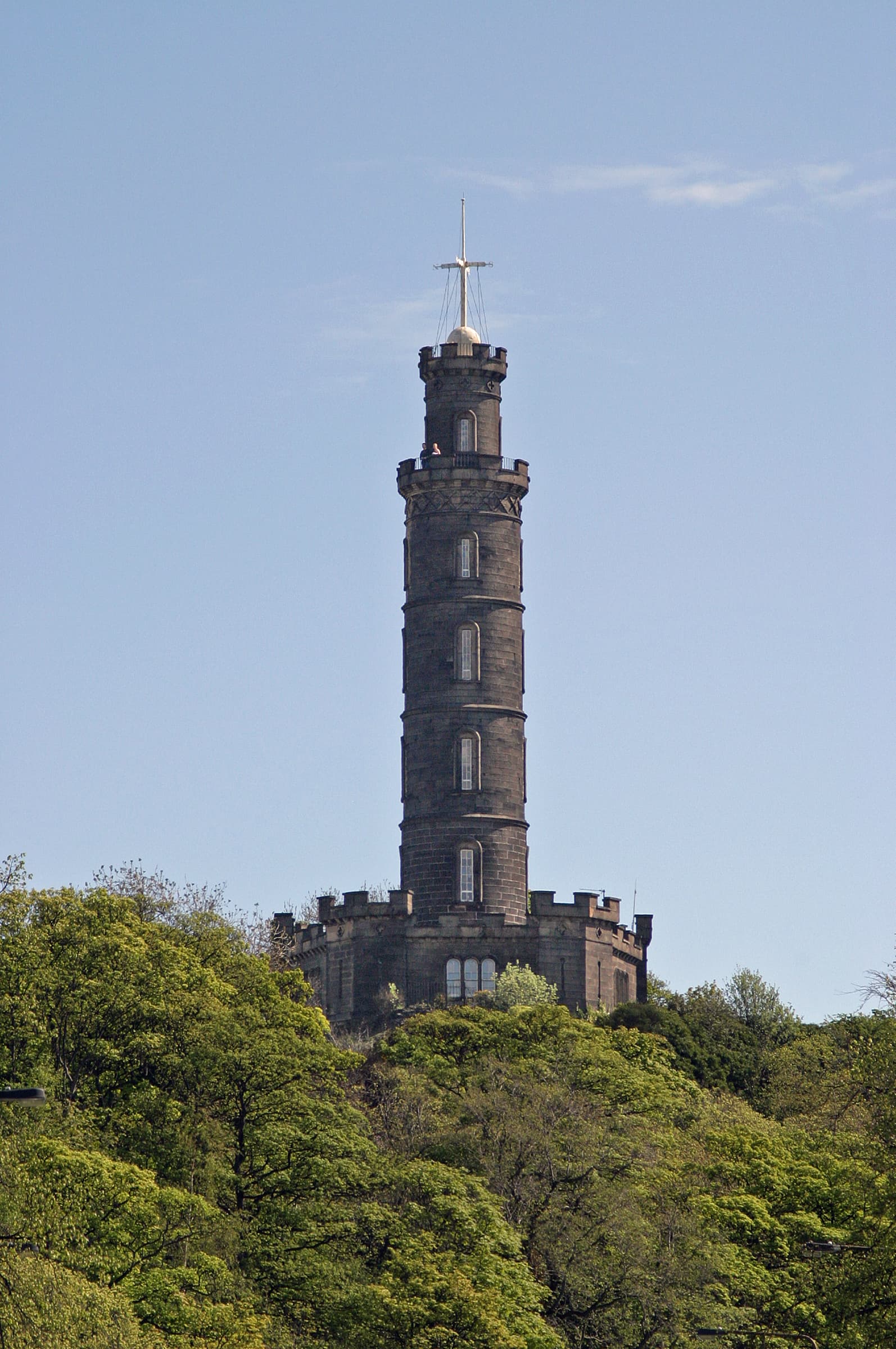 Nelson MonumentAt one o'clock every afternoon except Sunday, a large metal ball drops from the 6 minutes walk4.7
Both, in different doses. Under-sixes enjoy the dressing-up corner and blocks and are done in twenty minutes; it is the adults who linger at the cases. If your children are spooked by antique dolls, and many are, skip it and you lose nothing. Its real virtue is that it is free and on your route down the Royal Mile: a pause, not a destination.
No. It closed temporarily on 21 September 2026 to refresh the galleries and upgrade the lighting, with reopening expected in January 2027. Until then the other free Culture Edinburgh museums on the Royal Mile are open as usual: the Writers' Museum, the Museum of Edinburgh and The People's Story on the Canongate.