
Greyfriars Bobby's collar and bowl
The belongings of Edinburgh's most famous dog, far from the crowd around his statue.
Allie_Caulfield — CC BY 2.0 · Allie_Caulfield — CC BY 2.0 · PAUL FARMER — CC BY-SA 2.0 · Chabe01 — CC BY-SA 4.0
Edinburgh's most photographed dog left behind a collar and a feeding bowl, and both are kept here. Greyfriars Bobby, the terrier said to have kept watch over his master's grave for fourteen years, has a bronze statue at the top of Candlemaker Row that draws a permanent crowd; his actual belongings sit quietly in a yellow-fronted house halfway down the Canongate, the last stretch of the Royal Mile, where the city tells its own story without grand galleries, queues or an admission charge. The building is half the point. Huntly House went up around 1570 and was enlarged in the 1600s; the council bought it in 1924 when demolition looked likely and turned it into the city's museum. You step through a low doorway into a warren of small panelled rooms joined by short, twisting stairs, climbing and descending until you lose track of which floor you are on. That charm comes with a warning: this is a 450-year-old townhouse, so there are a lot of steps, a pushchair is more burden than help, and anyone who needs a step-free route should ask at the door what can be reached. The collection is a whole city in small cases. There is an original copy of the National Covenant, signed at Greyfriars Kirk in 1638 and the spark for decades of conflict; James Craig's original plans for the New Town, the drawings that gave modern Edinburgh its face; and Edinburgh silver, engraved glass, longcase clocks and Scottish pottery going back to the eighteenth century. In one room, Field Marshal Earl Haig's Western Front headquarters from the First World War has been reassembled from the belongings he left to the museum. Outlander viewers will recognise the place from season three. Give it an hour at most and treat it as a shelter from rain or crowds on the walk down from Edinburgh Castle to Holyrood: the palace and the Scottish Parliament are five minutes downhill, Waverley station about ten minutes back up. The Museum of Childhood, also free, is a few minutes along the same street, and the pair make a very good ninety minutes with children. Doors open daily from 10:00 to 17:00 with last entry at 16:30, a detail worth remembering in Scotland's short-daylight winter.
The belongings of Edinburgh's most famous dog, far from the crowd around his statue.
An original copy of the document that changed Scotland's course, signed at Greyfriars Kirk.
Narrow panelled rooms and twisting stairs from 1570; the building outranks many of its exhibits.
142-146 Canongate, Royal Mile, EH8 8DD
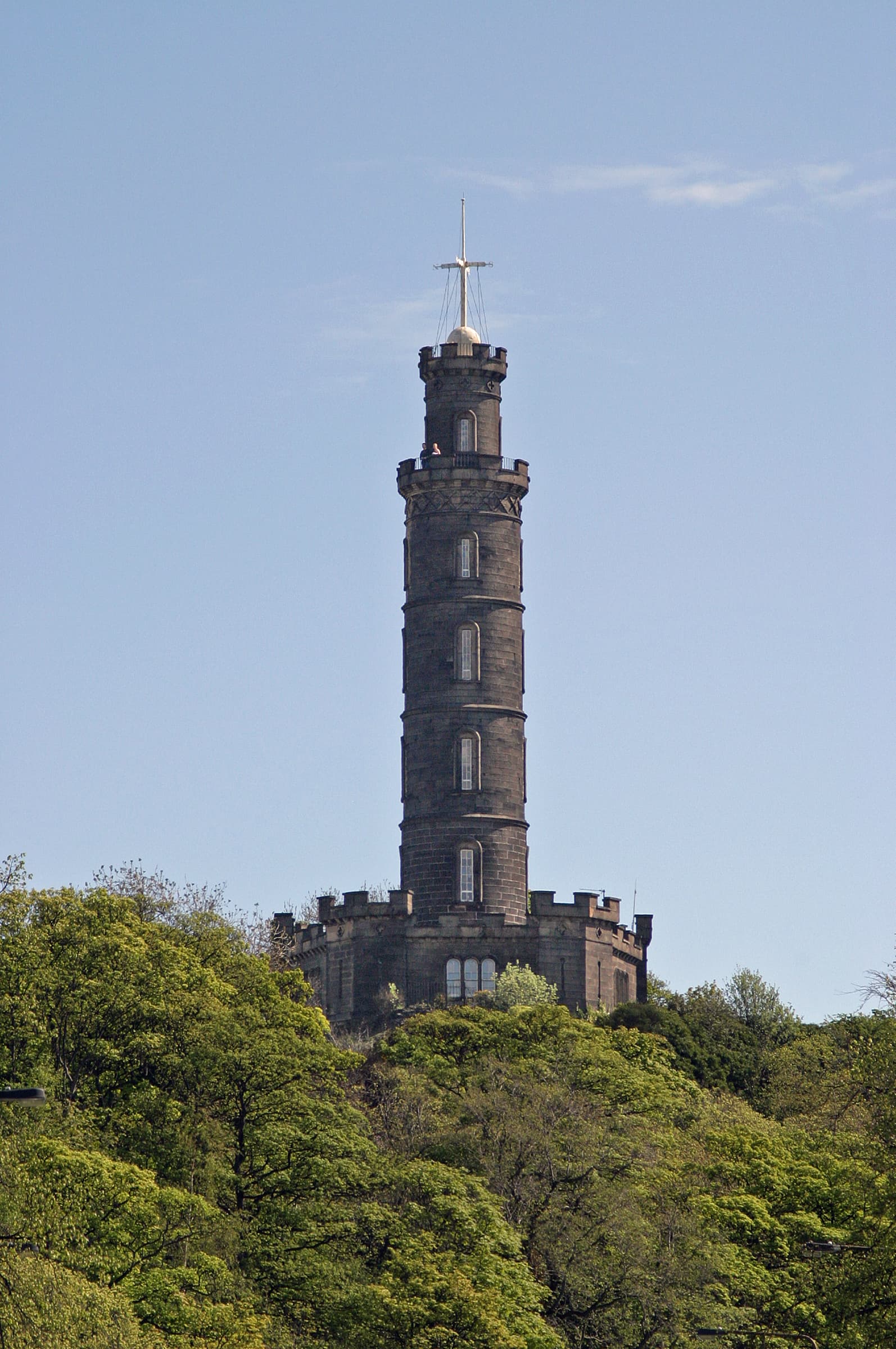 Nelson MonumentAt one o'clock every afternoon except Sunday, a large metal ball drops from the 5 minutes walk4.7
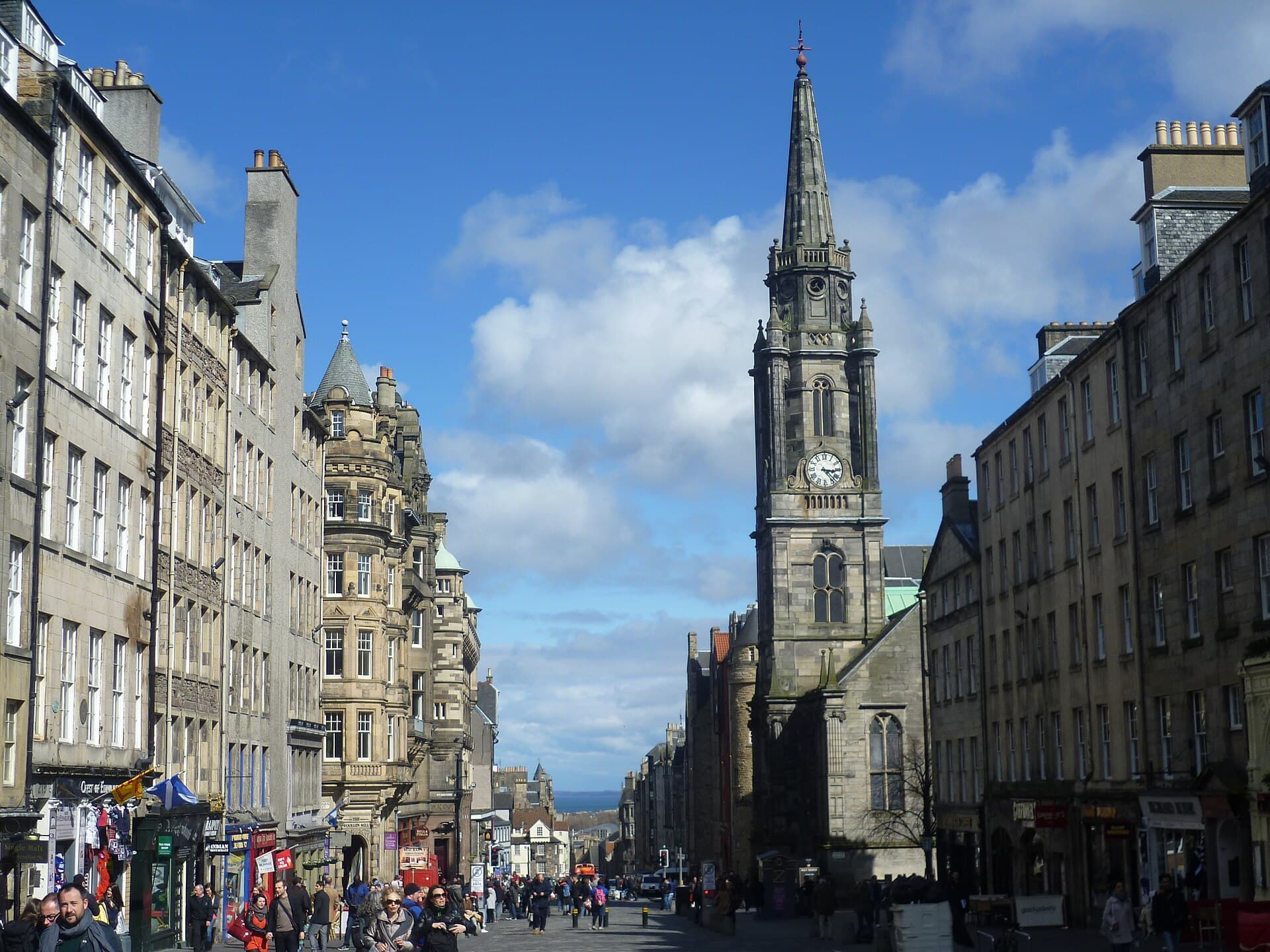 Royal MileOne street connects a castle to a palace and drops about 70 metres in the roughl5 minutes walk4.8
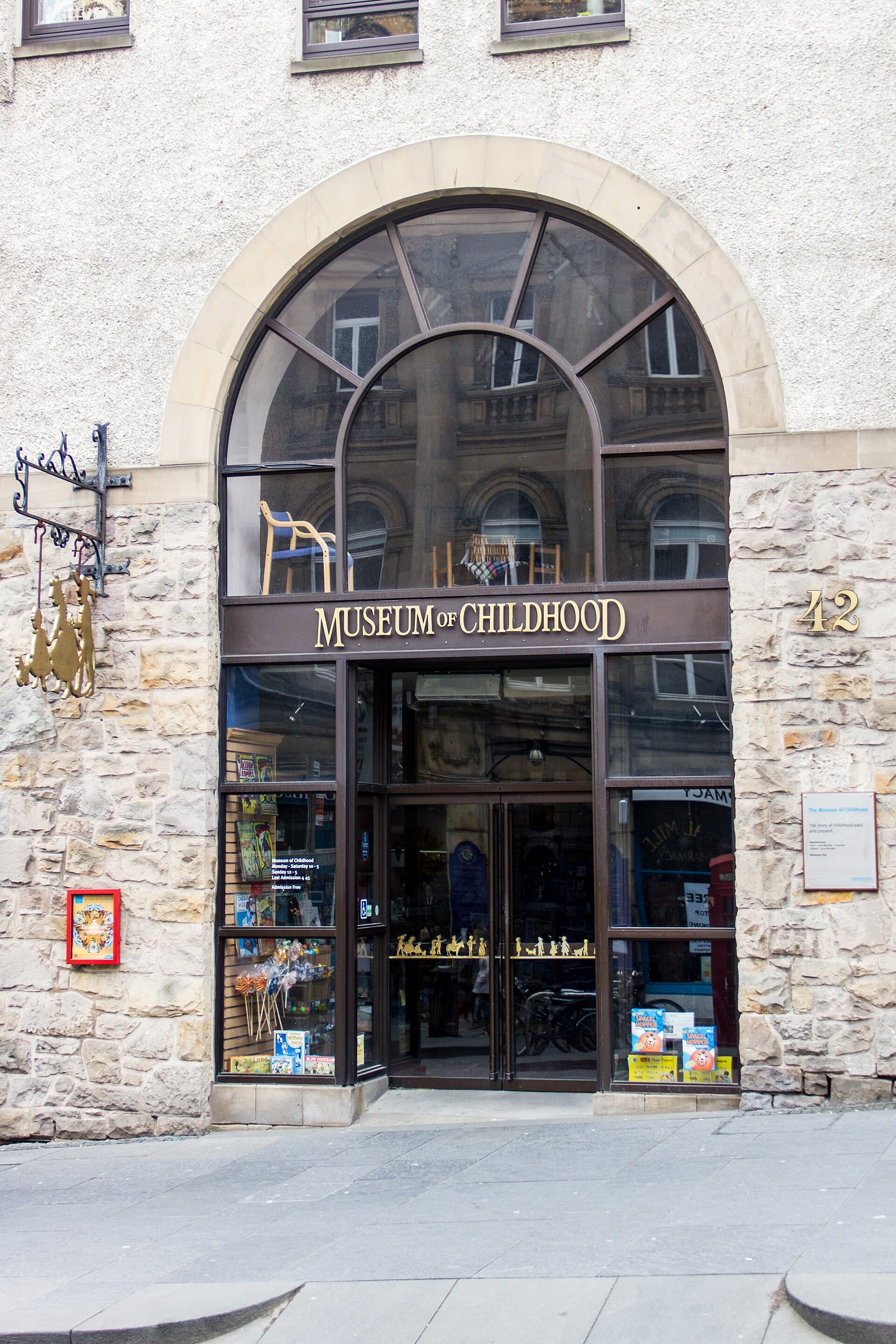 Museum of ChildhoodThe man who founded the world's first museum of childhood liked to say he was no5 minutes walk4.4
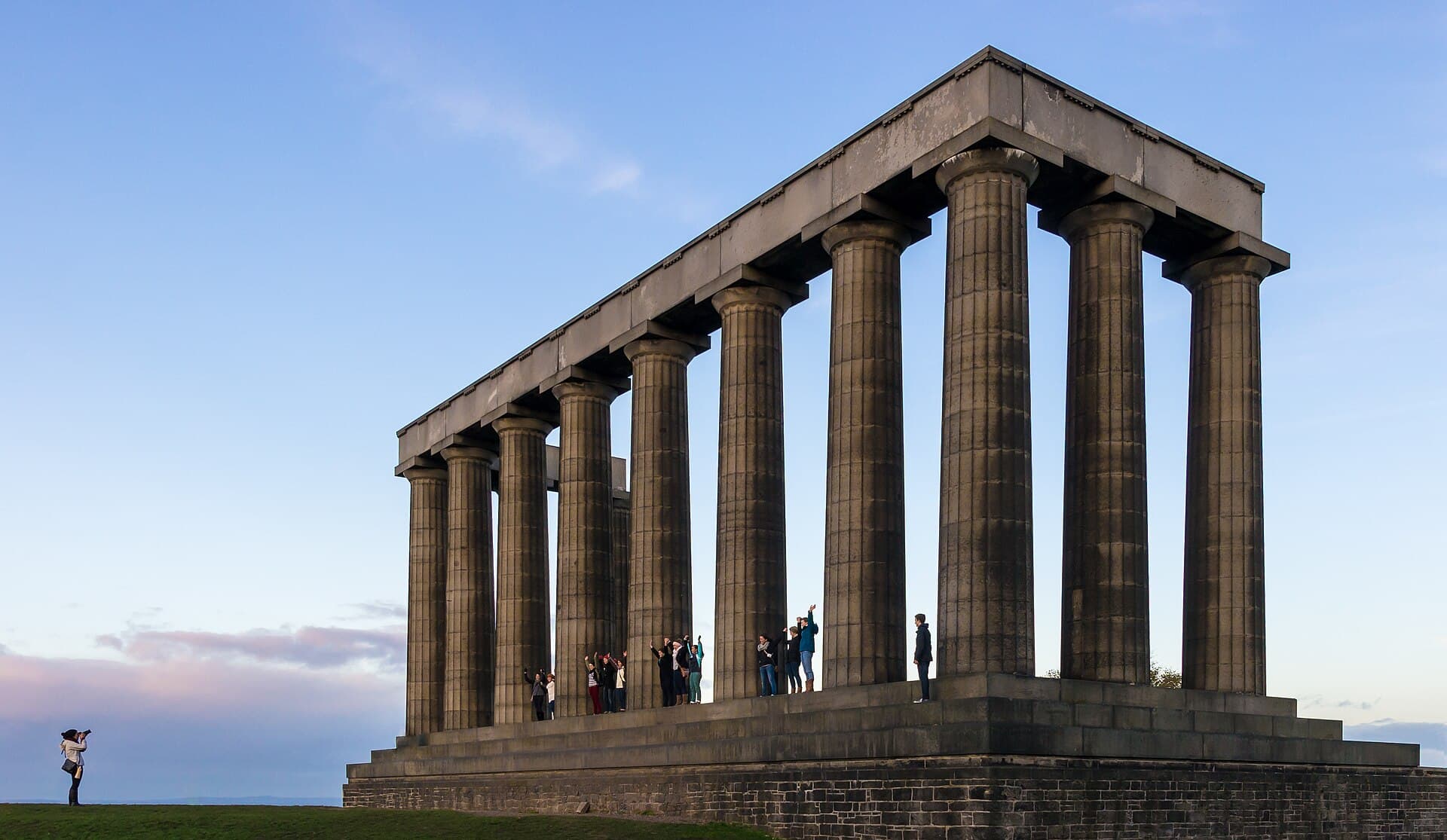 National Monument of ScotlandTwelve enormous columns stand on a stone platform at the top of Calton Hill, and5 minutes walk4.8
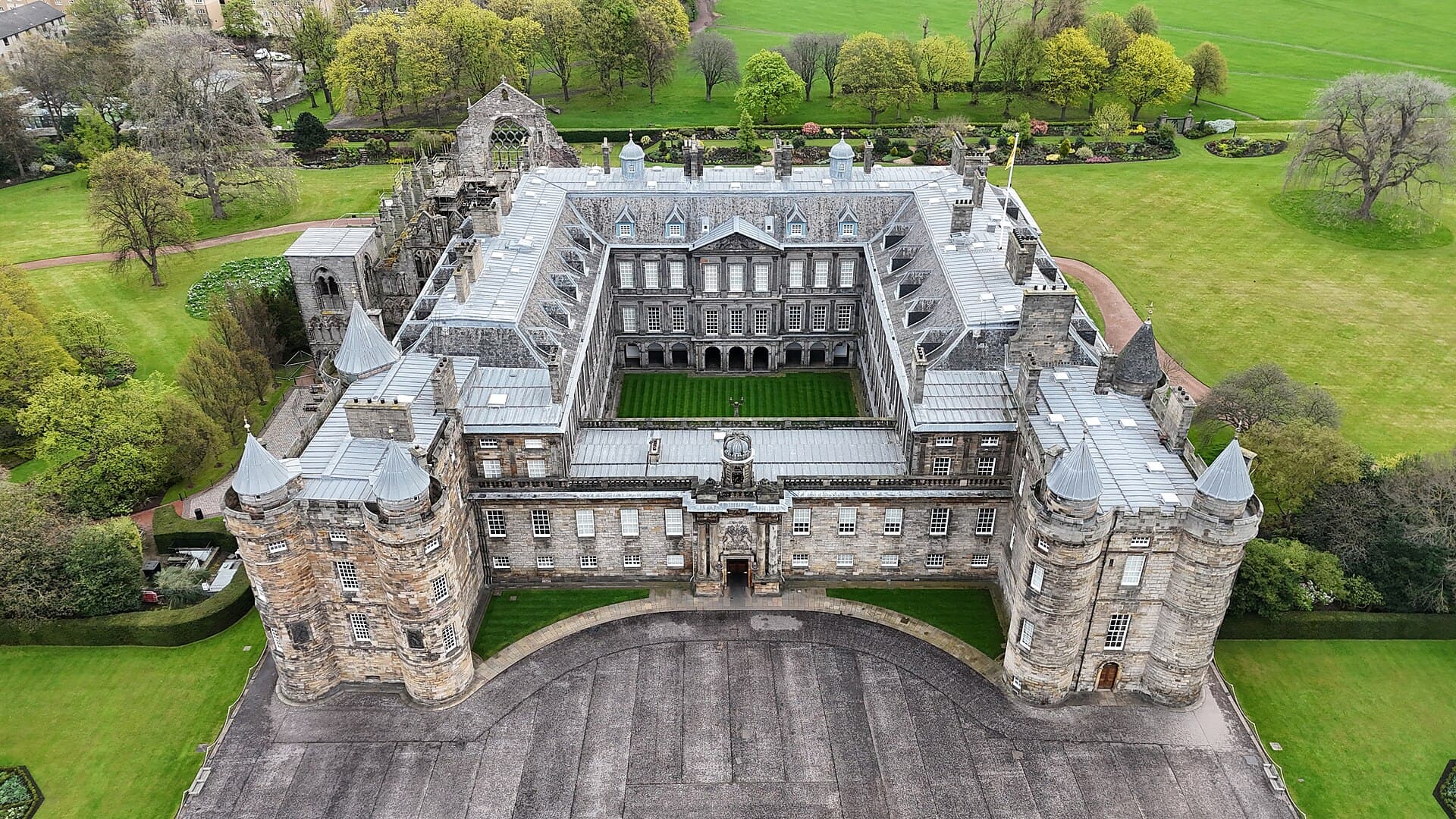 Palace of HolyroodhouseIn a small room in the old tower of this palace, Mary, Queen of Scots saw her se6 minutes walk4.7
It is not a substitute. The National Museum on Chambers Street is many times larger and far better for children, with hands-on galleries. The Museum of Edinburgh is small and local: you go in because you are passing on the Royal Mile and it is free, not because you crossed town for it. Short on time, pick the National; walking down to Holyrood anyway, give this one forty-five minutes.
Barely. It is a sixteenth-century house full of steps and interlocking rooms, and you will carry a pushchair more than push it. Children who can walk enjoy the maze; anyone who finds stairs hard should ask at the door which rooms can be reached without them.