
The shop with empty shelves
A careful reconstruction of a period store: one product per need, and queues — the clearest explanation of a planned economy in a single room.
Henry Mühlpfordt — CC BY-SA 3.0 · JiriMatejicek — CC BY-SA 3.0 · Shitvia — CC BY-SA 4.0 · Shitvia — CC BY-SA 4.0
The Museum of Communism tells forty years of Czechoslovak history, from 1948 to 1989, from a single angle: what daily life was actually like under the system. It opens not with ideology but with a shop — near-empty shelves, queues, one brand per product. Then it moves through the school, the factory, the interrogation room and the propaganda screen. It is a private institution rather than a state one, and its approach is direct and unsparing: photographs, documents and original objects from the period — flags, badges, typewriters, listening devices, propaganda posters. Its strongest sections are a reconstructed interrogation room and an archival film about the suppression of the 1968 and 1989 demonstrations, shown at the end and genuinely affecting. Captions are in Czech, English and several other languages, and the space is fairly compact, so an hour and a half covers it. It sits centrally, near Republic Square and the Municipal House. For an Arab visitor who did not live through this, the museum supplies the context that makes the rest of Prague legible: why the metro looks the way it does, why the Letná metronome has the story it has, and why 1989 is still present in every conversation.
A careful reconstruction of a period store: one product per need, and queues — the clearest explanation of a planned economy in a single room.
A reconstructed secret-police office with its tools and files — the section where visitors go quiet.
Archive footage of tanks in the streets and then the crowds on Wenceslas Square — ten minutes that compress two decades.
A rich collection of official posters with their distinctive design — a visual record of how an official story is manufactured.
V Celnici 1031/4, Prague 1
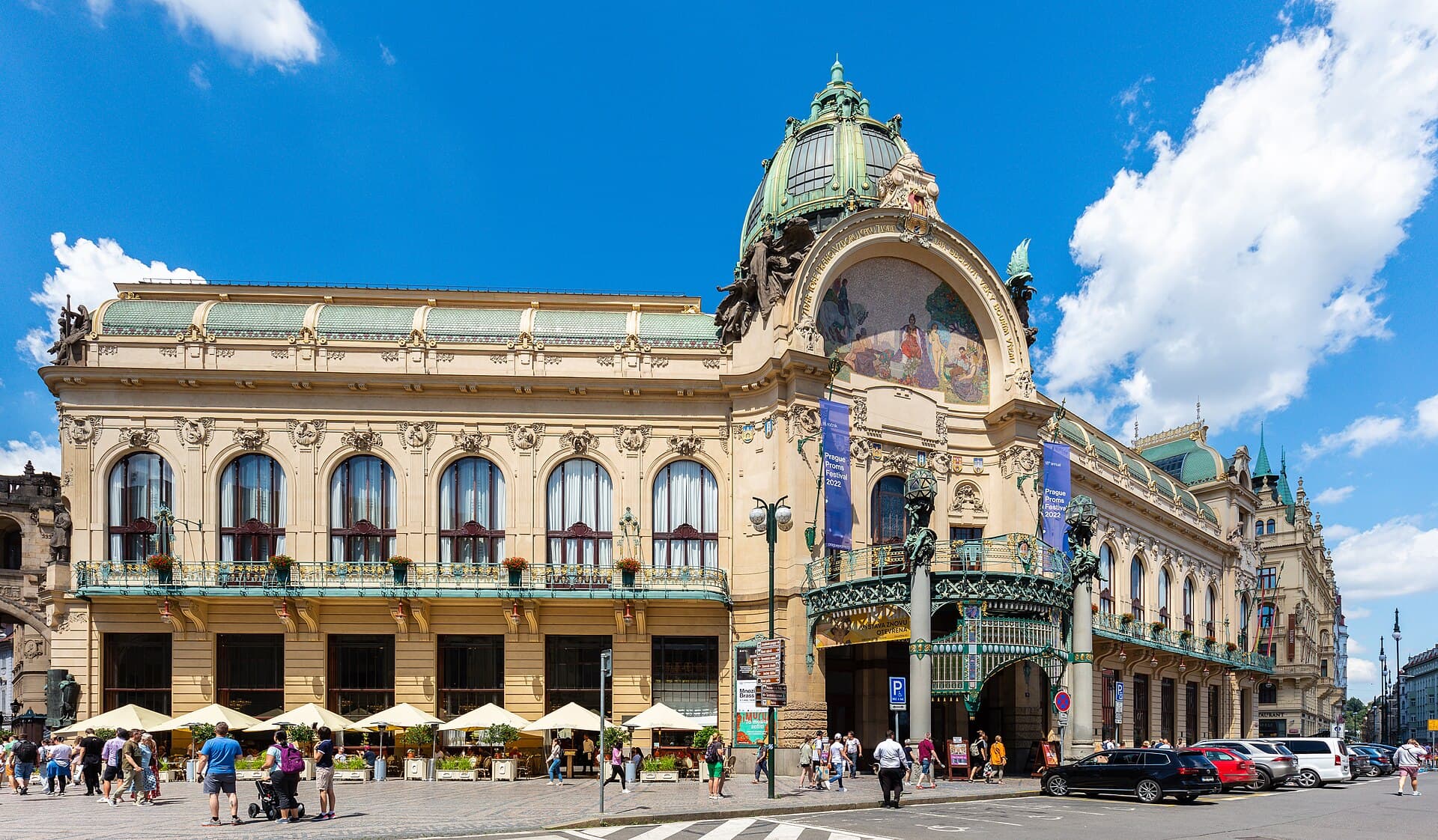 Municipal HouseThe Municipal House is the greatest thing Art Nouveau produced in Prague, and ar2 minutes walk4.8
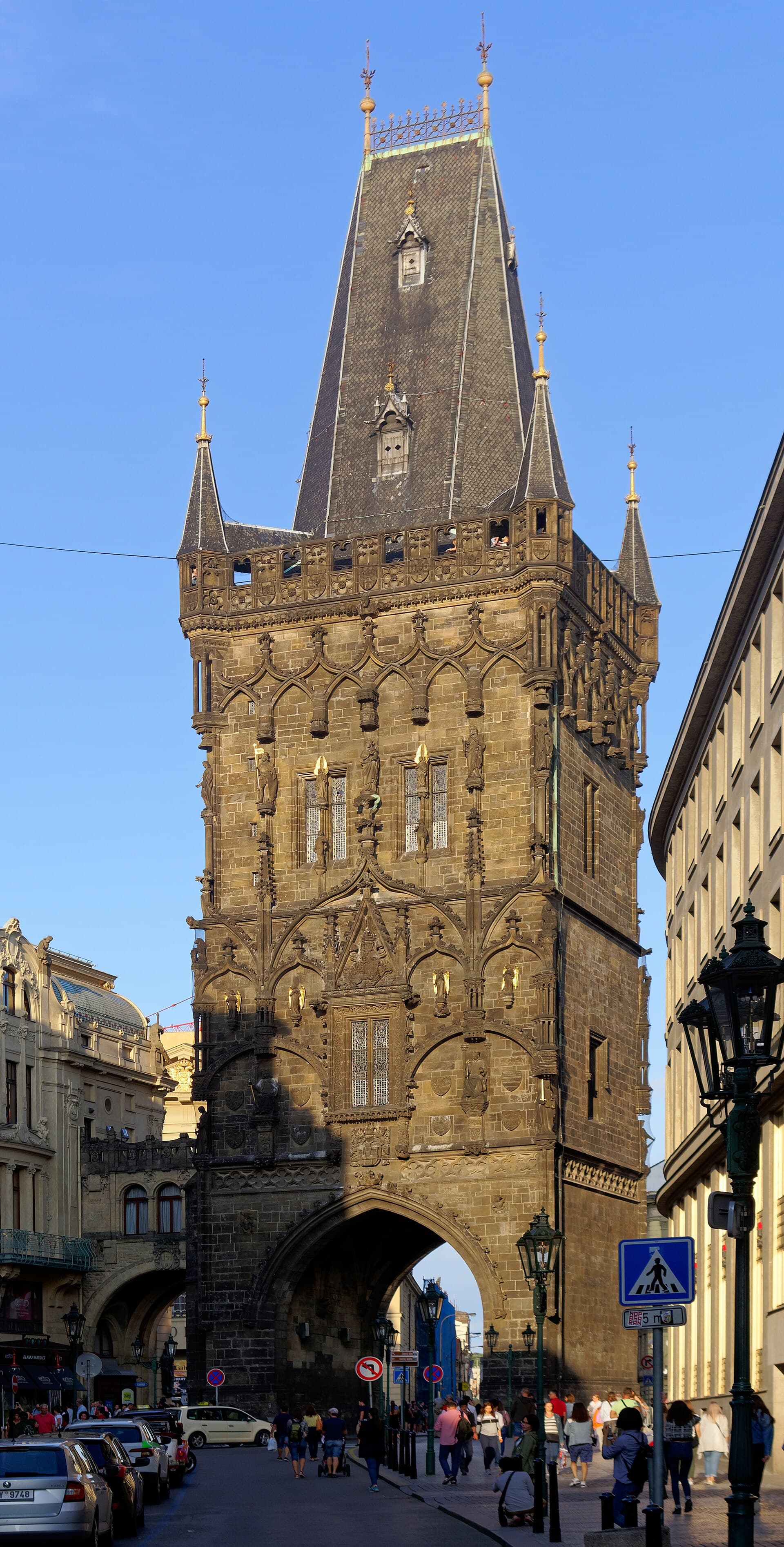 Powder TowerThe Powder Tower is the gate through which Prague brought in its kings. Begun in2 minutes walk4.5
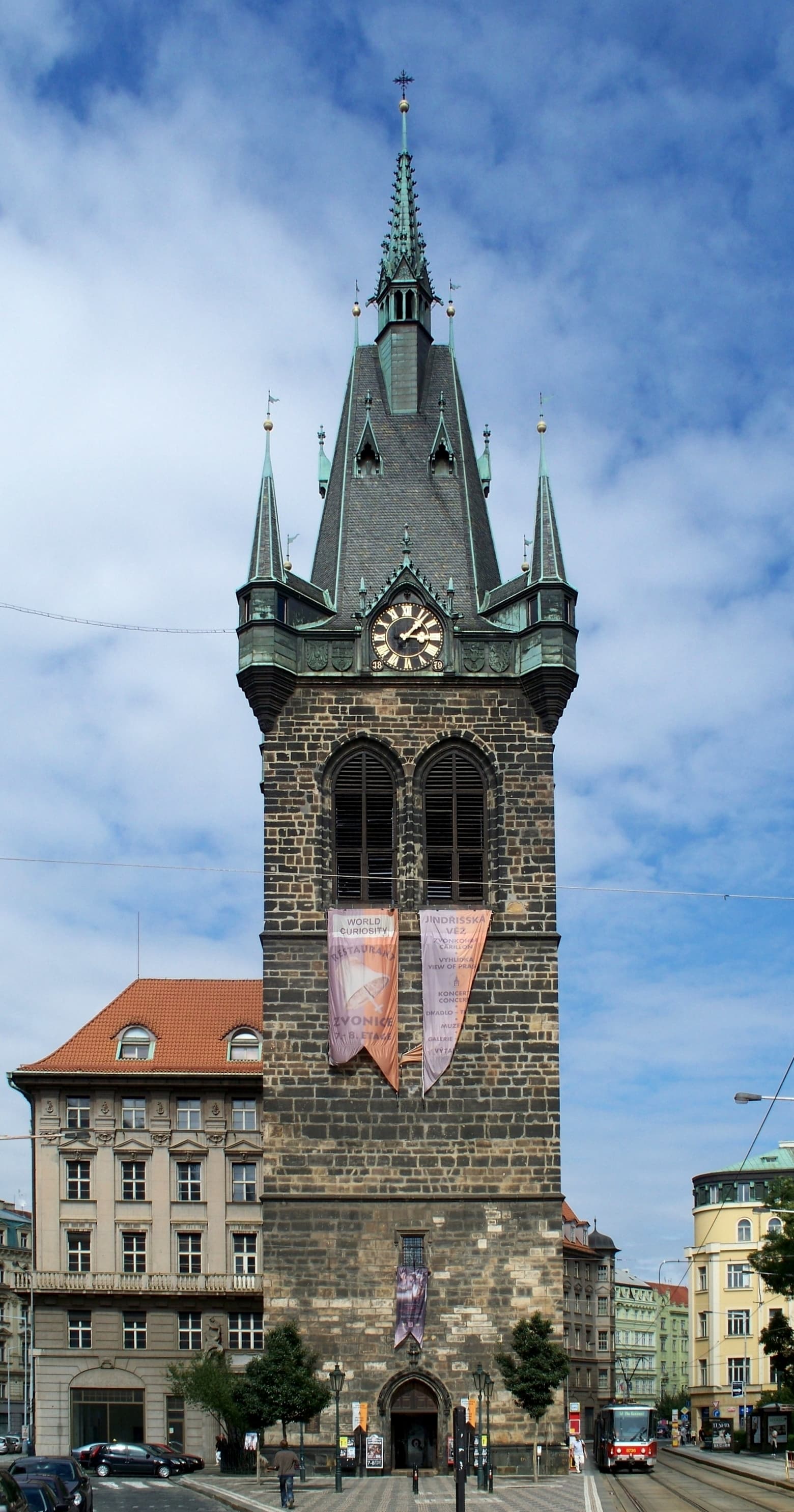 The Jindřišská TowerPrague's tallest free-standing belfry: Gothic Jindřišská (1476) was built as St 4 minutes walk4.5
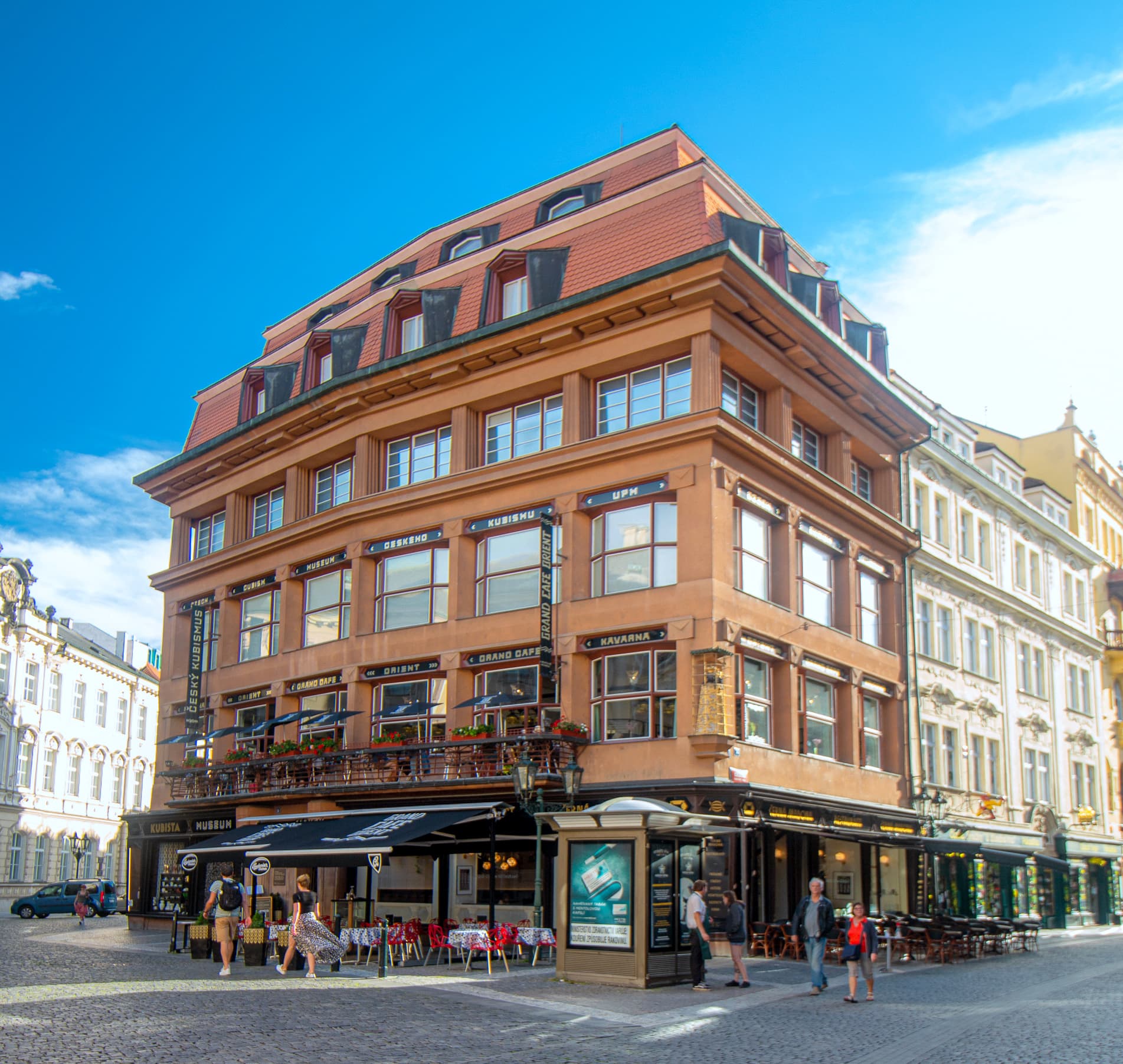 House of the Black MadonnaThe House of the Black Madonna is the first Cubist building in the world, and th4 minutes walk4.5
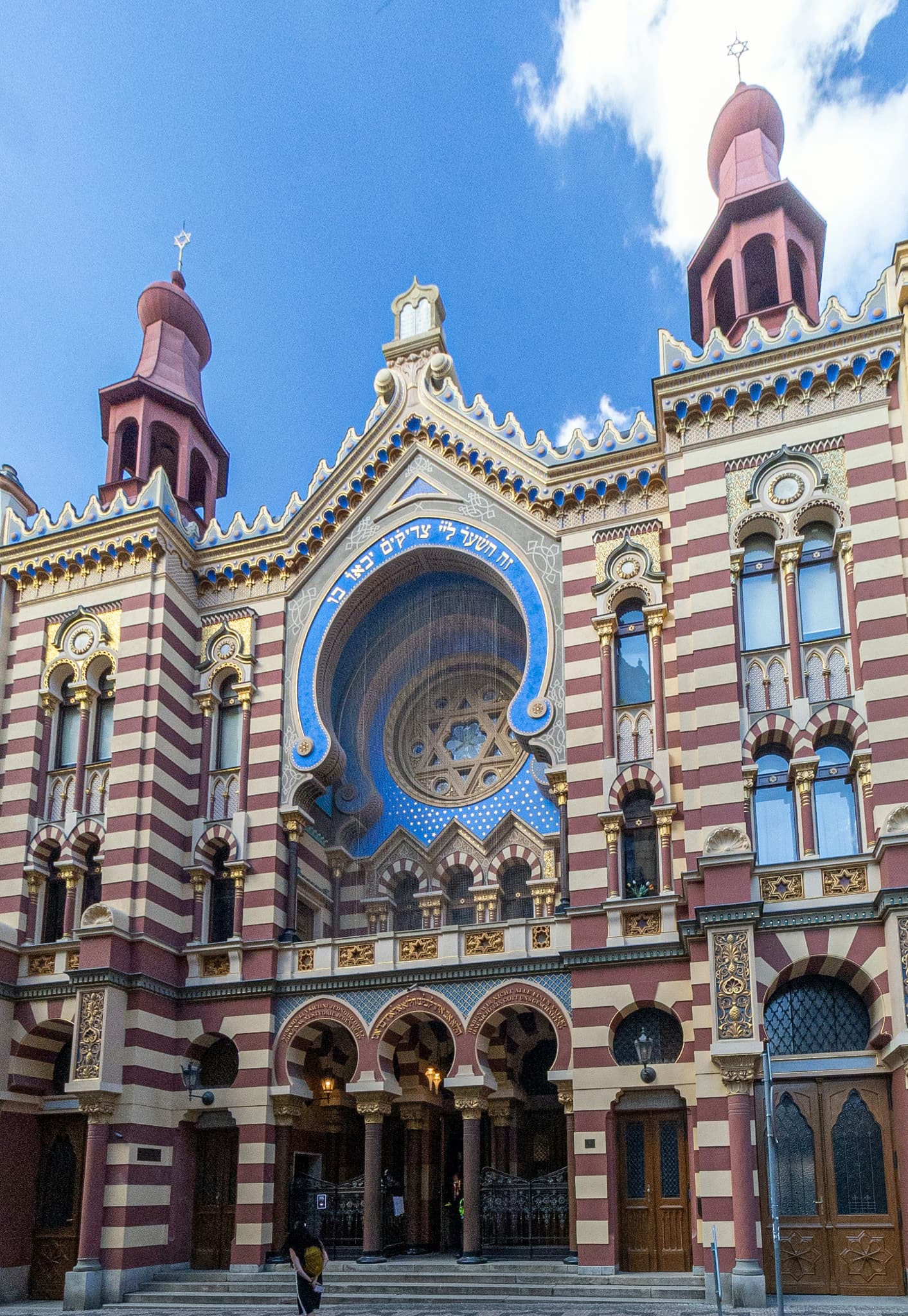 Jubilee SynagogueThe Jubilee Synagogue — also called the Jerusalem Synagogue, after the street it5 minutes walk4.7
From about ten upwards with an adult: some sections are harsh (interrogation, political executions, footage of repression). For younger children, choose the National Technical Museum instead.
It is openly critical of the regime and does not claim neutrality. It rests on documents, testimony and original objects, but read it as a narrative with a clear position — one that reflects the broad Czech consensus about that period.
The Prague Metronome in Letná park (the Stalin monument site), the National Monument at Vítkov, and the Wenceslas statue with the Palach memorial. Together they make a "20th-century Prague" route.
It costs more than Prague's state museums because it is private. Value depends on your interest: if 20th-century history engages you, this is among the best two hours in Prague; if not, cheaper alternatives exist.