
The Grand Café Orient
The only Cubist café in the world, with its original furniture and lamps — coffee inside a piece of design history.
VitVit — CC BY-SA 4.0 · Barnos — CC BY-SA 4.0 · Perituss — CC0 · Perituss — CC0
The House of the Black Madonna is the first Cubist building in the world, and that is a fact of architectural history rather than marketing. Josef Gočár designed it in 1912 as a department store and applied the principles of Cubist art to the building itself: a façade broken into slanting planes, windows with sharp angles, and details that look as though cubes had been cut from the stone. Cubism in architecture is an almost purely Czech experiment: it was not carried out this way anywhere else. Where Paris kept Cubism as an art of the canvas, Prague's architects took it into buildings, furniture and even coffee cups. The house takes its name from a small Baroque statue of a black Madonna that stood on the older building on this site, reinstalled on the corner. On the first floor is the Grand Café Orient, a complete Cubist café down to its furniture, lamps and balustrade, restored to the original design — you drink your coffee inside a piece of design history. The upper floors hold a permanent exhibition of Czech Cubism run by the decorative arts museum. The internal spiral staircase alone rewards going in.
The only Cubist café in the world, with its original furniture and lamps — coffee inside a piece of design history.
A sharp-angled Cubist balustrade winding through the building — one of the finest architectural details in Prague.
Slanting planes and sharply angled windows — look from across the street to see Cubism applied to stone.
Reproductions of Czech Cubist furniture and ceramics — among the best places to buy a genuine Prague gift instead of imported souvenirs.
Ovocný trh 19, Old Town, Prague 1
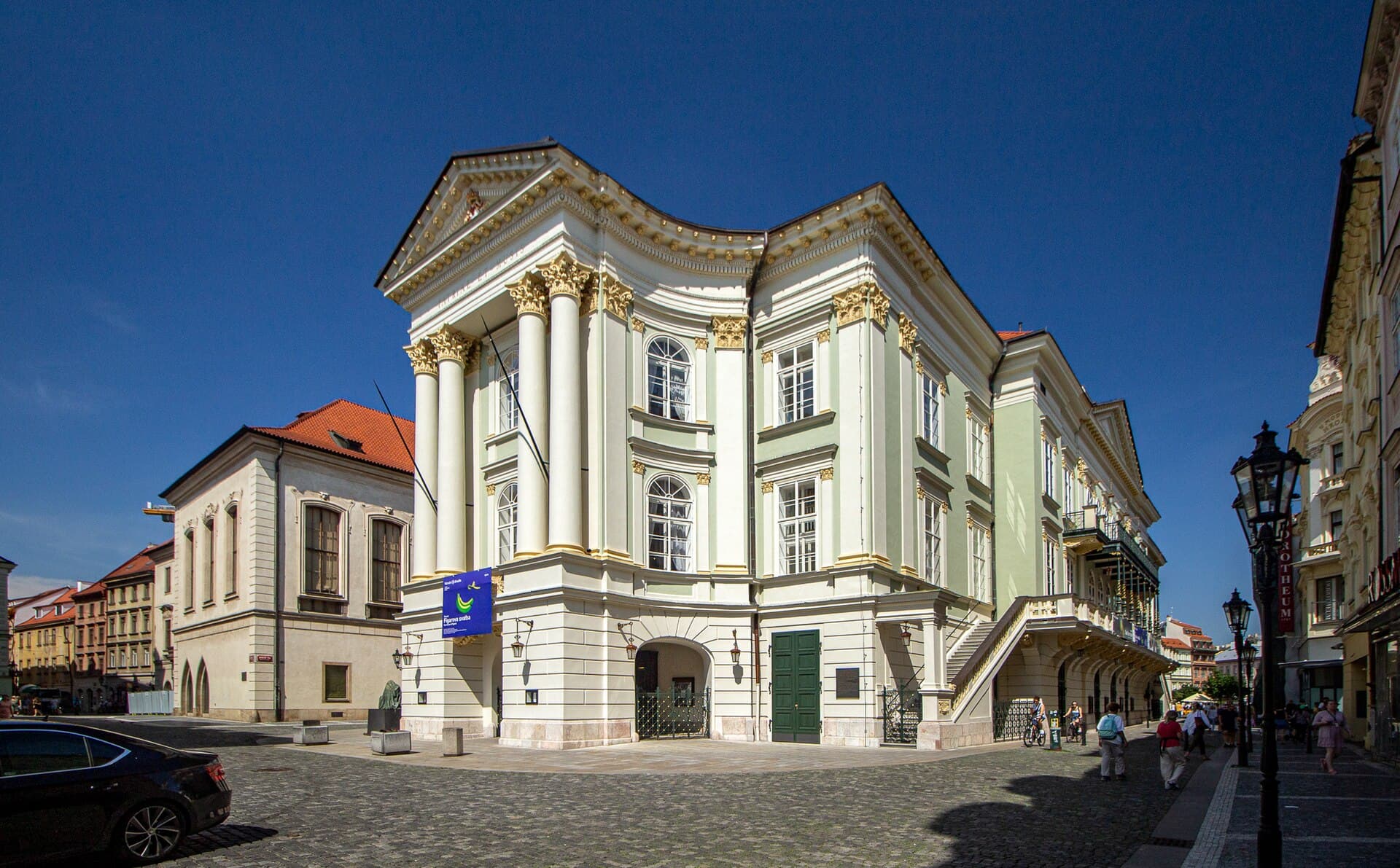 Estates TheatreThe Estates Theatre is a green-and-white classical building in the Old Town, ope2 minutes walk4.6
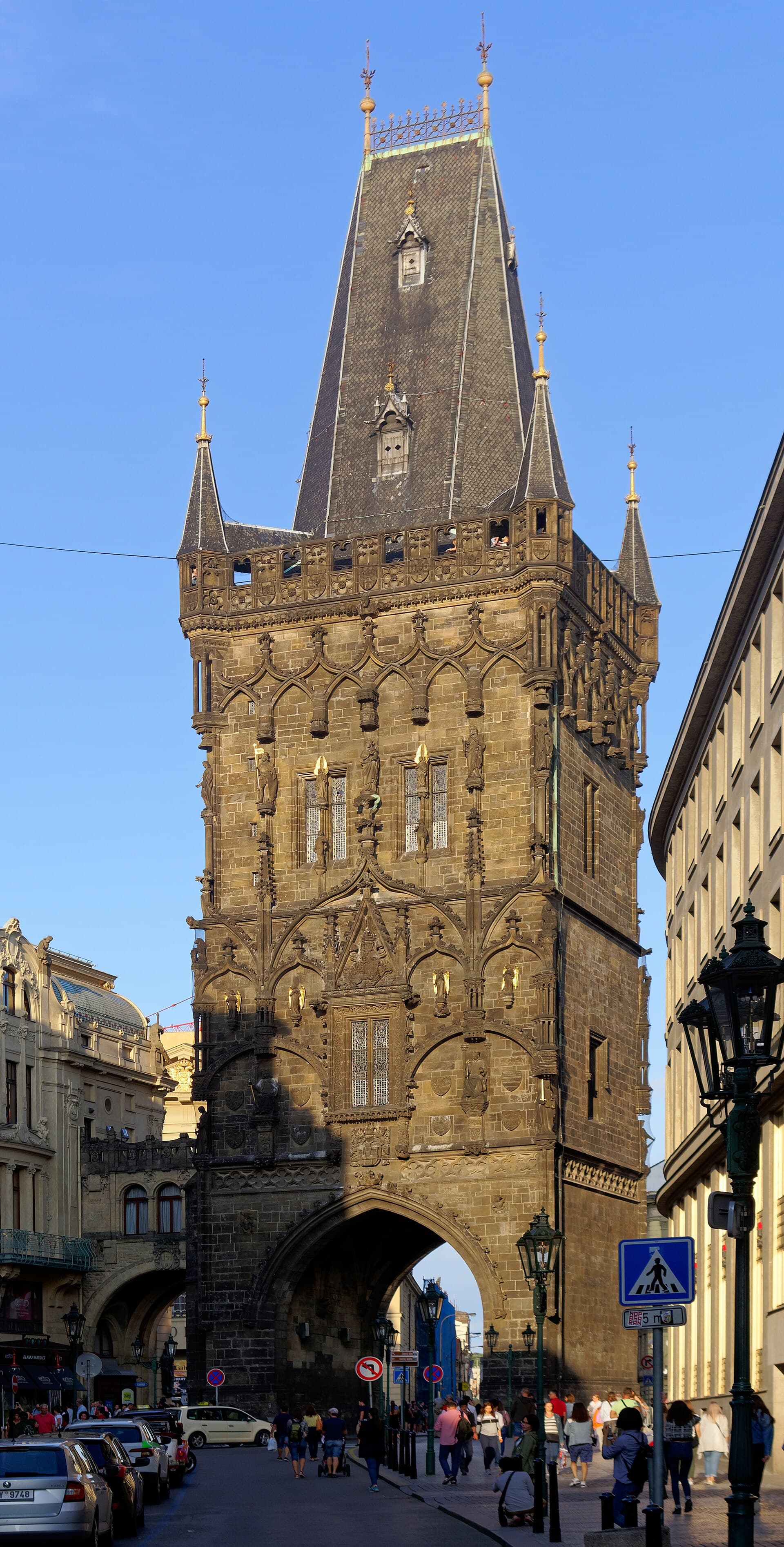 Powder TowerThe Powder Tower is the gate through which Prague brought in its kings. Begun in2 minutes walk4.5
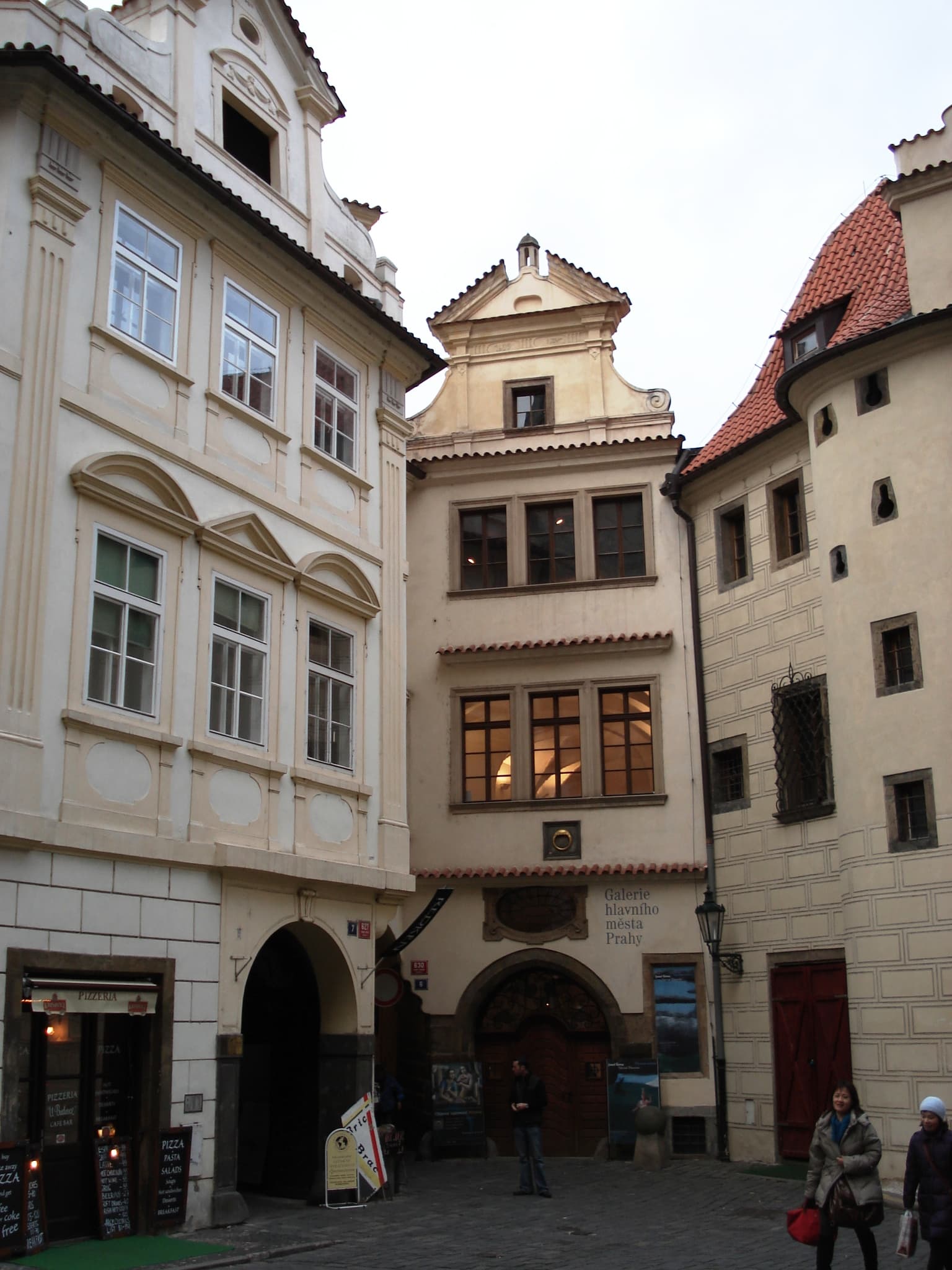 House at the Golden RingA fourteenth-century house directly behind the Church of Our Lady before Týn, on3 minutes walk4.7
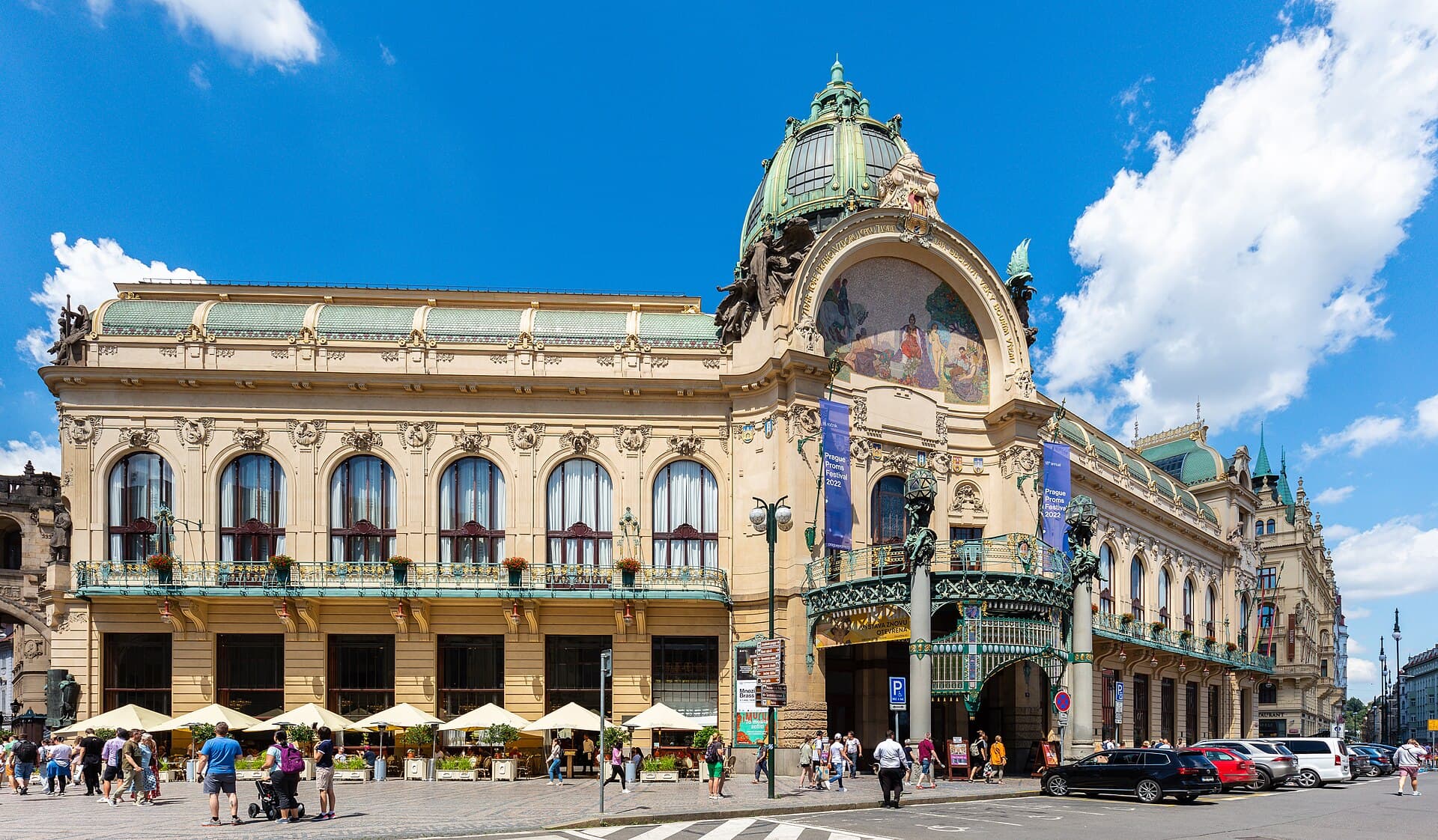 Municipal HouseThe Municipal House is the greatest thing Art Nouveau produced in Prague, and ar3 minutes walk4.8
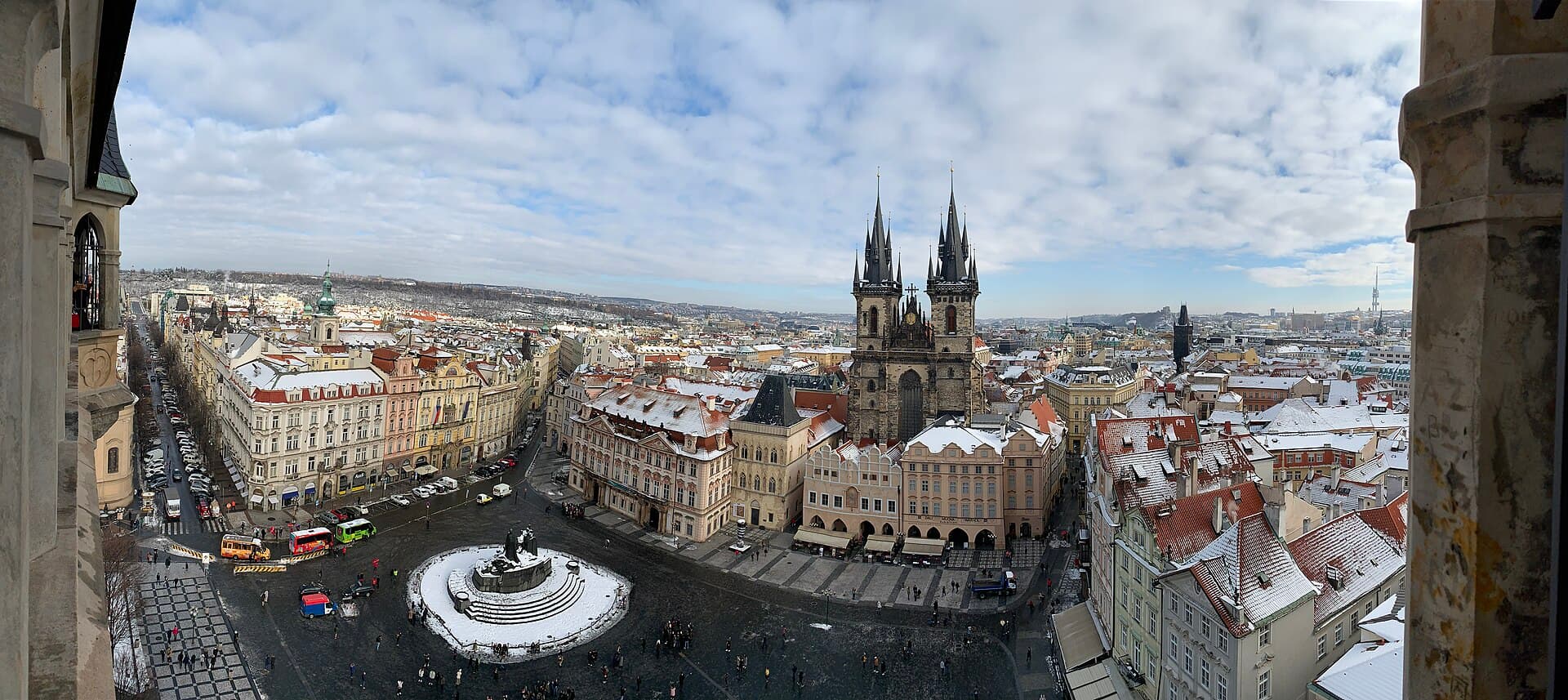 Church of Our Lady before TýnThe two spiked Gothic towers in every photograph of the Old Town Square belong t3 minutes walk4.6
A short-lived Czech movement (roughly 1911–1914) that took the fracturing of form in Picasso and Braque's paintings into buildings and furniture: slanted surfaces, sharp angles, crystalline shapes. It was applied at this scale nowhere else, and is a distinctly Czech contribution to modern architecture.
If design interests you, the exhibition earns its ticket. On a tight schedule, the café, the staircase and the façade — all free except your coffee — give you the whole idea.
The Trade Fair Palace has the widest collection of Cubist painting and sculpture, and the Vyšehrad district has several Cubist houses from the same decade — a short walk worth taking if the style appeals.
Twenty minutes for the façade and staircase, an hour if you sit in the café, an hour and a half with the exhibition. It is on your line between the Powder Tower and the Old Town Square, so it costs no detour.