
A vanished city
Whole streets survive only in this card model.
Zde — CC BY-SA 4.0 · Zde — CC BY-SA 4.0 · Zde — CC BY-SA 4.0 · Zde — CC BY-SA 4.0
Prague's official city-history museum, in a neo-Renaissance building of 1898 near Florenc station. Its best-known exhibit is the Langweil model: a scale model of the city made by the printer Antonín Langweil from card between 1826 and 1837, covering some twenty square metres. Its importance is not only aesthetic — the model documents the shape of Prague before the great Jewish quarter was demolished at the turn of the twentieth century, and it is the only visual record of many streets that no longer exist. Beyond it, the museum covers the city's history from the stone age to the nineteenth century, with archaeological, craft and painting collections. This museum explains the city you are walking through, and it is more useful at the start of a visit than at the end. The site is slightly off the usual tourist route and is quieter than the museums in the centre.
Whole streets survive only in this card model.
It explains what you will see in the streets, so it is worth more early.
Slightly off the usual route, with far less crowding.
Na Poříčí, near Florenc station
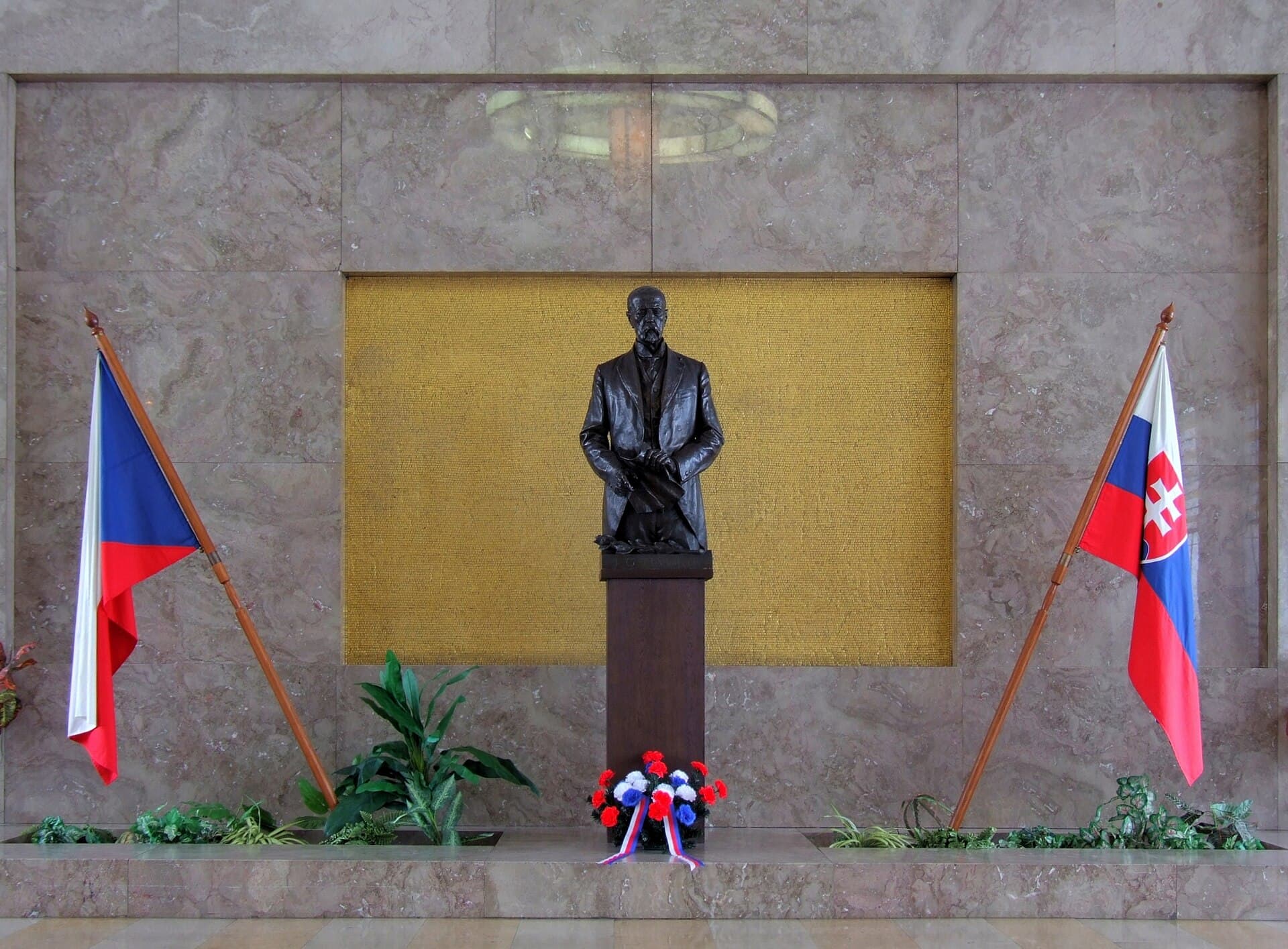 Army Museum ŽižkovThe Czech military history museum in Žižkov, reopened in 2022 after a full renov6 minutes walk4.8
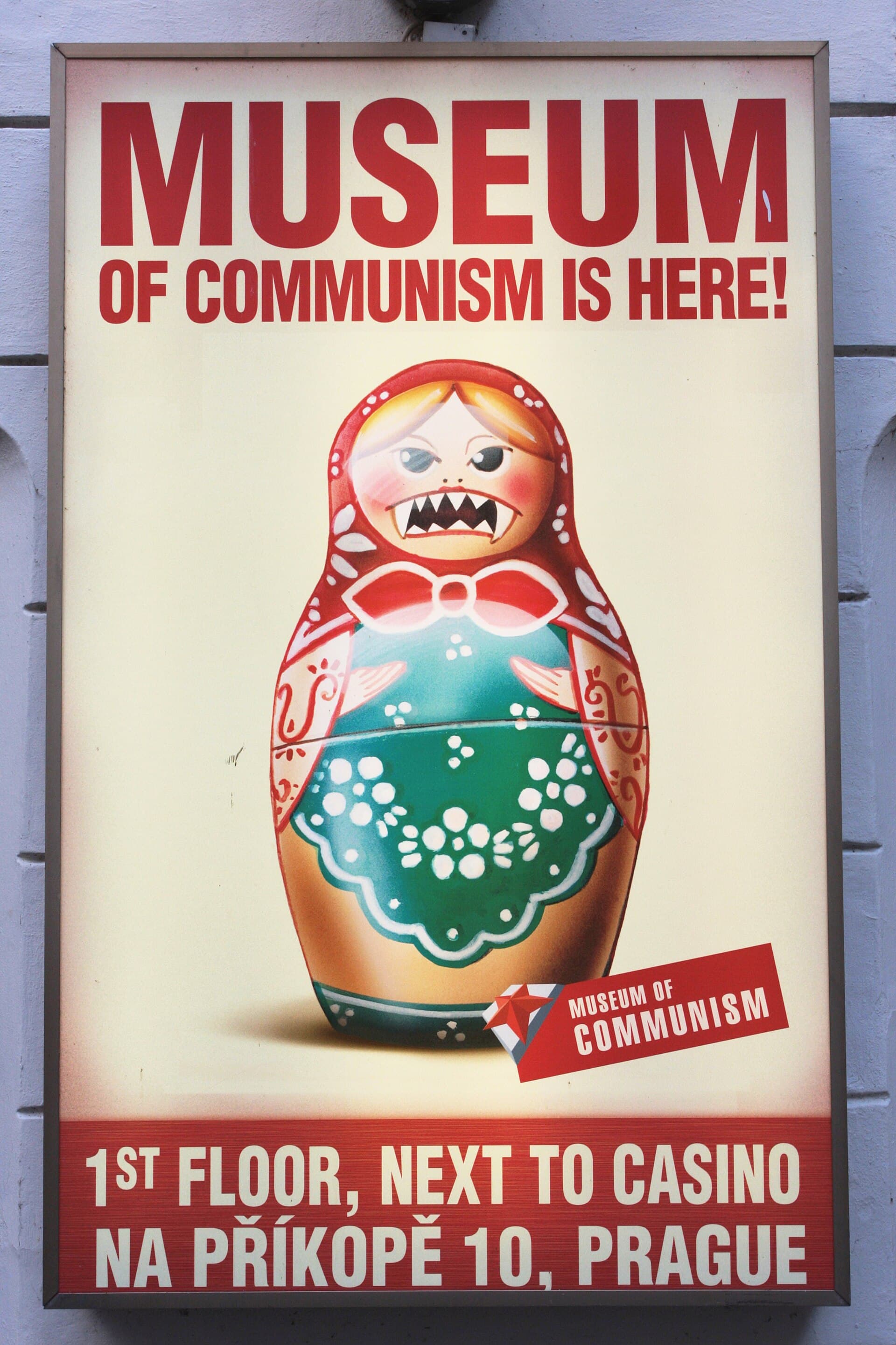 Museum of CommunismThe Museum of Communism tells forty years of Czechoslovak history, from 1948 to 8 minutes walk4.1
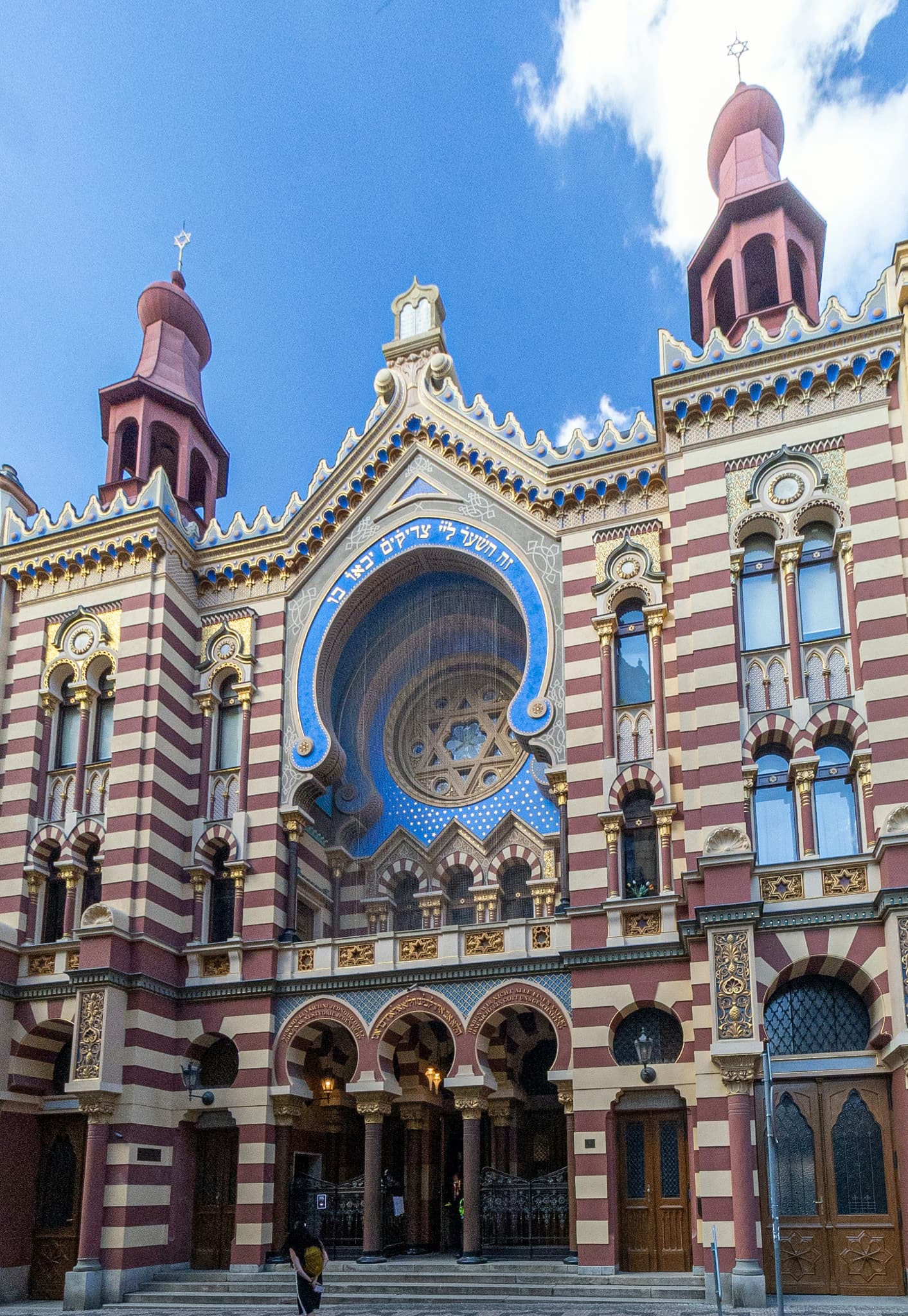 Jubilee SynagogueThe Jubilee Synagogue — also called the Jerusalem Synagogue, after the street it9 minutes walk4.7
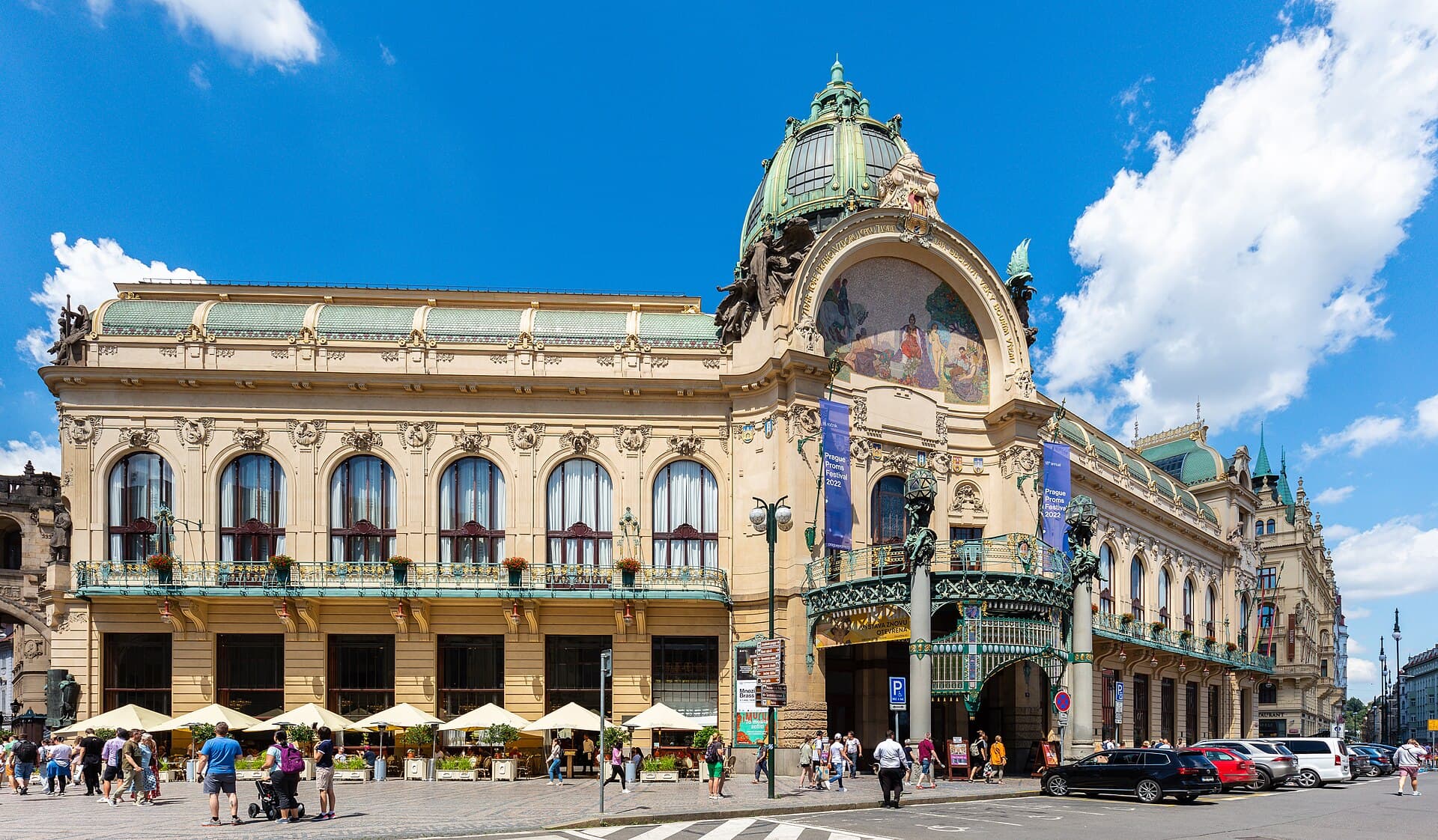 Municipal HouseThe Municipal House is the greatest thing Art Nouveau produced in Prague, and ar10 minutes walk4.8
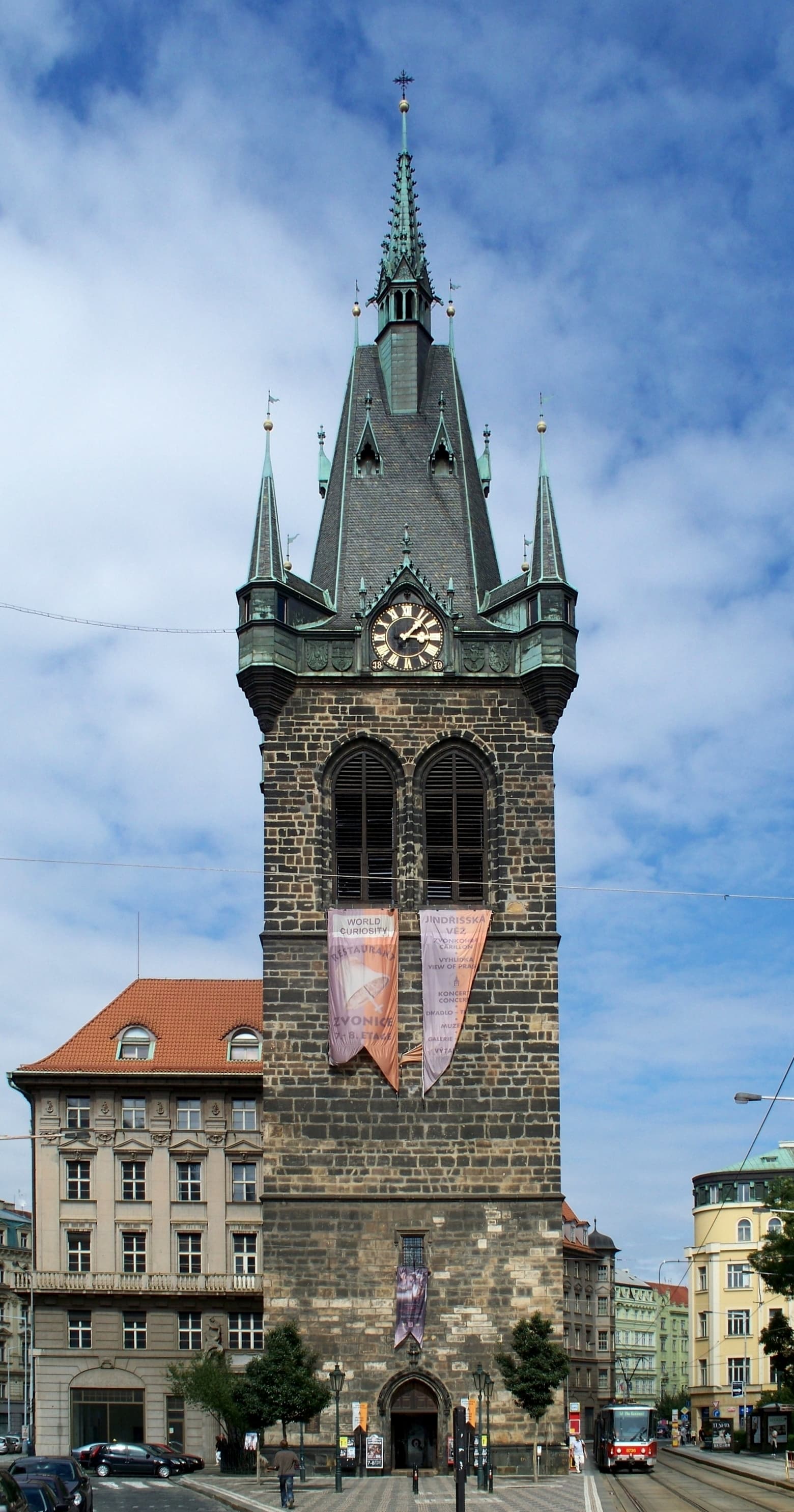 The Jindřišská TowerPrague's tallest free-standing belfry: Gothic Jindřišská (1476) was built as St 10 minutes walk4.5
Between 1893 and 1913 most of Josefov, the old Jewish quarter, was demolished in an official slum-clearance scheme that replaced it with wide Parisian-style streets. Six synagogues and the cemetery survived; hundreds of houses and lanes did not. The Langweil model was made decades earlier, so it is among the most important records of what was lost.
With two days in Prague, the castle, old town and Jewish quarter come first. With three days or more this museum adds a layer of understanding the sights alone do not give, and is worth two hours.