
An unusual founder
A revolutionary and exile who became a reformer arguing for women's education and rights.
Gabriel Millos from Santa Barbara, USA — CC BY-SA 2.0 · Vachovec1 — CC BY-SA 4.0 · Zde — CC BY-SA 4.0 · VitVit — CC BY-SA 4.0
A museum of Asian, African and American cultures in the Old Town, a branch of the Czech National Museum. It was founded by Vojta Náprstek in the nineteenth century. Náprstek is a striking figure: he took part in the 1848 revolution and had to flee to America, where he spent ten years, returning with an ethnographic collection and with reforming ideas about education and women's rights. He turned his family's house into a museum and public library. The collections include objects from Asia, Africa and the Americas, among them material gathered by Czech travellers in the nineteenth and twentieth centuries. Something should be said plainly: European ethnographic museums of this era were built in a colonial context, and much of what they hold was acquired in ways that would not be accepted today. The museum addresses this in its own recent exhibitions. The visit is as useful for understanding how Europe looked at the world in that century as for understanding the cultures displayed.
A revolutionary and exile who became a reformer arguing for women's education and rights.
Collections from a colonial era, which the museum addresses in its recent exhibitions.
Náprstek converted his family home into a museum and a library open to the public.
Betlémské náměstí, Old Town
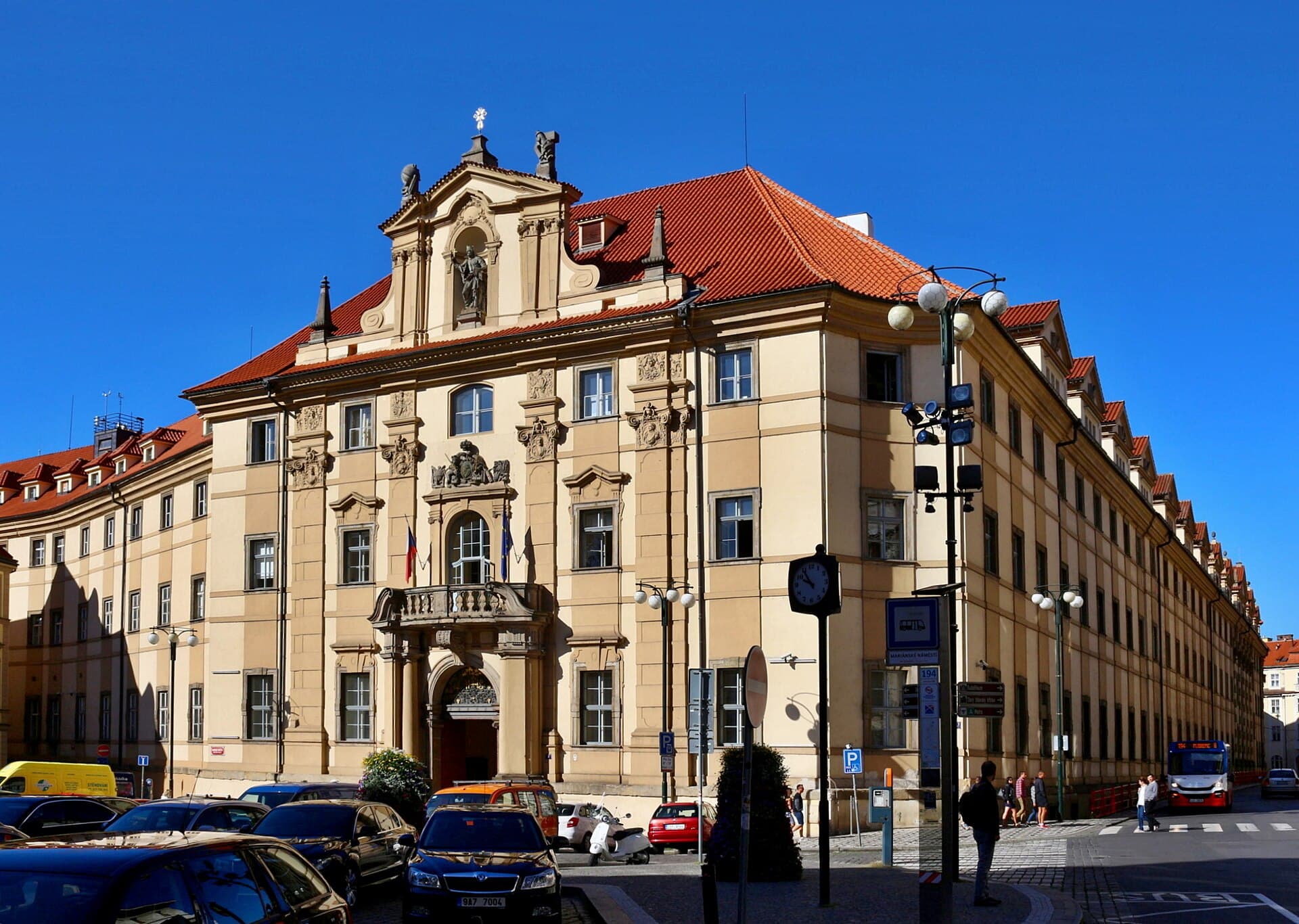 ClementinumThe Clementinum is a vast complex filling an entire block between Charles Bridge4 minutes walk4.4
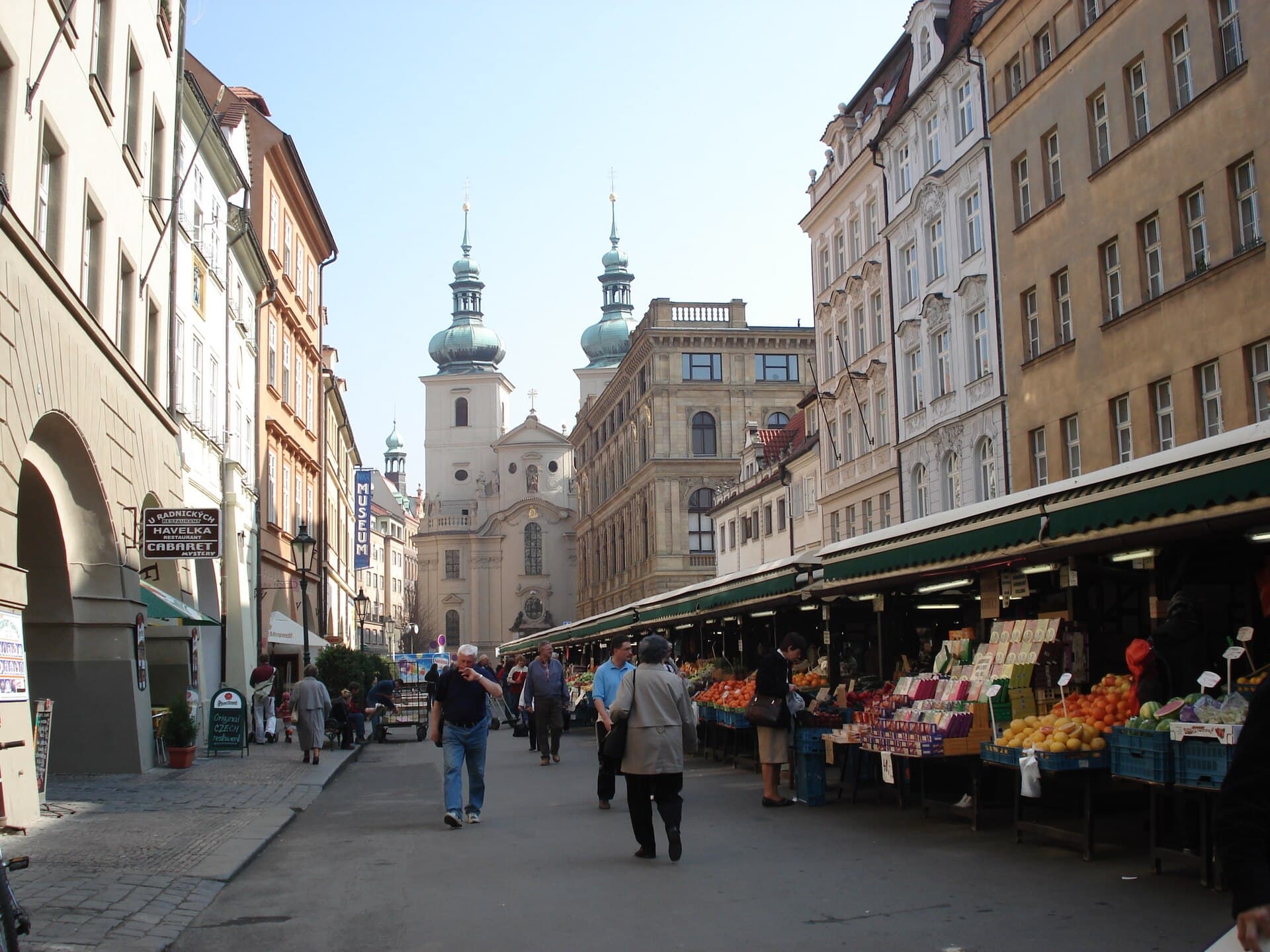 Havelské tržištěHavel's Market is the last open-air market left in the heart of old Prague, trad4 minutes walk4.3
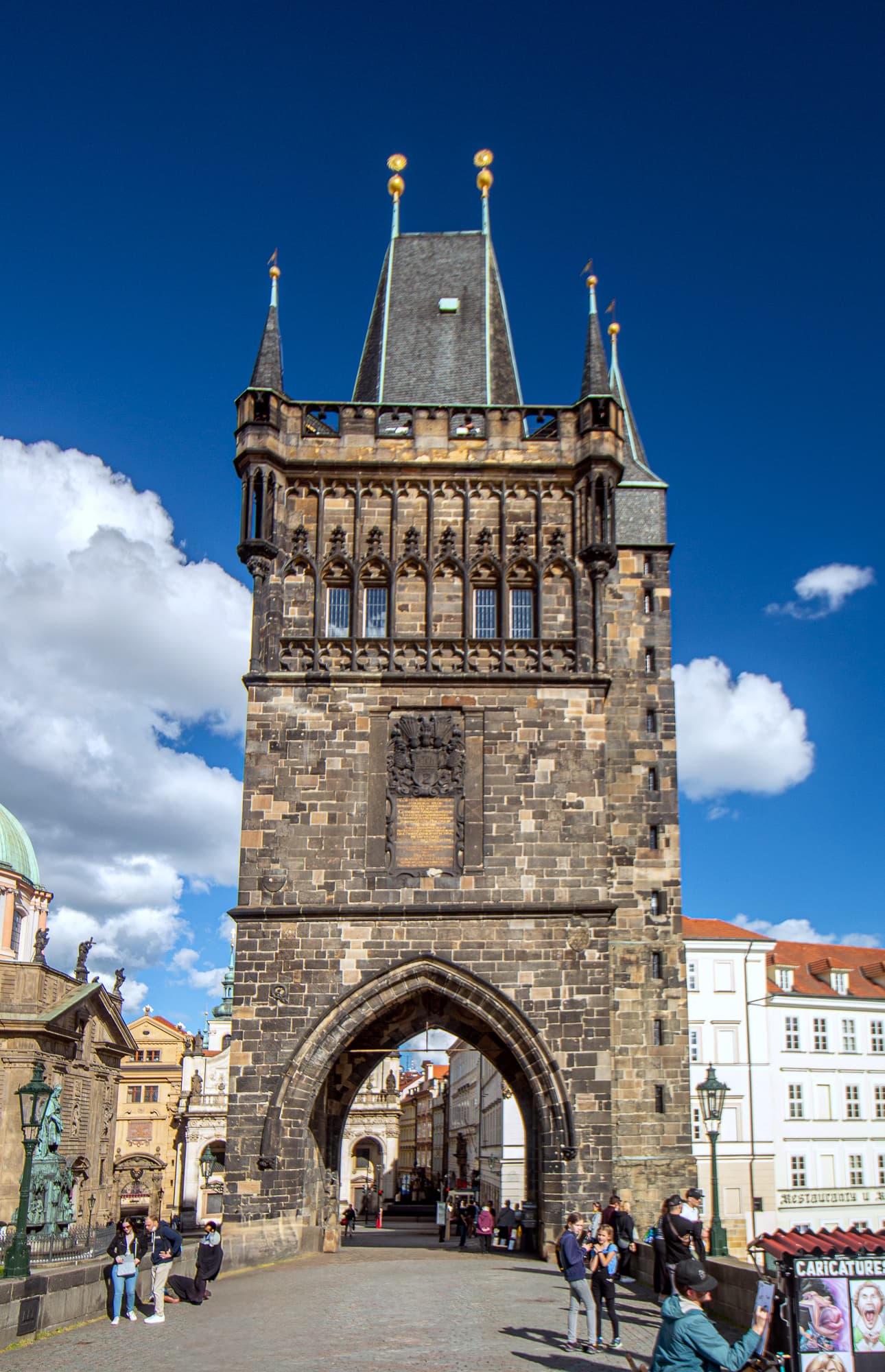 Old Town Bridge TowerThe Old Town Bridge Tower is the Gothic gate opening onto Charles Bridge from th4 minutes walk4.9
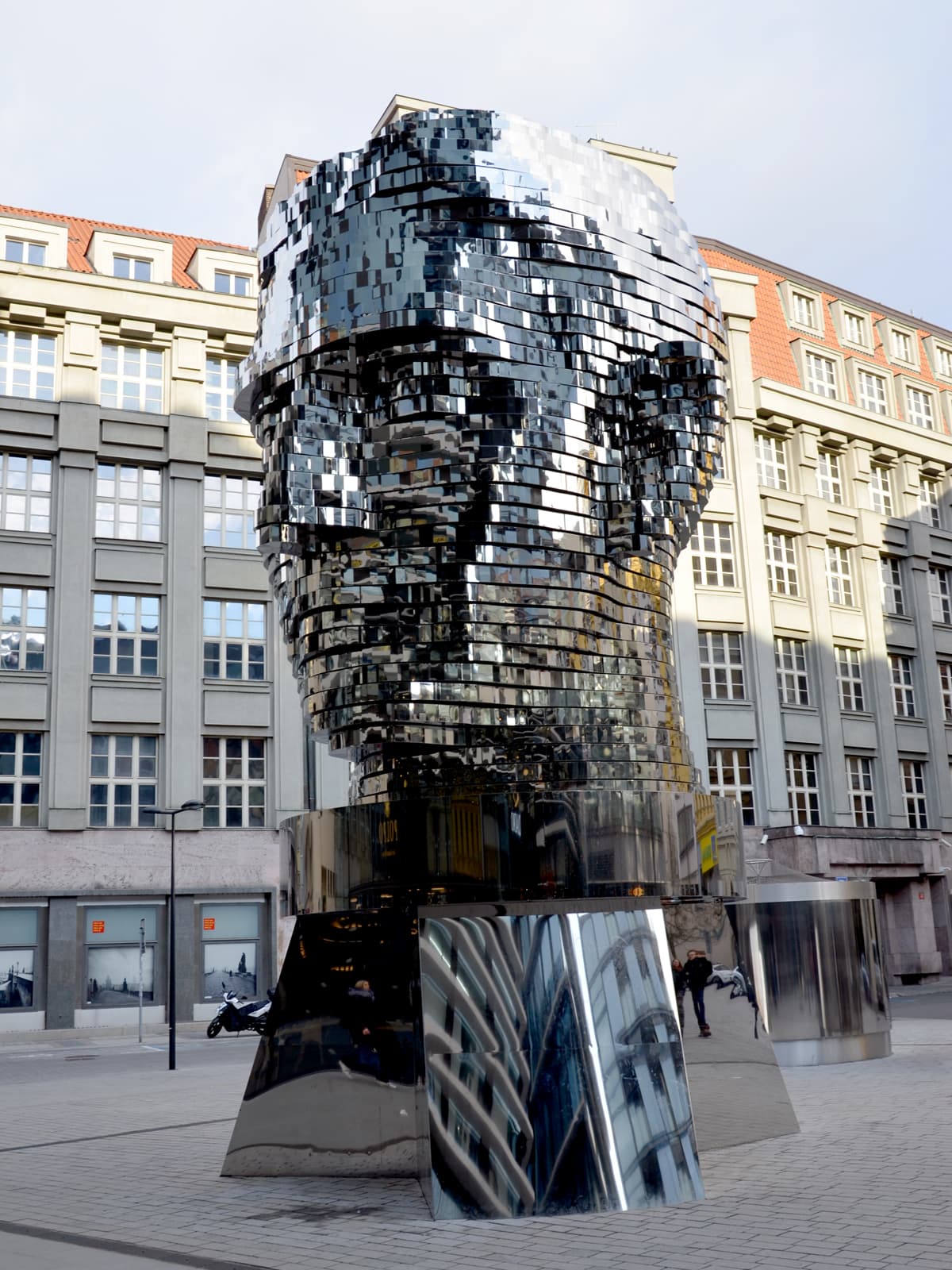 Head of Franz KafkaOn a small plaza outside a shopping centre near Národní třída stands a mirrored 5 minutes walk4.6
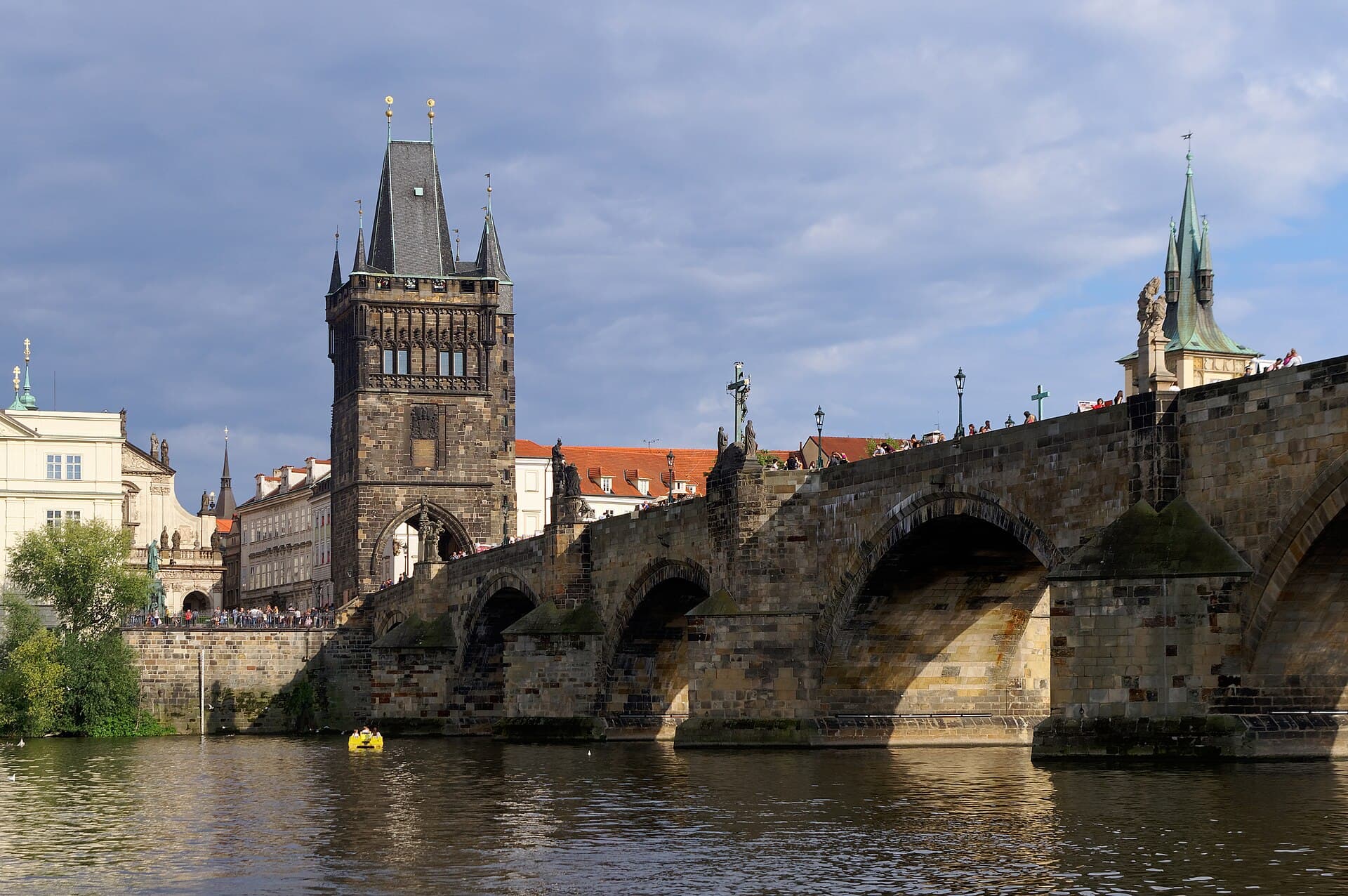 Charles BridgeCharles Bridge is the picture people carry in their heads of Prague: sixteen san5 minutes walk4.7
Part of the display is permanent — objects from Asia, Africa and the Americas — and a large part is temporary exhibitions that change several times a year. That means two visits at different times can differ considerably, so check the programme before going.
Usually not. On a first visit the Old Town, the castle and the Jewish quarter come first. This museum is for anyone staying longer, or specifically interested in ethnography and the history of travel.