
The history of Czech beer
An industry that defines the country, with a whole section on how it arose.
Neznámý, archiv Národního zemědělského muzea — CC BY-SA 4.0 · LenkaMartinka — CC BY-SA 4.0 · LenkaMartinka — CC BY-SA 4.0 · LenkaMartinka — CC BY-SA 4.0
A large museum of agriculture, food and forestry in the Letná district, adjoining the National Technical Museum, both in a functionalist building of the 1930s. The subject is broader than it sounds: how food is produced, how machinery changed farming, how forests are managed, and the history of Czech brewing — an industry that defines the country as much as almost anything else. The sections are modern and interactive, and many are aimed openly at children. What really distinguishes it is the roof: an open terrace giving one of the finest views in Prague — the castle, the river and the Old Town in a single sweep — without the crush of the tourist towers. It has a garden and a café. The museum is large and needs ninety minutes to two and a half hours. It pairs naturally with the National Technical Museum next door in a single day.
An industry that defines the country, with a whole section on how it arose.
The castle, the river and the Old Town in one sweep from the roof.
The sections are modern and many are aimed at them openly.
Kostelní, Letná district, beside the National Technical Museum
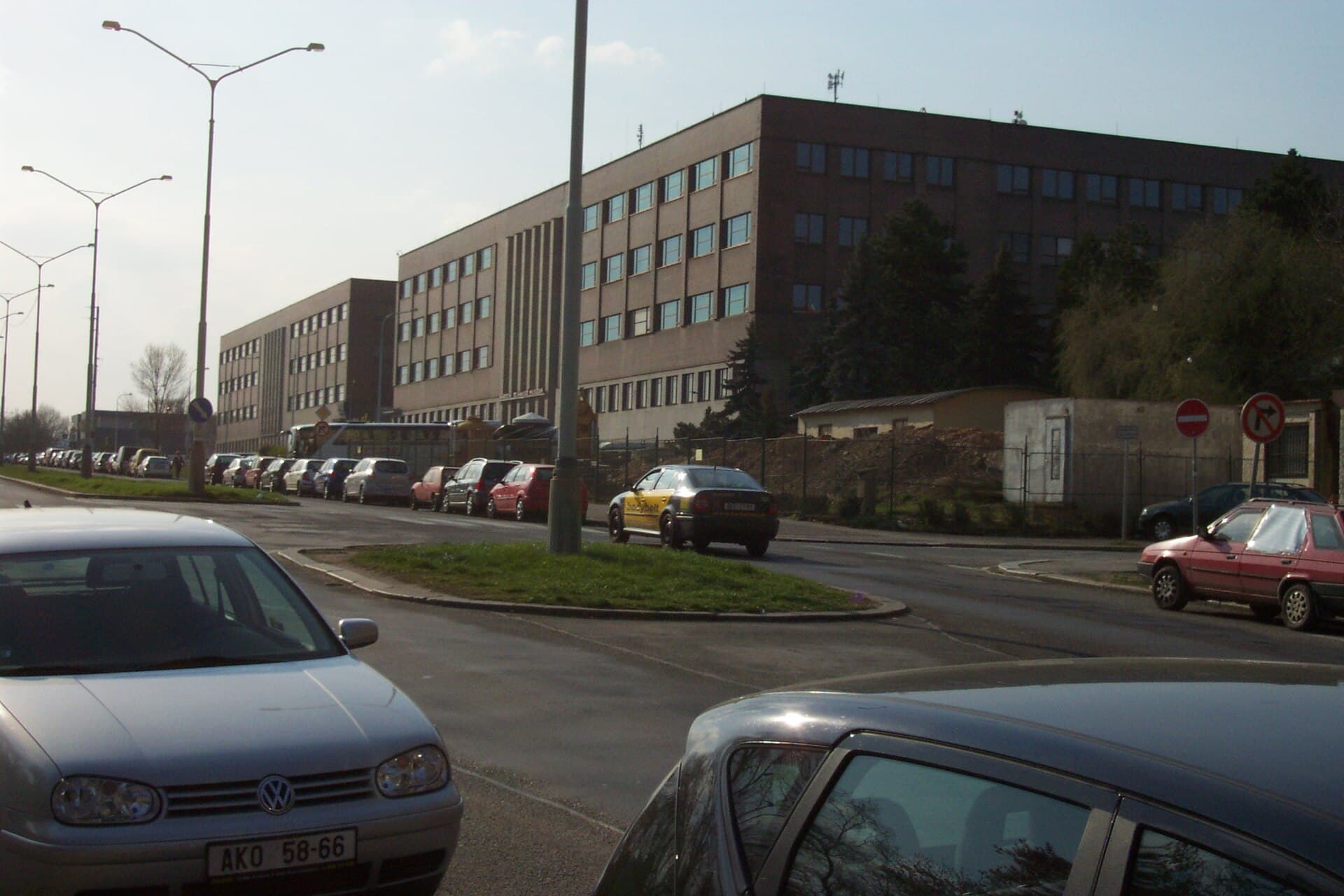 National Technical MuseumIf you are in Prague with children and want one guaranteed success, this is it. 2 minutes walk4.8
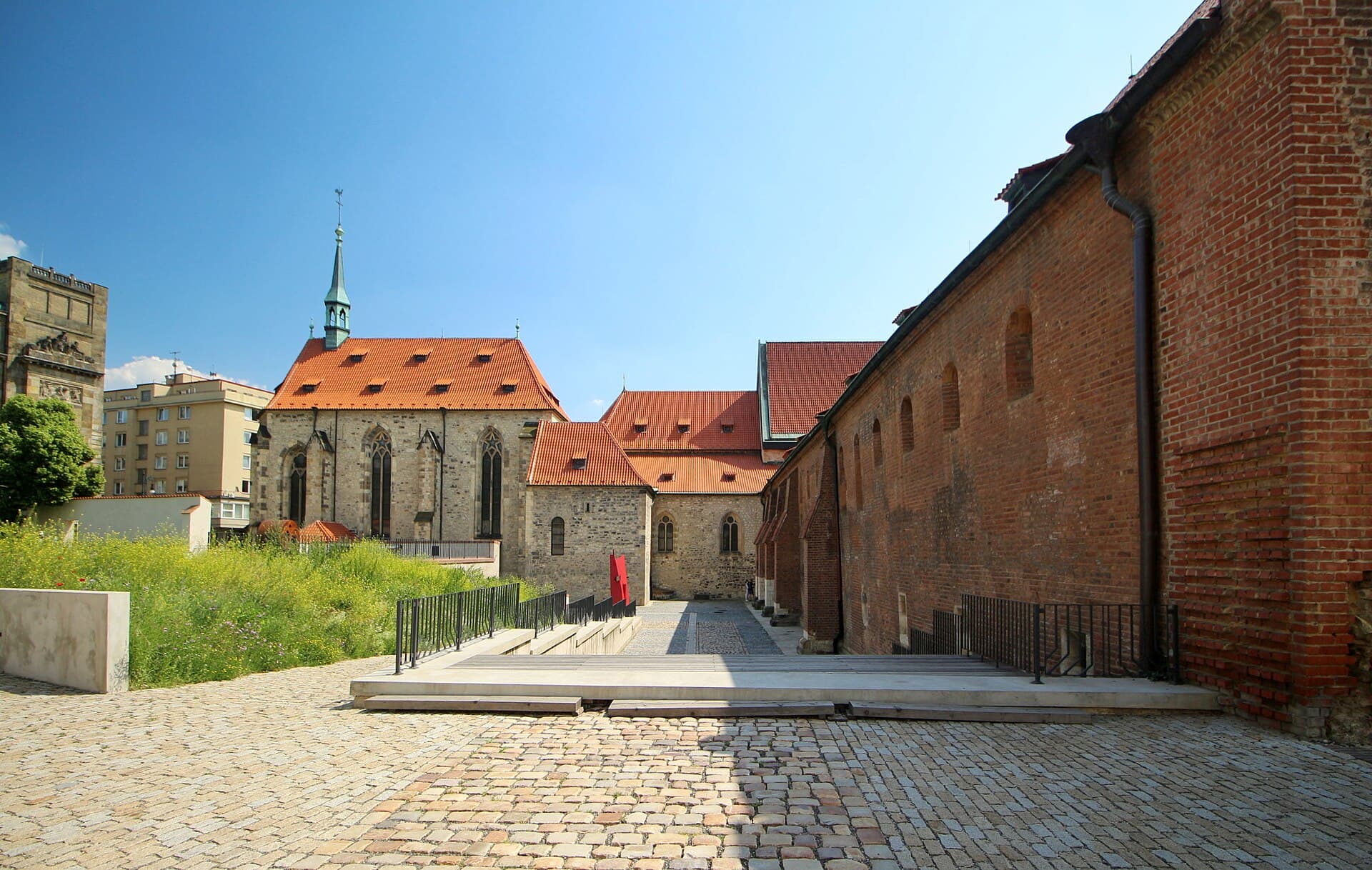 convent of St Agnes of BohemiaThe Convent of St Agnes is the oldest Gothic building in Prague, founded in 12316 minutes walk4.7
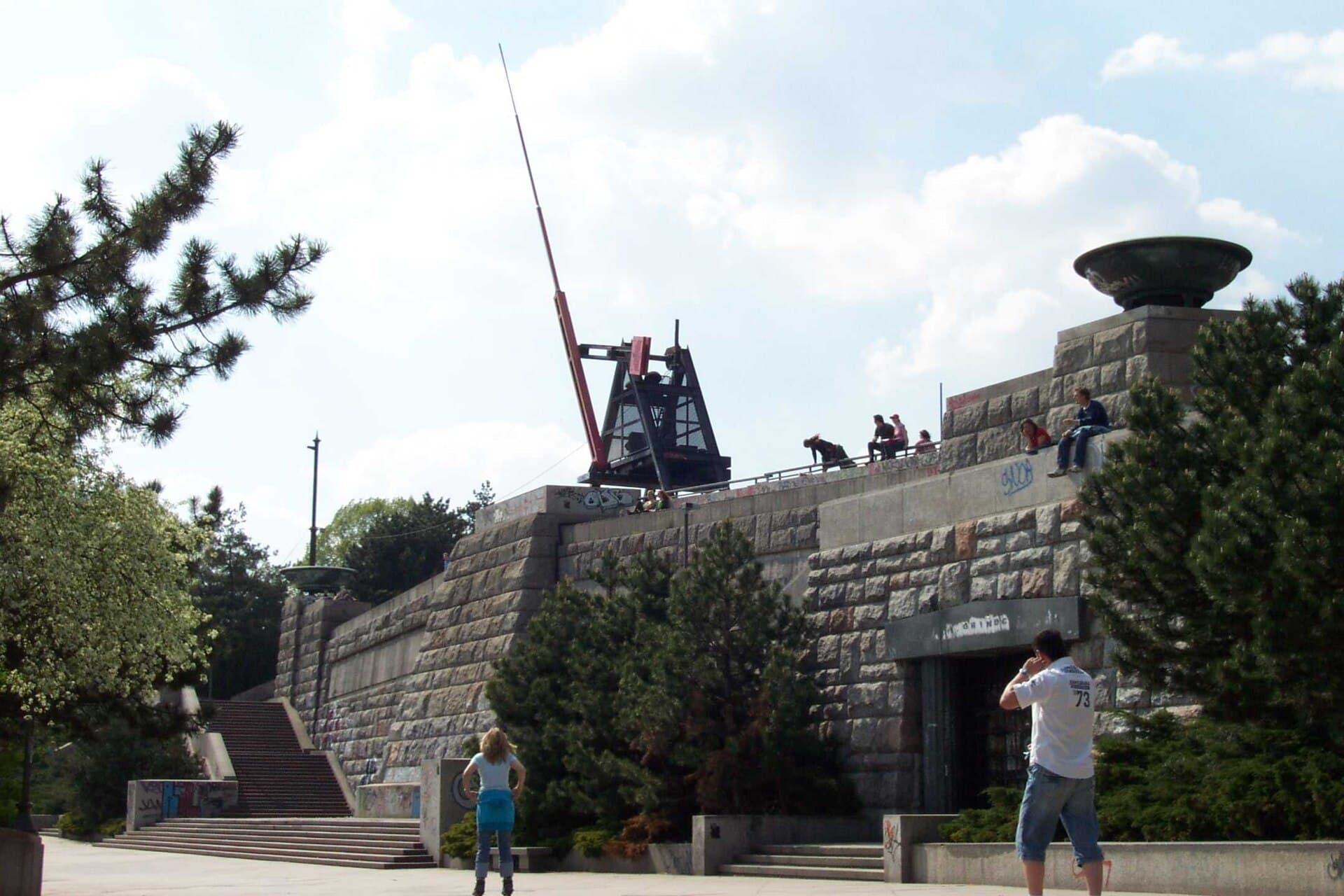 Prague MetronomeOn a massive stone terrace overlooking the Vltava, a red metal arm some 23 metre8 minutes walk4.2
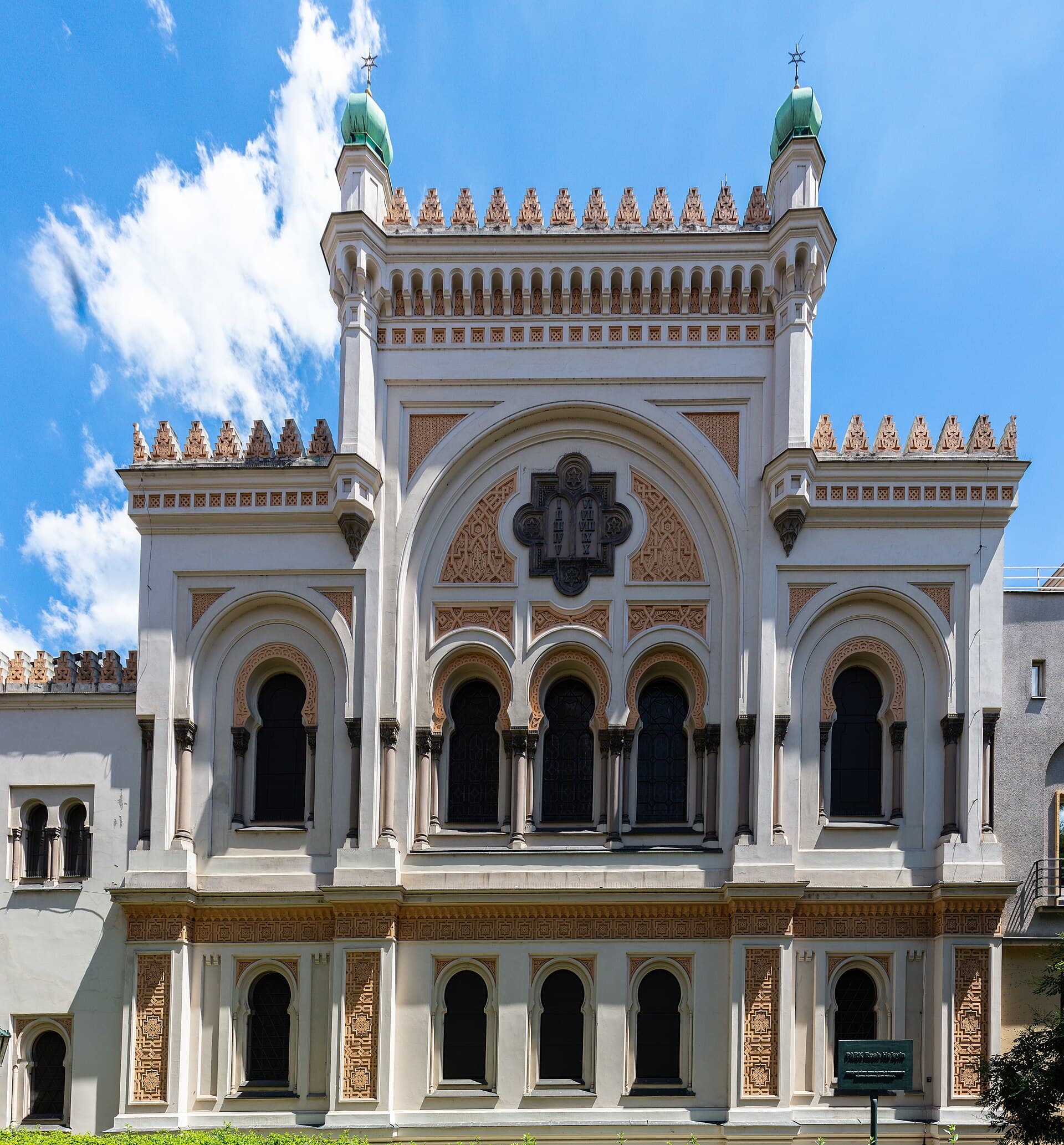 Spanish SynagogueThe Spanish Synagogue is the most beautiful building in Prague's Jewish quarter,9 minutes walk4.4
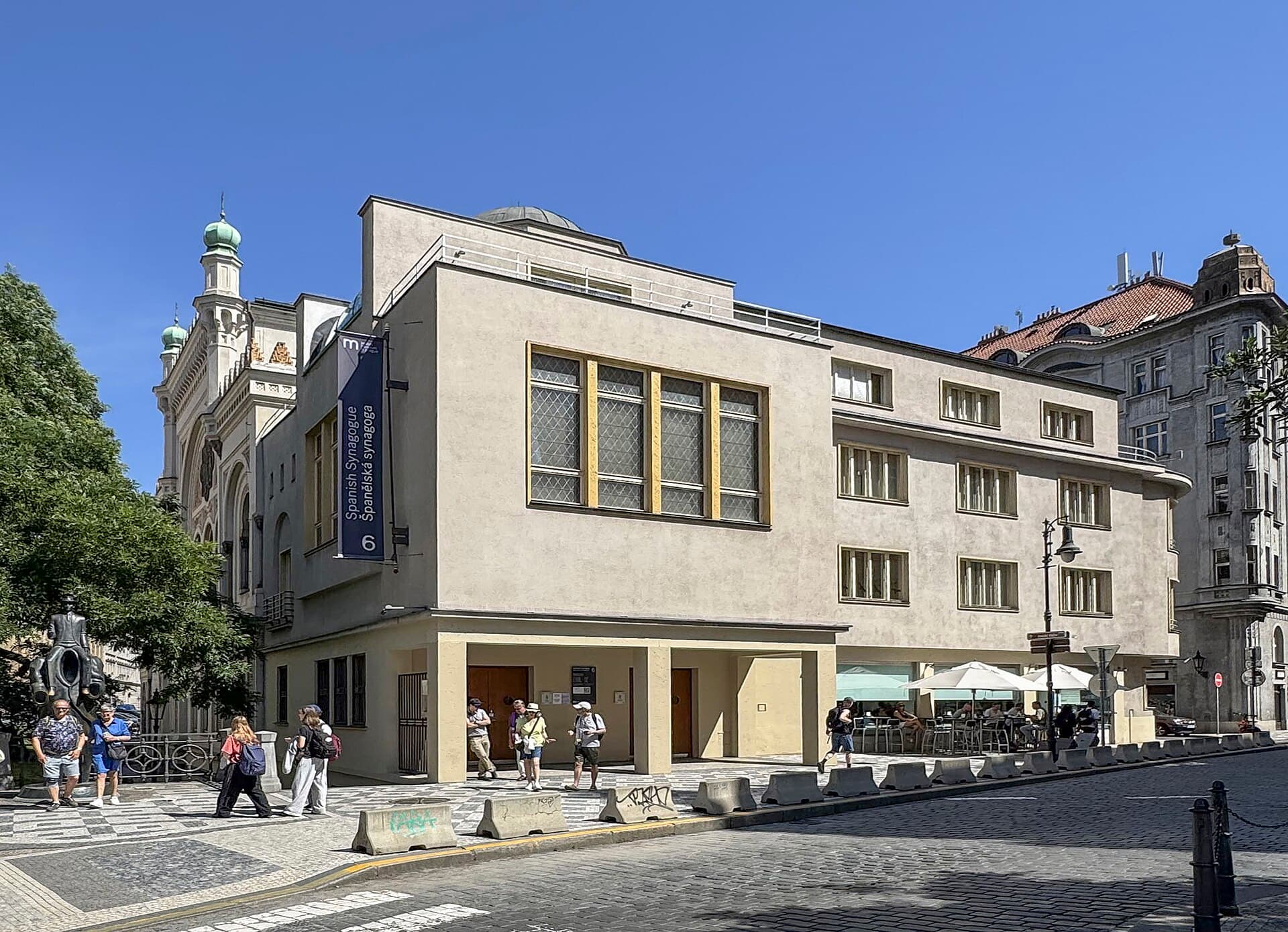 Jewish Museum in PragueThe Jewish Museum in Prague is not one building but a whole route through the Jo10 minutes walk4.4
The Czechs have led the world in beer consumption per head for decades. Pale lager of the pilsner type was created in the town of Plzeň in 1842 and became the most widespread style in the world — most beer drunk globally today descends from it. Czech breweries are part of national identity, not only industry.
No. It can be seasonal and closes in bad weather or outside the summer months. If the view is your main reason for going, check first — in winter you may find it shut.