
The Pinkas Synagogue
The names of some eighty thousand Bohemian and Moravian Jewish victims written by hand on the walls — the hardest and strongest point of the route.
Martina Kemrová — CC BY-SA 4.0 · Martina Kemrová — CC0 · Pietro Di Fontana — CC BY-SA 4.0 · Feťour — CC0
The Jewish Museum in Prague is not one building but a whole route through the Josefov quarter: four historic synagogues, the Old Jewish Cemetery and the Ceremonial Hall, all on one ticket within a ten-minute walk. Founded in 1906, it holds today one of the largest collections of Jewish objects in the world. The story of the collection itself is painful and complicated: during the Nazi occupation, thousands of items were gathered from Jewish communities across Bohemia and Moravia and stored in Prague. The result is that thousands of objects survived while their owners did not — and that contradiction is what makes a visit here a heavy experience rather than merely a sightseeing one. The route takes in: the Maisel Synagogue, on the history of Jews in the Czech lands; the Pinkas Synagogue, dedicated to the victims of the Holocaust, with the names of some eighty thousand written on its walls; the Old Cemetery with its layered headstones; the Klausen Synagogue, on traditions and festivals; and the Spanish Synagogue with its Andalusian ornament. Set aside a full half day. The logical order is Maisel, then Pinkas and the cemetery, then Klausen, and finally the Spanish — history, then loss, then beauty.
The names of some eighty thousand Bohemian and Moravian Jewish victims written by hand on the walls — the hardest and strongest point of the route.
Twelve thousand headstones crowded into a small plot over many layers — an unforgettable sight.
Upstairs at Pinkas: drawings by children from the Terezín camp, most of whom did not survive — the hardest room in Prague.
The most beautiful building on the route, in gilded Moorish ornament — make it last, so the visit ends on something beautiful.
Josefov quarter, Prague 1
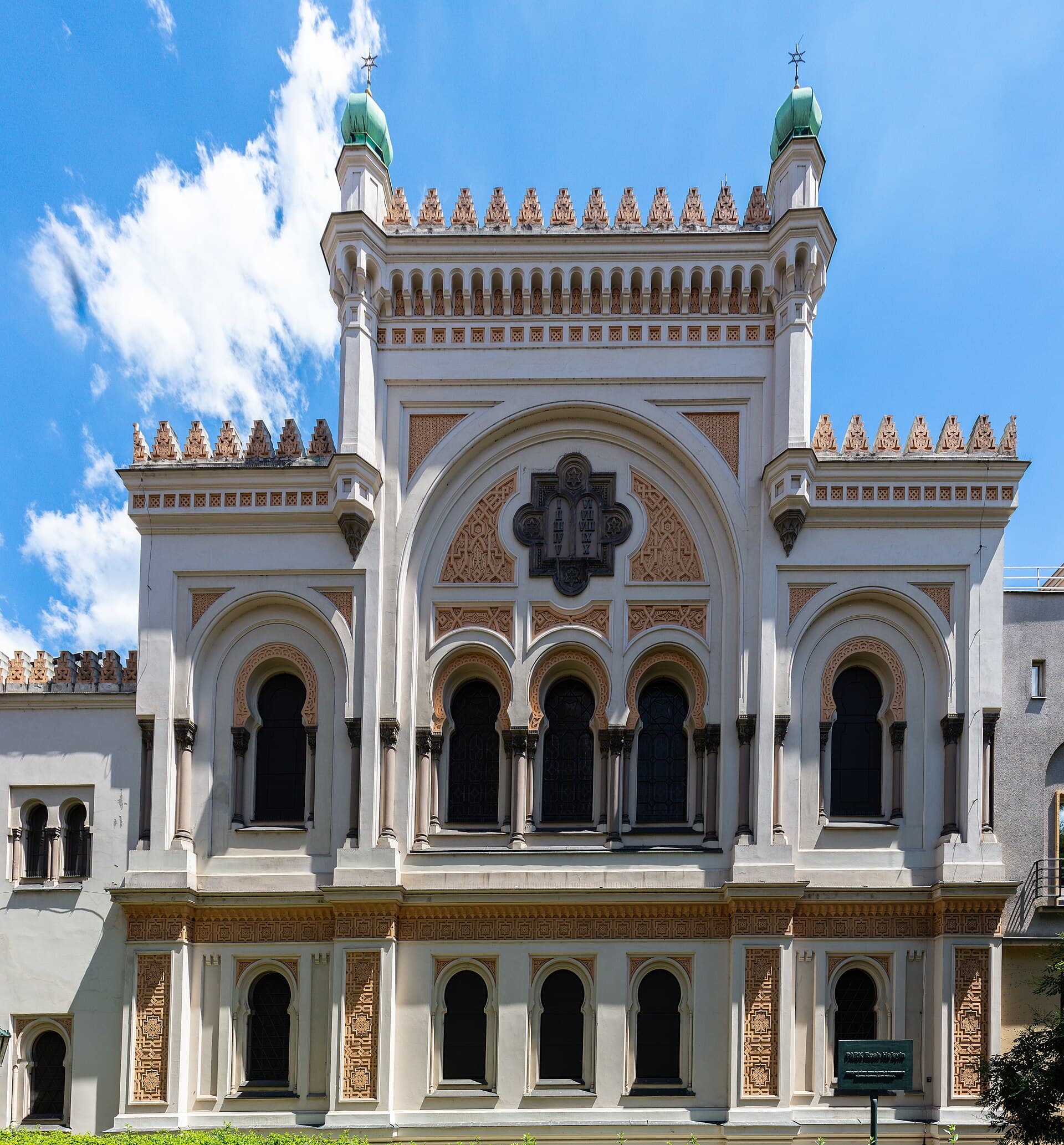 Spanish SynagogueThe Spanish Synagogue is the most beautiful building in Prague's Jewish quarter,1 minute walk4.4
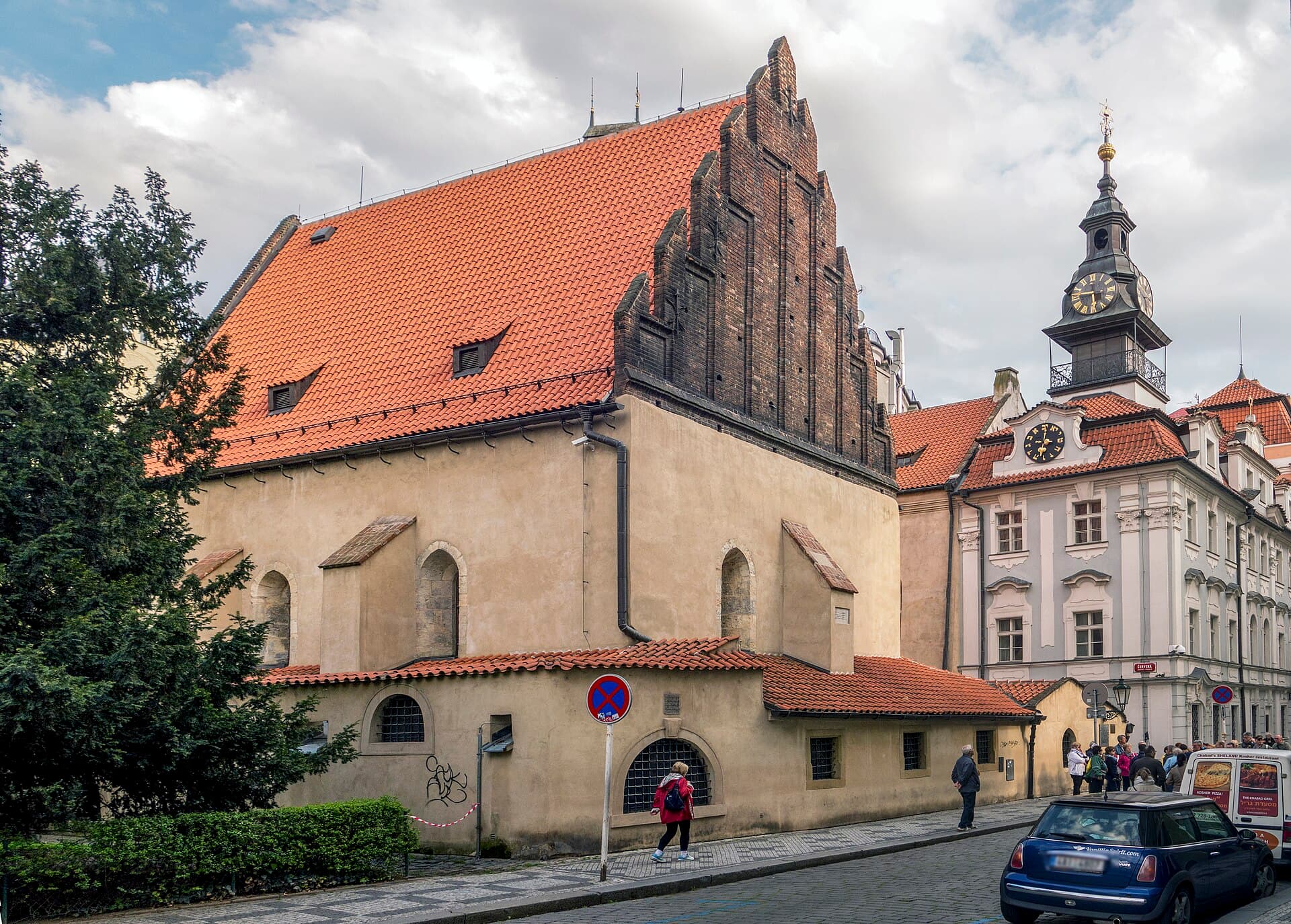 Old New SynagogueThe Old-New Synagogue is the oldest synagogue in Europe still in use for prayer,2 minutes walk4.4
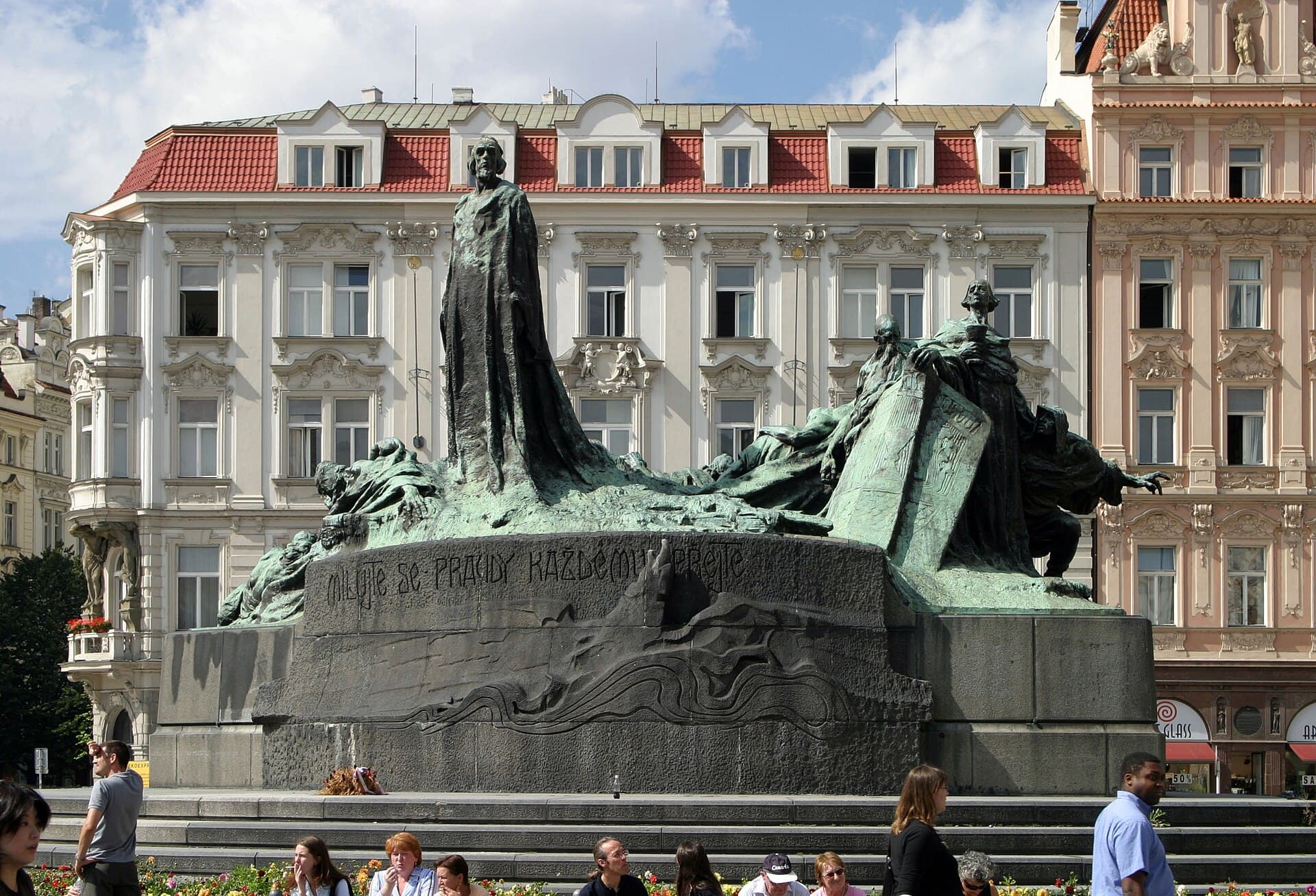 Jan Hus MemorialRight in the middle of the Old Town Square stands a dark bronze mass: the Jan Hu3 minutes walk4.7
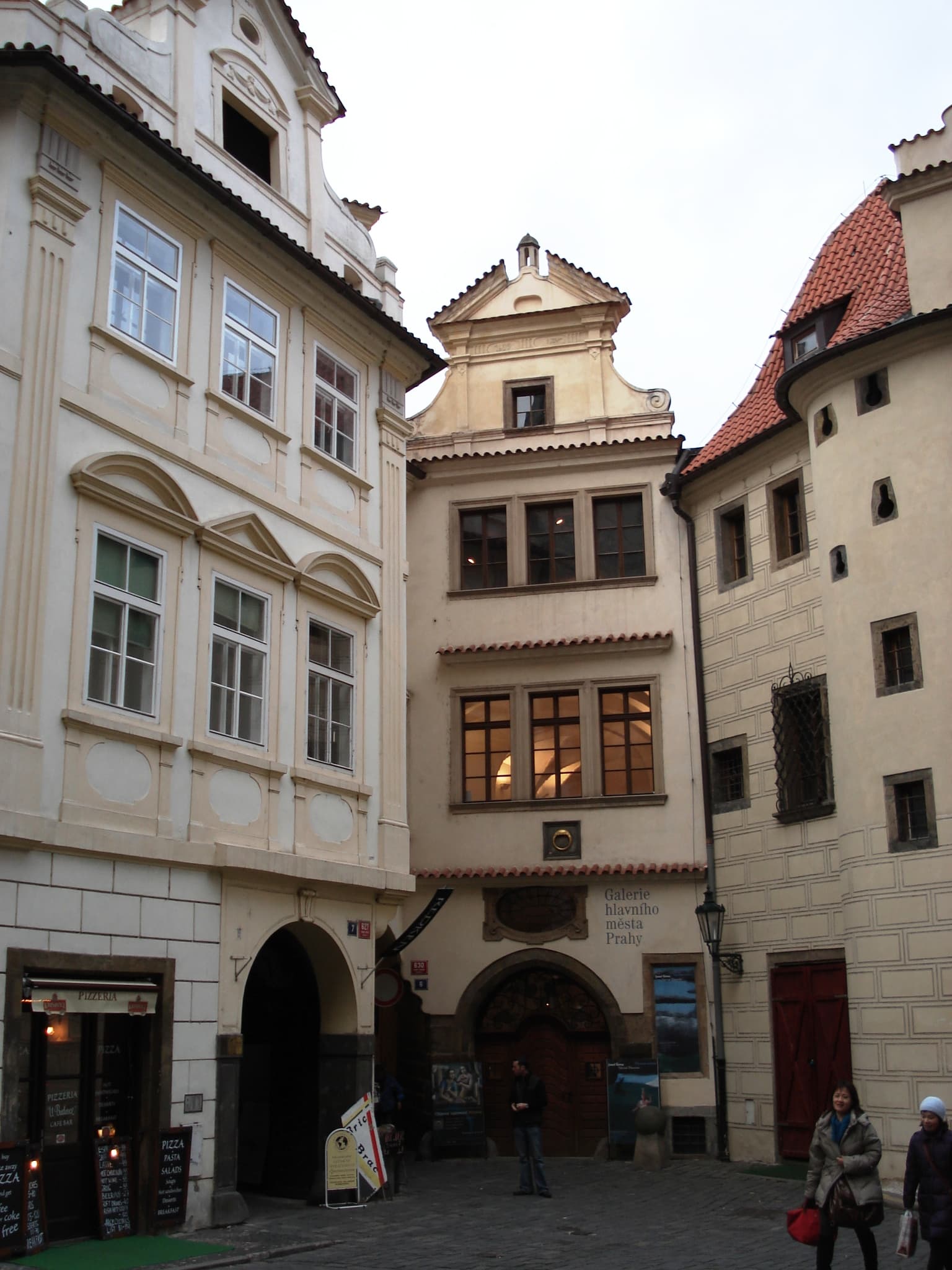 House at the Golden RingA fourteenth-century house directly behind the Church of Our Lady before Týn, on4 minutes walk4.7
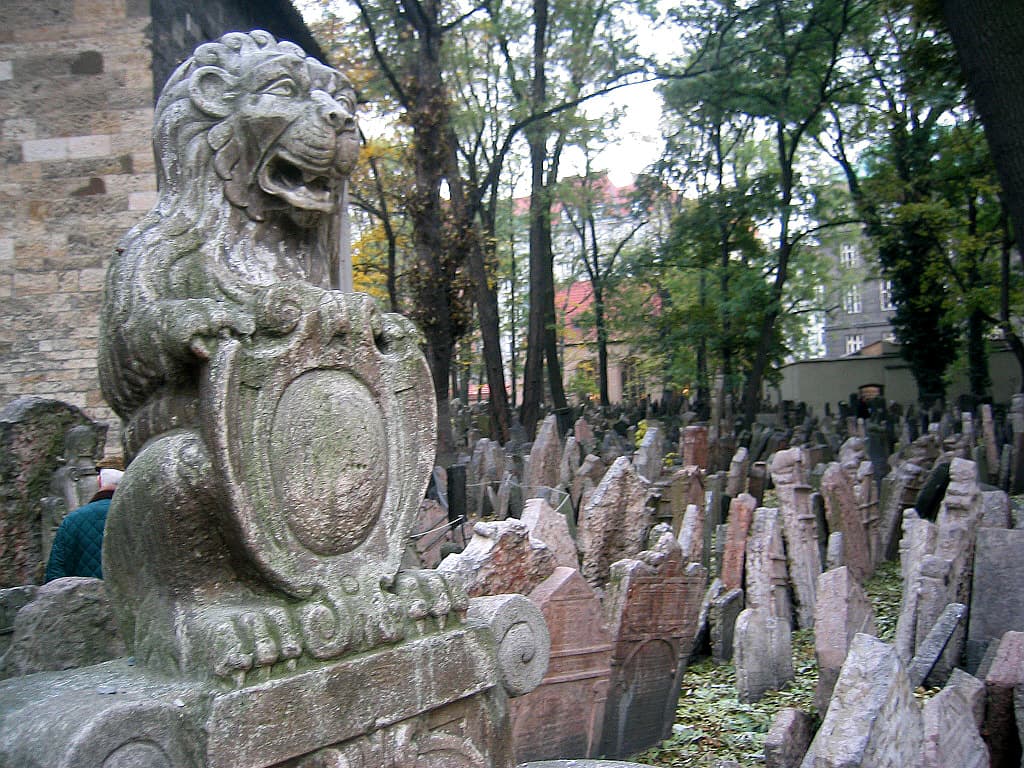 Old Jewish CemeteryThe Old Jewish Cemetery in Prague is among the strangest and most affecting plac4 minutes walk4.3
It is among Prague's priciest, but it covers six separate sites and a full half day. Per site it is entirely reasonable, and there is no partial option — the sites are not sold individually.
From about twelve upwards, with preparation. Pinkas and the Terezín drawings are emotionally very hard. With younger children, limit yourself to the Spanish Synagogue and the cemetery.
Maisel (history), then Pinkas and the cemetery (loss), then Klausen (traditions), and finally the Spanish (beauty). That sequence builds the narrative coherently and ends the day on a lighter note.
Three hours minimum, four unhurried. Do not try to compress it into two — these sites need time to absorb rather than pass through.