
The Bernissart herd
Found in 1878 in a coal mine three hundred metres down — a herd that died together.
Koninklijk Museum voor NatuurwetenschappenOriginal uploader was MADe at nl.wikipedia — CC BY 2.5 · Markus Koljonen (Dilaudid) — CC BY-SA 3.0 · Edison McCullen — CC BY-SA 4.0 · Fernando Losada Rodríguez — CC BY-SA 4.0
Brussels's natural history museum, best known for its dinosaur hall: a group of some thirty near-complete Iguanodon skeletons, the largest such assemblage in the world, displayed together in one room. The story of their discovery is part of the value. The skeletons were found in 1878 in a coal mine at Bernissart in southern Belgium, about three hundred metres down, when miners struck a seam holding an entire herd that had died together. Extracting and reconstructing them took years. Beyond that the museum is genuinely large: sections on whales, insects, minerals and human evolution, and a hall on the ice age. It needs at least two hours, and three to cover comfortably. This is among the best things to do in Brussels with children, and one of the few museums in the city that earns a full half day. It sits in the Leopold quarter near the European institutions.
Found in 1878 in a coal mine three hundred metres down — a herd that died together.
Sections on whales, insects, minerals, human evolution and the ice age.
Among Brussels's strongest family options, and it earns a full half day.
Leopold quarter, Brussels
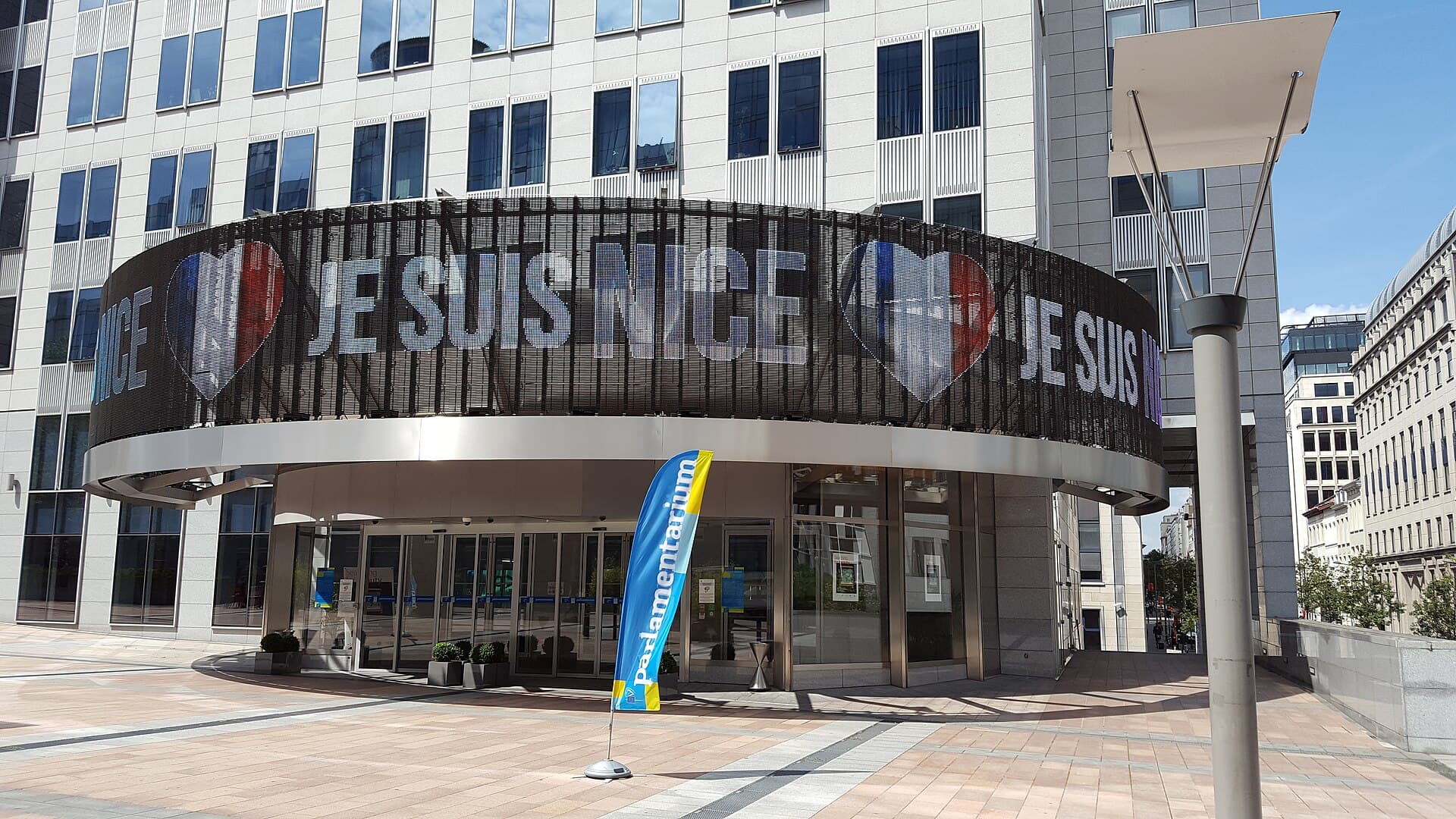 Parlamentarium (European Parliament Visitors' Centre)The Parlamentarium is the European Parliament's visitors' centre — Europe's larg3 minutes walk4.6
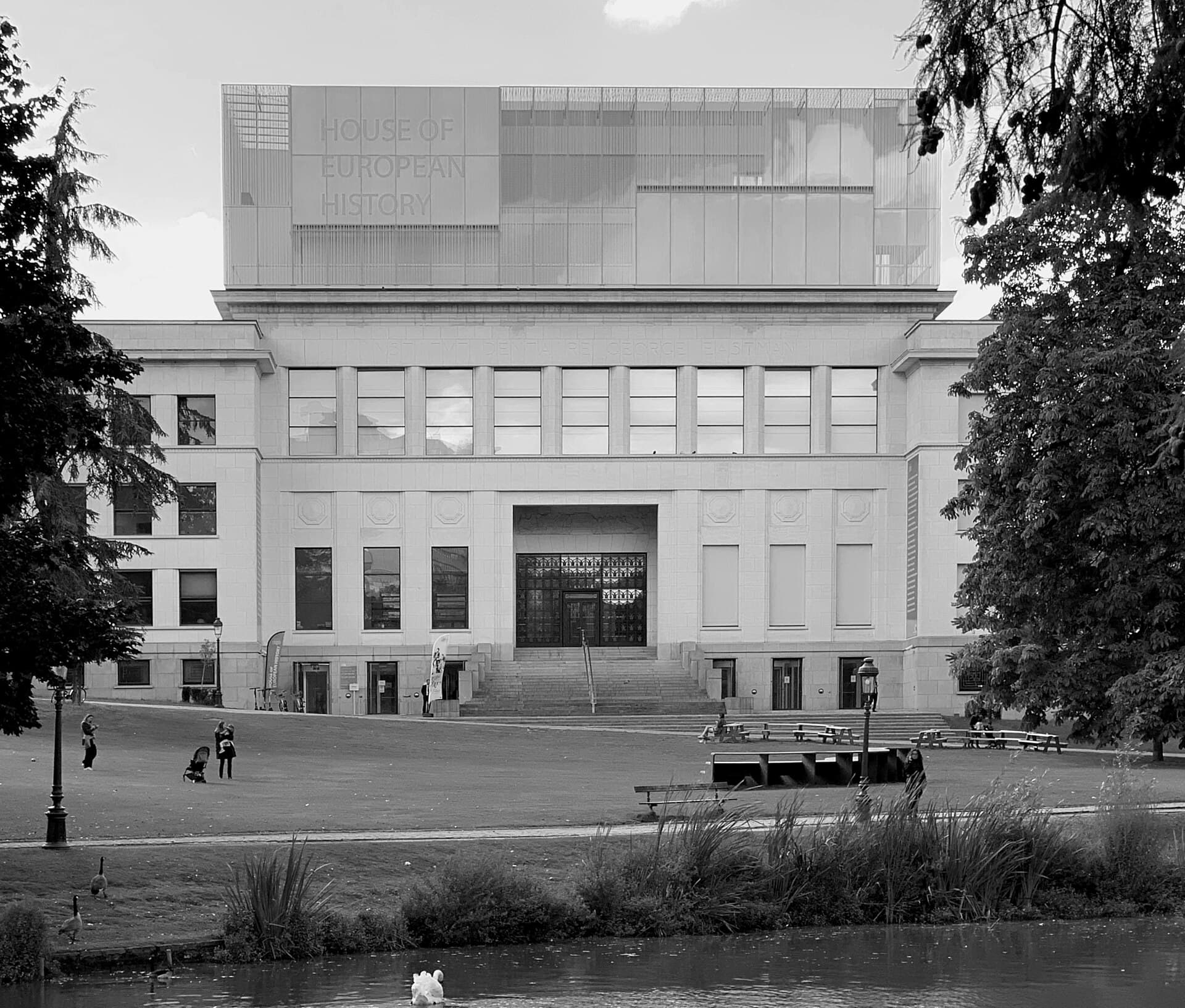 House of European HistoryThe House of European History is a free museum opened by the European Parliament5 minutes walk4.4
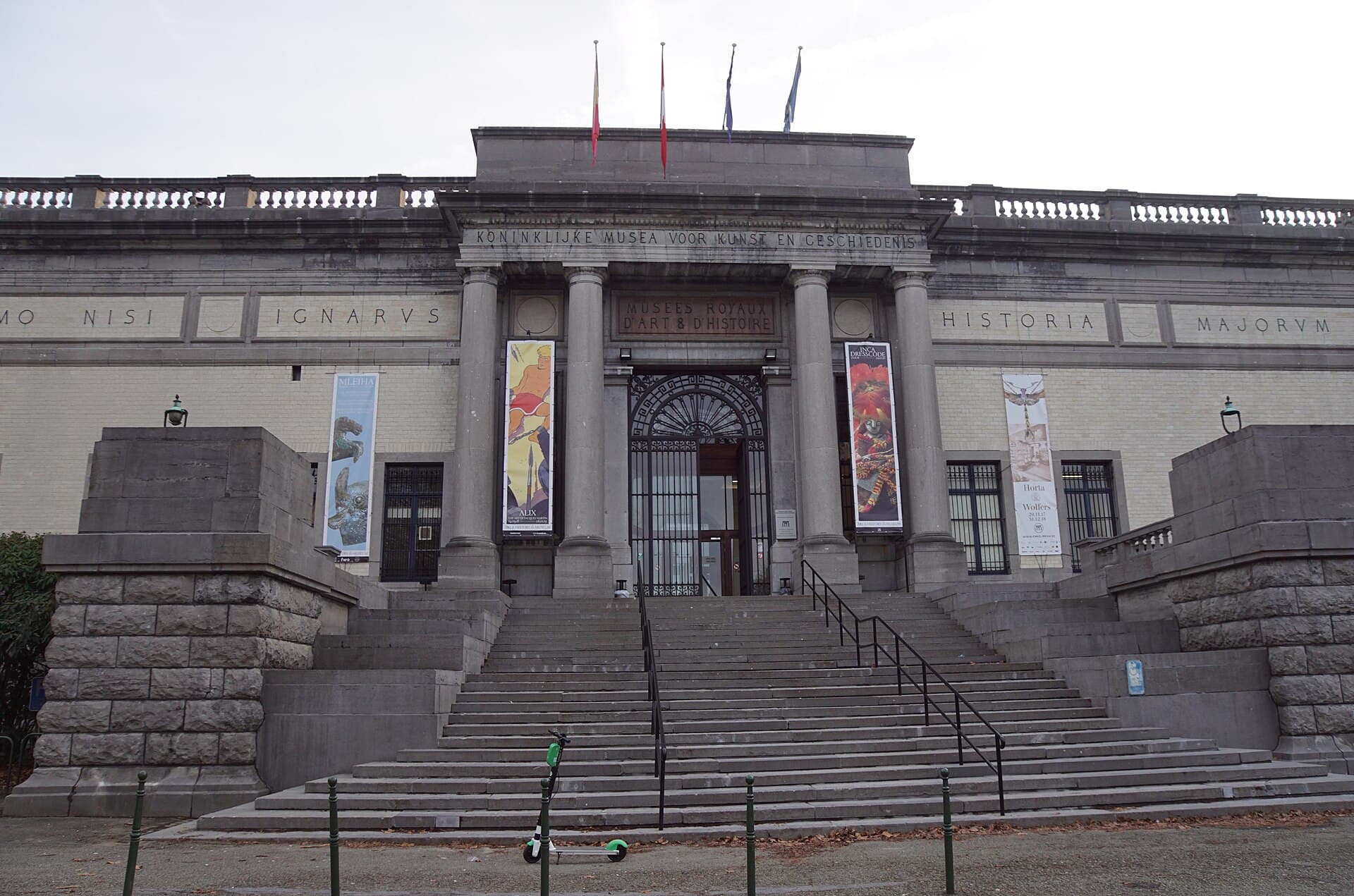 Art & History MuseumThe Art & History Museum is among Europe's largest and most varied museums, in t14 minutes walk4.3
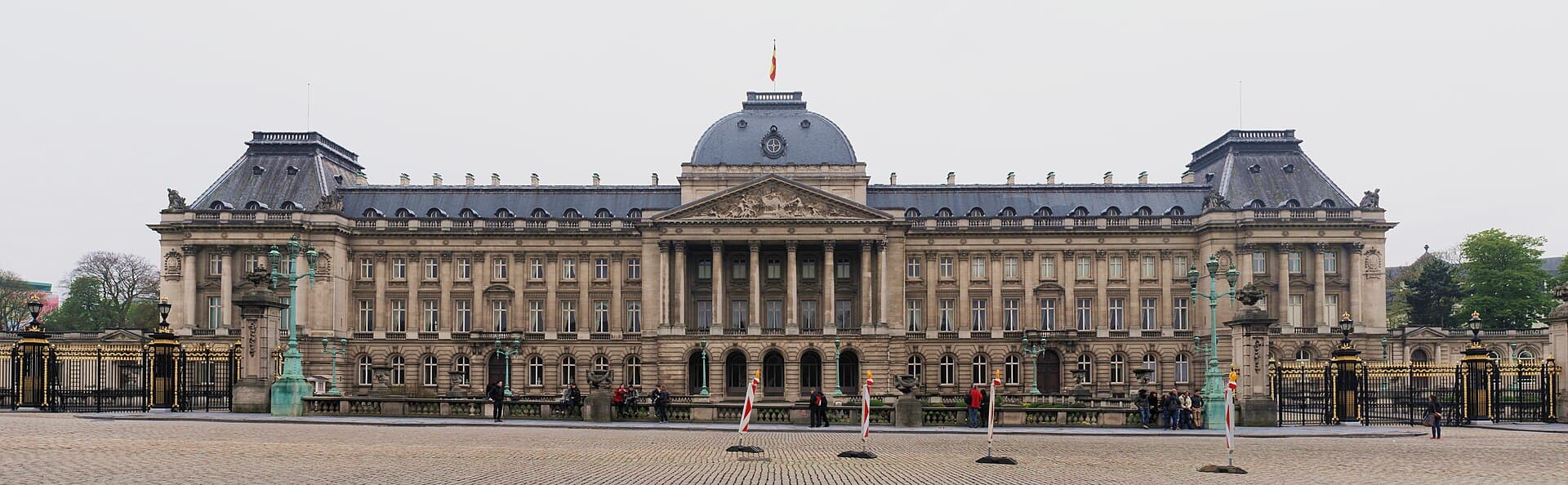 Royal Palace of BrusselsThe Royal Palace is the official palace of the King of the Belgians — not his re15 minutes walk4.6
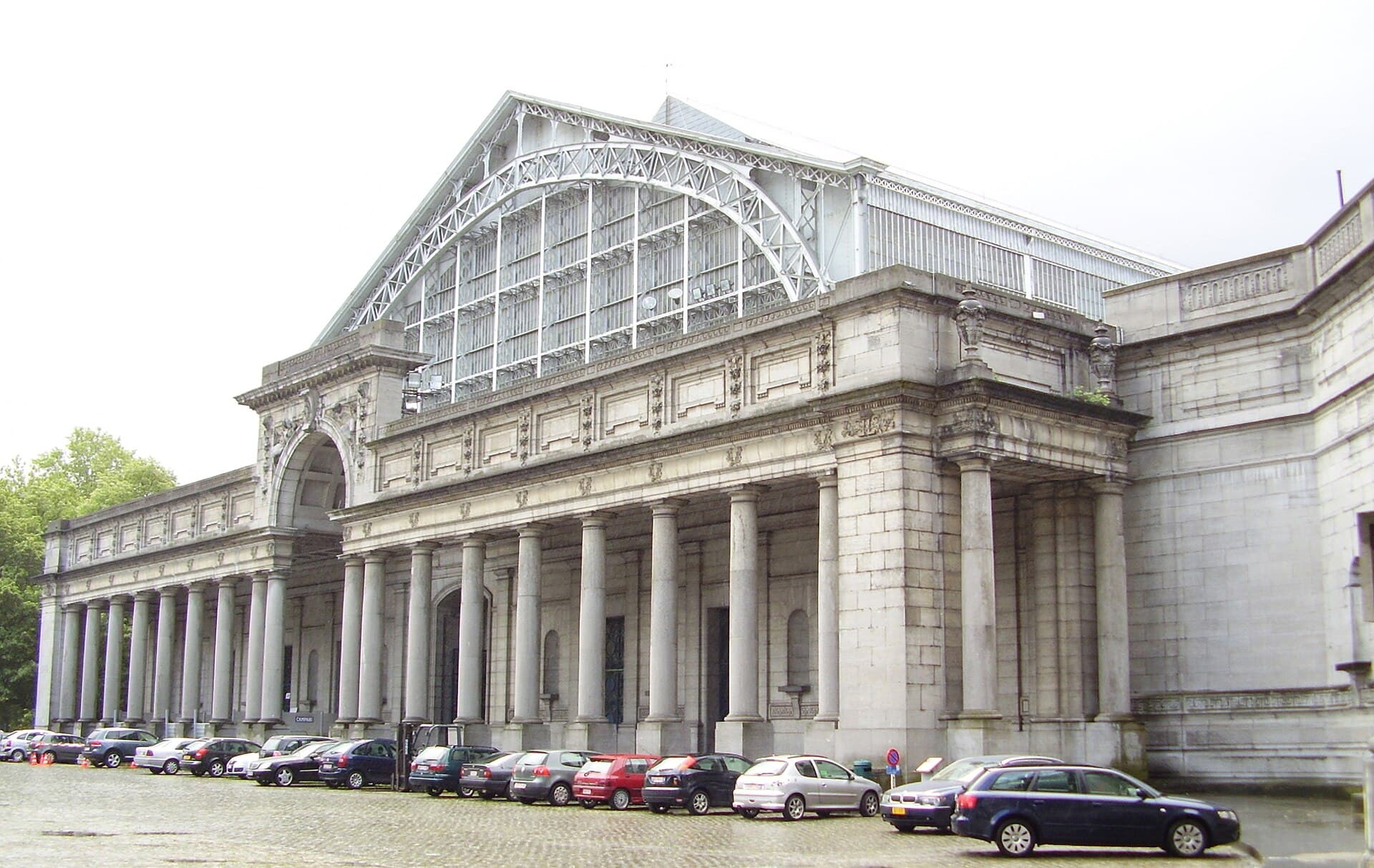 AutoworldAutoworld is among Europe's most beautiful car museums, in the huge south hall o15 minutes walk4.5
Two hours minimum for the dinosaur hall and the main sections, three for a comfortable visit. The museum is larger than most visitors expect, and the common mistake is allowing an hour.
Yes, and it is among the best options in Brussels for them. The dinosaur hall is visually striking and legible without reading, and the other sections are reasonably interactive. Expect crowds in school holidays.