
The last galley
A 40-metre Ottoman rowing warship from around 1600, the only intact one anywhere.
CeeGee — CC BY-SA 4.0 · Dosseman — CC BY-SA 4.0 · Dosseman — CC BY-SA 4.0 · Dosseman — CC BY-SA 4.0
The last intact Ottoman war galley in the world is not moored in any harbour; it sits in a glass hall on the Beşiktaş waterfront. Roughly 40 metres long, built between the late 1500s and early 1600s and once rowed by 144 men, it still stands on its original timber hull after more than four centuries. Around it are ranged the gilded caiques of the sultans: long, slender rowing boats, some close to 30 metres, several with a little carved-and-glazed pavilion at the stern where Mahmud II, Abdülmecid or Abdülaziz sat while being sculled across the Bosphorus from one palace to the next. That one hall justifies the ticket; everything else is a bonus. This is Turkey's oldest and largest naval museum, founded by the Ottoman navy in 1897 at the Kasımpaşa dockyard, settled in Beşiktaş in 1961 and rehoused in a purpose-built exhibition hall in 2013. It is run by the Turkish Naval Forces rather than the Ministry of Culture, which explains the separate ticketing. Elsewhere in the museum are links of the iron chain the Byzantines stretched across the Golden Horn in 1453, before Mehmed the Conqueror hauled his fleet overland around it, plus Barbarossa's standard, a row of towering wooden ship figureheads, Ottoman naval flags, cannon and charts, and pieces from Atatürk's yacht Savarona. It is an unusually comfortable visit: the building is new and air-conditioned, served by lifts that suit pushchairs, and the galleries are spacious enough that they rarely feel crowded even in August, which makes it a fine place to spend the hottest hour of the day. Children like it more than parents expect, mainly because of the sheer size of the boats and figureheads. An hour is enough for most families; ninety minutes for anyone who enjoys military history. The upper-floor weapons and artillery displays are the weakest section and can be skimmed. The location is half the point. The museum is a few minutes on foot from the Beşiktaş ferry pier, next to Barbarossa's tomb and square and the Sinan Paşa Mosque built by Mimar Sinan in the mid-1500s, and about ten minutes' walk from Dolmabahçe Palace. The natural day: palace in the morning, lunch in the Beşiktaş back streets, the museum after lunch, then a ferry to Üsküdar or Kadıköy as the light goes.
A 40-metre Ottoman rowing warship from around 1600, the only intact one anywhere.
Gilded barges with carved pavilions that ferried sultans between the Bosphorus palaces.
Links of the chain that sealed the Byzantine harbour in 1453, before the conquest.
Beşiktaş Cad. 6/1, Sinan Paşa, Beşiktaş
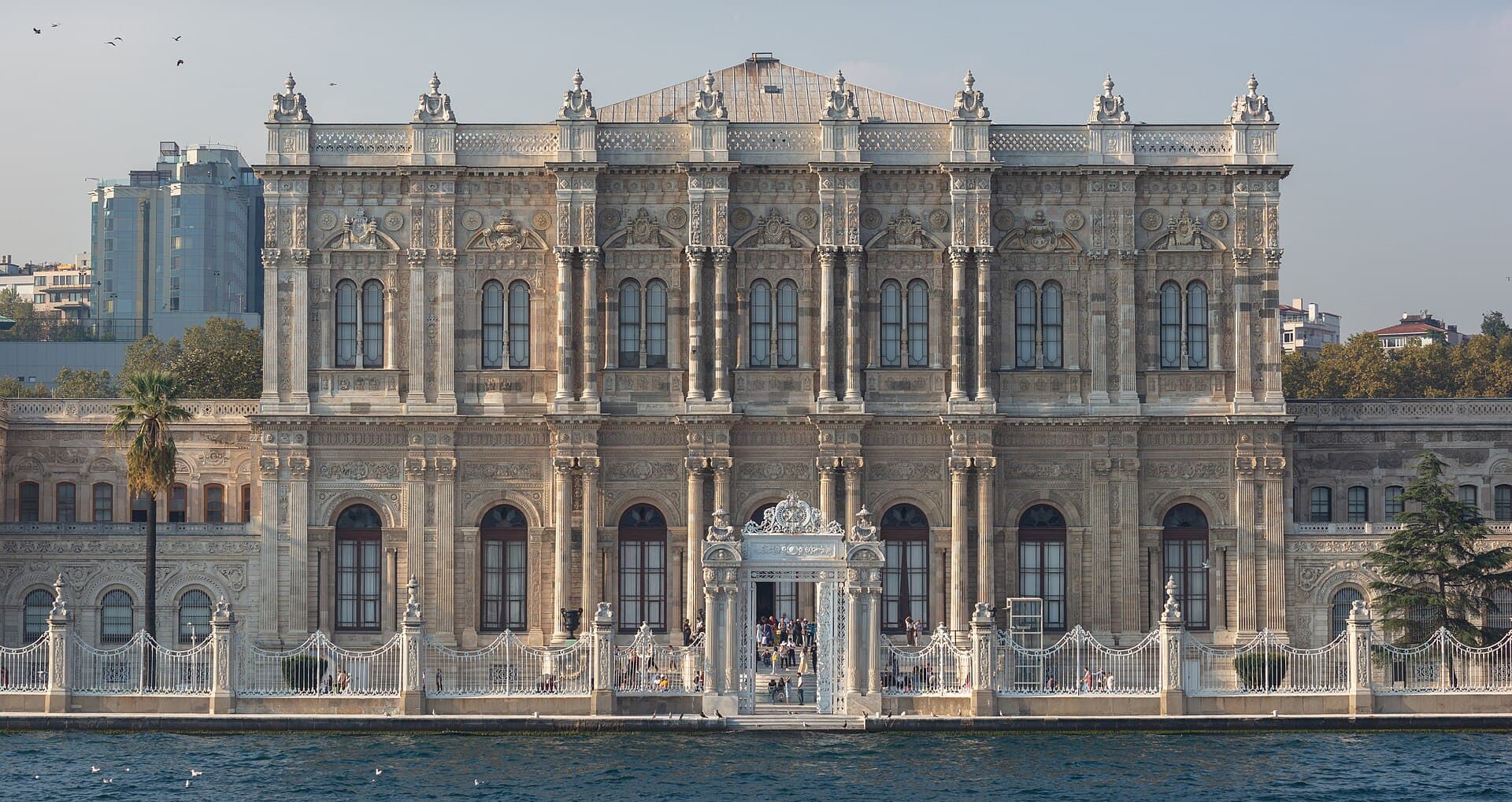 Dolmabahçe PalaceA mid-nineteenth-century palace directly on the Bosphorus shore, the last seat o6 min walk4.6
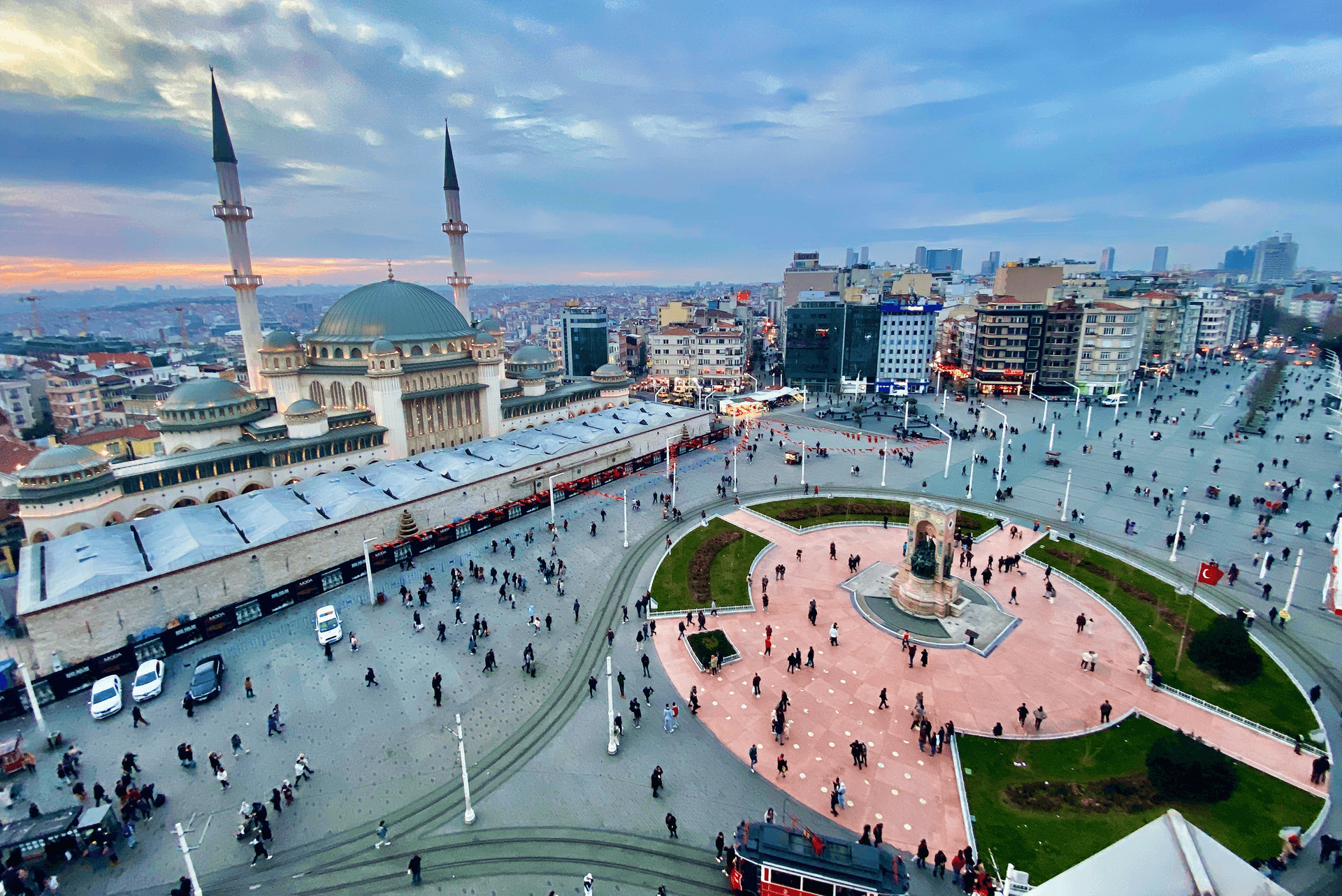 Taksim SquareThe name is Arabic before it is Turkish: a taksim is a place where water is divi22 min walk
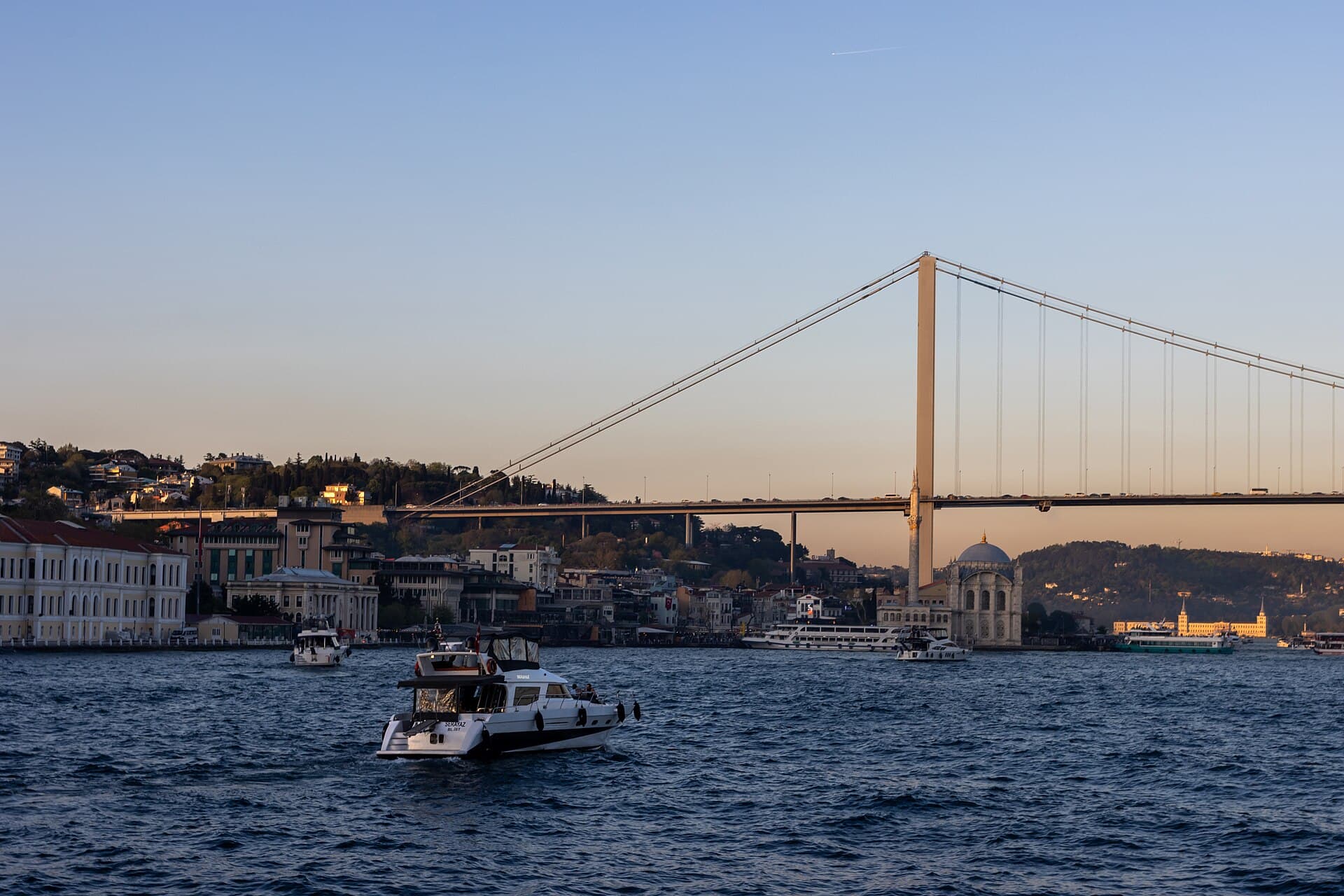 Ortaköy MosqueA mid-nineteenth-century mosque standing on a stone quay at the very edge of the24 min walk4.9
If time is short, the palace first, no contest. But with children in summer heat, the naval museum adds a comfortable air-conditioned hour ten minutes' walk away, and kids enjoy the sheer size of the boats more than the palace's look-but-don't-touch rooms. Do both in one day if you can.
No. The museum belongs to the navy rather than the culture ministry, so neither the pass nor Müzekart is accepted; you buy a ticket at the door in lira or by card.
Sign in to write your review of this place.
No reviews yet — be the first.