
The world's largest crystal chandelier
Hanging in the ceremonial hall, weighing over four tonnes.
Diego Delso — CC BY-SA 4.0 · Photograph by Mike Peel (www.mikepeel.net). — CC BY-SA 4.0 · Photograph by Mike Peel (www.mikepeel.net). — CC BY-SA 4.0 · Photograph by Mike Peel (www.mikepeel.net). — CC BY-SA 4.0
A mid-nineteenth-century palace directly on the Bosphorus shore, the last seat of the Ottoman sultans after they left Topkapı. That move is itself the story: Topkapı was a traditional Ottoman palace of courtyards and separate pavilions. Dolmabahçe was built in the European manner — a single marble façade stretched along the Bosphorus, with halls and staircases in the baroque and rococo style. The state wanted to present itself as modern and European, and the palace is a statement of that. What it holds reflects the cost: fourteen tonnes of gold in the ceiling decoration, and the largest crystal chandelier in the world hanging in the ceremonial hall, weighing more than four tonnes. Mustafa Kemal Atatürk died here in 1938, and all the palace clocks are stopped at five past nine — the moment of his death. Visits are by guided tour on a set route, and booking ahead is advisable. The Harem is a separate section that may need an additional ticket. Photography is restricted or forbidden inside the halls.
Hanging in the ceremonial hall, weighing over four tonnes.
Every clock reads five past nine — the moment of Atatürk's death.
Built in the European manner to say the state was modern — unlike Topkapı.
On the Bosphorus shore, Beşiktaş
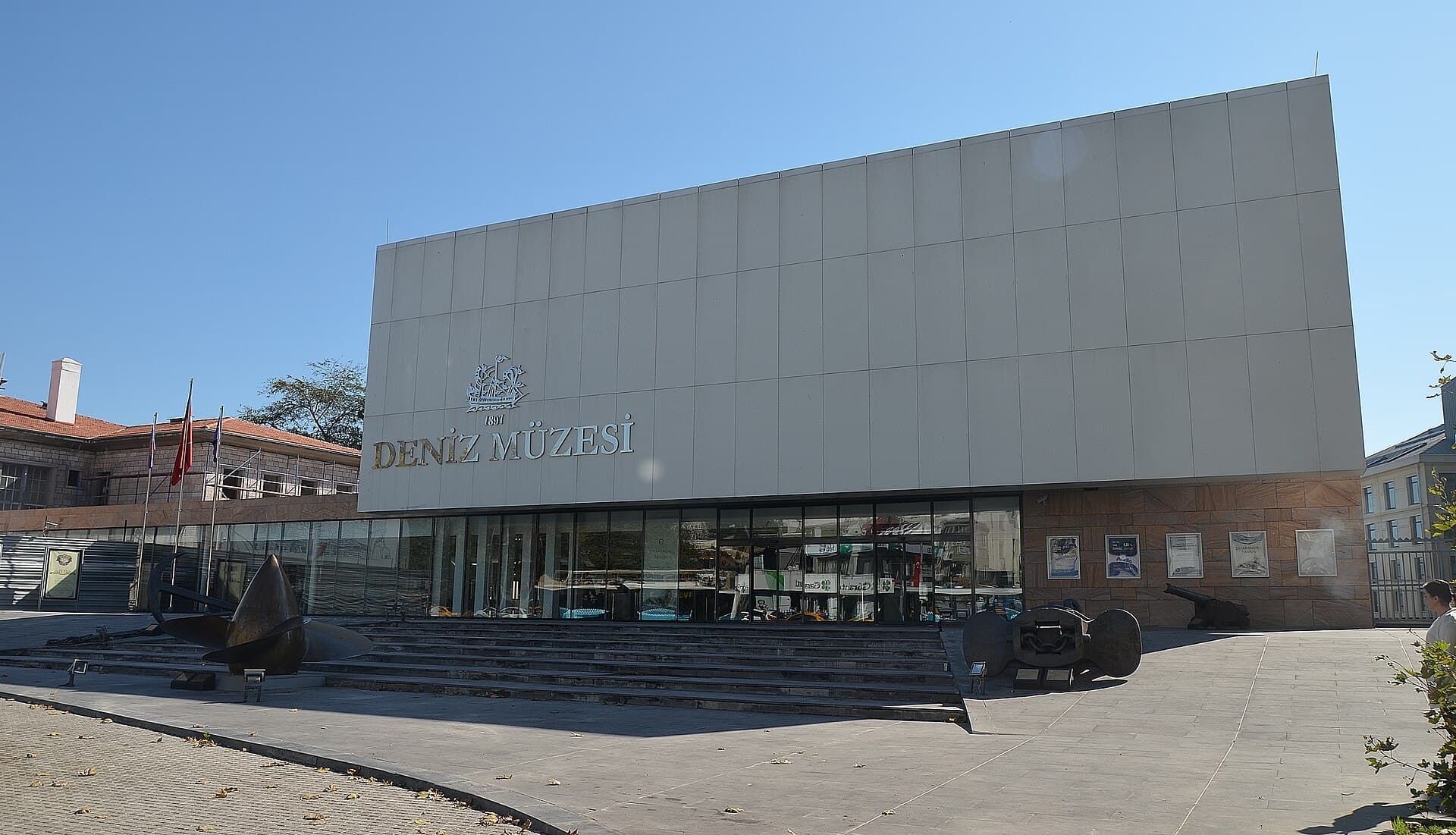 Istanbul Naval MuseumThe last intact Ottoman war galley in the world is not moored in any harbour; it6 minutes walk4.8
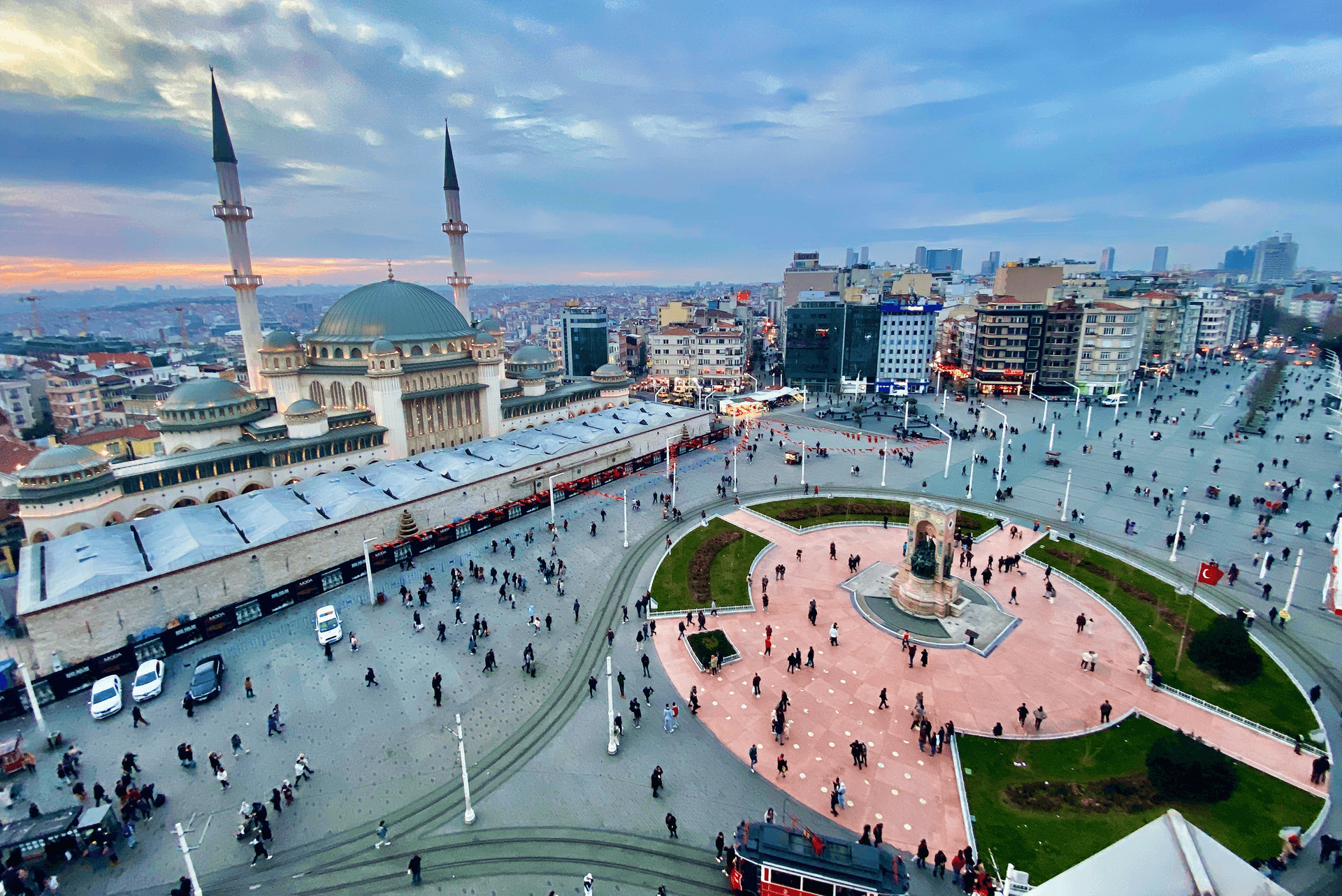 Taksim SquareThe name is Arabic before it is Turkish: a taksim is a place where water is divi16 minutes walk4.5
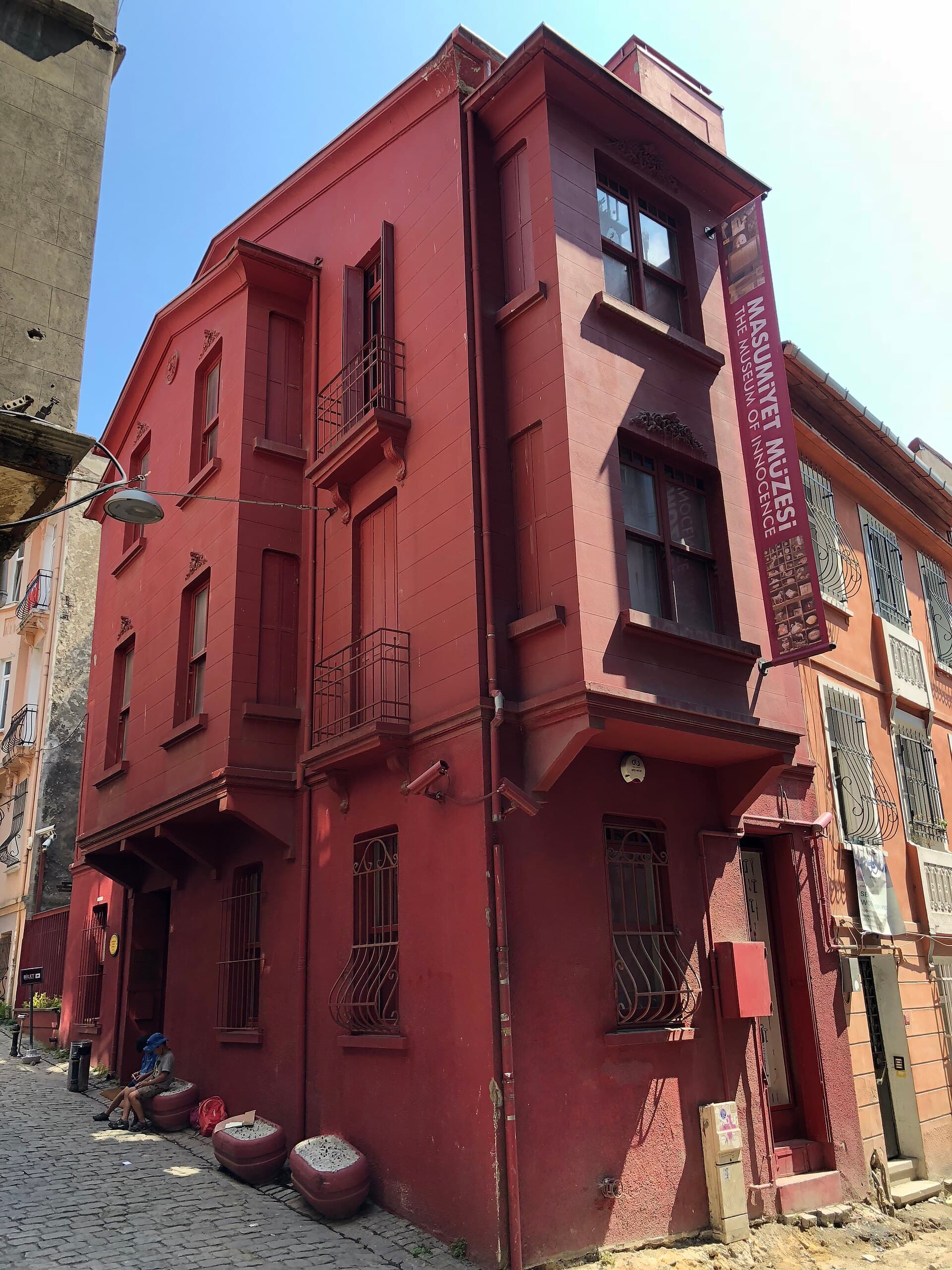 The Museum of InnocenceFour thousand two hundred and thirteen cigarette butts are pinned to one wall of25 minutes walk4.7
Topkapı if you have one: it is older, historically more important, and holds the Sacred Relics. Dolmabahçe shows you the end — a state trying to become European, and the luxury that accompanied its financial collapse. The two tell opposite ends of the Ottoman story, and are about twenty minutes apart.
On the Bosphorus shore in Beşiktaş, reached by tram and buses, or on foot from Kabataş. The finest approach is by Bosphorus ferry, seeing the marble façade from the water as it was meant to be seen — the palace was designed to be looked at from the sea rather than the street.