
The single pillar
Stone, 1.25 metres across.
dronepicr — CC BY 2.0 · lumoplank — CC0 · Clay Gilliland — CC BY-SA 2.0 · Isabell Schulz — CC BY-SA 2.0
A small Buddhist shrine set on a single pillar in the middle of a square pond, so that it rises from the water like a lotus flower; it is one of Hanoi's best-known sights. Legend says that in 1049 Emperor Ly Thai Tong dreamt of Quan Am, the Buddhist figure known in China as Guanyin, seated on a lotus and handing him a baby son; he built the pagoda in the shape of a lotus, and a crown prince was later born to him. In 1954, shortly before French forces left Hanoi, a lieutenant of the French army blew the pagoda up with dynamite. It was rebuilt in 1955 to the old design: a curved tiled roof over a small wooden shrine, carried on a stone pillar 1.25 metres across and 4 metres high, with a narrow stair rising from the edge of the pond. The pagoda stands beside the Ho Chi Minh Museum, a few steps from the mausoleum, so most people see it on the same visit. The shrine is tiny and the visit short; the best view is from the edge of the pond, with the pagoda reflected in the water. Entry is free, and the site is quiet early in the morning, before the tour buses arrive.
Stone, 1.25 metres across.
Reflects the whole pagoda.
Seen on the same visit.
Chua Mot Cot Street, Ba Dinh District, beside the Ho Chi Minh Museum
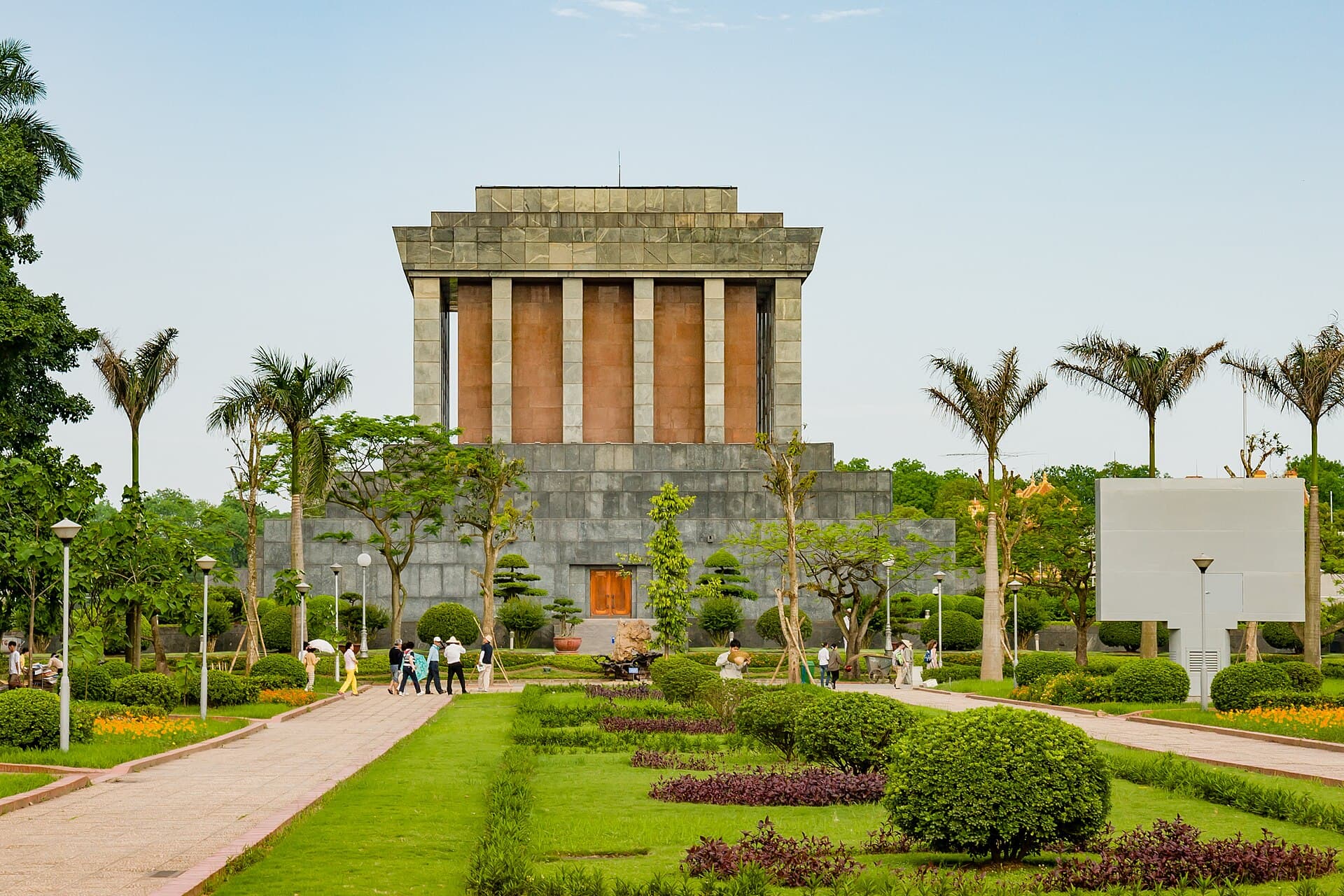 Ho Chi Minh MausoleumA massive marble mausoleum holding the embalmed body of Ho Chi Minh, leader of t2 minutes walk4.6
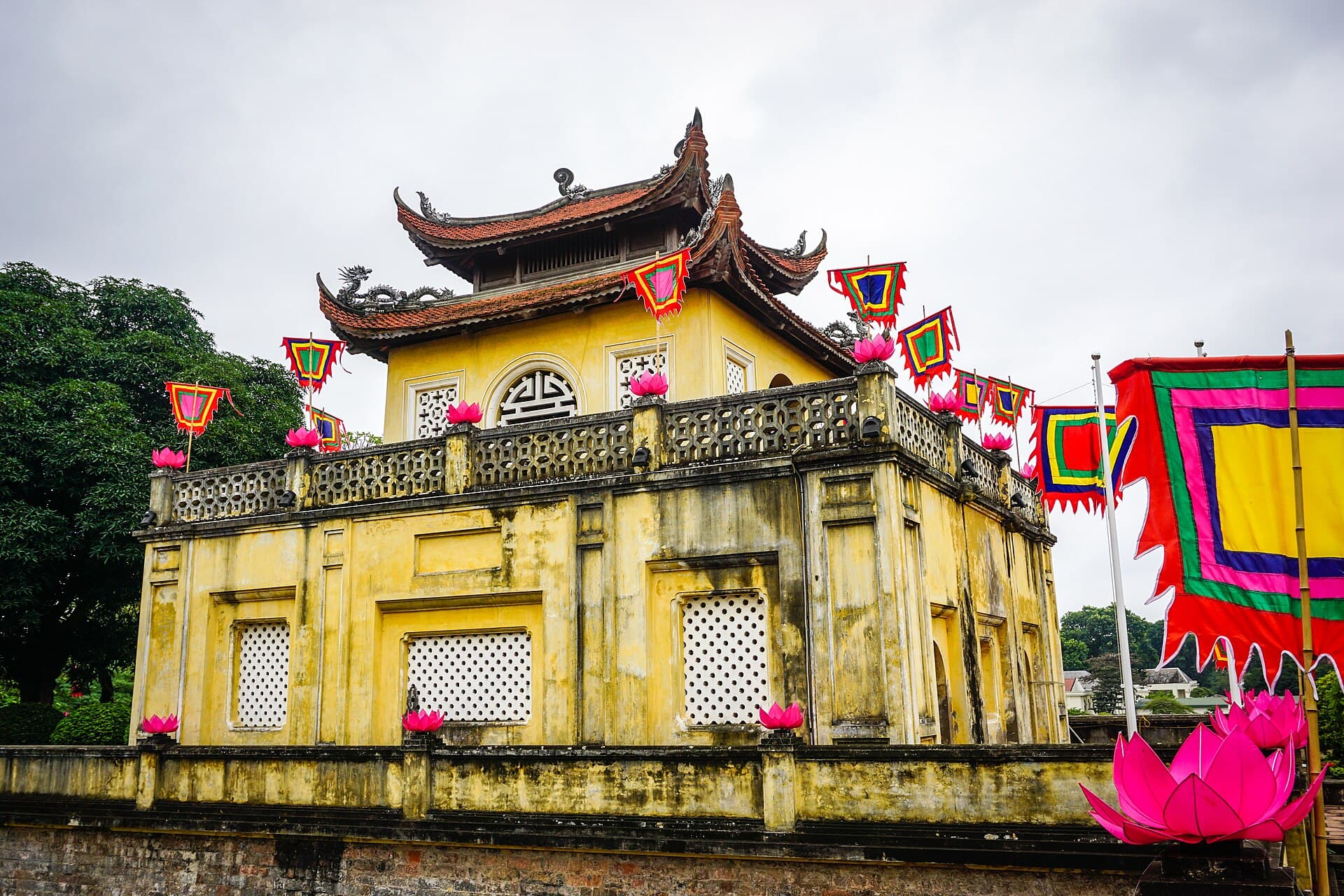 Imperial Citadel of Thang LongFor centuries the heart of power in Vietnam: the Ly dynasty founded its capital,9 minutes walk4.3
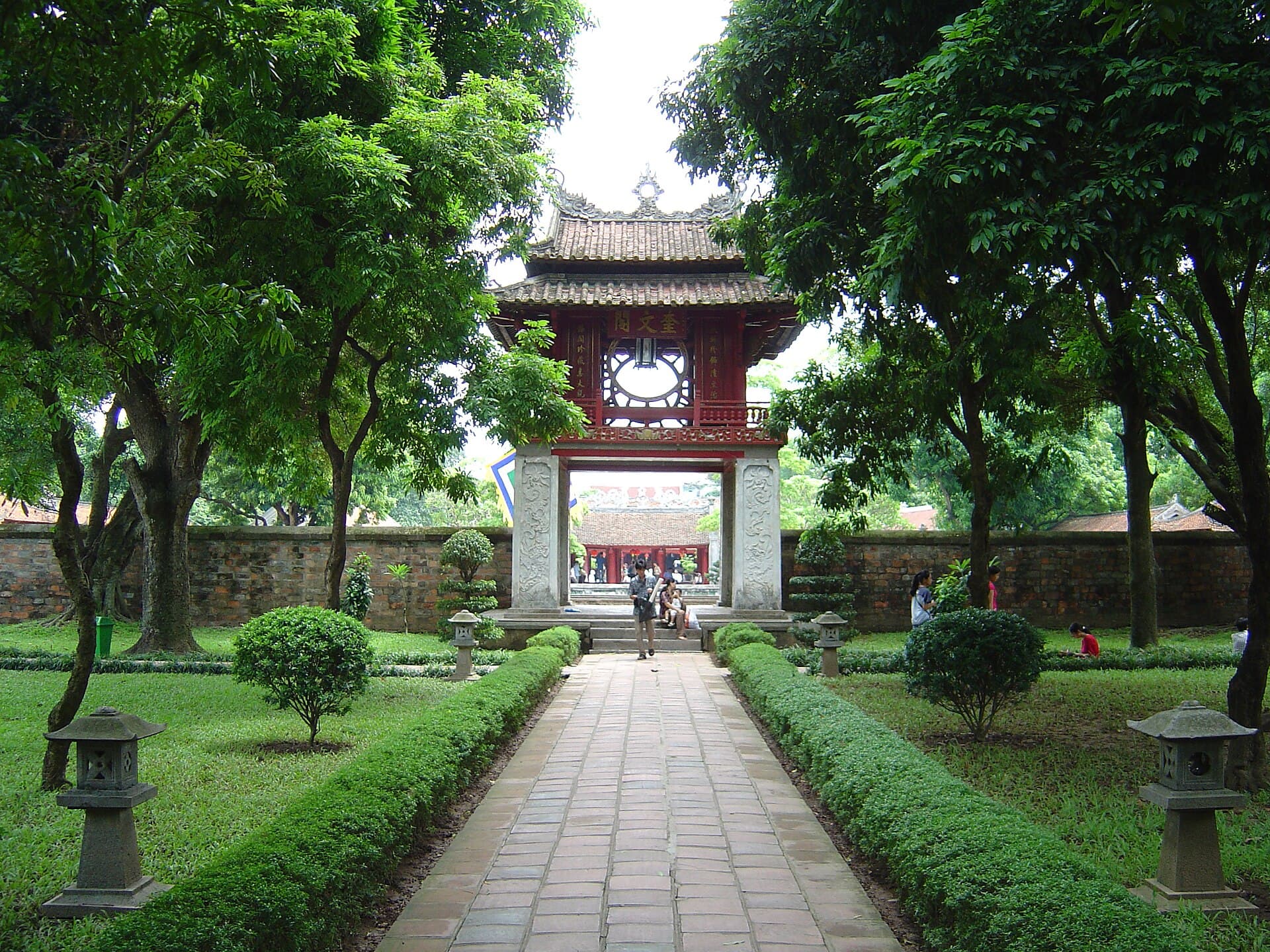 Temple of LiteratureVietnam's oldest seat of learning: a temple to Confucius founded in 1070, joined11 minutes walk4.5
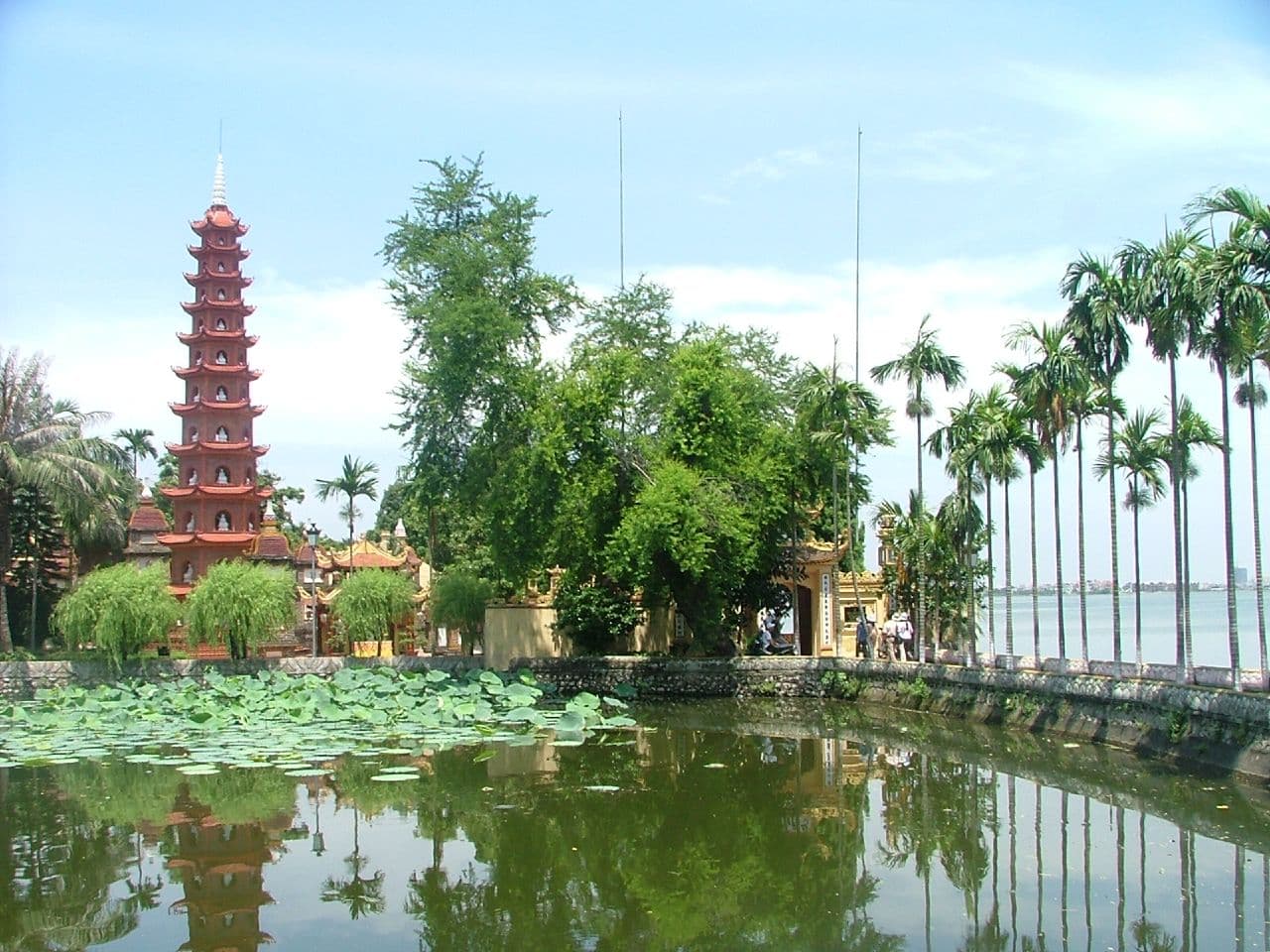 Tran Quoc PagodaHanoi's oldest Buddhist pagoda, said to have been founded in the sixth century o17 minutes walk4.3
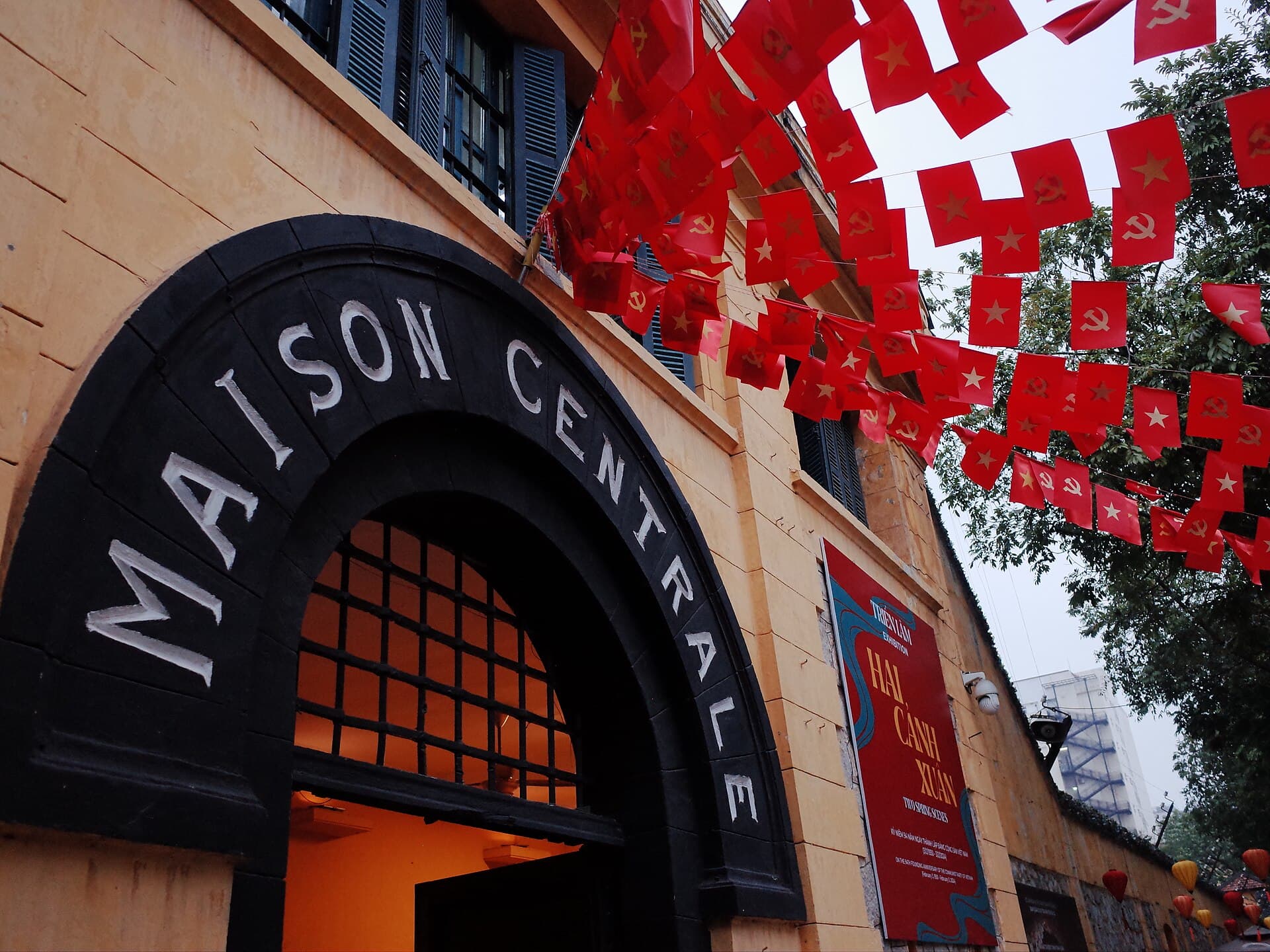 Hoa Lo PrisonA prison the French built in the heart of Hanoi between 1896 and 1901 and called22 minutes walk4.4
Yes, entry is free. It stands beside the Ho Chi Minh Museum, a few steps from the mausoleum.