
The red tower
Eleven tiers, built in 1998.
Thang Nguyen — CC BY-SA 2.0 · shankar s. from Dubai, united arab emirates — CC BY 2.0 · shankar s. from Dubai, united arab emirates — CC BY 2.0 · Bem photography: — CC BY 2.0
Hanoi's oldest Buddhist pagoda, said to have been founded in the sixth century on the bank of the Red River and moved in 1615 to a small islet in West Lake (Ho Tay) after the river threatened its first site. A short causeway leads to it from Thanh Nien Road, which runs between West Lake and Truc Bach Lake. Its best-known feature is the red, eleven-tiered tower, 15 metres high and built in 1998, with small Buddhist statues in its arched windows. In the courtyard grows a bodhi tree raised from a cutting of the original tree at Bodh Gaya in India, a gift from Indian president Rajendra Prasad on his visit in 1959. The pagoda closes at midday between its morning and afternoon sessions, opening roughly 7:30-11:30 and 13:30-16:30, and stays open all day on the first and fifteenth of each lunar month. Shoulders and knees must be covered; shorts are not allowed. The pagoda looks its best from outside at sunset, when the light falls across West Lake, and a visit pairs well with a walk along the lakeshore cafes.
Eleven tiers, built in 1998.
A gift from India's president in 1959.
An islet reached by a short causeway.
46 Thanh Nien Road, Tay Ho District, on a small islet in West Lake
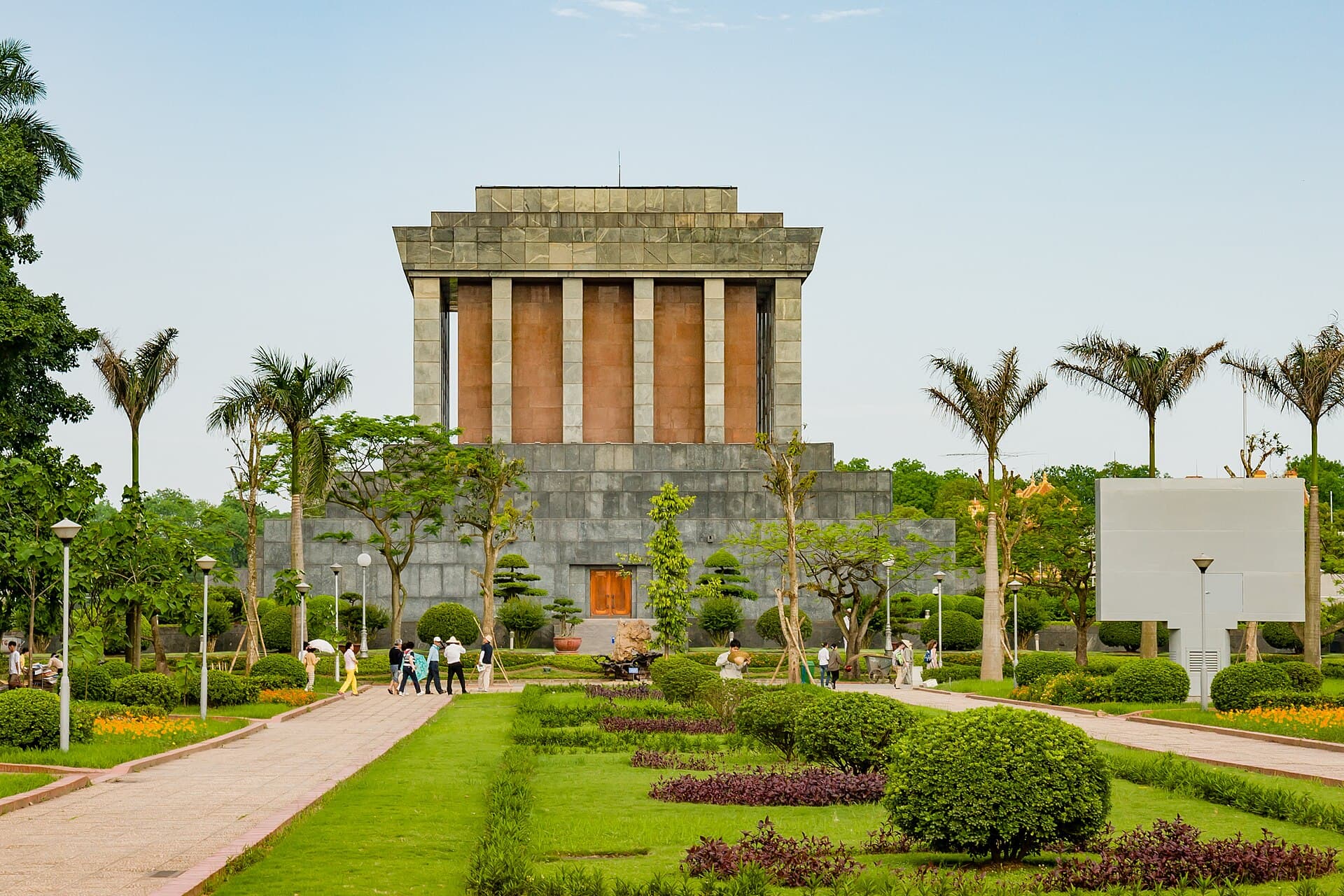 Ho Chi Minh MausoleumA massive marble mausoleum holding the embalmed body of Ho Chi Minh, leader of t15 minutes walk4.6
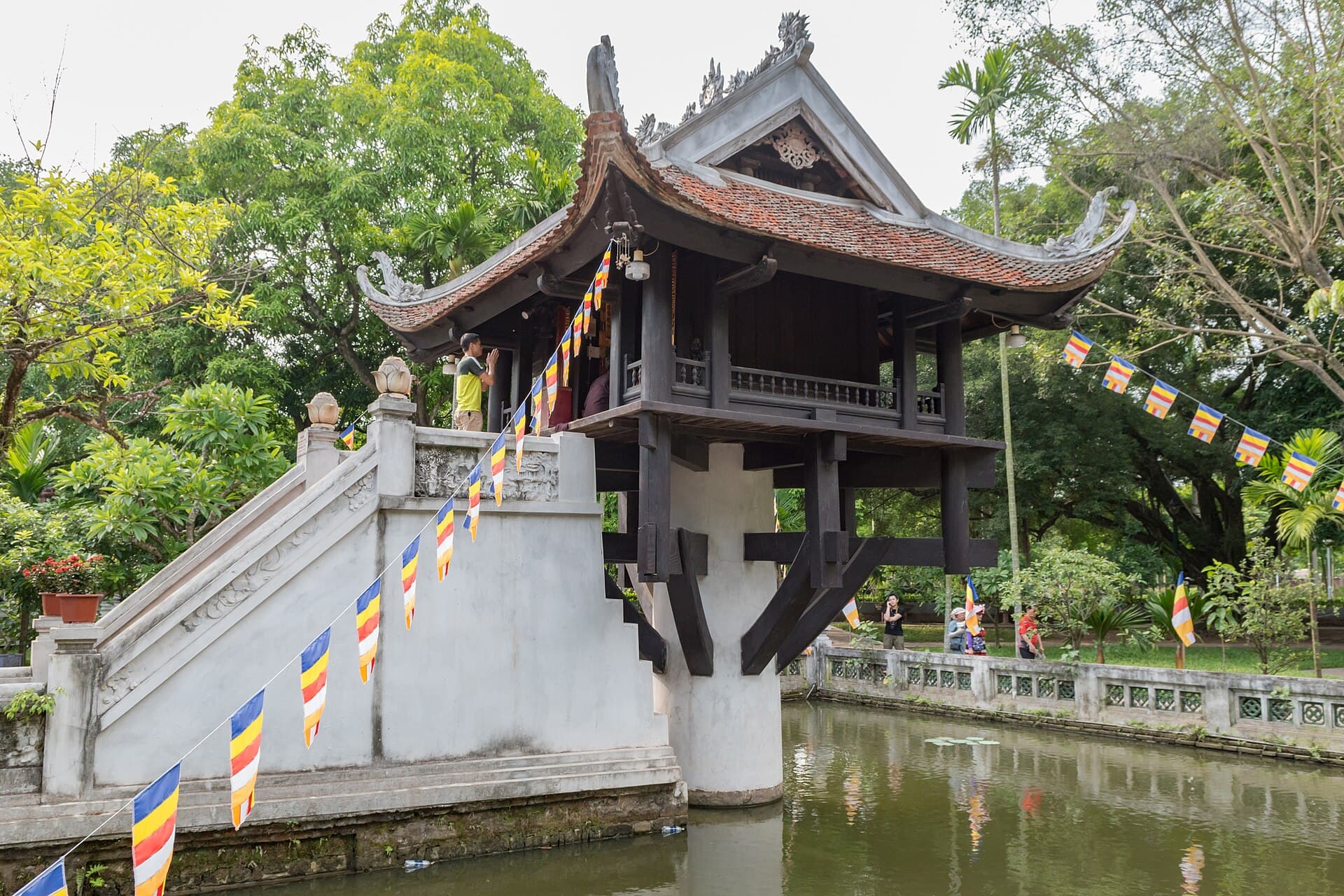 One Pillar PagodaA small Buddhist shrine set on a single pillar in the middle of a square pond, s17 minutes walk4.4
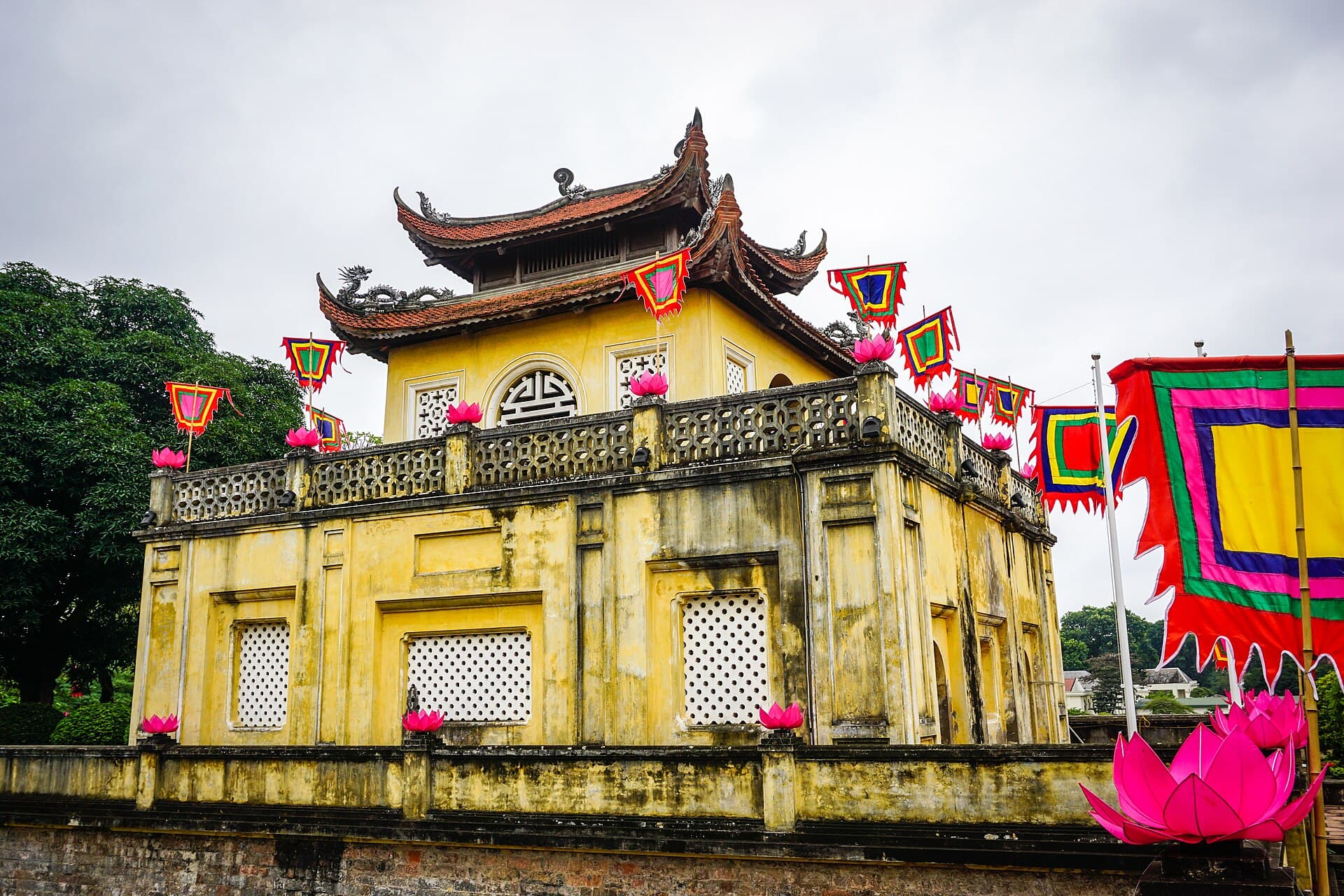 Imperial Citadel of Thang LongFor centuries the heart of power in Vietnam: the Ly dynasty founded its capital,18 minutes walk4.3
No, entry is free, but it closes at midday between the morning and afternoon sessions, and shorts are not allowed.