
Mary, Queen of Scots' chambers
The old tower rooms where Mary lived and where her secretary Rizzio was murdered in 1566, the emotional core of the visit.
瑞丽江的河水 — CC BY-SA 4.0 · Allie_Caulfield — CC BY 2.0 · Olliebailie — CC BY-SA 4.0 · Olliebailie — CC BY-SA 4.0
In a small room in the old tower of this palace, Mary, Queen of Scots saw her secretary dragged from her supper table and stabbed to death on a March night in 1566, while six months pregnant. The room is still there, with its low timber ceiling and cramped spiral stair, and it is the real reason Holyroodhouse earns its ticket price. The handsome classical quadrangle you see from outside was built between 1671 and 1678 by the architect William Bruce, but it was wrapped around the sixteenth-century James V Tower, where Mary spent six turbulent years before losing her throne. This is the King's official residence in Scotland, which means two things: it is a working palace where delegations are received and garden parties held, and it shuts completely when the royal family is in residence, most predictably during Holyrood Week in late June and early July. Check the closure calendar on the official site before you build a day around it. The visit runs on a free multimedia guide in ten languages; Arabic is not among them, so whoever in the family reads English becomes the interpreter. The route passes through the State Apartments, then into the Great Gallery, where 96 portraits of Scottish kings hang, painted by the Dutchman Jacob de Wet in the 1680s at commercial speed and with a generous imagination, since most of these monarchs left no likeness at all. You then climb to Mary's chambers and step out into the ruin of Holyrood Abbey, roofless since its vault collapsed in 1768 and founded back in 1128. The ruin is the most beautiful thing here on a sunny day, and beyond it the palace gardens stretch out with the volcanic hump of Arthur's Seat behind. The abbey ruin is occasionally closed for conservation work, so check that too before you go. For families: pushchairs are allowed inside except at the busiest times, under-fives go free, and the café can be visited without a ticket. The palace stands at the bottom of the Royal Mile, the opposite end from Edinburgh Castle, about a fifteen-minute walk from Waverley station, and it is normally closed on Tuesdays and Wednesdays. In winter the doors shut at 16:30 with last admission at 15:15, so start before midday.
The old tower rooms where Mary lived and where her secretary Rizzio was murdered in 1566, the emotional core of the visit.
A 1128 abbey open to the sky since 1768; walking between its columns is the prettiest moment of the visit.
96 portraits of Scottish kings by Jacob de Wet from the 1680s, most of them frankly invented.
Canongate, Edinburgh EH8 8DX
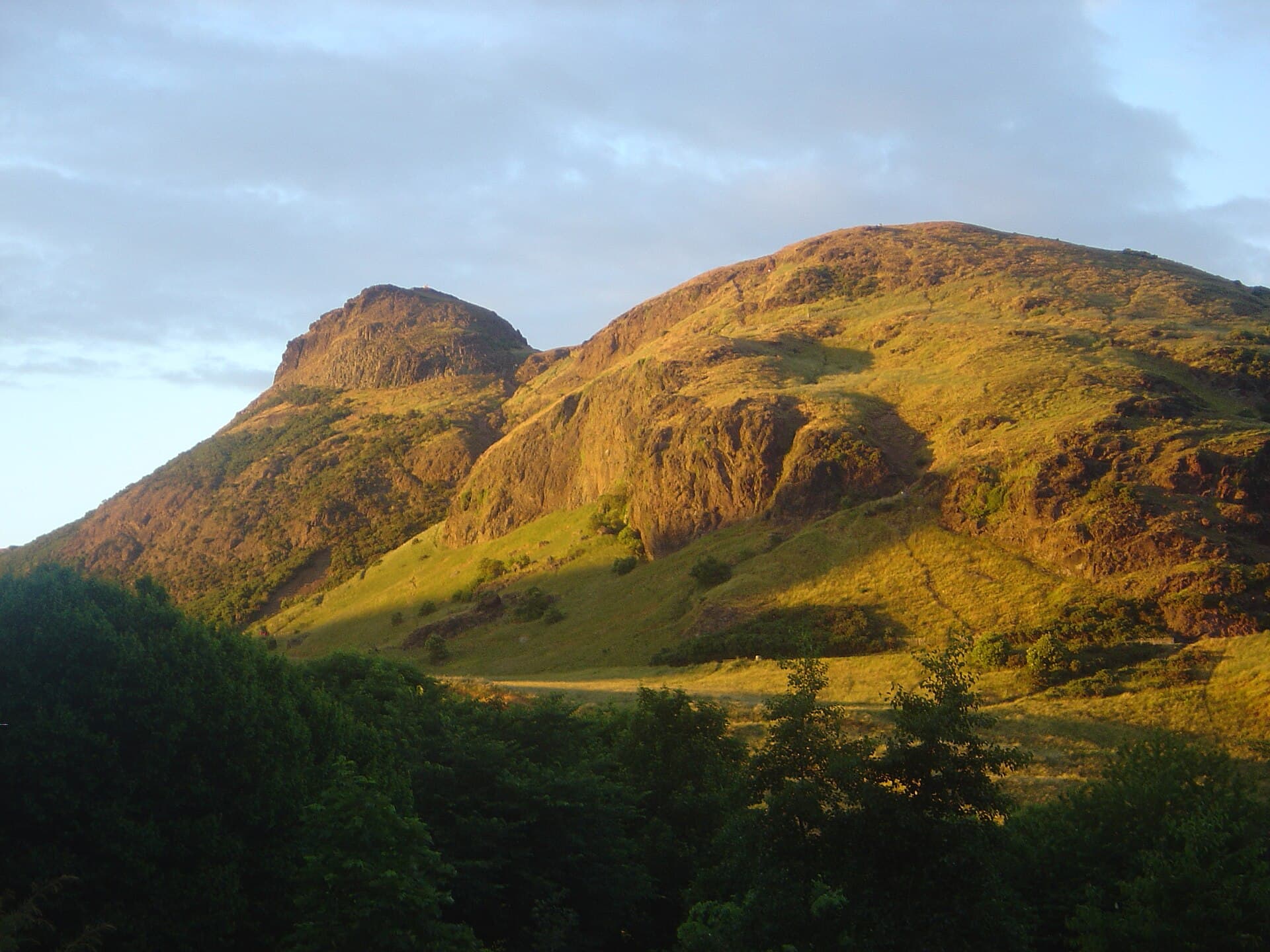 Holyrood Park and Arthur's SeatAn extinct volcano in the middle of a European capital, its gate a few steps fro4 minutes walk4.9
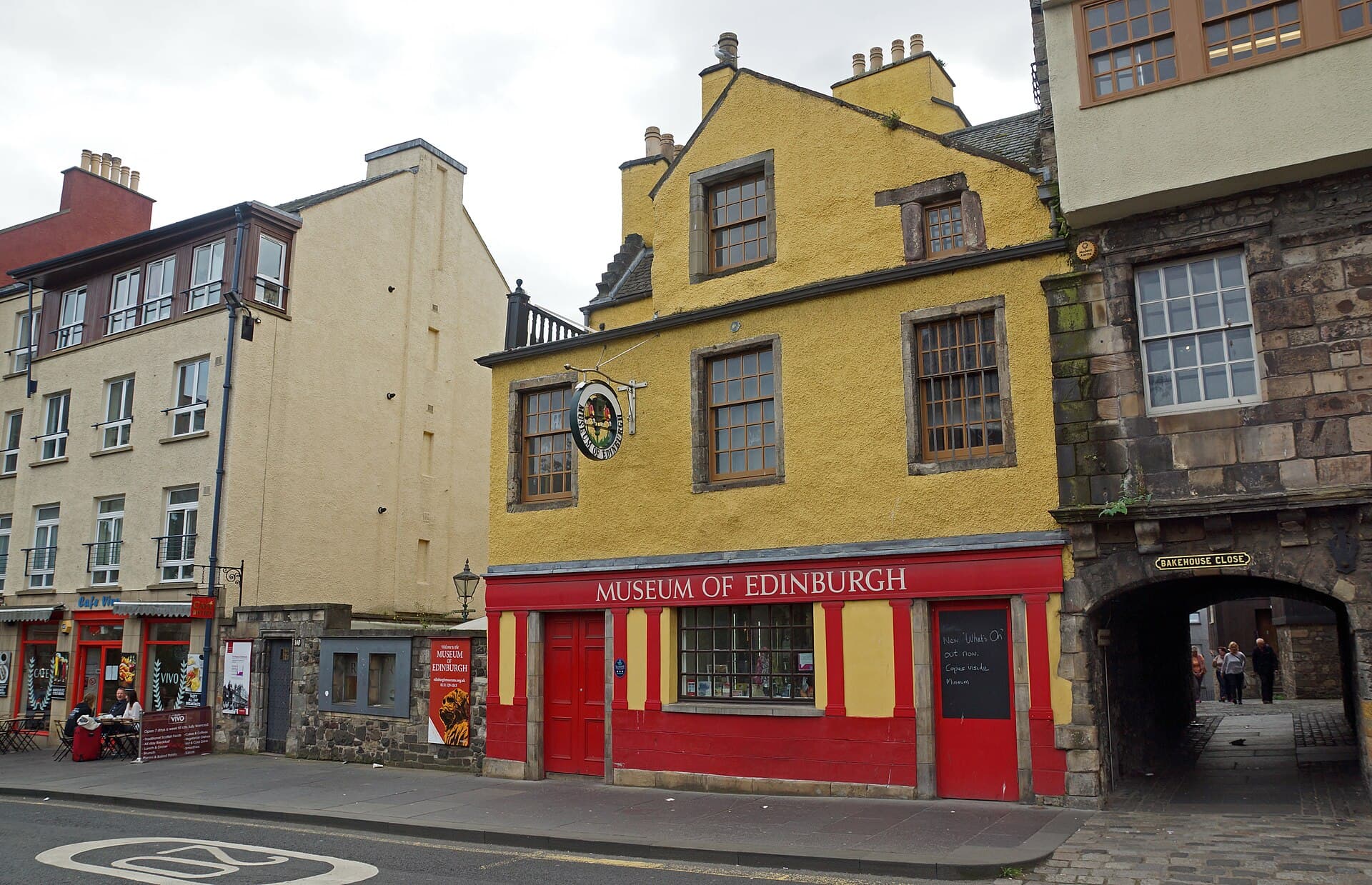 Museum of EdinburghEdinburgh's most photographed dog left behind a collar and a feeding bowl, and b6 minutes walk4.5
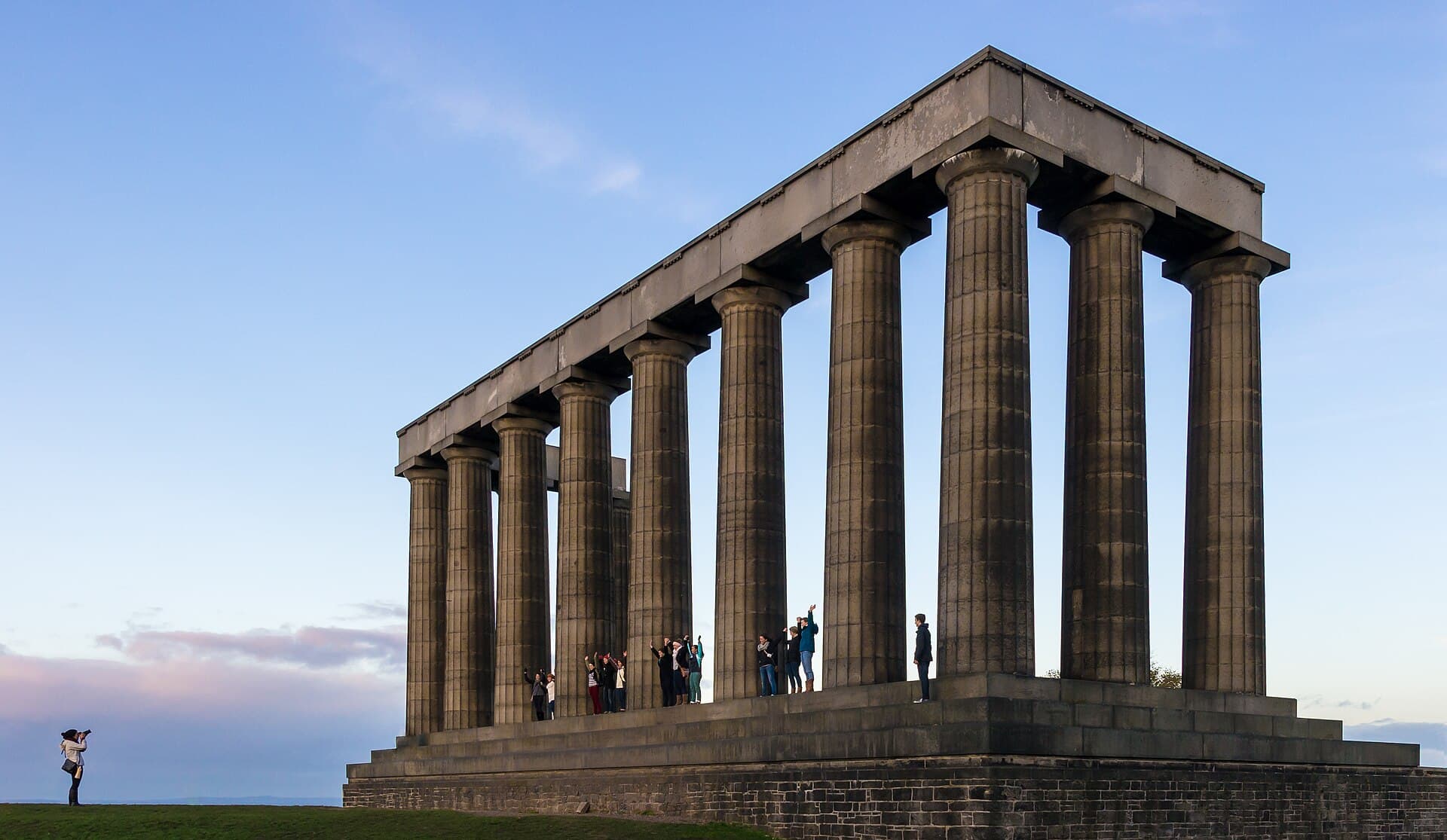 National Monument of ScotlandTwelve enormous columns stand on a stone platform at the top of Calton Hill, and8 minutes walk4.8
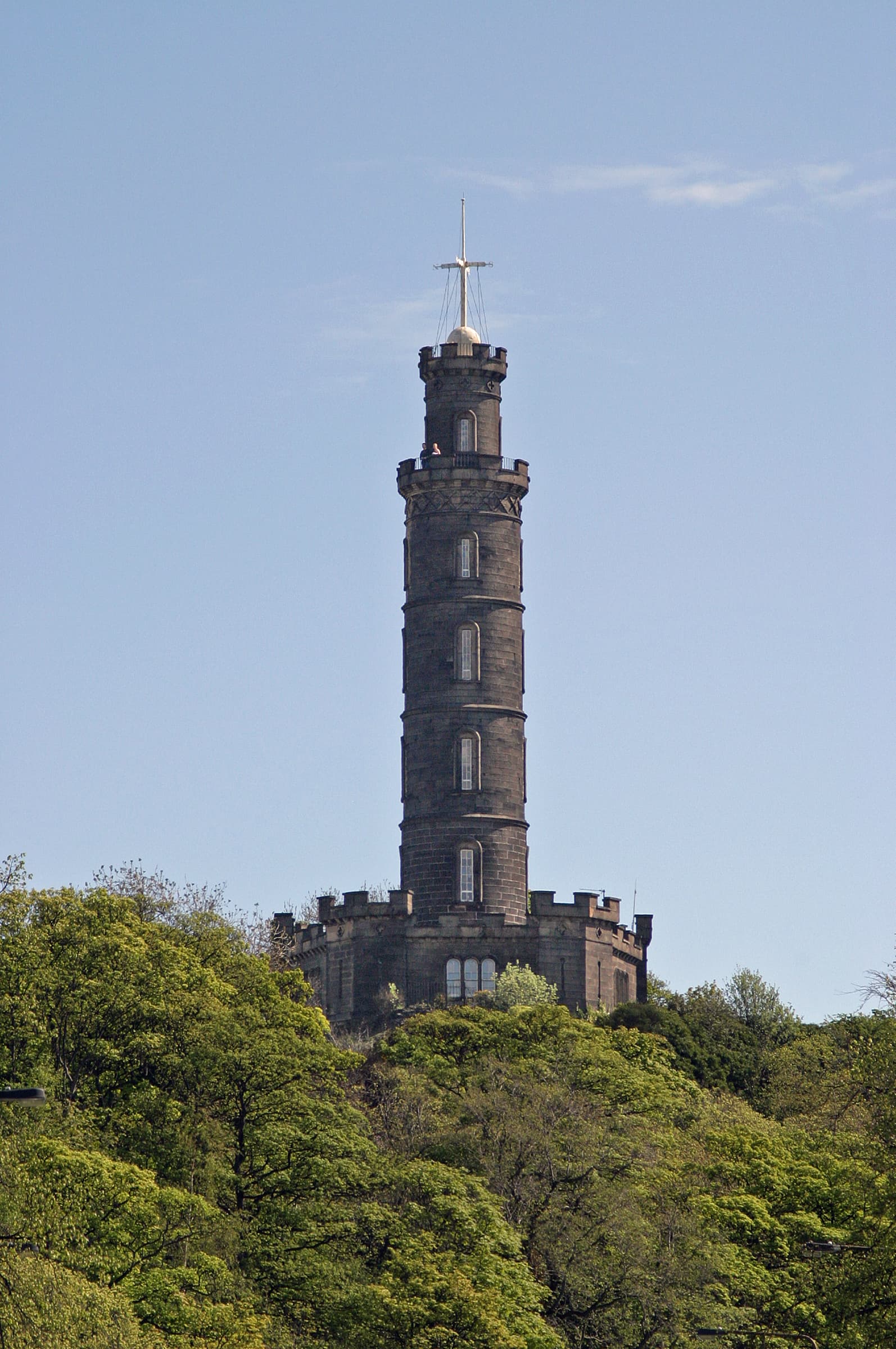 Nelson MonumentAt one o'clock every afternoon except Sunday, a large metal ball drops from the 8 minutes walk4.7
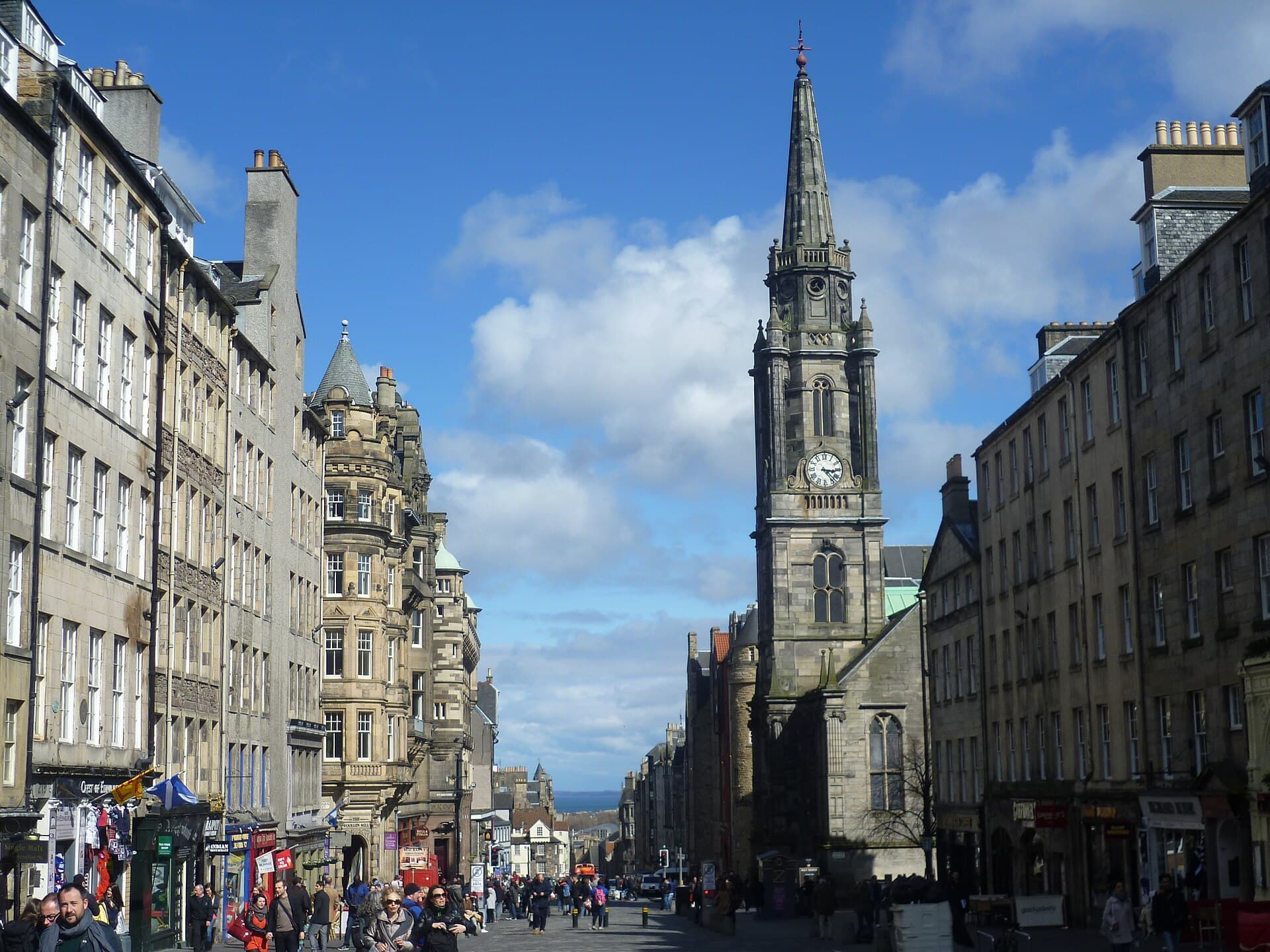 Royal MileOne street connects a castle to a palace and drops about 70 metres in the roughl11 minutes walk4.8
The Castle first: its views, military history and the Crown Jewels make it the famous one and the more exciting for children. Holyroodhouse is calmer and more intimate, best for anyone drawn to Mary, Queen of Scots or wanting to escape the Castle's August crowds. They sit at opposite ends of the Royal Mile, about 25 minutes' walk apart, so an early start fits both.
No, unlike many palaces. The facade is fairly modest, the courtyard is ticket-holders only, and the best parts, Mary's rooms and the abbey ruin, are all inside. On a tight budget, the public Holyrood Park and the neighbouring Arthur's Seat are free and give you the finest view of the palace anyway.