
Union Hall
The palace's largest hall — a five-tonne chandelier.
Diego Delso — CC BY-SA 4.0 · Diego Delso — CC BY-SA 4.0 · Stefan Jurca from Munich, Germany — CC BY-SA 2.0 · Stefan Jurca from Munich, Germany — CC BY-SA 2.0
The heaviest building on Earth and its second-largest administrative one after the Pentagon: the Palace of the Parliament — Ceaușescu's "House of the People" — 365,000 square metres and 1,100 rooms, raised in the 1980s by twenty thousand workers around the clock after a fifth of old Bucharest was demolished, and still unfinished when the regime fell in 1989. The guided tour walks halls of marble and crystal — a five-tonne chandelier, a grand staircase rebuilt repeatedly to match the dictator's stride, carpets woven inside the rooms because they were too vast to carry — and the balcony from which Ceaușescu never spoke: the first to stand on it was Michael Jackson in 1992, greeting "Budapest" by mistake. Today it houses the Parliament, the museum of contemporary art and conference halls, and tours are booked against photo ID only. Romania's truest symbol: an exhausted giant read as architectural marvel and terror of power at once.
The palace's largest hall — a five-tonne chandelier.
Built for speeches never given.
A million cubic metres, all quarried at home.
Strada Izvor 2-4, Bucharest
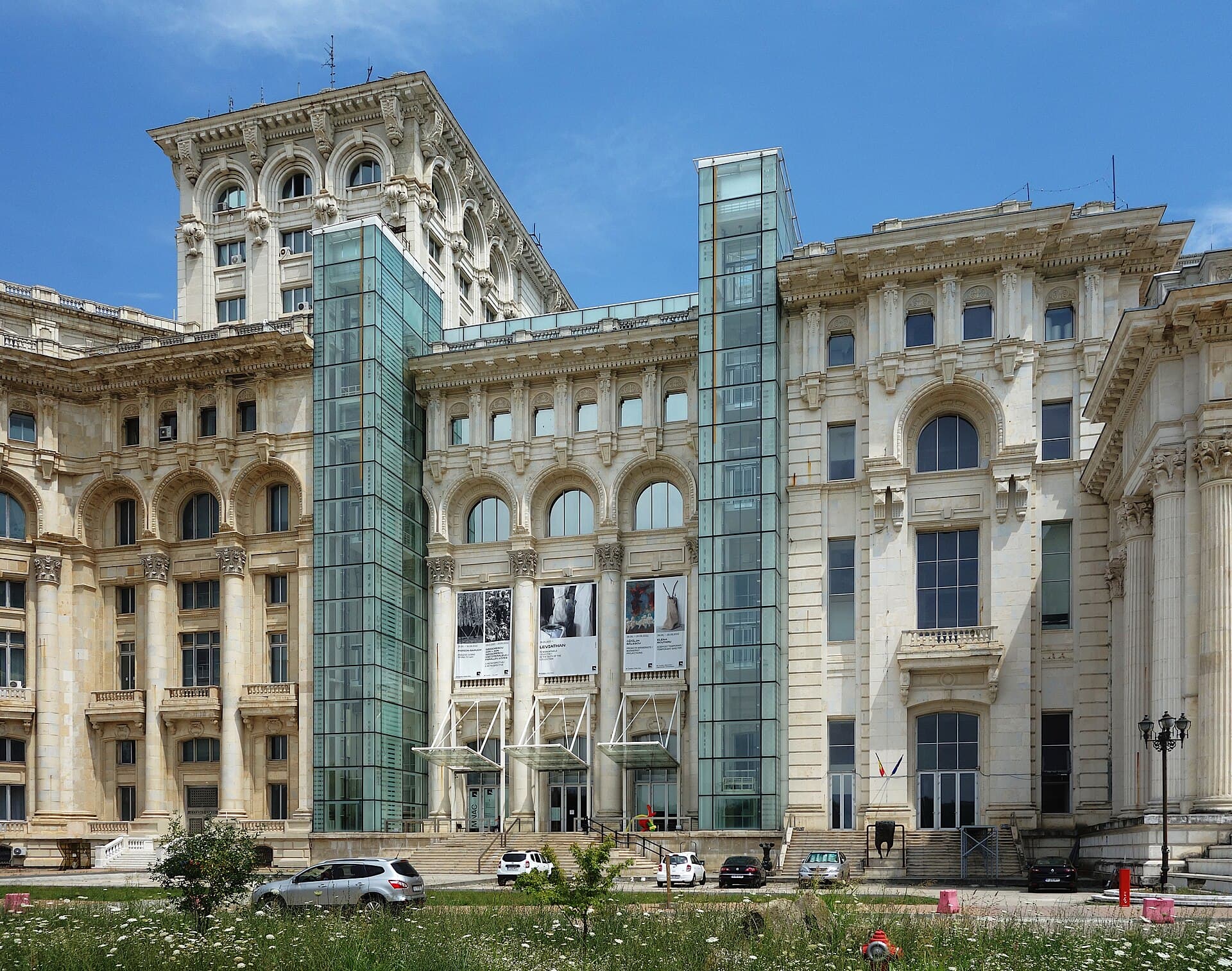 MNAC — the National Museum of Contemporary ArtThe National Museum of Contemporary Art occupies the west wing of the **Palace o1 minute walk4.1
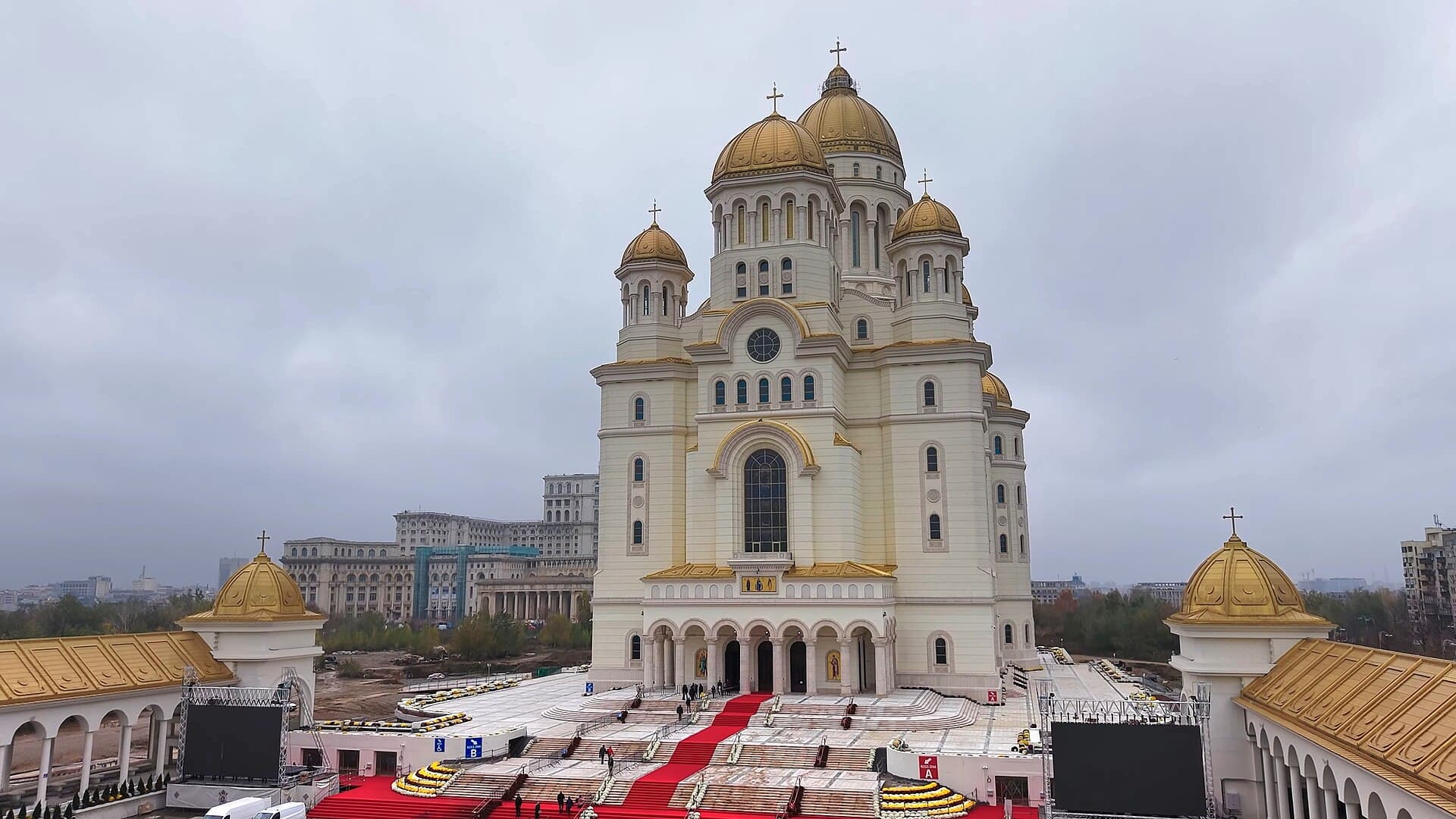 The People's Salvation CathedralThe People's Salvation Cathedral stands directly behind the Palace of the Parlia6 minutes walk3.9
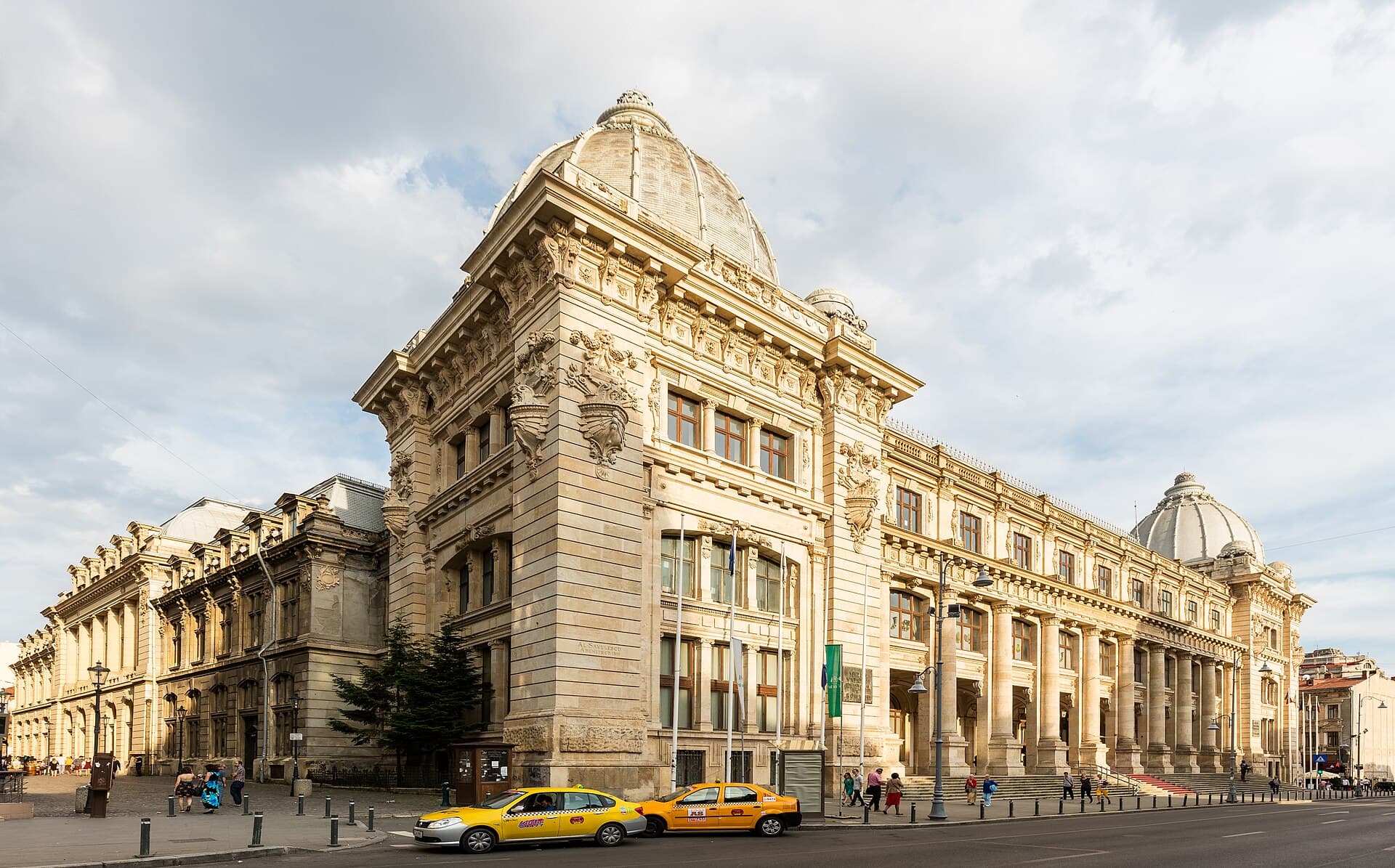 National Museum of Romanian HistoryThe old Postal Palace on Calea Victoriei keeps the country's memory from the Sto11 minutes walk4.3
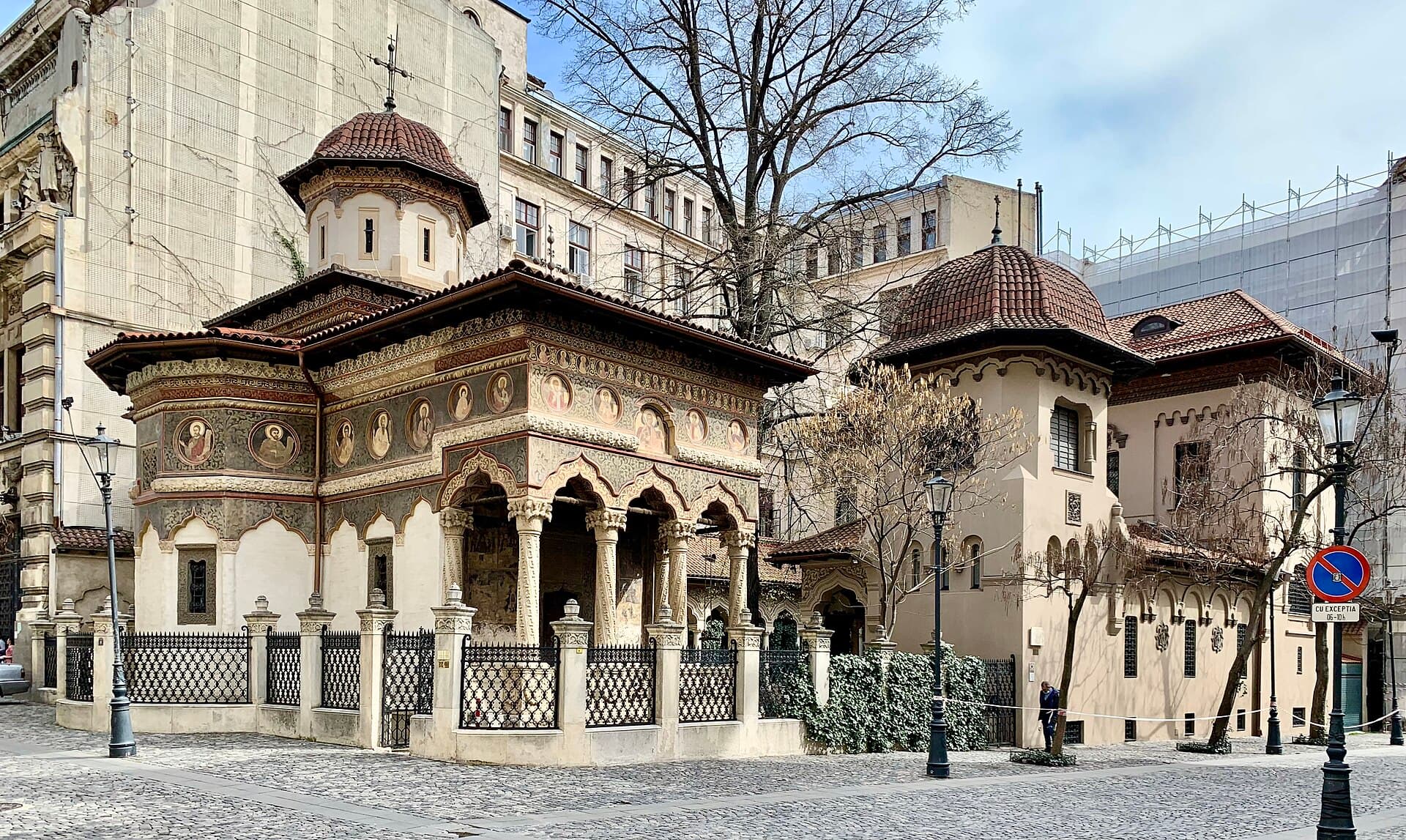 Stavropoleos MonasteryIn a narrow lane behind the noise of Lipscani stands the most beautiful small ch13 minutes walk4.9
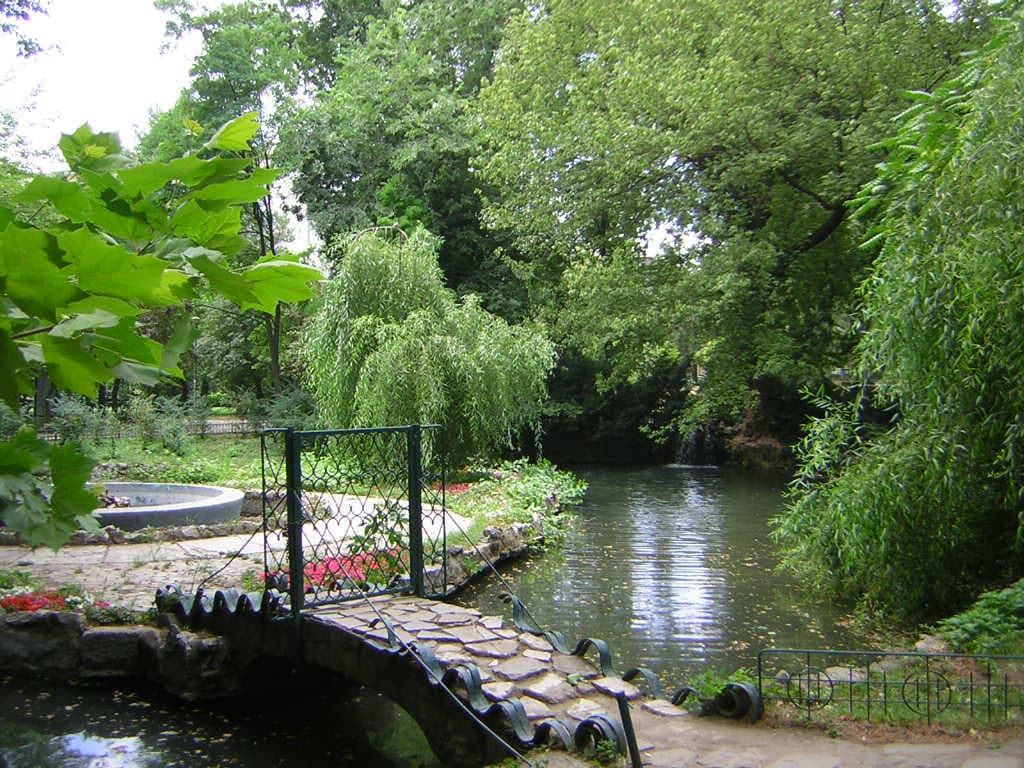 Cișmigiu GardenThe oldest public garden in Bucharest and the one with the largest presence in t14 minutes walk4.3
The standard tour is ninety minutes and covers only about 5% of the building. With balcony and basement it reaches two and a half hours.
Strongly advised, especially in summer and on weekends; book by phone at least a day before, and enter through the north gate on Strada Izvor.
Yes, though it is a long walk on marble with historical commentary — best for ages eight and up.