
Salons
Chandeliers and mirrors.
Rodrigo Fernández — CC BY-SA 4.0 · Rjcastillo — CC BY-SA 4.0 · Lorna-Lorna — CC BY-SA 3.0 · Cesar.cch — CC BY-SA 4.0
A lavish palace of the 1870s built by Isidora Goyenechea, widow of businessman Luis Cousiño, whose fortune came from silver and coal mines, and designed by French architect Paul Lathoud in opulent European style on Calle Dieciocho, then the street of the capital's richest families. Most of its contents came from Europe: French furniture, crystal chandeliers, inlaid wooden floors, silk wallpaper, carpets, mirrors and statues. It is said to have been among the first houses in Chile with electric light and a lift. The palace is now a municipal museum, seen on guided tours through reception rooms, the dining hall, library and bedrooms, with guides telling the family's story and the life of Santiago's nineteenth-century elite. It was damaged in the 2010 earthquake and then restored. A small garden surrounds it, and the old district's streets and historic houses are worth a short stroll. Watch for pickpockets and phone snatching in crowded spots, as in any big city.
Chandeliers and mirrors.
French furniture.
Mining fortune.
Calle Dieciocho, south of central Santiago
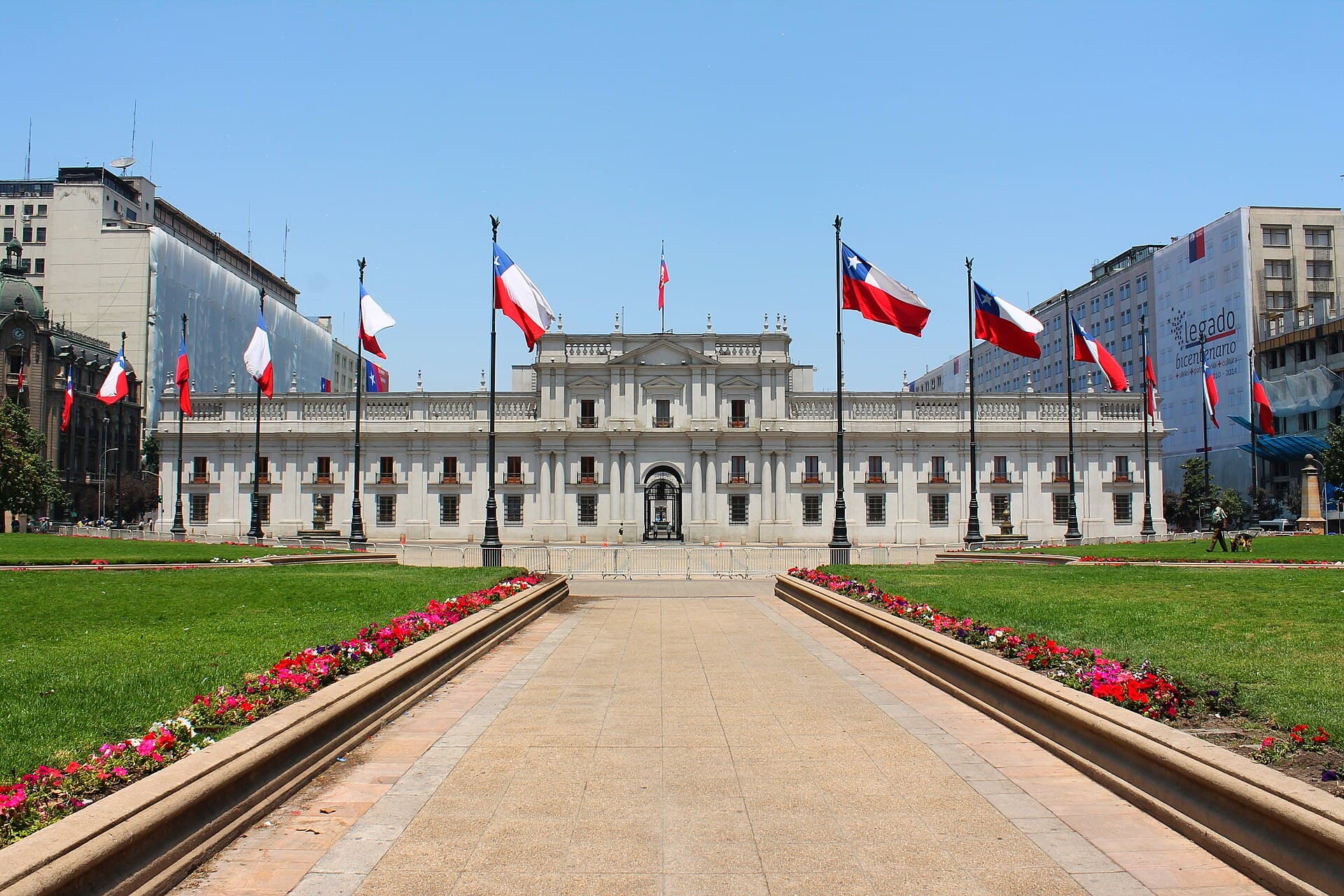 La Moneda PalaceChile's presidential seat, a broad white neoclassical palace designed by the Ita14 minutes walk4.7
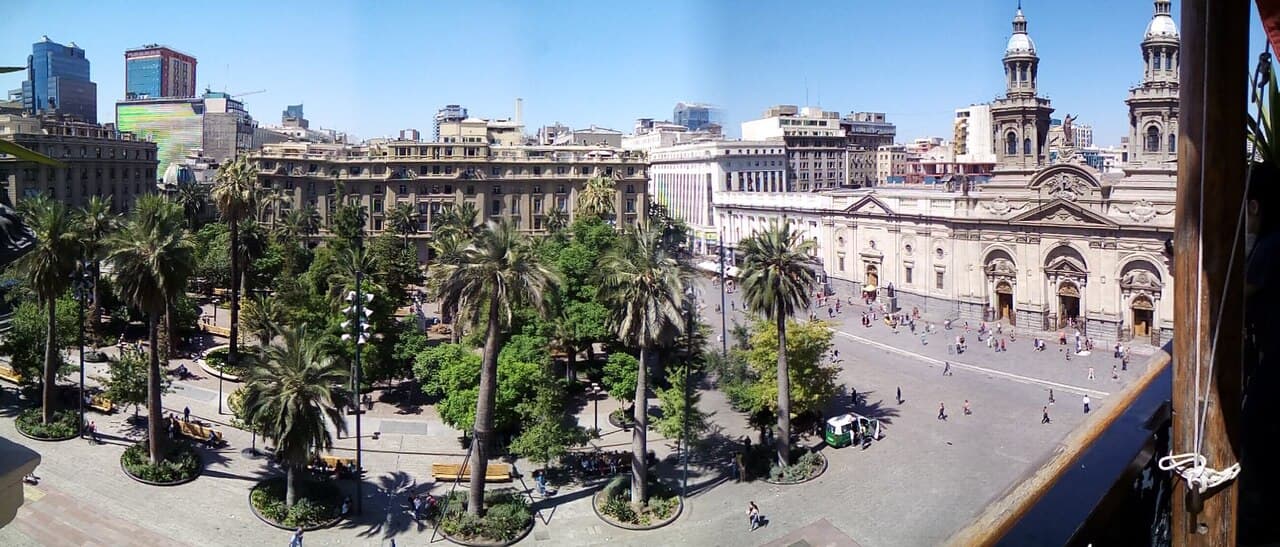 Plaza de ArmasSantiago's heart since its founding in 1541, when the Spanish captain Pedro de V21 minutes walk4.3
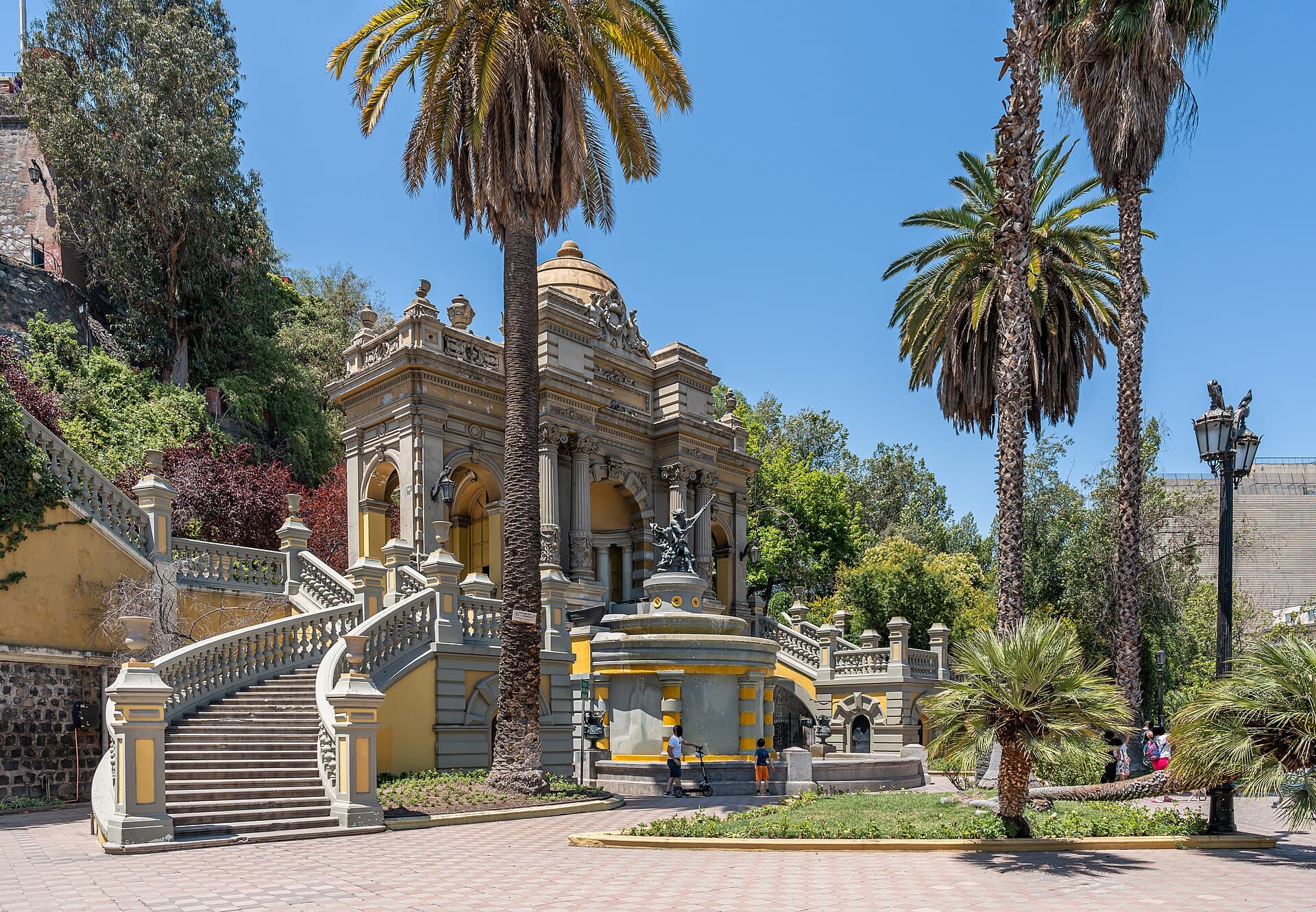 Cerro Santa LucíaA small rocky hill in central Santiago, called Huelén in Mapudungun, at whose fo23 minutes walk4.5
Visits are usually by guided tour through the rooms, so check times and fees before going.