
The marble staircase
1906 grandeur in neo-Florentine Renaissance style.
Urs Zeier — CC BY-SA 3.0 · Michel Krafft — CC BY-SA 4.0 · Michel Krafft — CC BY-SA 4.0 · Michel Krafft — CC BY-SA 4.0
The Palais de Rumine is a vast neo-Florentine Renaissance building dominating the Place de la Riponne in central Lausanne, built between 1898 and 1906 under the will of **Gabriel de Rumine**, son of a wealthy Russian family settled in Lausanne, who left his fortune to the city to build a monument to learning and culture. It once housed the university, the library and all the city's museums together. Today — after the fine-arts museum moved to Plateforme 10 in 2019 — it holds **two free cantonal museums**: the Cantonal Museum of Archaeology and History (which absorbed the coin and medal collections in 2019) and the Naturéum, the cantonal natural-sciences museum, with its geology gallery of minerals and dinosaur skeletons and its zoology gallery. Plus the cantonal and university library. It also holds a moment of history: the **Treaty of Lausanne** was signed in its hall in 1923, drawing the borders of modern Turkey after the fall of the Ottoman Empire — an event Arab and Turkish readers know well. The building itself, with its marble staircase and decorated halls, is worth stepping into even for a few minutes, and the two museums are free.
1906 grandeur in neo-Florentine Renaissance style.
Dinosaur skeletons and minerals — free and family-friendly.
Where modern Turkey's borders were drawn.
Place de la Riponne 6, 1005 Lausanne
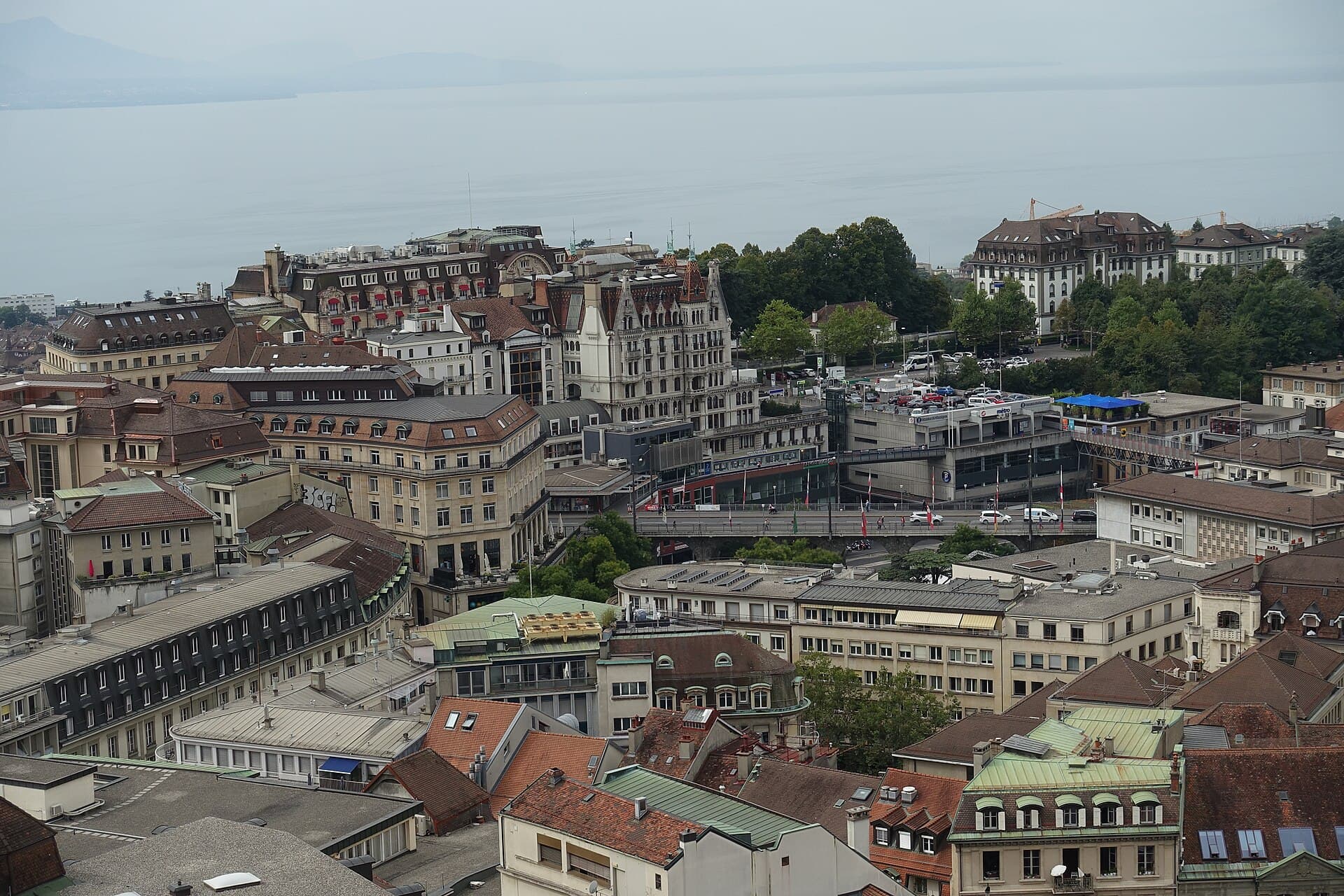 Lausanne CathedralThe Cathedral of Notre-Dame in Lausanne is **Switzerland's most important Gothic2 minutes walk4.7
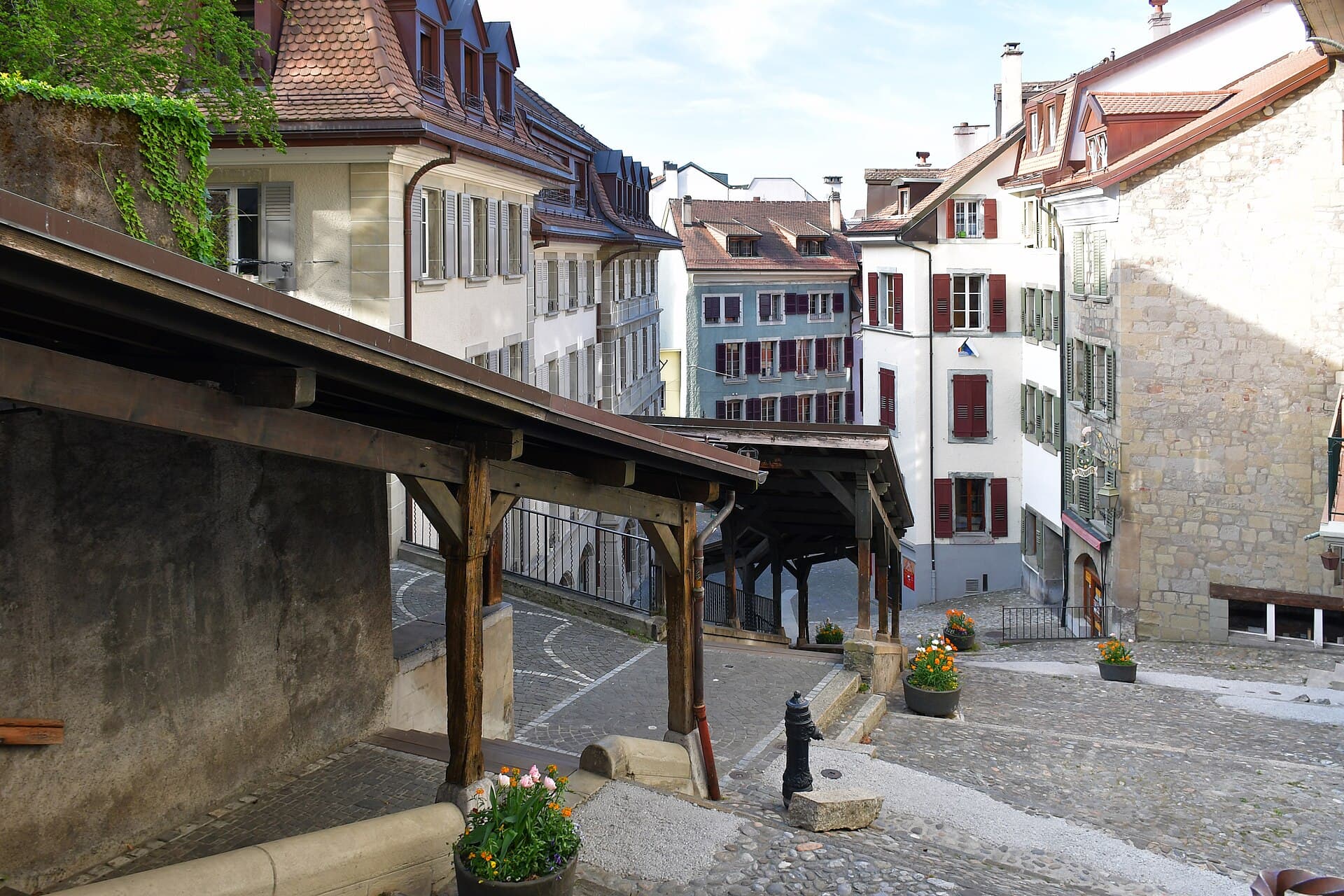 Escaliers du MarchéThe Escaliers du Marché are the covered wooden stairs linking the Place de la Pa2 minutes walk
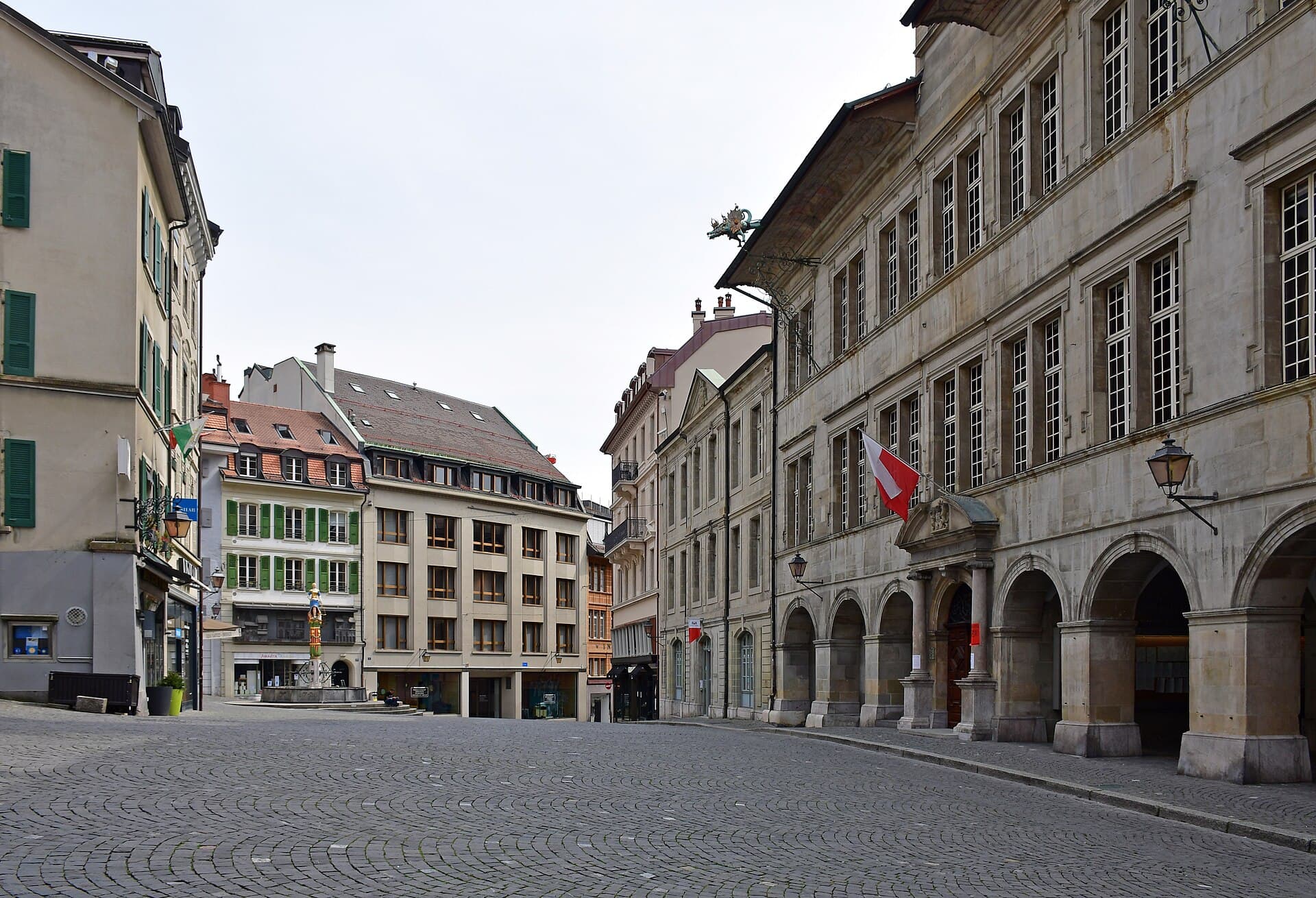 Place de la Palud and the Old TownThe Place de la Palud is Lausanne's oldest square and the heart of its old town:6 minutes walk4.5
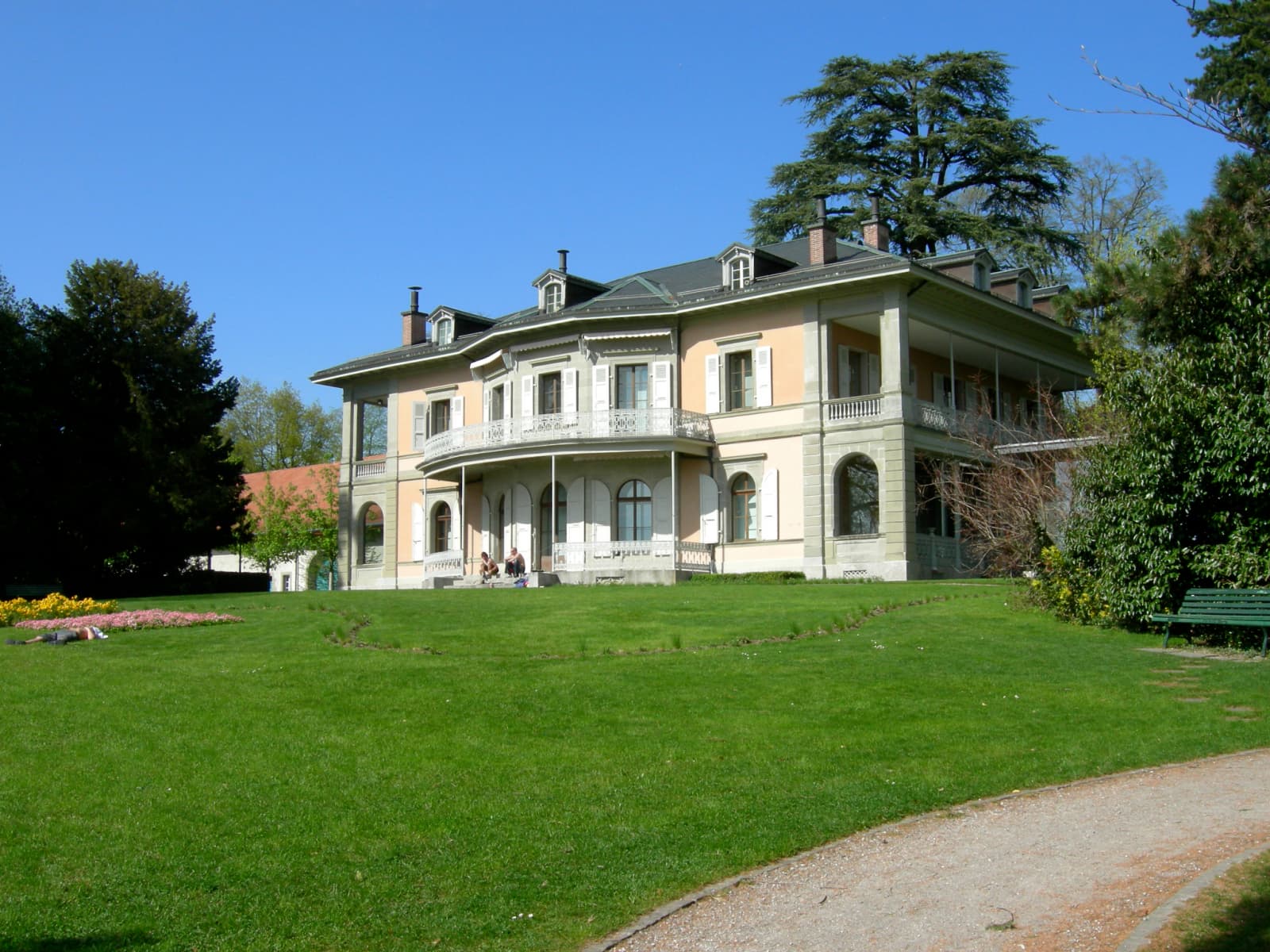 Fondation de l'HermitageThe Fondation de l'Hermitage is an art museum in a **private nineteenth-century 7 minutes walk4.5
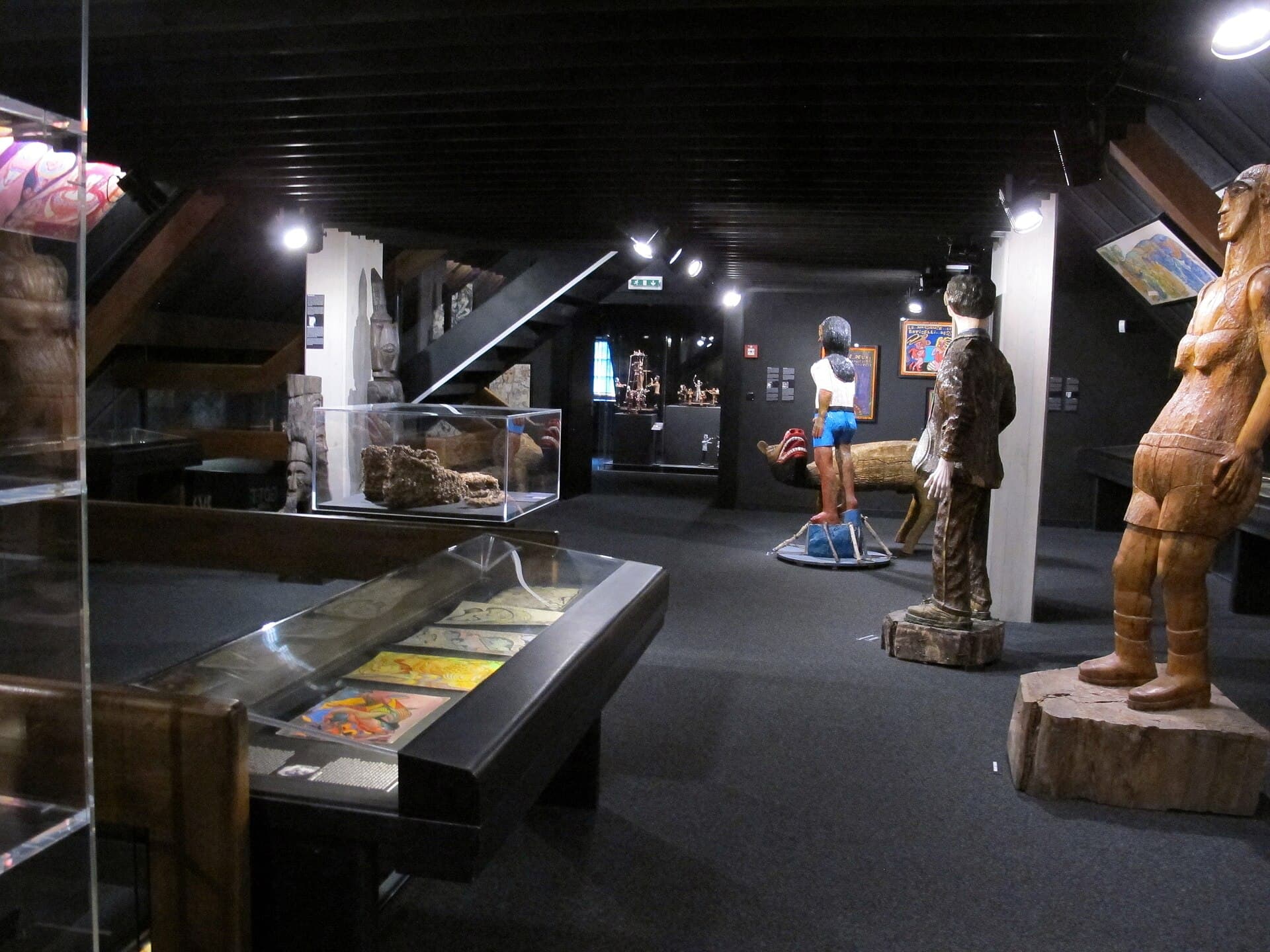 Collection de l'Art BrutThe Collection de l'Art Brut is a museum like no other: the French painter **Jea10 minutes walk4.8
Signed in this palace in 1923 between Turkey and the Allied powers, it replaced the Treaty of Sèvres, formally ended the Ottoman era and drew the borders of the modern Turkish Republic — and also covered the population exchange between Turkey and Greece. It is still frequently invoked in Turkish and Arab political debate, which gives the hall a particular resonance for a visitor from our region.
Yes precisely because they are free: the Naturéum's geology gallery with its skeletons is excellent for children, and archaeology and history explains the region's Roman past. Do not expect world-class institutions — these are modest cantonal museums — but the price is zero and the building itself is handsome. An hour suffices, and if time is short just step in for the staircase and hall.