
The wooden roof
An early-eighteenth-century covered passage still standing.
Gzzz — CC BY-SA 4.0 · Jean Housen — CC BY-SA 4.0 · Jean Housen — CC BY-SA 4.0 · Jean Housen — CC BY-SA 4.0
The Escaliers du Marché are the covered wooden stairs linking the Place de la Palud below to the cathedral above — Lausanne's most famous passage and its most photographed: wooden steps beneath a wooden roof carried on posts, with a very steep cobbled street running alongside, climbing between the façades of old houses and cafés. Their origin is medieval: the stairway is recorded from the thirteenth century as a very steep street that merchants and pilgrims climbed to the cathedral, but **the covered wooden stairs you walk today date from 1717–1719** — restored repeatedly since while keeping their form. They are a direct expression of what Lausanne is: a vertical city built on three hills, where you move up and down rather than left and right. Free and always open, the climb takes minutes. Take them on your way from the old town to the cathedral instead of winding around by the streets — the route itself is the attraction, and it is loveliest in the evening under its warm lighting.
An early-eighteenth-century covered passage still standing.
A city crossed up and down rather than side to side.
Escaliers du Marché, 1003 Lausanne
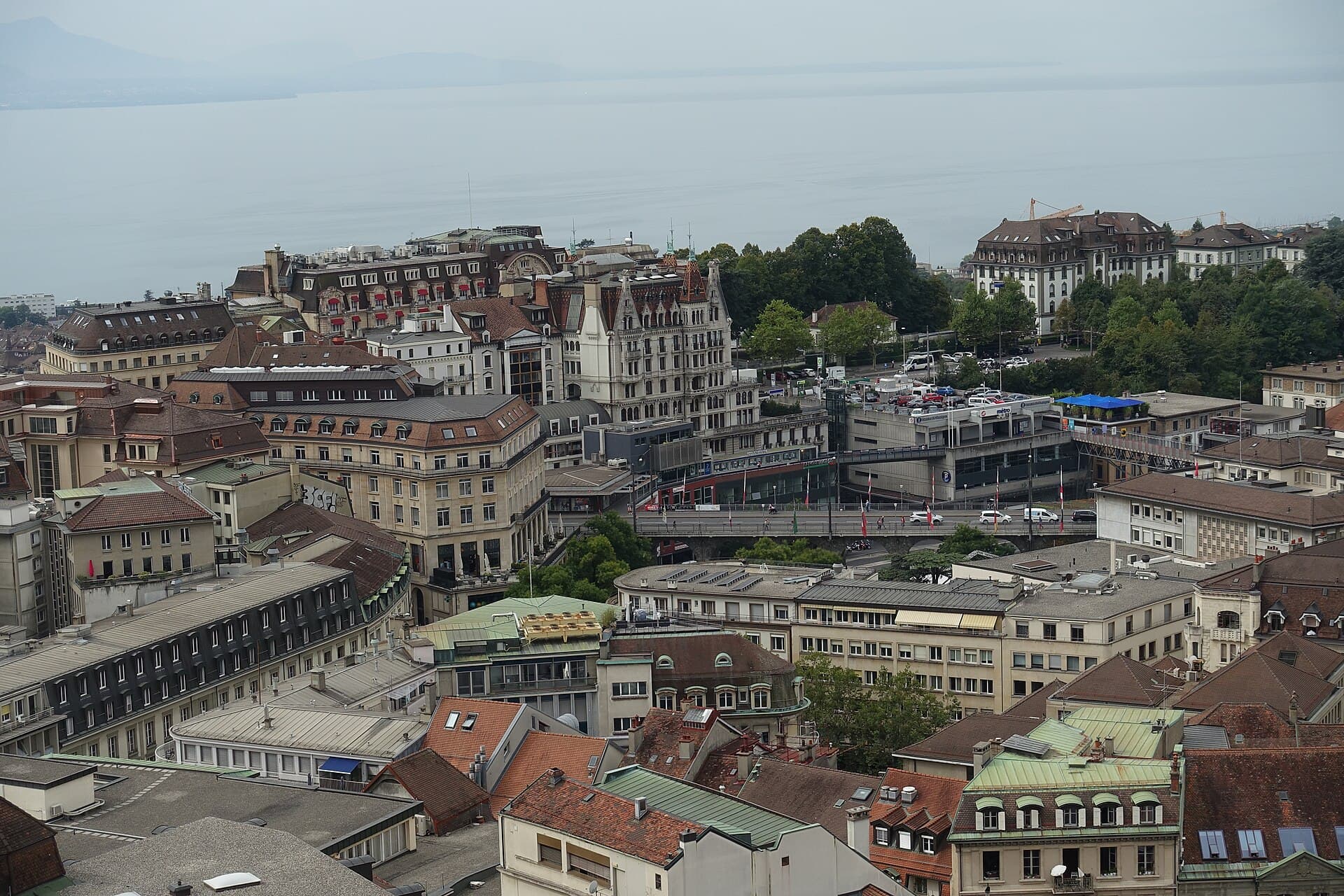 Lausanne CathedralThe Cathedral of Notre-Dame in Lausanne is **Switzerland's most important Gothic2 minutes walk4.7
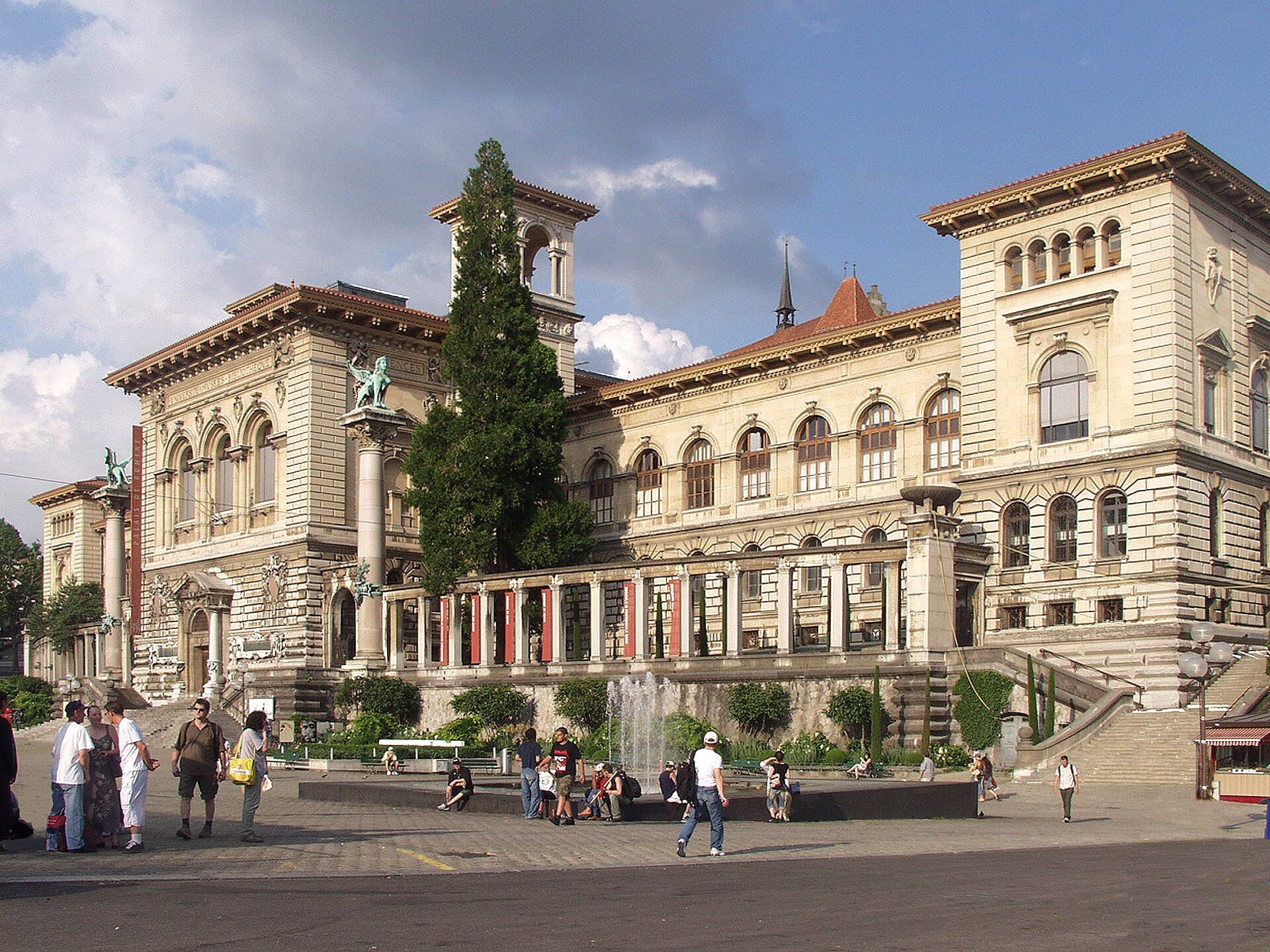 Palais de RumineThe Palais de Rumine is a vast neo-Florentine Renaissance building dominating th2 minutes walk4.7
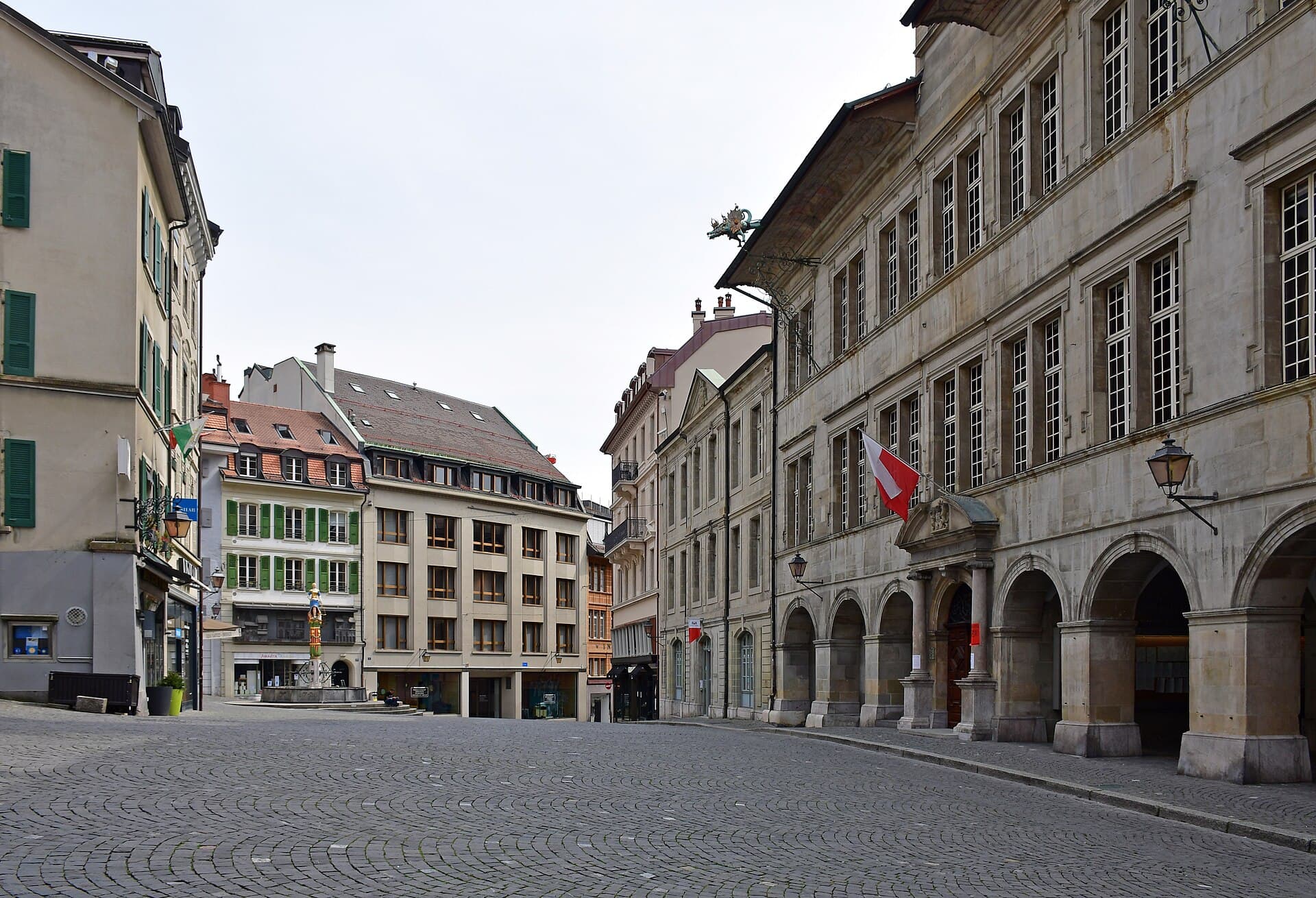 Place de la Palud and the Old TownThe Place de la Palud is Lausanne's oldest square and the heart of its old town:3 minutes walk4.5
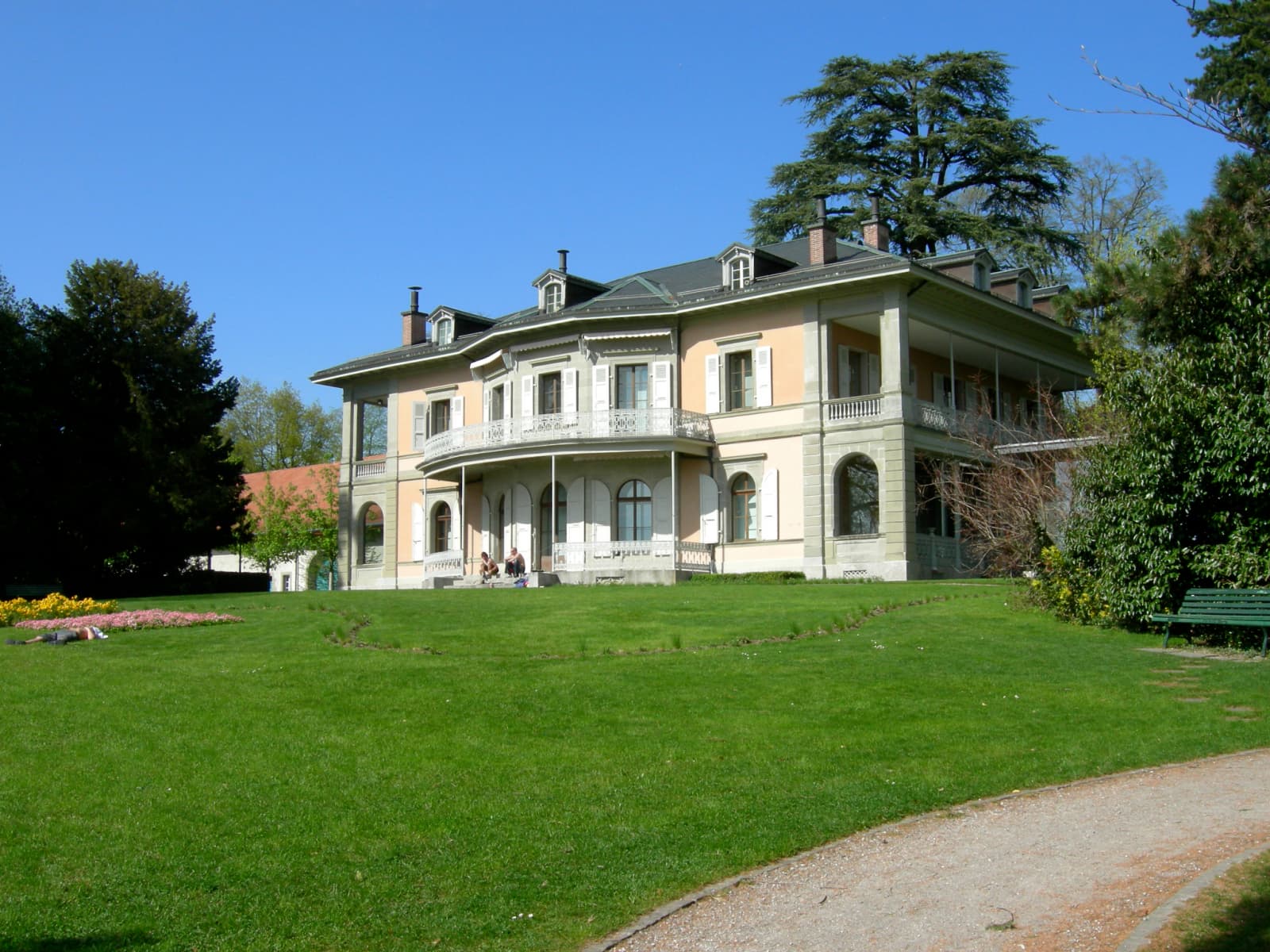 Fondation de l'HermitageThe Fondation de l'Hermitage is an art museum in a **private nineteenth-century 9 minutes walk4.5
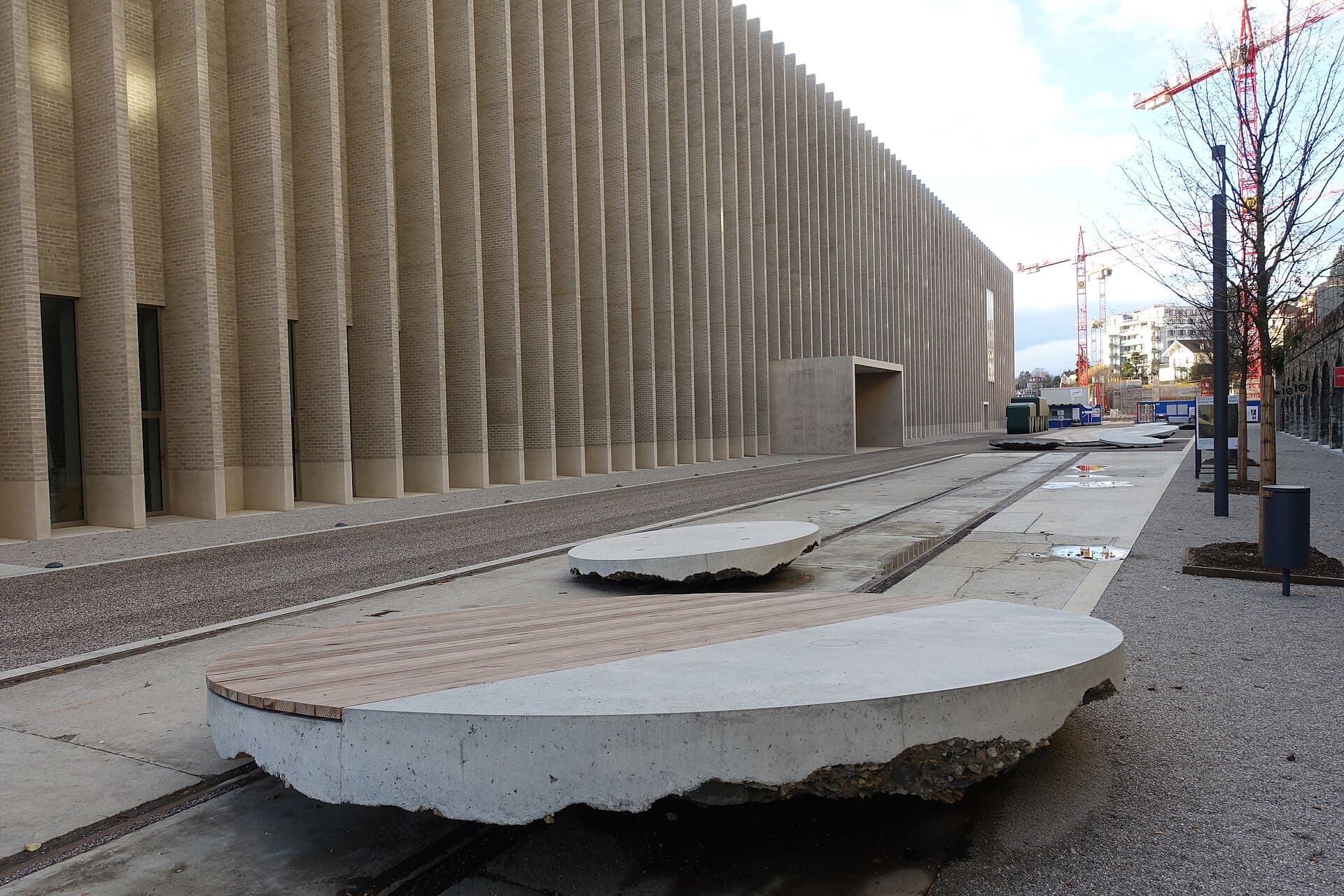 Cantonal Museum of Fine Arts (MCBA)The Cantonal Museum of Fine Arts (MCBA) is the principal art museum of Lausanne 10 minutes walk4.6
Honestly yes — it is built on three hills, and the gap between the lakeshore at Ouchy (374 m) and the old town (the centre at 495 m, the cathedral hill at 526 m) is roughly **a hundred and fifty vertical metres**, so walking means continuous climbing and descending — the city as a whole rises more than 500 m if you go on up to the Jorat woods. The remedies: **metro m2**, which covers the whole gap in minutes and serves the main stops (Switzerland's only metro), and the free transport card hotels give their guests. With small children or a pushchair: rely on the metro and do not plan long uphill routes.