
Guarini's wave
The undulating brick front — Baroque melting stone.
Zairon — CC BY-SA 4.0 · Drue 2010 — CC BY-SA 4.0 · Jeanne Griffin — CC BY-SA 4.0 · Jeanne Griffin — CC BY-SA 4.0
Palazzo Carignano is Turin's boldest Baroque and Italy's weightiest political address: Guarini's undulating brick front (1679) a stone wave without a straight line — house of the Carignano princes where Vittorio Emanuele II, Italy's unifier and first king, was born, and in whose hall the newborn kingdom's first parliament sat (1861). Hence it houses the National Risorgimento Museum — richest of Italian-unification museums: thirty rooms telling the century that made Italy, Voltaire to Rome-as-capital, through Garibaldi's and Cavour's documents, swords and proclamations, climaxing in the first parliament chamber preserved red-benched as at its last sitting — beside the grander chamber built for united Italy's parliament and never used: the capital moved before its completion. For an Arab visitor, the ideal threshold to modern Italy — for the architecture lover, the two façades suffice: the front wave and the added capital-era back.
The undulating brick front — Baroque melting stone.
Italy's first parliament, benches as its members rose.
The very birth room of Vittorio Emanuele II.
Via Accademia delle Scienze 5, 10123 Turin
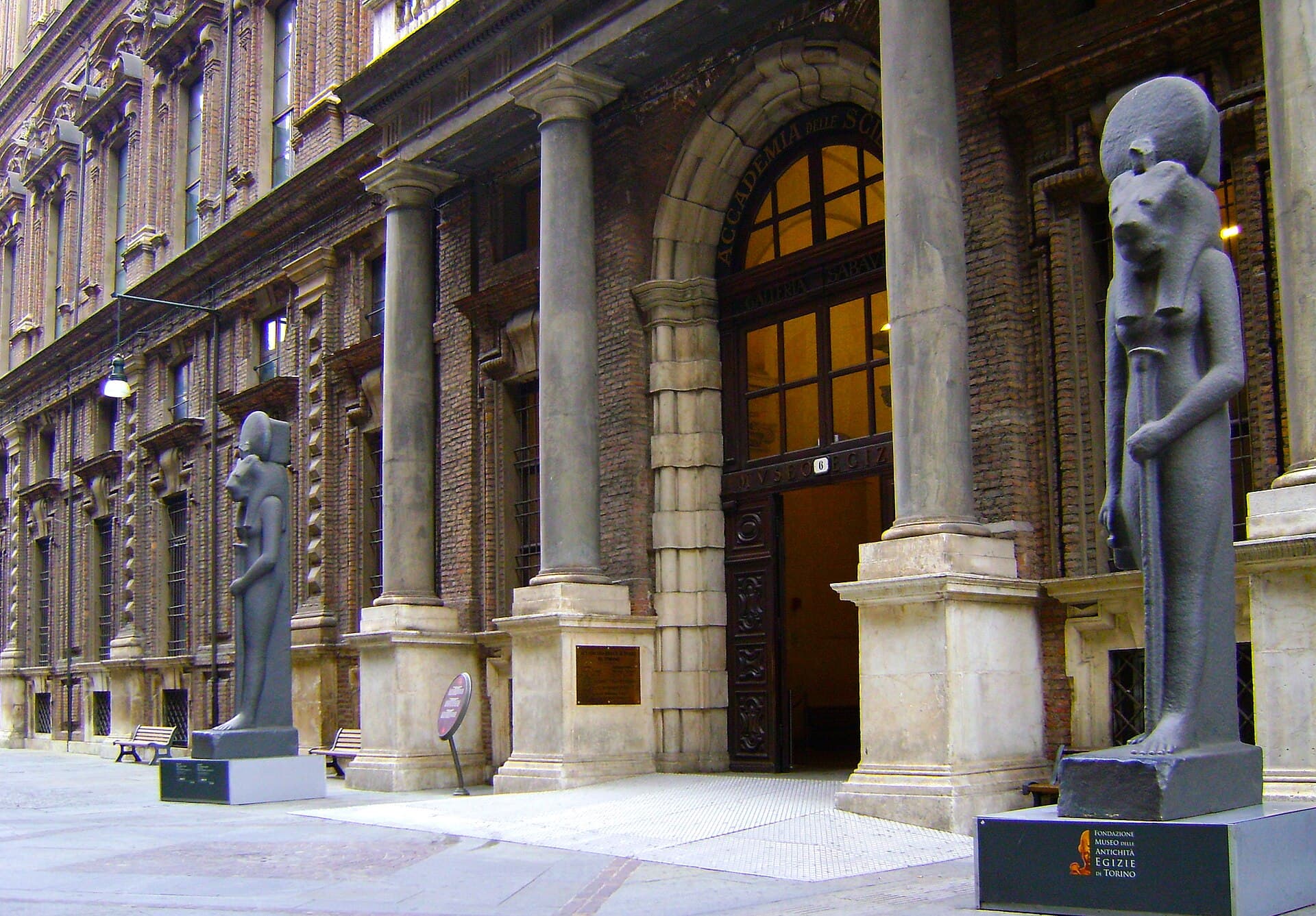 Museo EgizioTurin's Egyptian Museum is the world's oldest devoted to the Nile's civilisation1 minute walk4.8
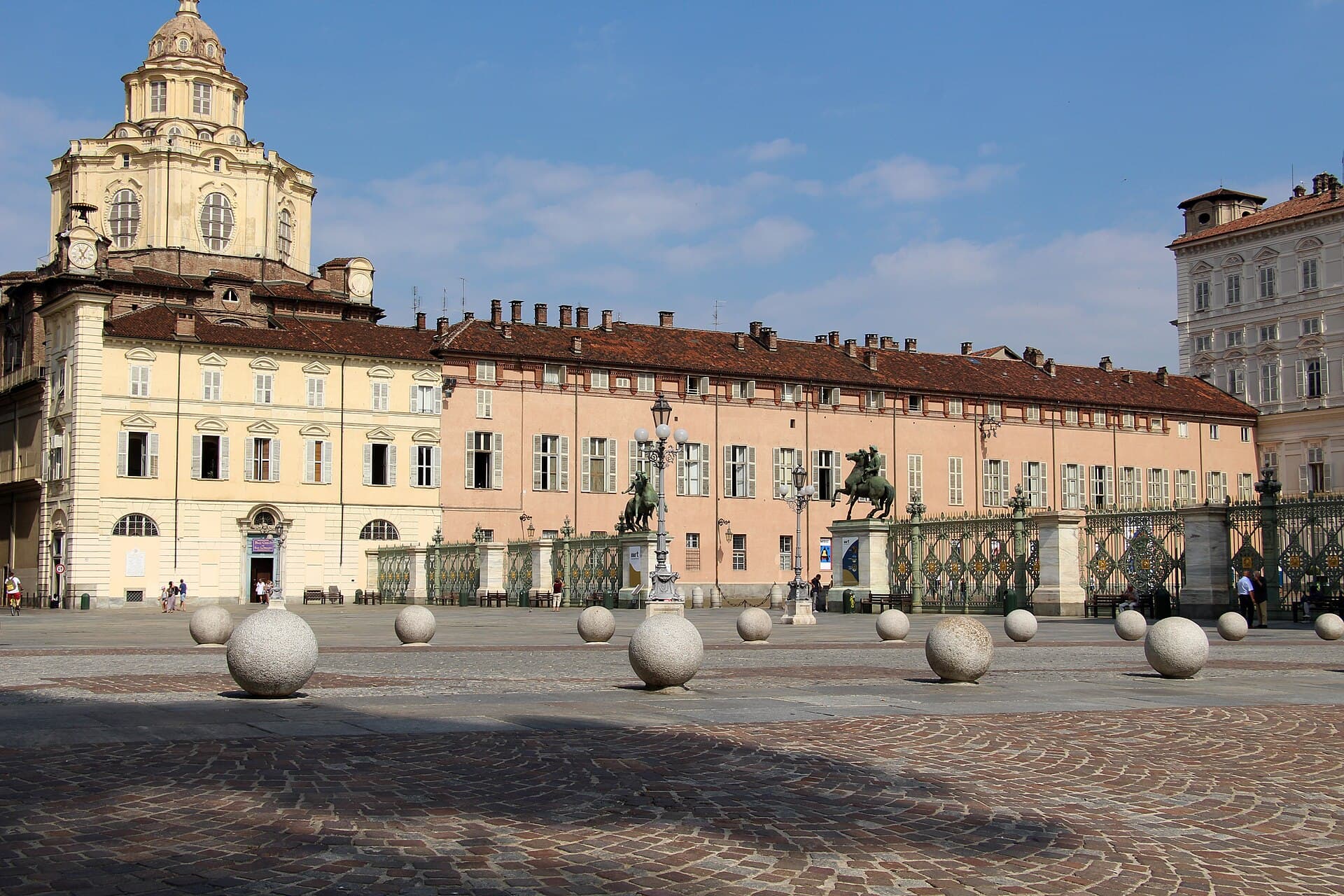 Piazza CastelloCastello is Turin's geometric and royal centre: from it the city was planned, it3 minutes walk4.9
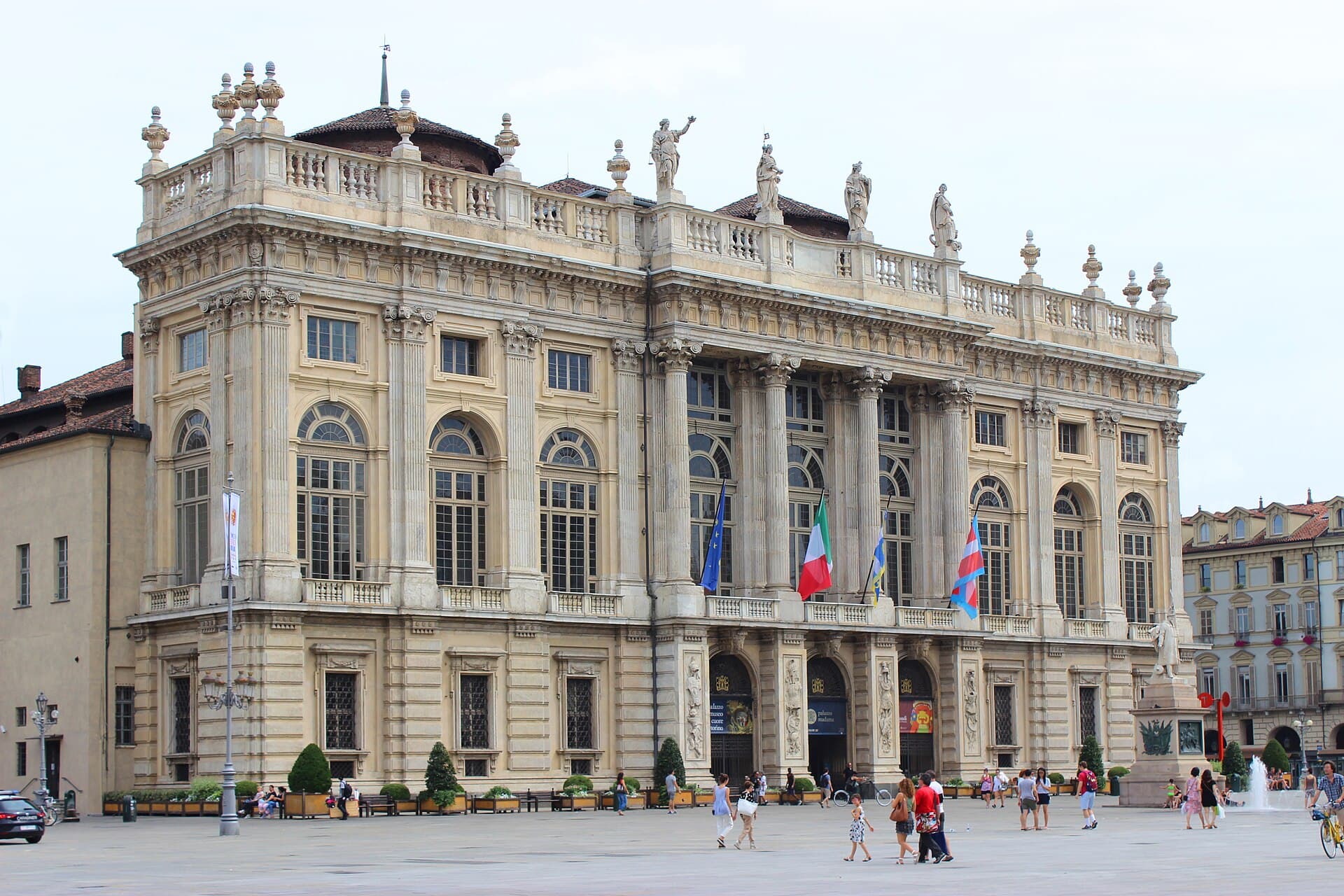 Palazzo MadamaPalazzo Madama is Turin's history in one building: its east face a genuine Roman3 minutes walk4.5
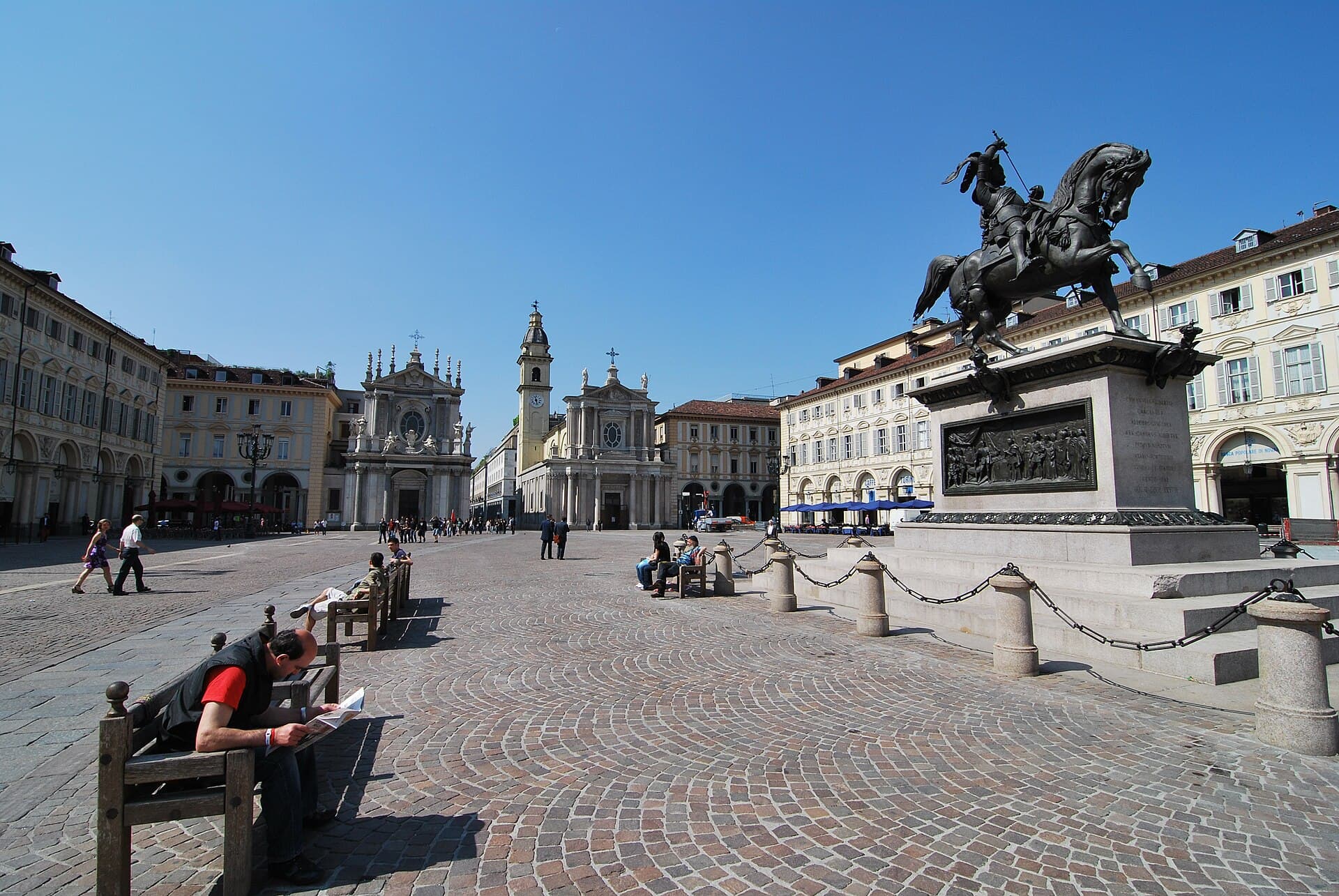 Piazza San CarloSan Carlo is Turin's drawing room: a Baroque rectangle of perfect proportion, it3 minutes walk4.6
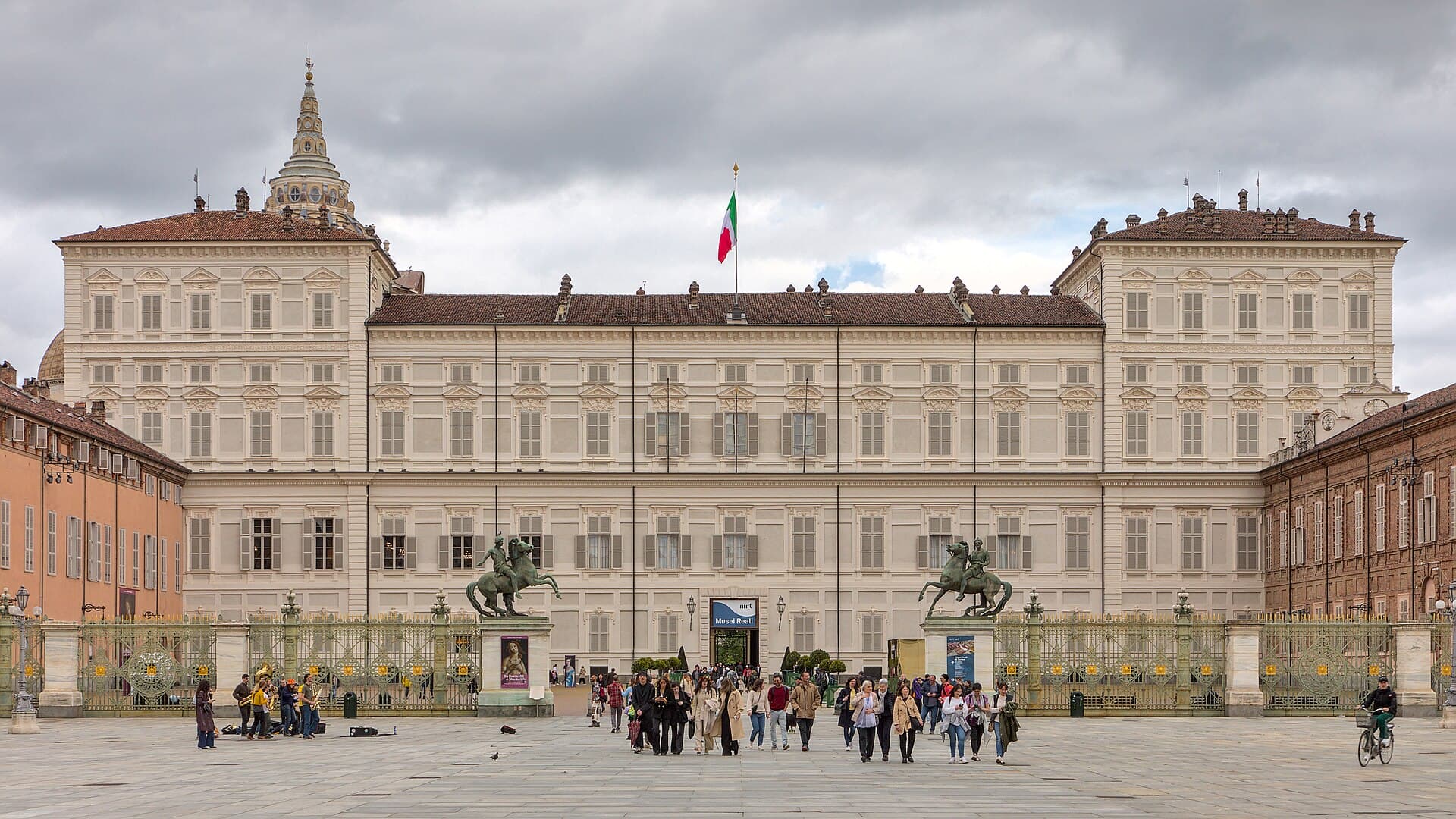 Royal Palace (Musei Reali)The Royal Palace is the house of Savoy, unifiers and kings of Italy: from here t5 minutes walk4.9
The resurgence: the nineteenth-century movement that gathered the peninsula's fragments — kingdoms, duchies, papal states, occupations — into one Italy under Turin's Savoy: Cavour the mind, Garibaldi the sword, Vittorio Emanuele the crown. Turin was the first capital — and the museum tells it from its own house.
The grand hall was built for the new state's parliament straight after unification — and before readiness the capital moved to Florence (1865), then Rome, leaving a majestic empty amphitheatre no deputy ever sat in: a frank monument to the city that gave Italy everything, then handed over the keys.