
The uniform arcades
A seventeenth century of continuous columns — elegance as order.
chensiyuan — CC BY-SA 4.0 · Benjamin Smith — CC BY-SA 4.0 · Archeologo — CC BY-SA 4.0 · Giorgio Duma .mw-parser-output .messagebox{margin:4px 0;width:auto;border-collapse:collapse;border:2px solid var(--border-color-progressive,#6485d1);background-color:var(--background-color-neutral-sub — CC BY-SA 4.0
San Carlo is Turin's drawing room: a Baroque rectangle of perfect proportion, its arcades filed in elegance — uniform seventeenth-century fronts on continuous columns walked beneath sheltered from sun and snow, the twin churches closing its south with facing façades, and the Bronze Horse at centre, sword raised — Emanuele Filiberto, who won Savoy its capital back. Under the arcades sit Turin's historic cafés, where the bicerin and the chocolate rites were invented: Caffè San Carlo, Caffè Torino, marble and mirrors — one sitting is a lesson in Turin-ness: elegance without noise. It is the heart of the great Turinese walk: Porta Nuova through it to Castello and the Royal — the arcade kilometre that makes the city's quiet spell.
A seventeenth century of continuous columns — elegance as order.
Emanuele Filiberto unsheathing — the capital regained.
Marble, gold and chocolate — Turin's coffee court.
Piazza San Carlo, 10123 Turin
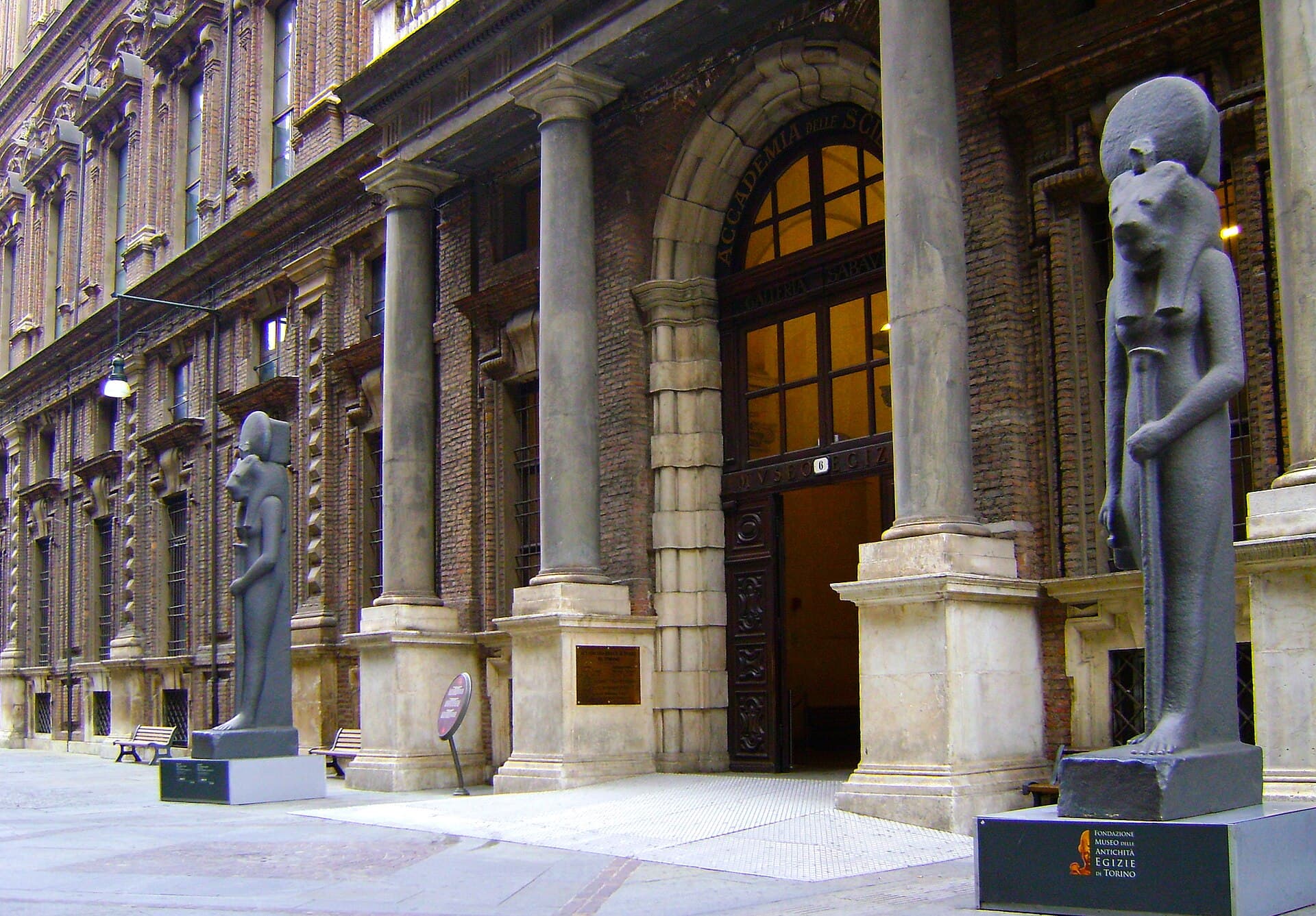 Museo EgizioTurin's Egyptian Museum is the world's oldest devoted to the Nile's civilisation2 minutes walk4.8
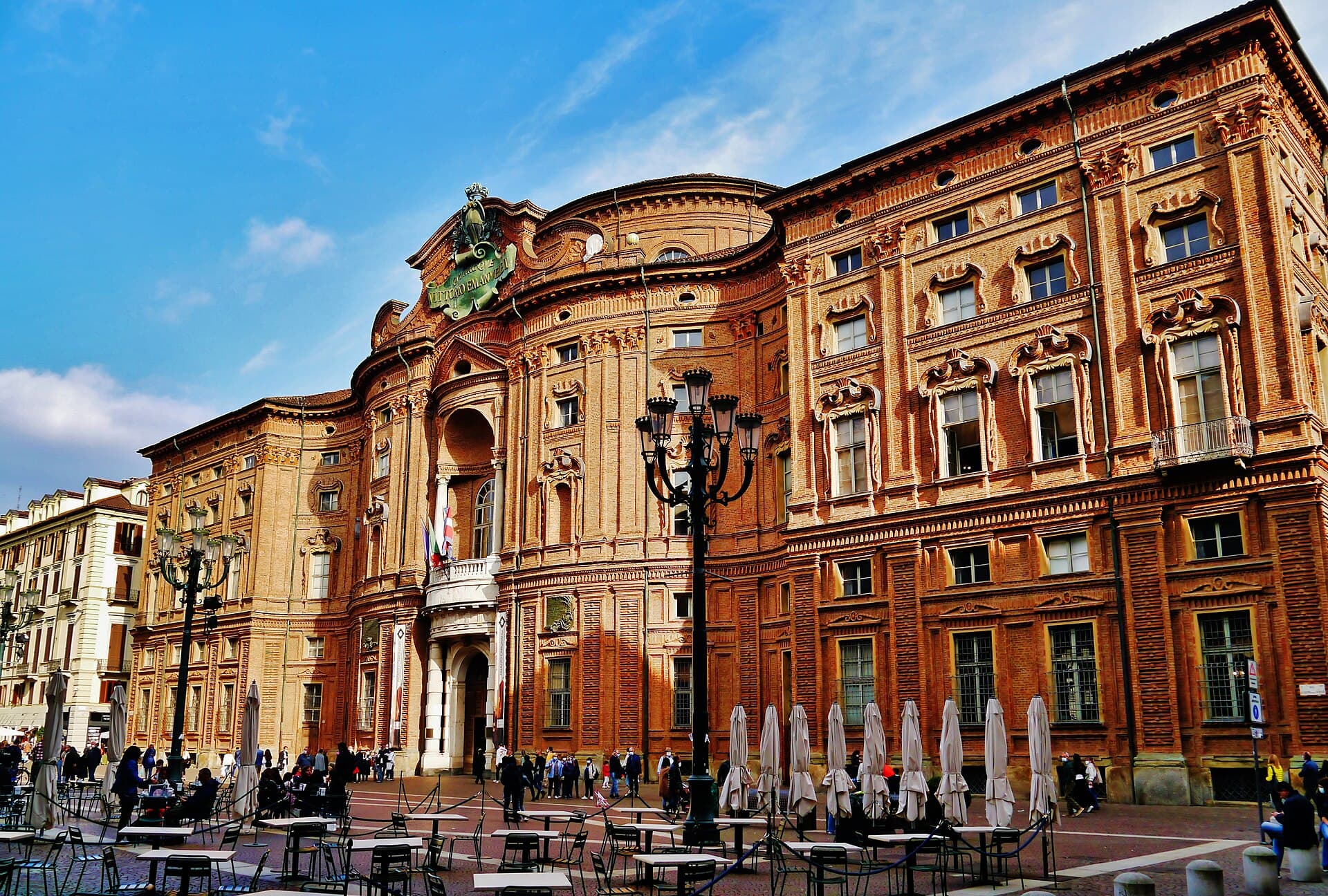 Palazzo Carignano and the Risorgimento MuseumPalazzo Carignano is Turin's boldest Baroque and Italy's weightiest political ad3 minutes walk4.7
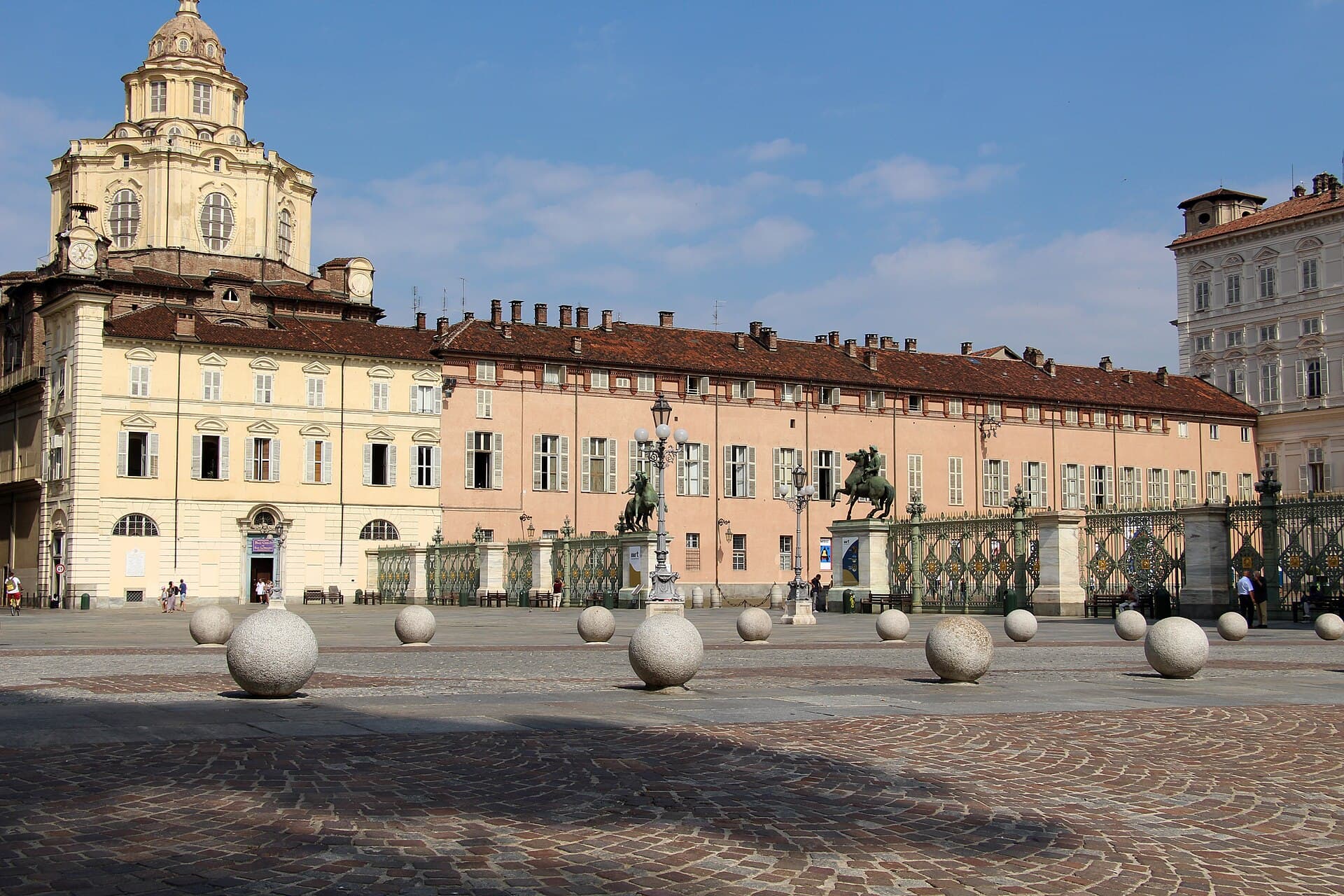 Piazza CastelloCastello is Turin's geometric and royal centre: from it the city was planned, it5 minutes walk4.9
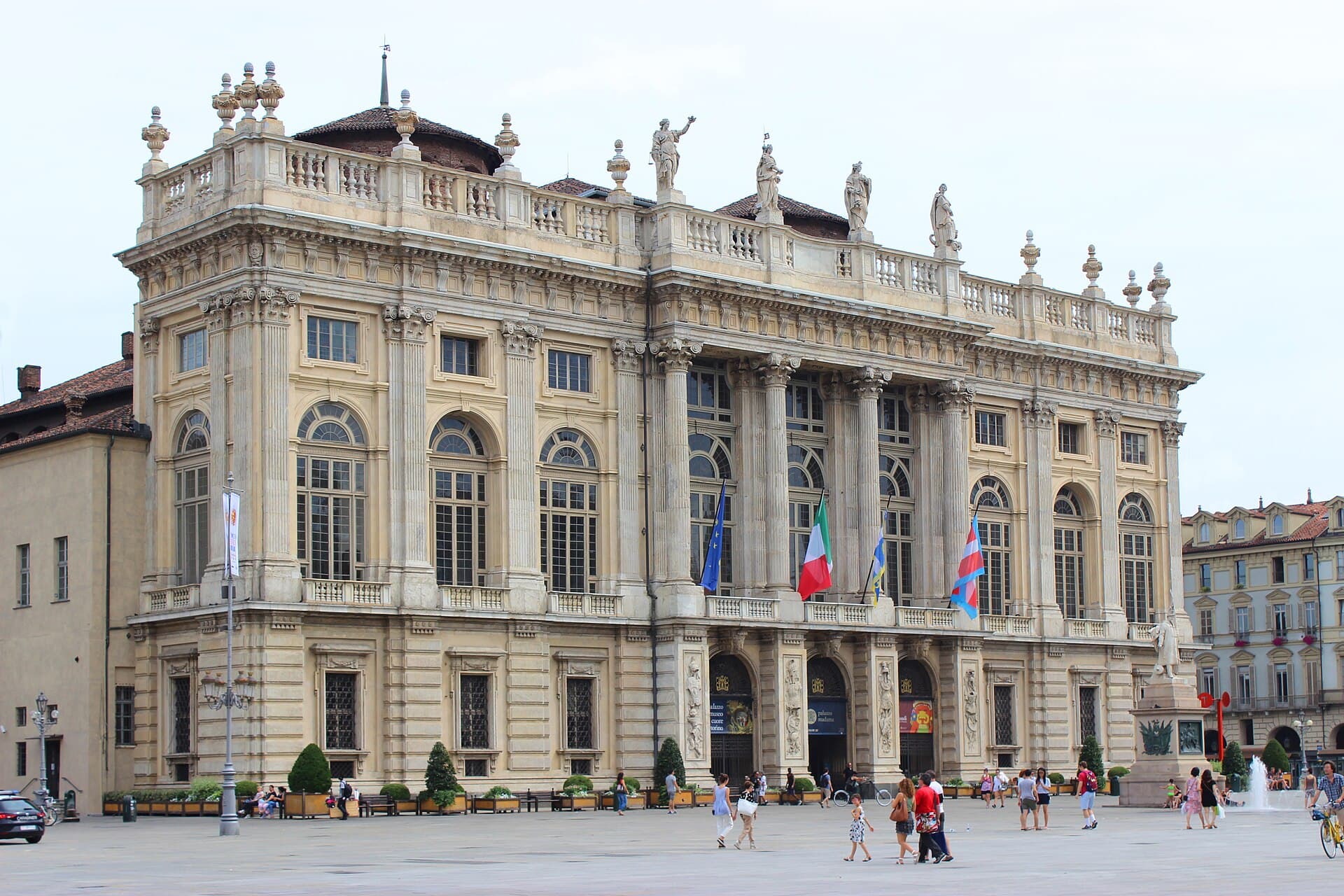 Palazzo MadamaPalazzo Madama is Turin's history in one building: its east face a genuine Roman6 minutes walk4.5
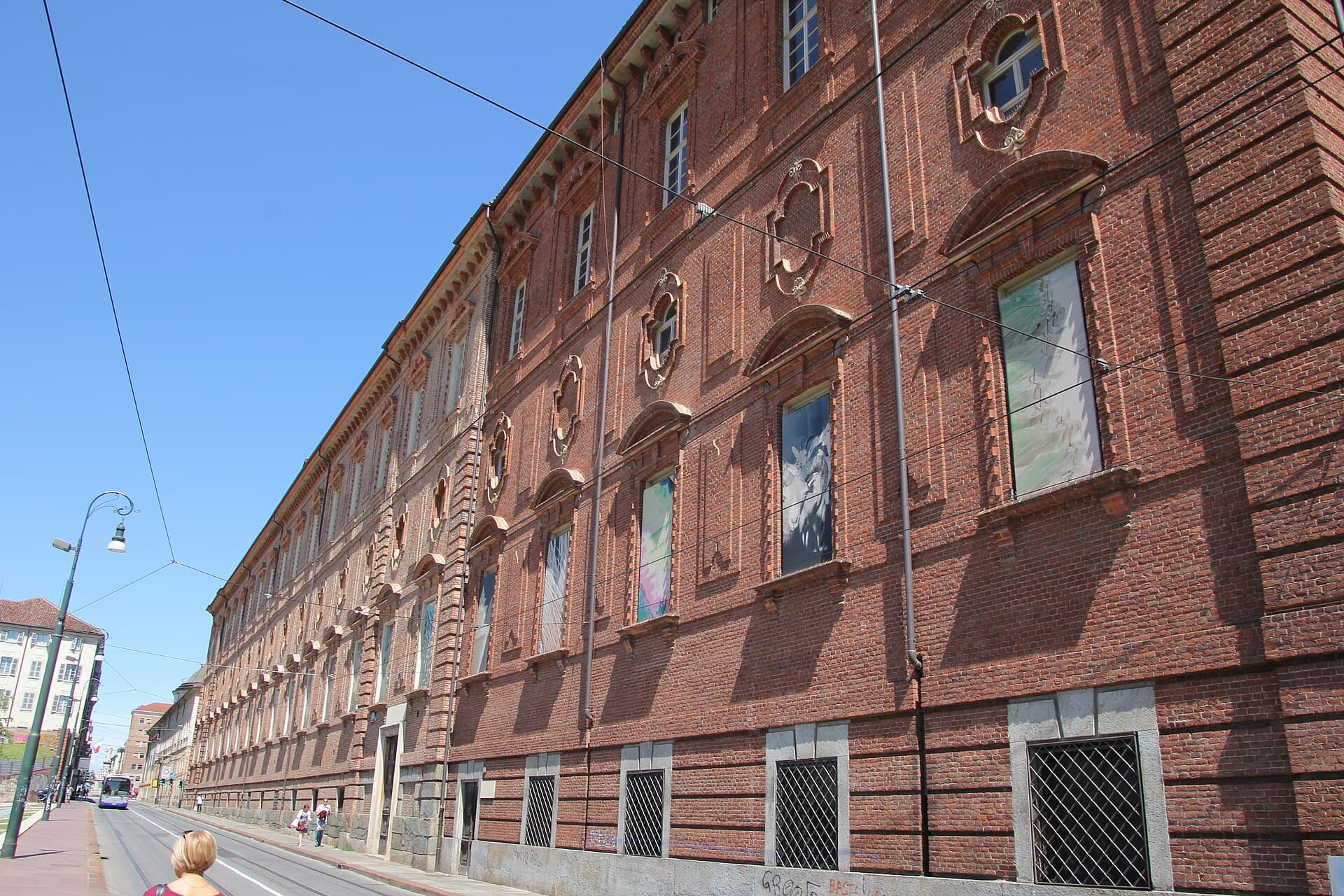 Regional Museum of Natural SciencesIn the middle of the hall stands a stuffed Indian elephant called Fritz, who arr7 minutes walk4.3
Three unmixed layers: hot chocolate, then coffee, then cream froth — drunk from the small glass unstirred so the tastes arrive in sequence. Born at Caffè Al Bicerin by the Consolata (1763, still serving), beloved of Cavour and Dumas — Turin's first argument against Paris in café civilisation.
From Porta Nuova station north along Via Roma's marble arcades, San Carlo (bicerin stop), then Castello with Madama and the Royal — twenty clean minutes, or two hours doing cafés and windows justice: Turin's whole spine with hardly open sky.