Market Tower
18.5 metres.
Yumeto — CC BY-SA 4.0 · Francisco Anzola — CC BY 2.0 · ThomasMomas — CC BY-SA 4.0 · ping lin — CC BY-SA 3.0 · ping lin — CC BY-SA 3.0 · TAOZIlovewiki — CC BY-SA 4.0 · Diego Tirira from Quito, Ecuador — CC BY-SA 2.0 · ping lin — CC BY-SA 3.0
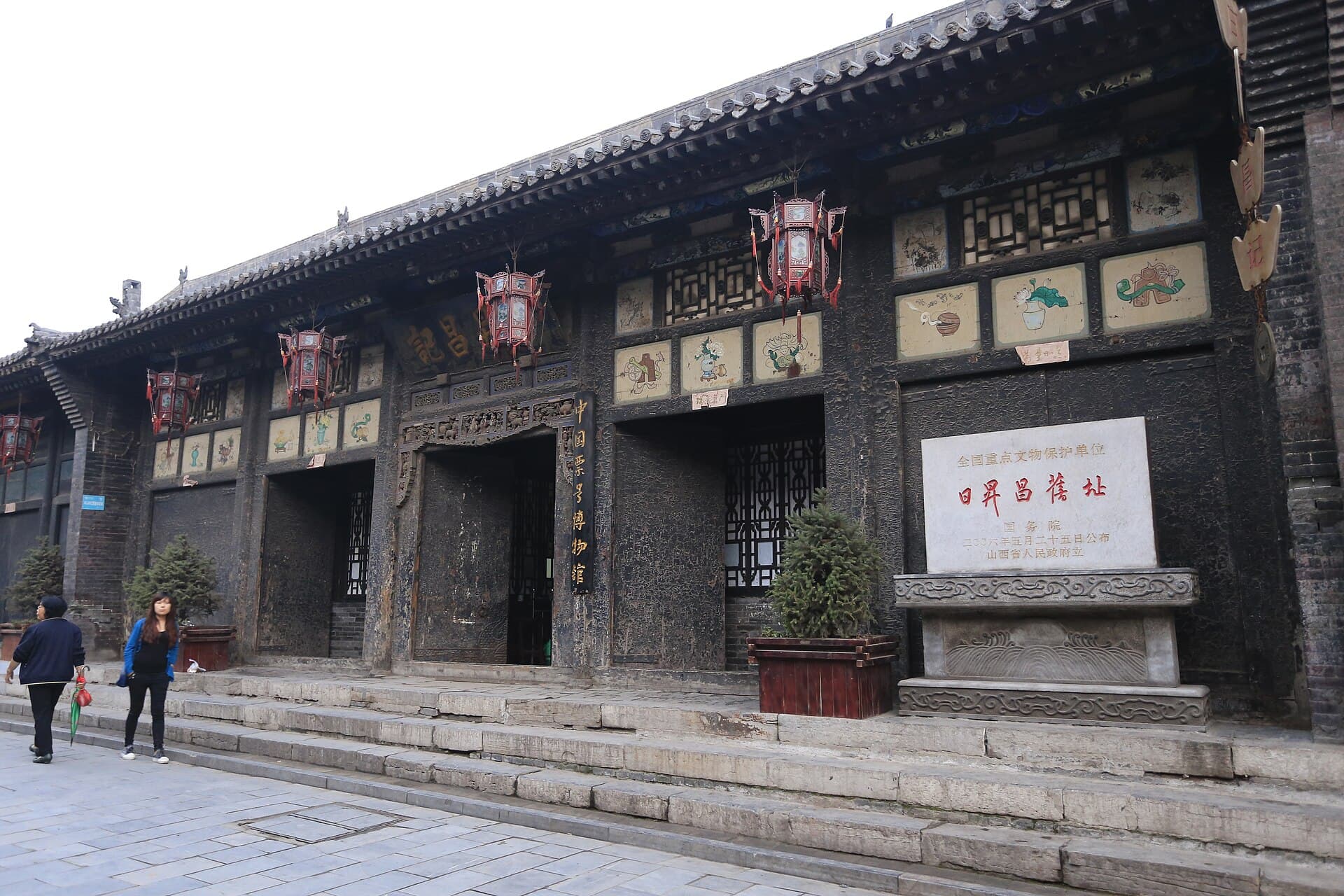
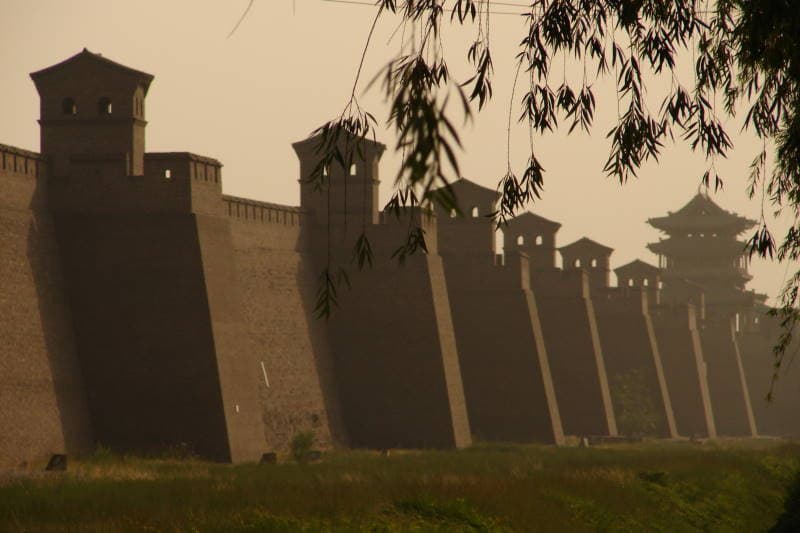
A walled Chinese town that has kept its street plan and most of its original Ming- and Qing-era buildings, making it one of the most complete old towns surviving in China; it has been on UNESCO's World Heritage List since 1997, and people still live in its grey-brick courtyard houses. In the nineteenth century Pingyao became the financial centre of the empire, home to more than twenty financial houses, the best known being Rishengchang, China's first draft bank; its streets still keep the old exchange houses and the offices of the escort companies that guarded shipments of silver, many of them now small museums. At its heart stands the Market Tower, an 18.5-metre timber pavilion with three tiers of roofs, rebuilt in 1688, with South Street passing beneath it and a view from the top over a sea of grey rooftops; legend tells of a well to its south whose water shone like gold. Walking the streets is free, while the sites inside the walls, including the wall itself, the Rishengchang museum and the old magistrate's office, need a combined ticket of CNY 125 for about 22 sites, valid three days, per visitor guides. The evening, when the red lanterns come on, is the loveliest time, and pork is common in restaurants, so ask about ingredients.
18.5 metres.
From the 19th century.
After dark.
Inside the walls of Pingyao, Pingyao County, Shanxi
Walking the streets is free, while the sites inside the walls need a CNY 125 combined ticket for about 22 sites, valid three days, per visitor guides.
Pork is common in Pingyao's restaurants and its famous preserved beef is not necessarily halal, so look for noodle shops run by Hui Muslims under the halal sign, and always ask.