
Victor Hugo's house
The writer's corner apartment with his furniture and memories — free, directly above where chapters of Les Misérables were born.
AlNo (discuter/talk/hablar/falar) — CC BY-SA 3.0 · Des Racines et des Ailes — CC BY 3.0 · Unknown authorUnknown author or not provided — Public domain · Guilhem Vellut from Paris, France — CC BY 2.0
The oldest planned square in Paris and its most complete: a perfect quadrangle of thirty-six identical mansions in rose brick and stone, built by King Henri IV and inaugurated in 1612 — and still exactly as born, arcaded galleries wrapping a central garden of four fountains and clipped linden trees. Victor Hugo lived here for sixteen years and wrote part of "Les Misérables"; his corner house is now a free city-run museum. Under the arcades run art galleries and cafés spilling their tables into the shade — the classic seat for a coffee after a Marais wander. The square is the heart of the Marais and its ideal starting point: the district's lanes of boutiques, galleries and cafés branch straight off it, with the Picasso and Carnavalet museums minutes away. Come toward sunset, when the rose brick ignites to honey.
The writer's corner apartment with his furniture and memories — free, directly above where chapters of Les Misérables were born.
A full circuit under the arches past galleries and cafés — in the rain, the loveliest covered walk in the city.
From the southwest corner, a hidden way through the Sully mansion and its garden to Rue Saint-Antoine — a small local secret that delights the uninitiated.
Le Marais, 75004 Paris
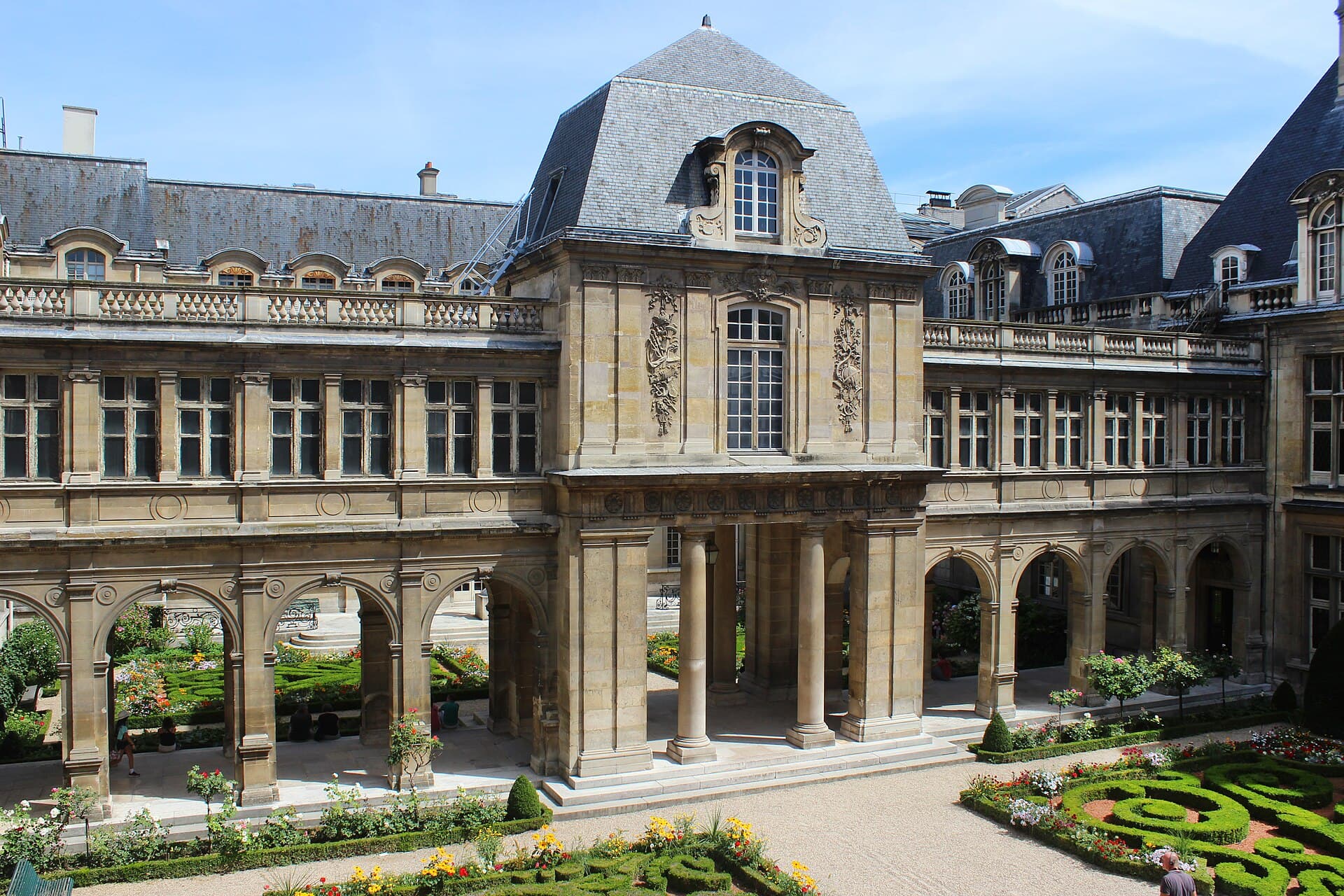 Musée CarnavaletThe oldest museum in Paris and the most Parisian: Carnavalet tells the biography4 minutes walk4.8
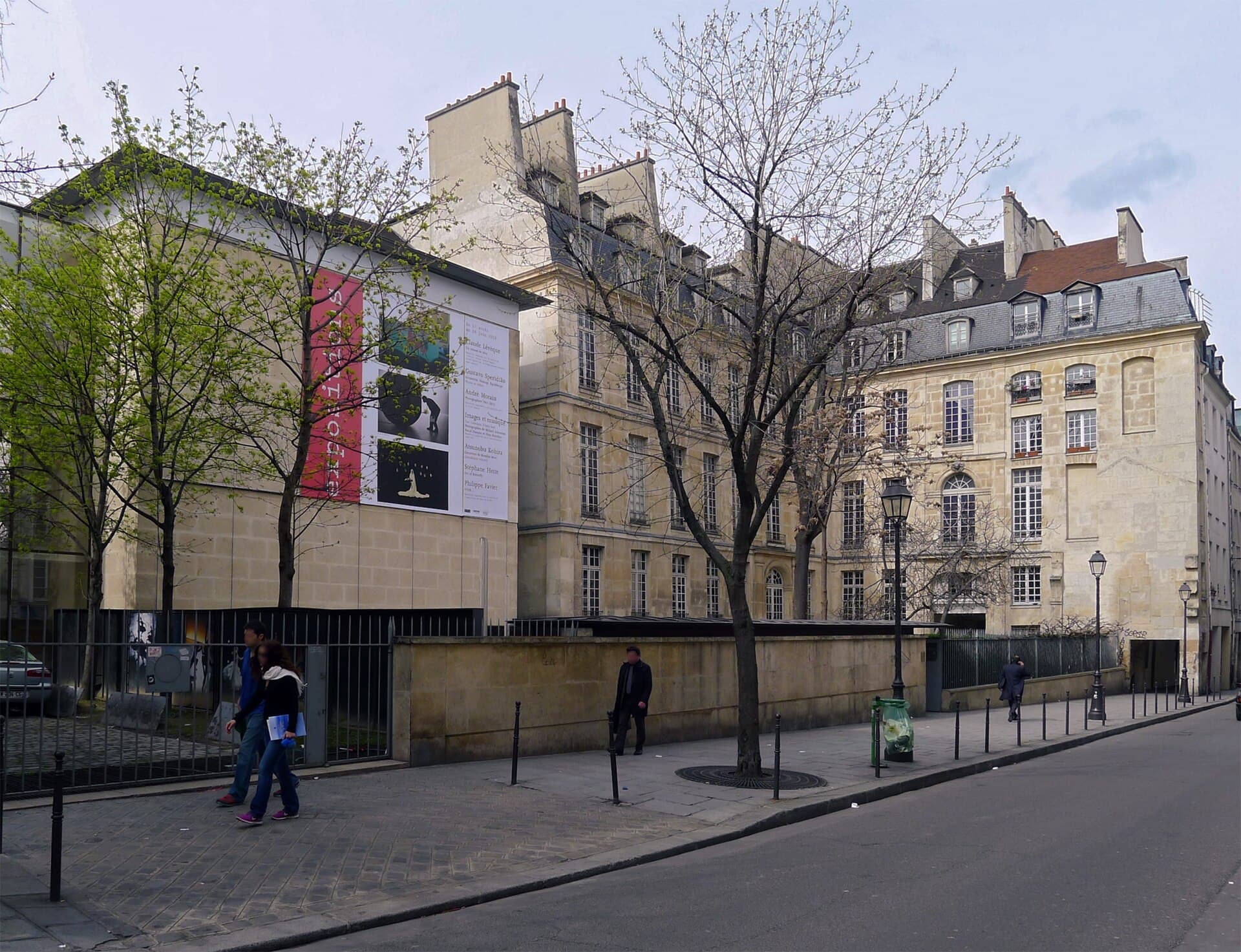 Maison Européenne de la PhotographieAn institution devoted to photography in an eighteenth-century mansion in the Ma6 minutes walk4.6
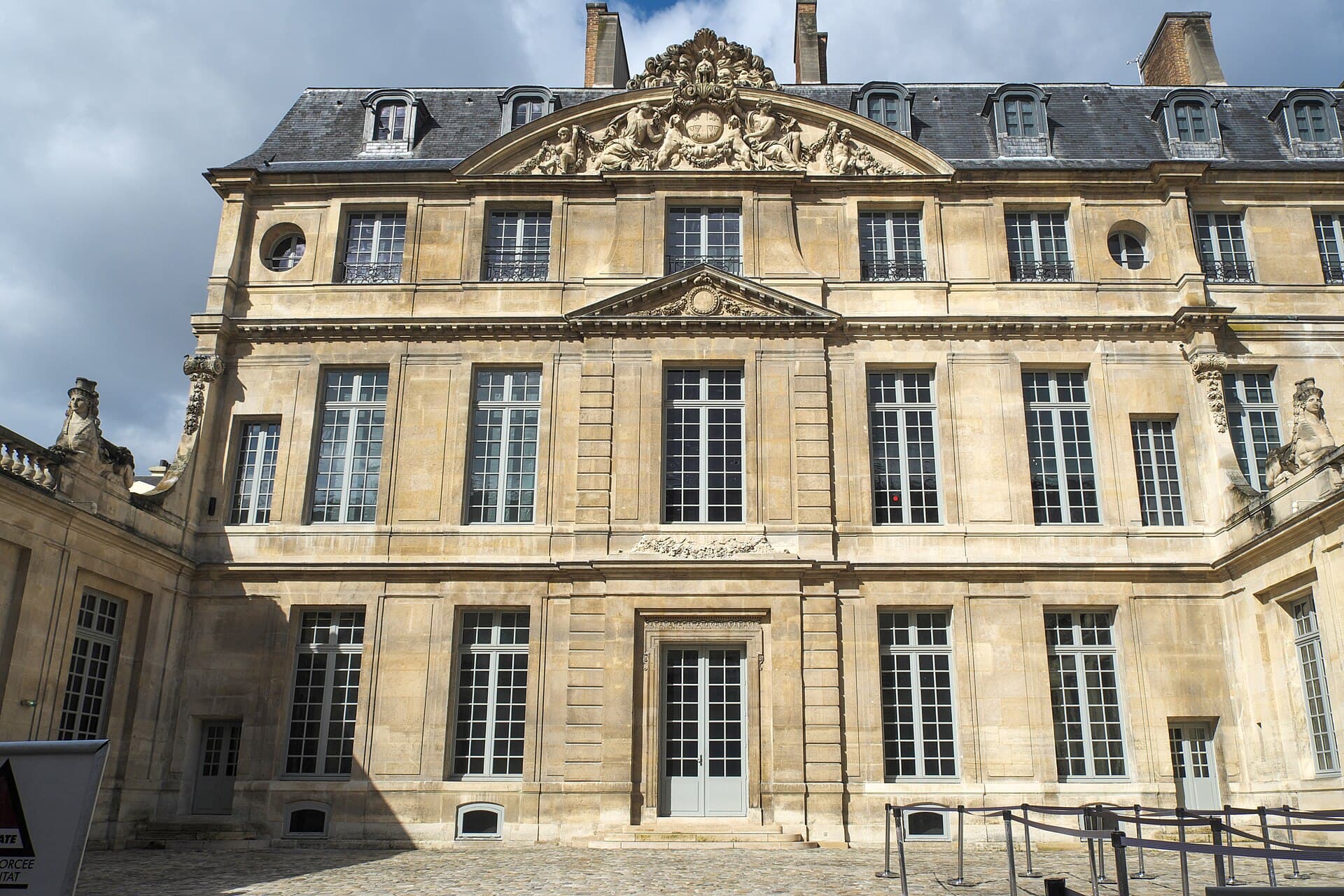 Musée PicassoIn the grandest private mansion of the Marais — the Hôtel Salé with its majestic6 minutes walk4.3
 Opéra BastilleParis's modern opera house on Place de la Bastille, opened in 1989 for the bicen7 minutes walk4.5
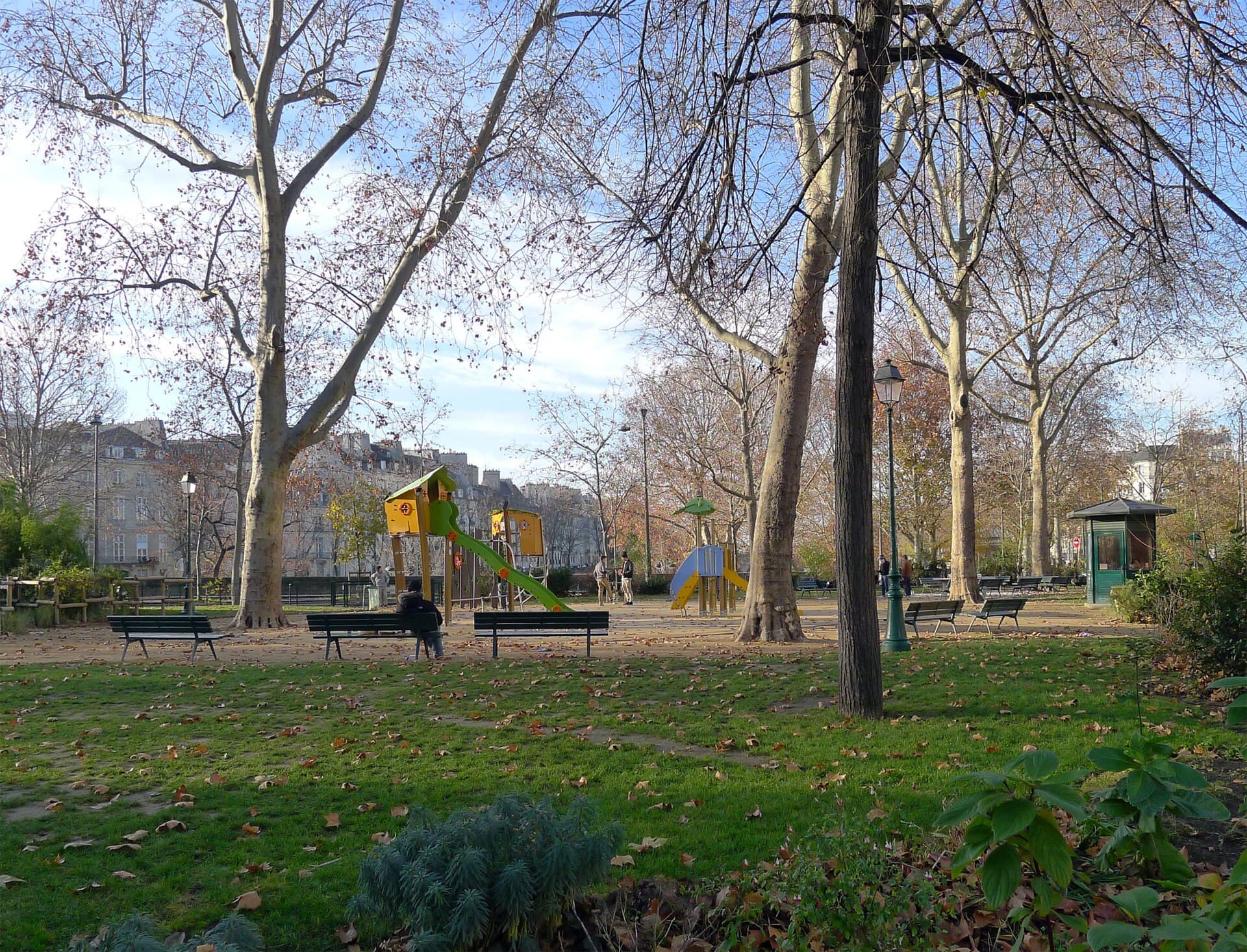 Square Henri Galli — Stones of the BastilleA small garden on Boulevard Henri IV near the river, holding what may be the mos7 minutes walk3.8
Looking for halal food near place des Vosges? There are several options nearby, from Moroccan and Indian kitchens to quick casual spots and places with a view. Confirm the halal status and opening hours before you go — these can change.
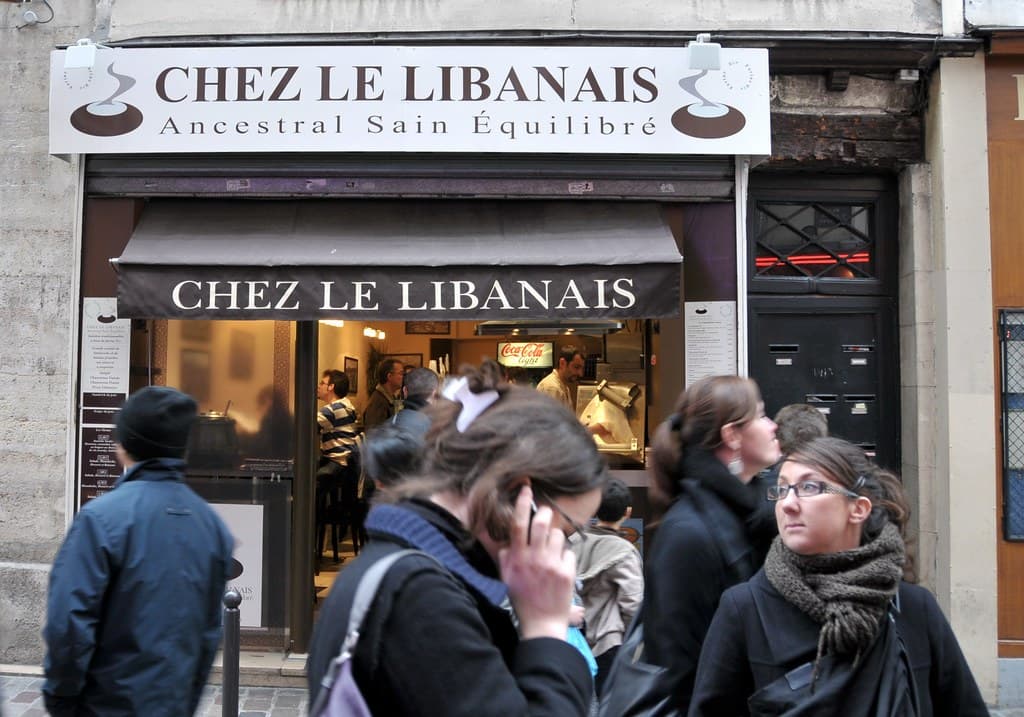 Chez le LibanaisHalalA small counter on Rue Saint-André des Arts, one of the busiest pedestrian stree22 minutes walk · $4.5Al DarHalalAl Dar is a Lebanese restaurant in the Latin Quarter, a few minutes on foot from16 minutes walk · $$4.1
Yes in most seasons, and the lawns fill by afternoon — sections close in rotation to rest the grass, marked by signs.
Start here in the morning, then the free Carnavalet museum, the Francs-Bourgeois shopping lanes, and finish at the Picasso Museum or the Seine — Paris's most complete walking day, and its least metro-dependent.