
The two oldest presses
From c. 1600 and still working in their room.
FrDr — CC BY-SA 4.0 · Klaus Graf — CC BY 2.5 · CEphoto, Uwe Aranas — CC BY-SA 3.0 · Anoniem. Auteursrechthouder: Het Utrechts Archief ; Auteursrechtlicentie: Publiek Domein 1.0 — Public domain
The Plantin-Moretus Museum is the only museum in the world listed in its own right by UNESCO (2005): the house and printing works of Christophe Plantin, the greatest printer of the sixteenth century, who made Antwerp the printing capital of Europe — and his family (the Moretus line) lived in it and ran the press for three hundred years until selling it to the city in 1876 with everything inside, so it remains as if it stopped yesterday. You walk the grand Renaissance house with its inner courtyard and garden, the printing rooms with the two oldest printing presses in the world (c. 1600) still working, the type-founding rooms, the original bookshop, and the library with its manuscripts — and its treasures: a Gutenberg Bible (one of 48 surviving), the "Polyglot Bible" Plantin printed in five languages, Mercator's maps, and 18 paintings by Rubens (a family friend) including portraits of its members. On the quiet Vrijdagmarkt near the cathedral — for the lover of books, history and art: among Belgium's most affecting museums and less famous than it deserves.
From c. 1600 and still working in their room.
One of 48 surviving copies in the world.
Family portraits by the family's friend.
Vrijdagmarkt 22, 2000 Antwerp
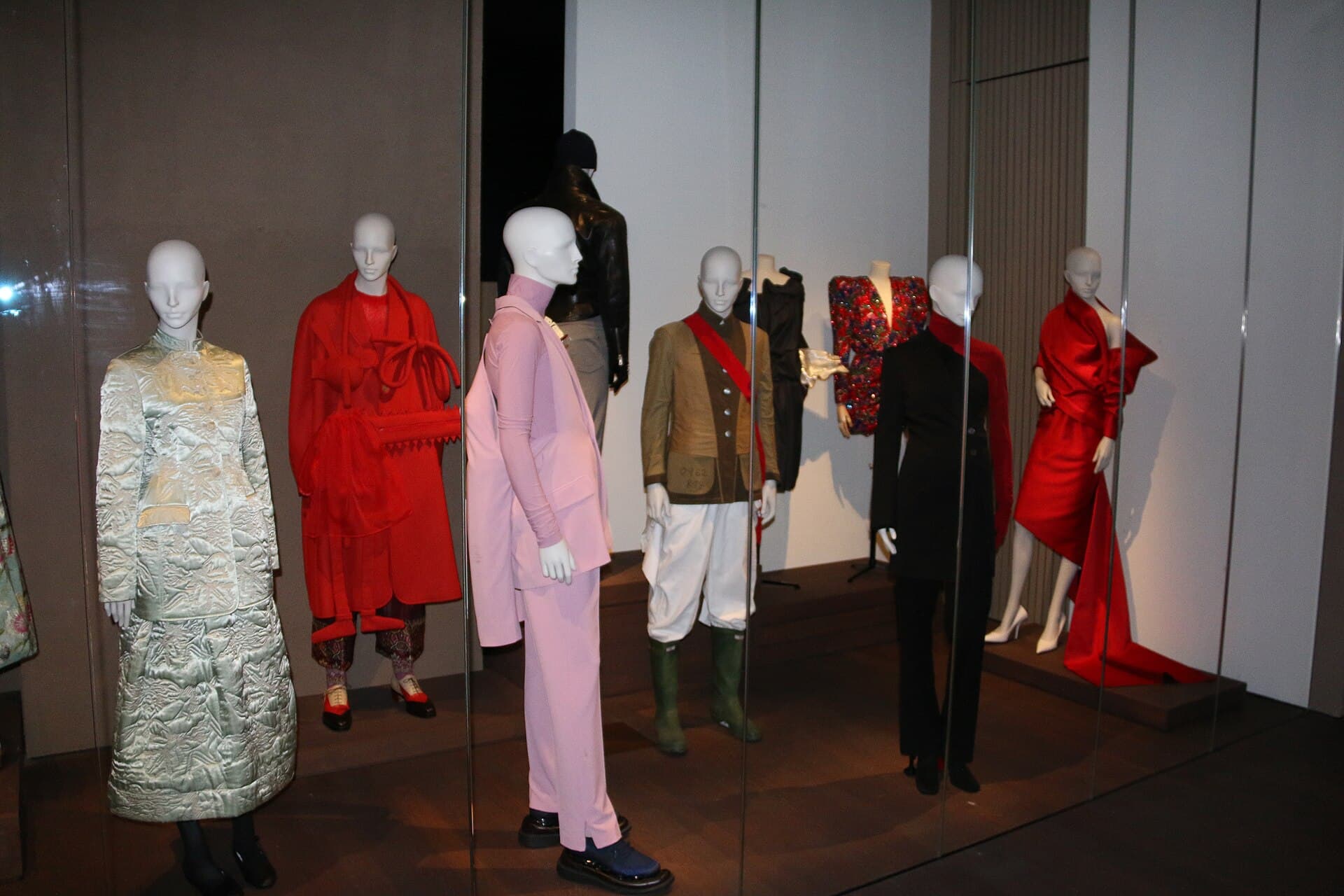 MoMu Fashion MuseumMoMu is Antwerp's fashion museum — in Europe's unexpected fashion capital: from 2 minutes walk4.1
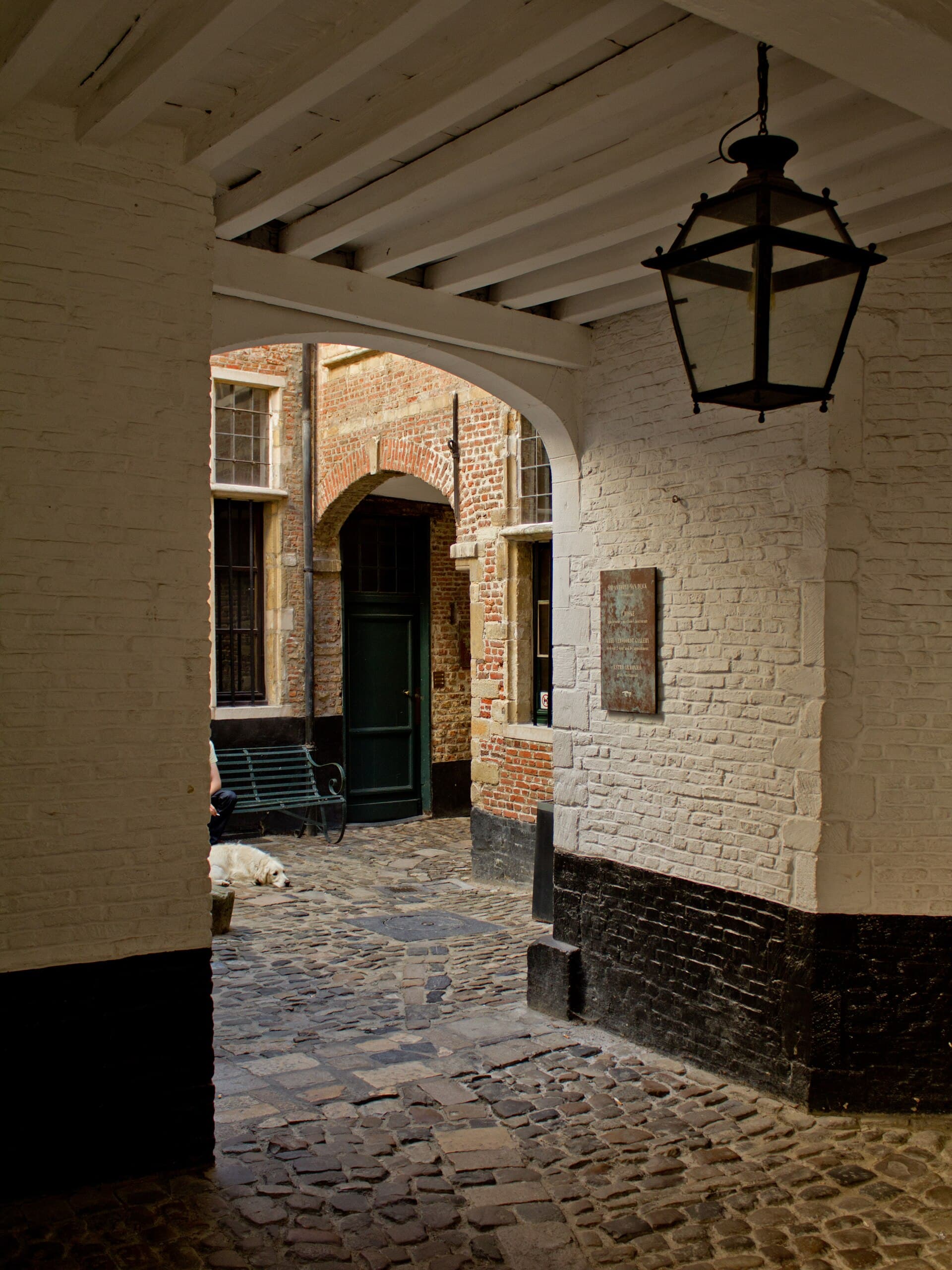 Vlaeykensgang AlleyThe Vlaeykensgang is a secret sixteenth-century alley steps from the cathedral: 3 minutes walk4.7
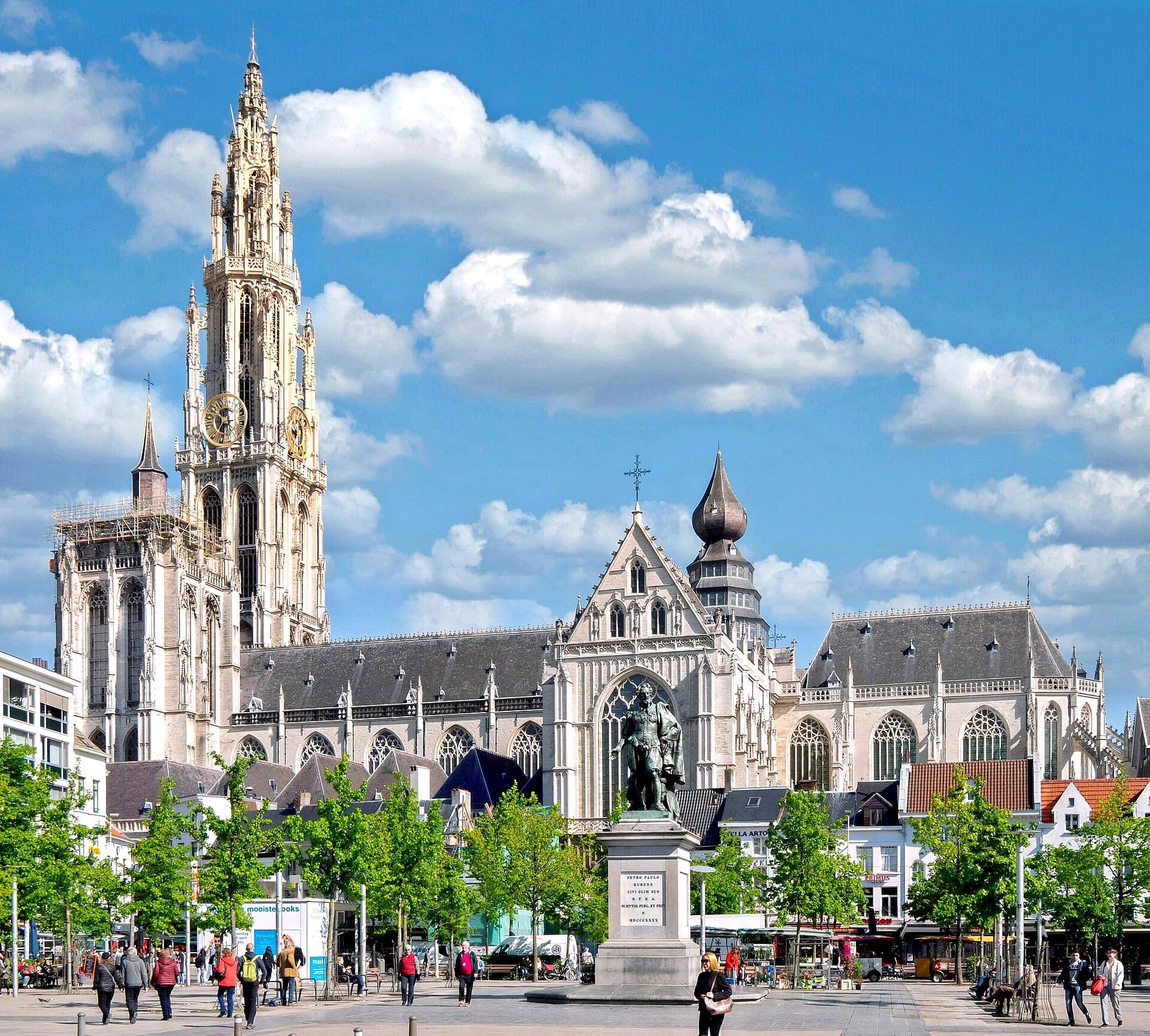 Cathedral of Our LadyAntwerp's Cathedral of Our Lady is the largest and greatest Gothic church in the3 minutes walk4.7
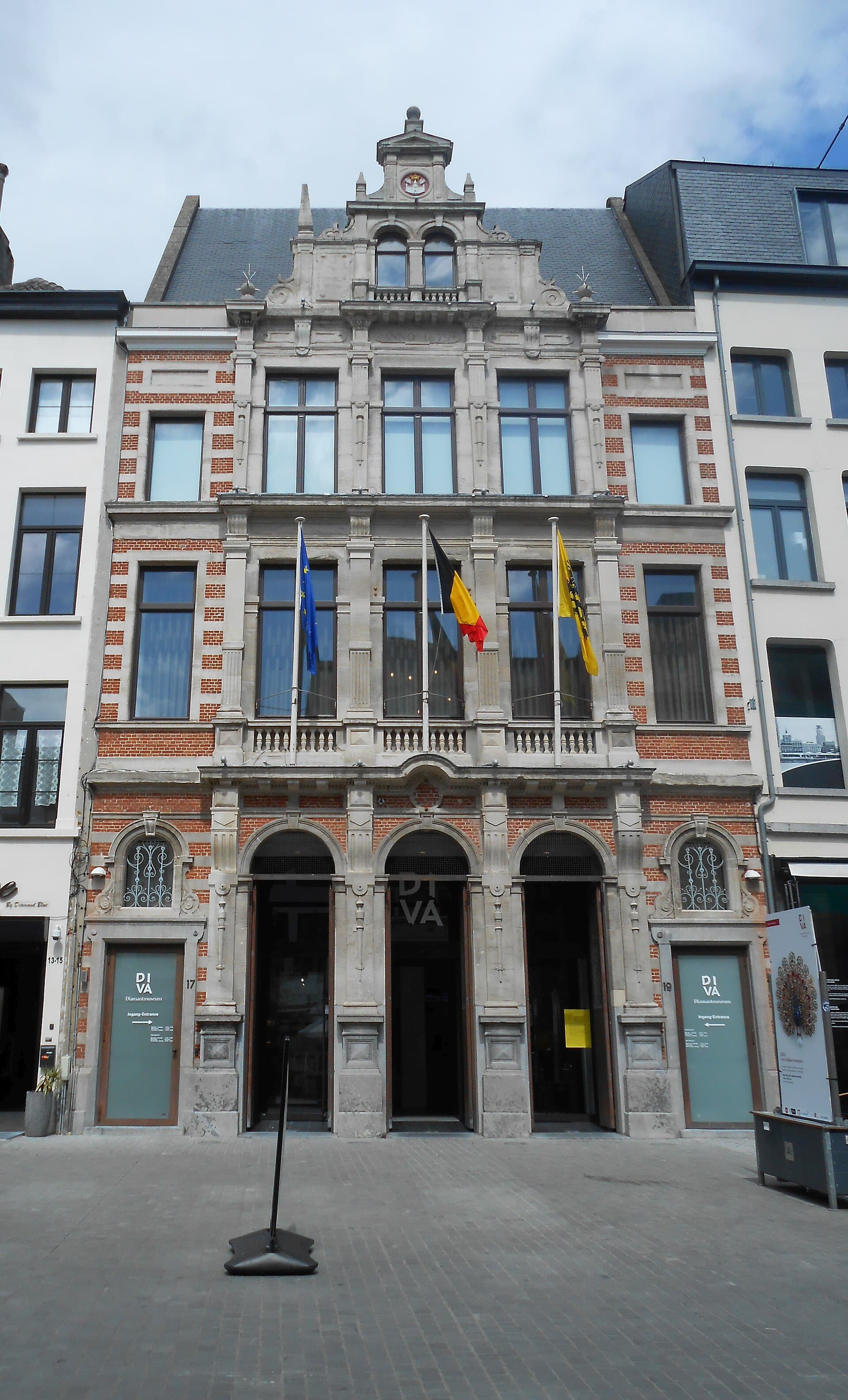 DIVA Diamond and Jewellery MuseumDIVA is Antwerp's museum of diamonds, jewellery and silver — the world's diamond4 minutes walk4.2
 De Ruien (Underground Antwerp)De Ruien is Antwerp hidden underground: the network of medieval canals and strea4 minutes walk4.1
Because it is the place from which printed knowledge spread through Europe in the sixteenth century: Plantin printed the era's most important scientific and religious books and maps at unrivalled quality, and his house, press, tools and library survived complete as they were — a unique case for any historic printing works. Hence UNESCO listed it in its own right. For the book lover: a visit of a lifetime.