
The Descent from the Cross
Rubens' dramatic triptych — the summit of Flemish baroque.
Rolf Kranz — CC BY-SA 4.0 · Gargarapalvin — CC BY-SA 4.0 · Gargarapalvin — CC BY-SA 4.0 · Gargarapalvin — CC BY-SA 4.0
Antwerp's Cathedral of Our Lady is the largest and greatest Gothic church in the Low Countries: it took 170 years to build (1352–1521), and its lace-worked north tower (123 metres) is the tallest in the Benelux and one of the UNESCO belfries — seen from all Antwerp and once the sailors' mark on the river Scheldt. The second tower was never completed, leaving the façade distinctively asymmetrical. Its treasure is Rubens: four major masterpieces by the painter who made Antwerp the capital of the baroque — "The Elevation of the Cross" and "The Descent from the Cross" (the dramatic triptychs the world comes for), "The Assumption of the Virgin" over the high altar, and "The Resurrection". The interior is spacious and bright with seven naves, a pulpit and stained glass, and displays on its long restoration. In the heart of the old town near the Grote Markt — an unmissable visit for the lover of art and architecture, and the story of "A Dog of Flanders" (Nello and Patrasche) ends before Rubens' paintings here.
Rubens' dramatic triptych — the summit of Flemish baroque.
123 metres worked like lace — the sailors' mark.
One tower completed, the other never built.
Groenplaats 21, 2000 Antwerp
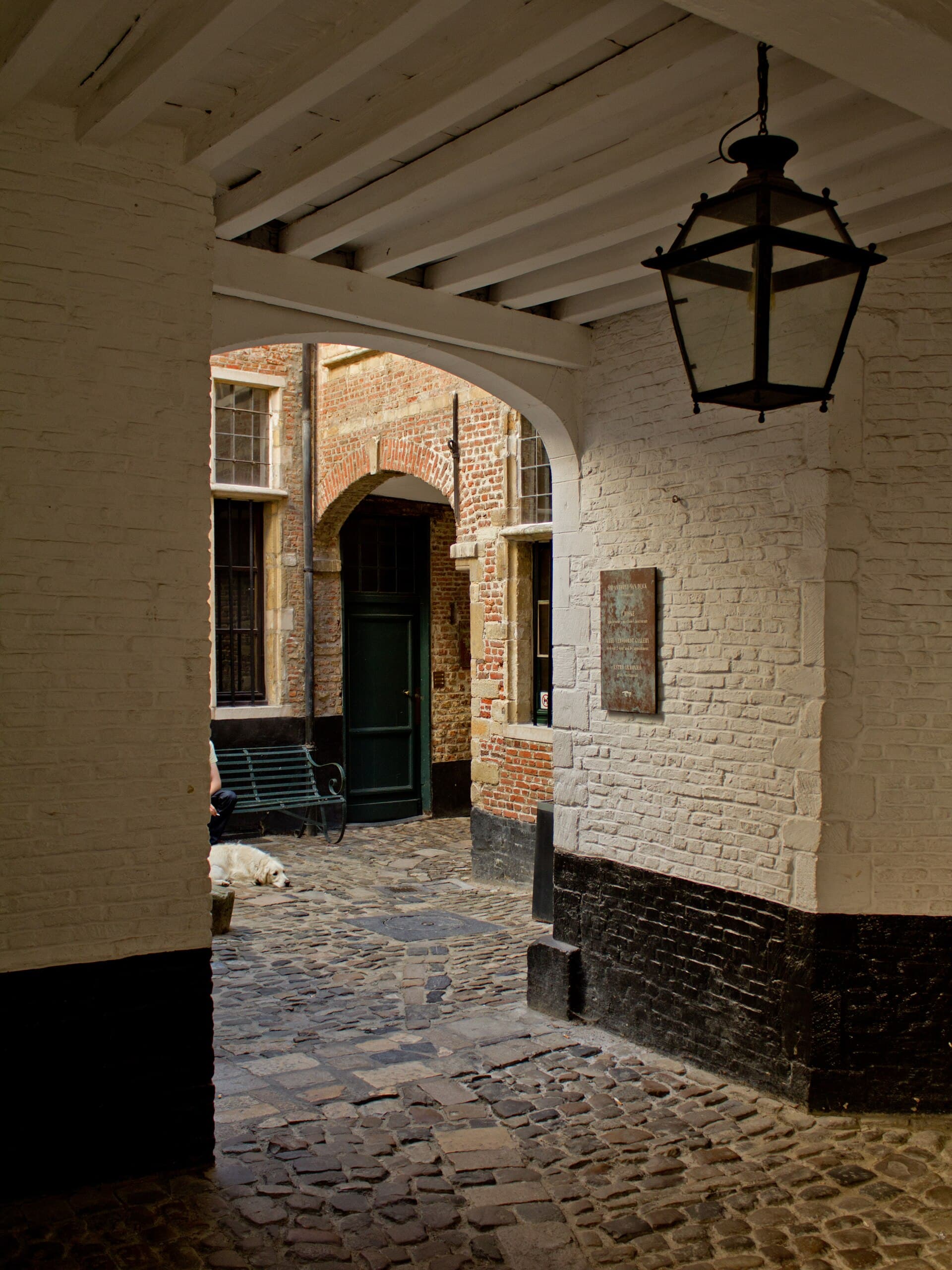 Vlaeykensgang AlleyThe Vlaeykensgang is a secret sixteenth-century alley steps from the cathedral: 1 minute walk4.7
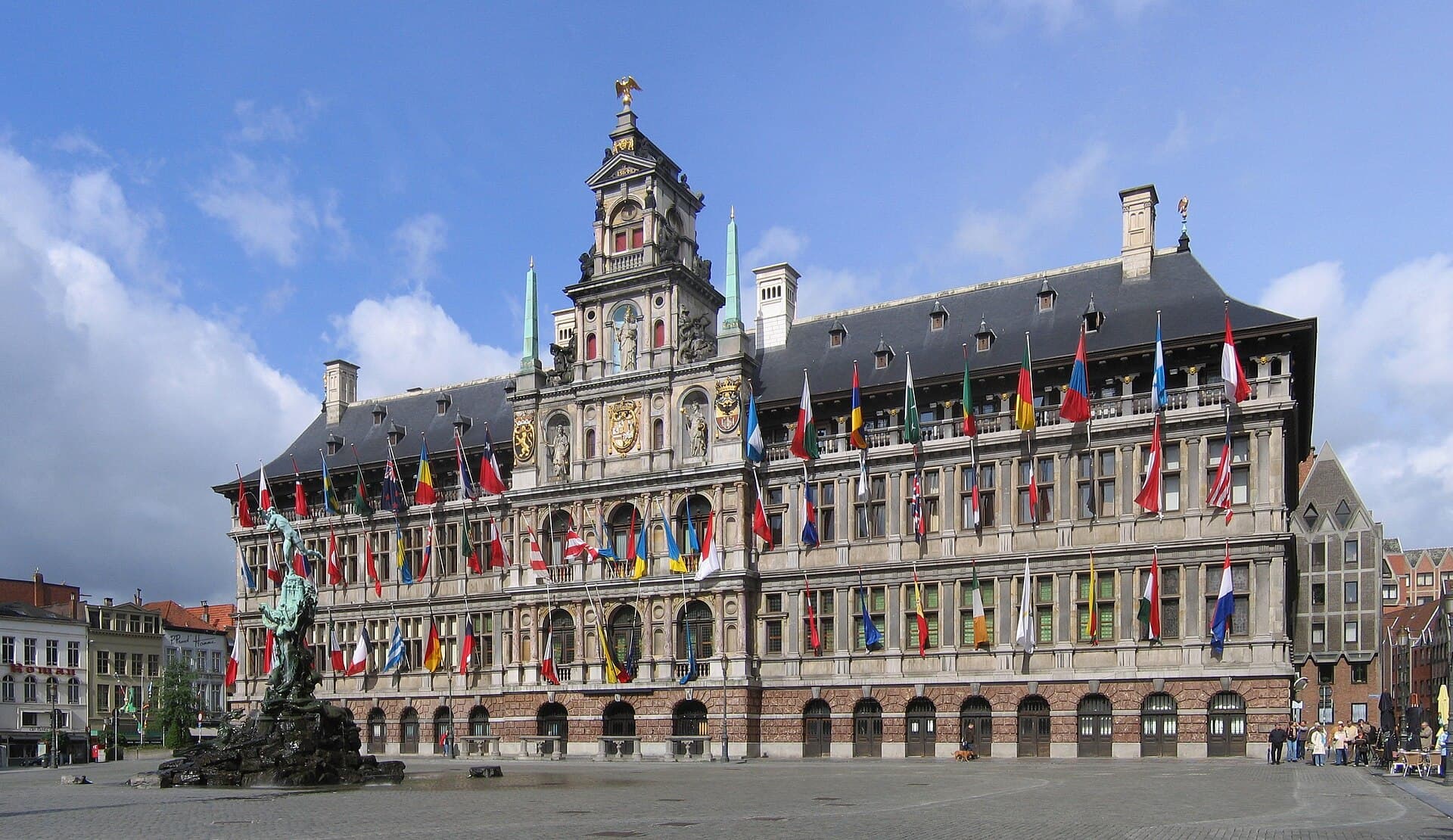 Antwerp City HallAntwerp's City Hall is the first great Renaissance building in the Low Countries2 minutes walk4.6
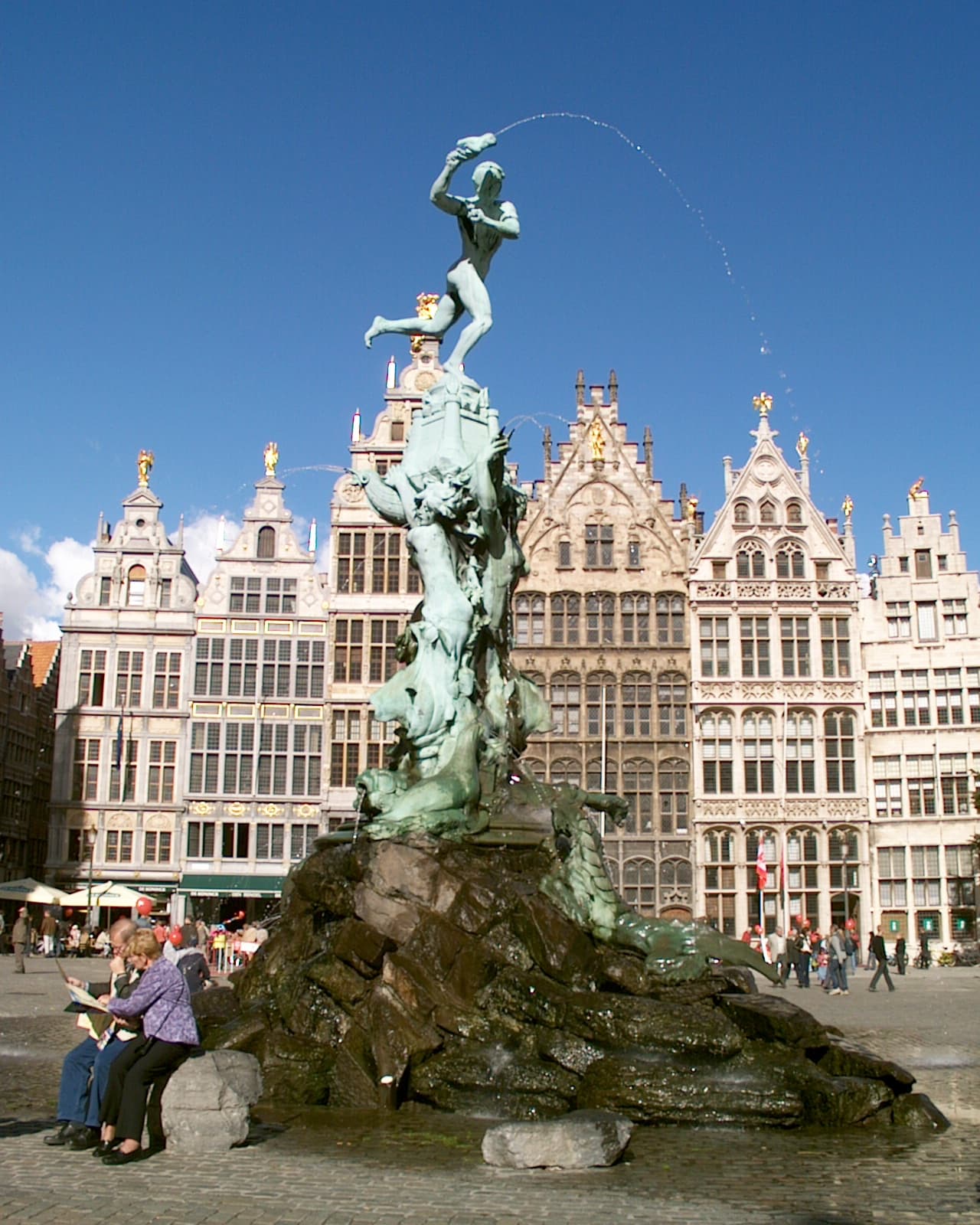 Grote Markt and Brabo FountainThe Grote Markt is Antwerp's great square and historic heart: an irregular trian2 minutes walk4.5
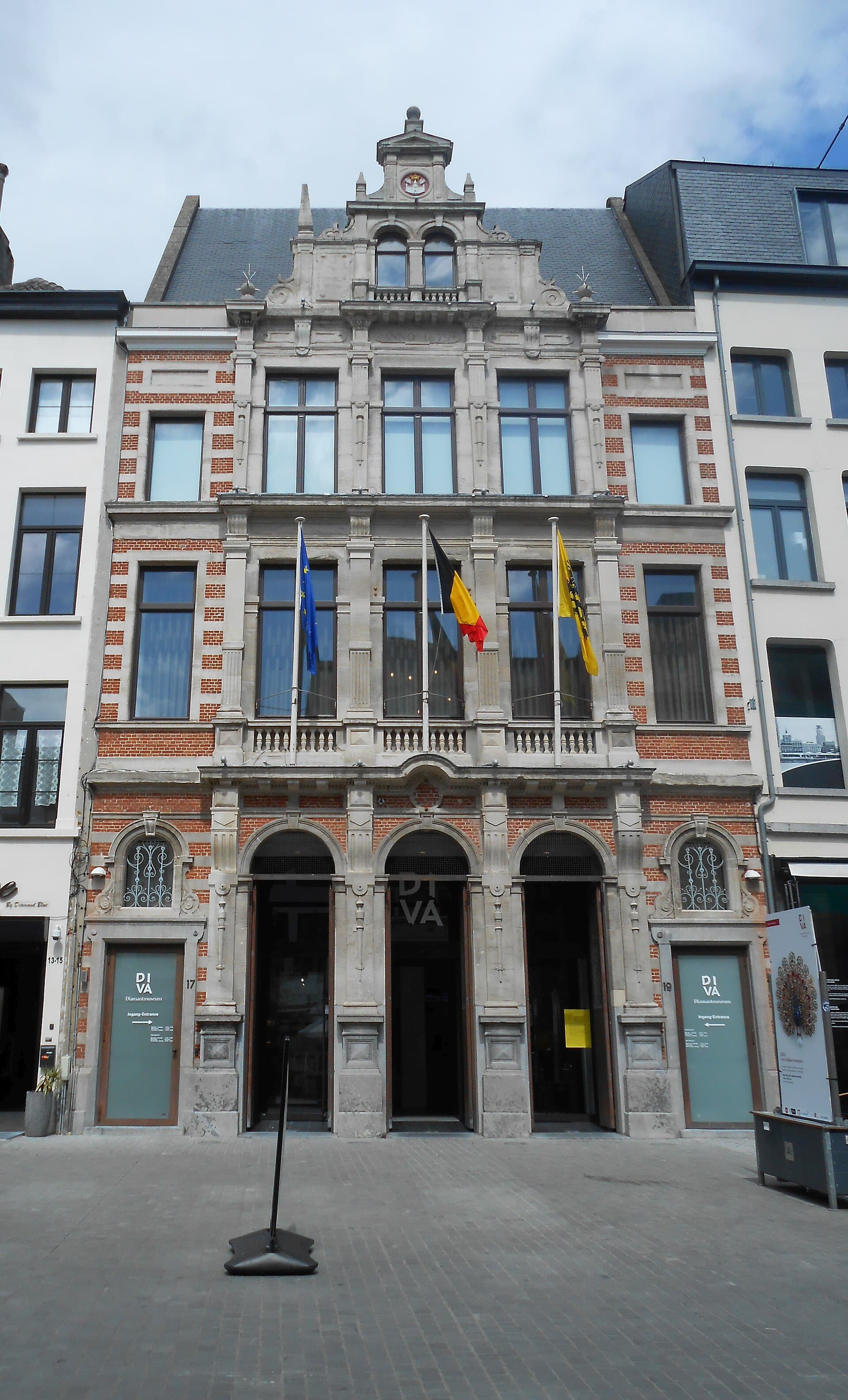 DIVA Diamond and Jewellery MuseumDIVA is Antwerp's museum of diamonds, jewellery and silver — the world's diamond2 minutes walk4.2
 De Ruien (Underground Antwerp)De Ruien is Antwerp hidden underground: the network of medieval canals and strea2 minutes walk4.1
An 1872 English novel ("A Dog of Flanders") about a poor boy and his dog who dreams of seeing Rubens' covered paintings in the cathedral and dies before them on Christmas Eve — unknown in Belgium but a legend in Japan and Korea, so Asian visitors come specially. A statue of the two stands before the cathedral on the Groenplaats. The paintings are "The Elevation" and "The Descent from the Cross" here.