
The column forest
Twisted stone palms opening their fronds seventeen metres up.
Juan Mayordomo — CC BY-SA 4.0 · Frnevado — CC BY-SA 4.0 · Nan Palmero from San Antonio, TX, USA — CC BY 2.0 · Coralma* — CC0
The Silk Lonja is Valencia's UNESCO jewel: the merchants' exchange of the fifteenth century, when Valencia ranked among the Mediterranean's richest ports — its contract hall among civil Gothic's most wondrous spaces in Europe: columns twisting like palm trunks opening into fronds seventeen metres up, a stone forest built to tell the world's traders: here are trust and plenty. Around the hall: the bankrupts' prison tower, the Consulate of the Sea with its transferred golden timber ceiling — the first maritime trade courts — and a quiet orange courtyard. Latin inscriptions along the walls preach honesty to the merchant and forbid usury — market ethics carved in stone. At two euros it is the densest lesson in golden Valencia — with the Central Market facing it as living heir: yesterday's exchange and today's market face to face.
Twisted stone palms opening their fronds seventeen metres up.
The first maritime trade court beneath its golden ceiling.
Prison for contract-breakers — the golden market's rigour.
Carrer de la Llotja 2, 46001 Valencia
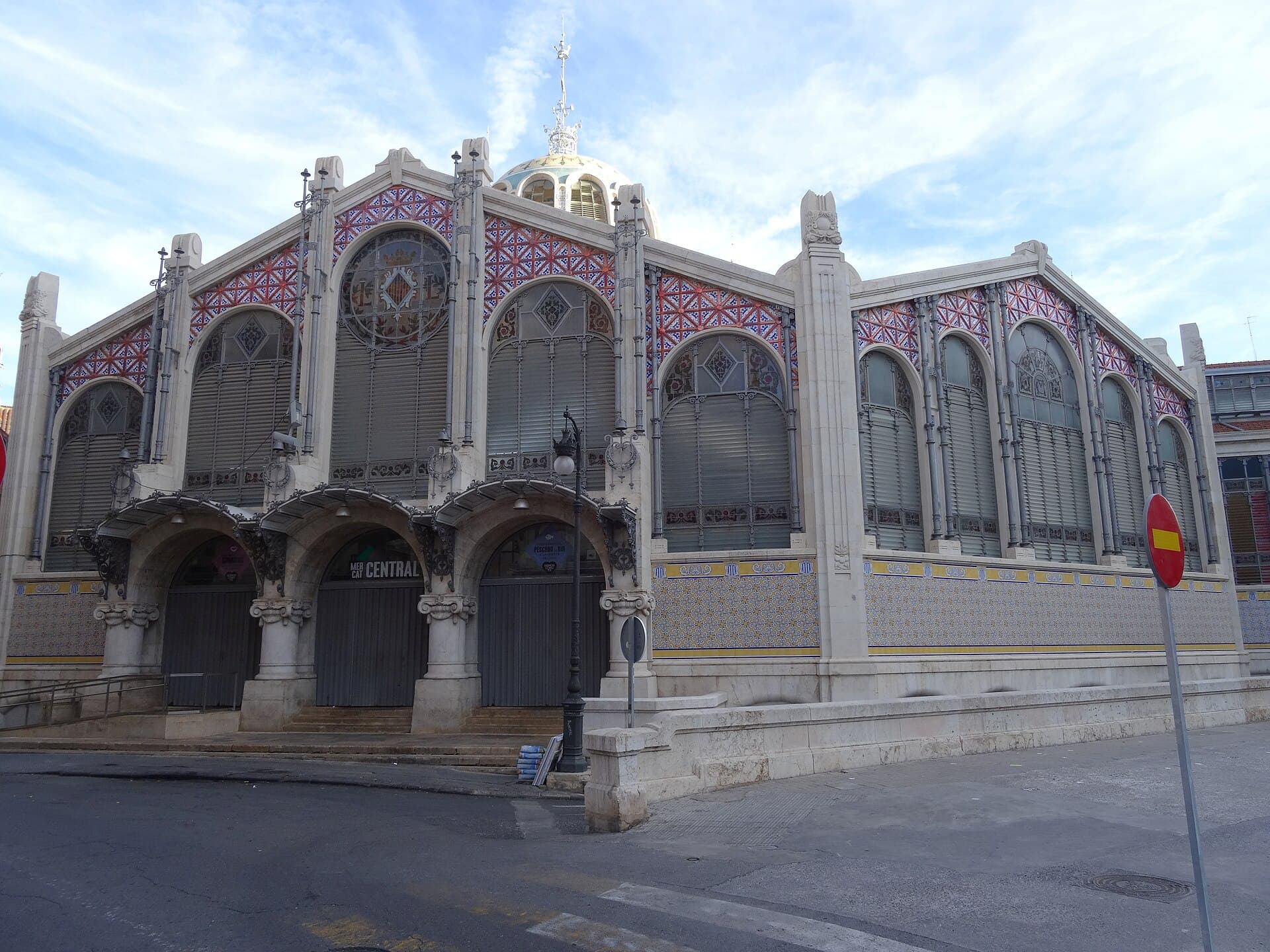 Central MarketValencia's Central Market is near-inarguably Europe's most beautiful food market1 minute walk4.8
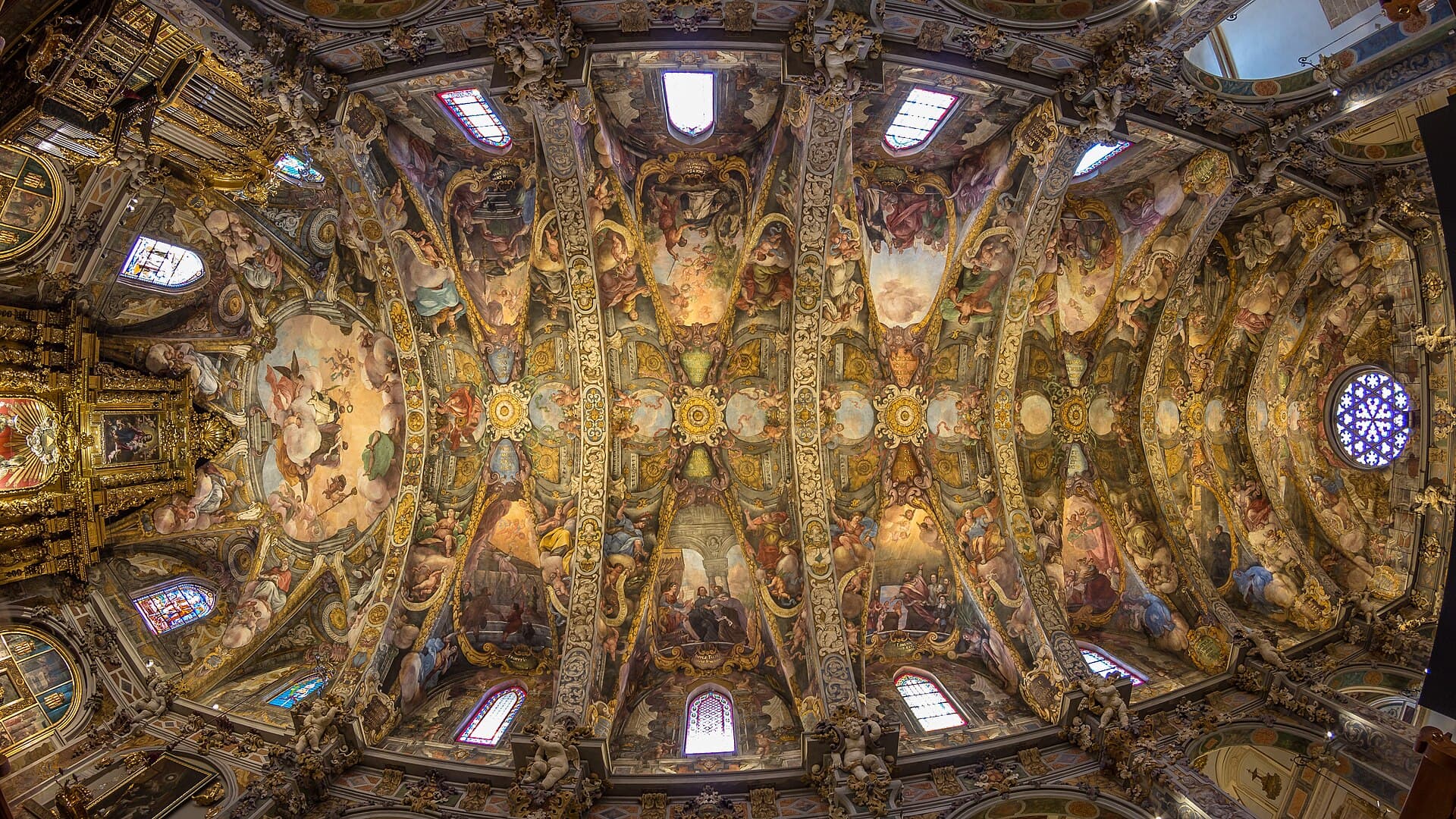 Church of San NicolásA church in the old centre of Valencia known locally as the Valencian Sistine Ch3 minutes walk4.8
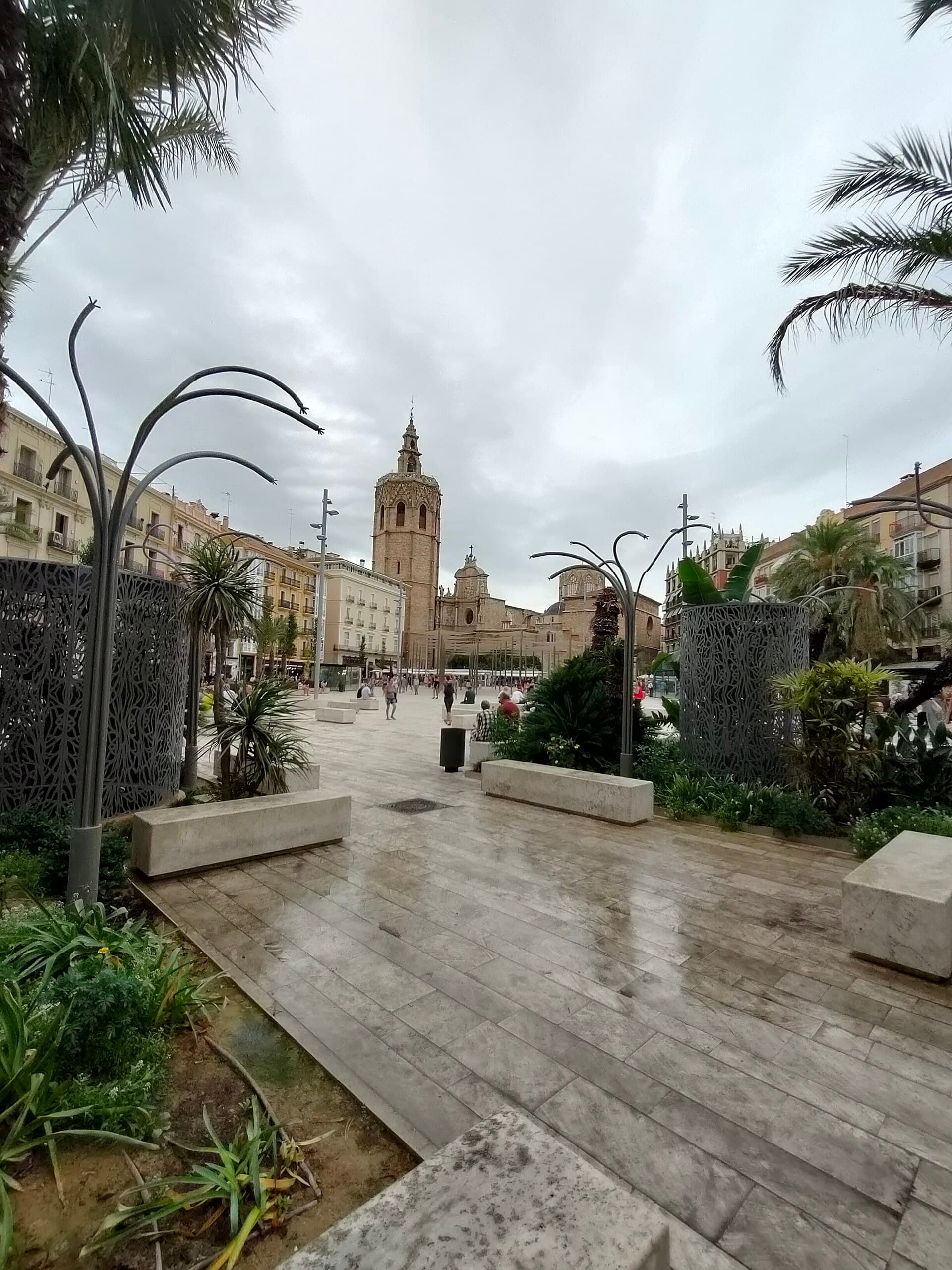 Plaza de la ReinaThe main square in front of Valencia cathedral in the heart of the old city, and3 minutes walk4.8
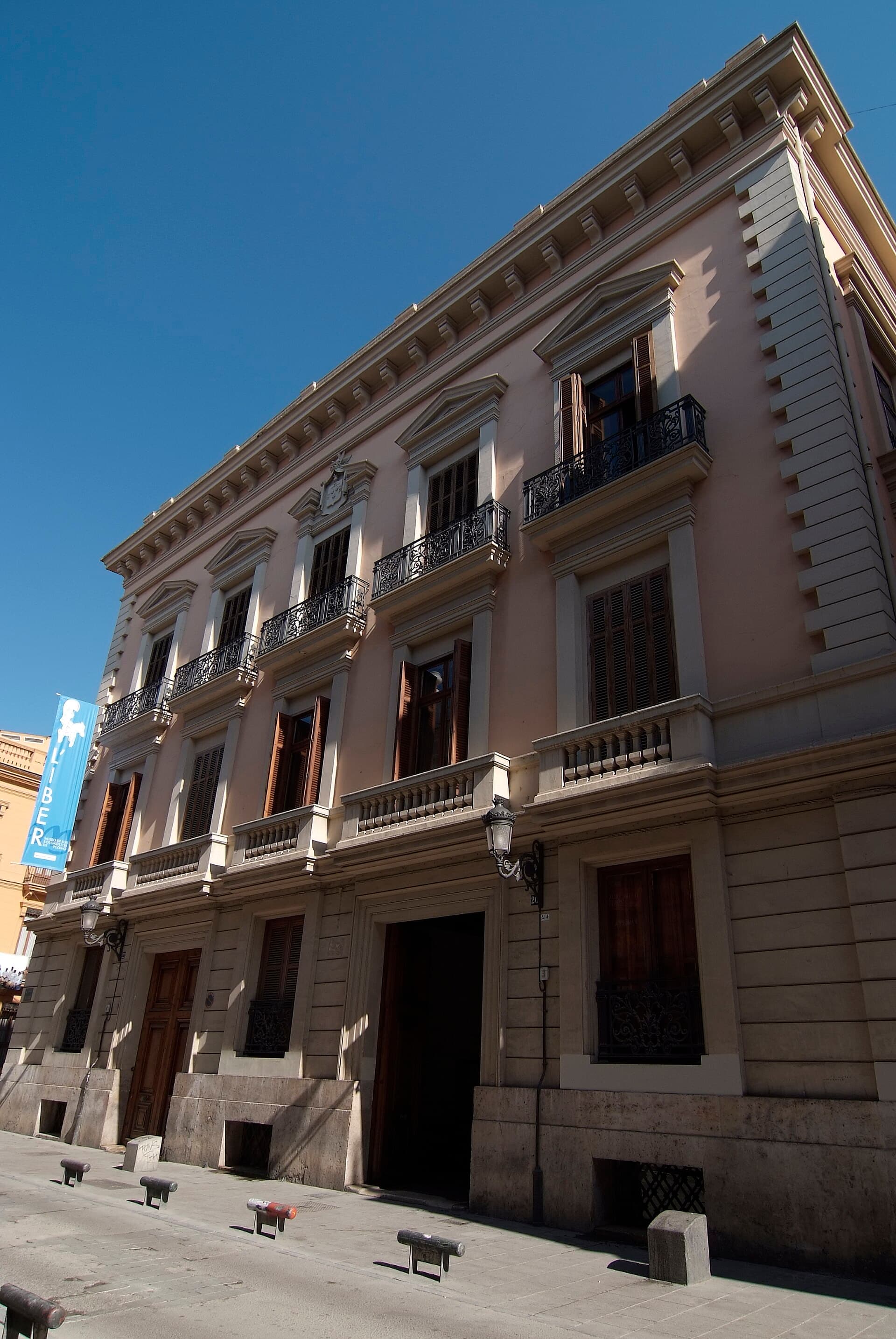 L'Iber Toy Soldier MuseumA museum of toy soldiers and military miniatures in the Palacio de Malferit in t3 minutes walk4.6
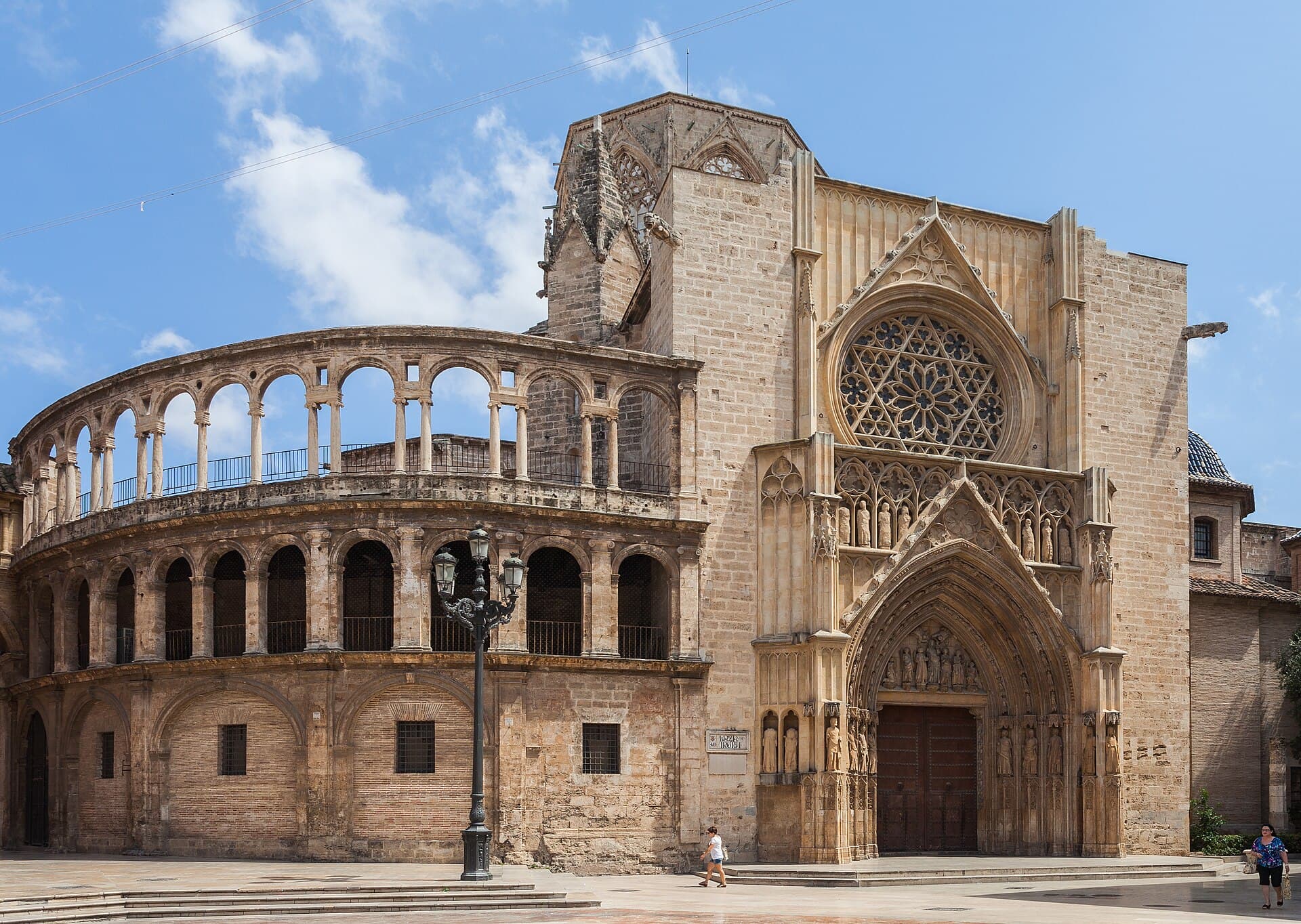 Valencia Cathedral & the MicaletValencia's cathedral rose over the great mosque after 1238 and gathered all the 4 minutes walk4.5
Because it is civil Gothic's rare summit: cathedrals of trade are scarcer than cathedrals of faith, and this is the completest preserved with its four organs — hall, tower, court, courtyard. And because it documents an entire Mediterranean economy: silk, consuls, contracts and carved market ethics.