
The last of four
Of the four market crosses that served medieval Salisbury, only this one survives, and it survives in its own street rather than in a museum.
foundin_a_attic — CC BY 2.0 · Tim Sheerman-Chase — CC BY 4.0 · Michael Garlick — CC BY-SA 2.0 · Michael Garlick — CC BY-SA 2.0
Medieval Salisbury had four market crosses, one for each trade: cheese, wool, livestock and poultry. Exactly one survived, and it still stands where it always did, at the corner of Silver Street and Minster Street: a hexagonal stone canopy, open on every side, resting on squat piers. A cross is recorded on this spot from 1307, and the structure you see is fourteenth-century in origin, built for farmers laying out chickens and ducks underneath it, sheltering from rain far more often than from sun. The stonework tells a restoration story worth reading before you raise the camera. The original flying buttresses came down in 1711, which is why Turner painted it bare of them around 1800, and the upper part was rebuilt between 1852 and 1854 to the designs of the architect Owen Browne Carter, buttresses and all. So the lower half is genuinely medieval and the upper half is a Victorian imitation of medieval, which is honest enough for a Grade I listed monument that is also a scheduled monument. Be clear about what it is: not a destination in its own right, but the marker for the whole old trading quarter. Five to ten minutes covers it, then walk on into Fish Row and Butcher Row and the broad Market Place with its leaning timber shopfronts. Come on a Tuesday or a Saturday if you can, because the Charter Market, running here since roughly 1227, fills the Market Place and the streets around the cross: Tuesday from 8:30am to 3pm, Saturday until 4pm. On any other day you get a quiet street and a silent lump of stone. It is free, outdoors, with no ticket, no booking and no closing time, and it sits on the natural walk between the railway station and Salisbury Cathedral: ten to fifteen minutes from the station down Fisherton Street into Silver Street, another ten minutes on to the cathedral. The ground is flat and paved, so a pushchair rolls straight through, and the canopy itself makes a quick refuge from an English shower. In winter the light goes around 4pm, but the street is lit and the cross is open whenever you arrive.
Of the four market crosses that served medieval Salisbury, only this one survives, and it survives in its own street rather than in a museum.
The buttresses were stripped off in 1711 and Turner painted it without them, before the upper part was rebuilt in medieval dress between 1852 and 1854.
Every Tuesday and Saturday the Charter Market fills the Market Place and the streets around the stone, and the place recovers the noise it was built for.
Junction of Silver Street and Minster Street, central Salisbury
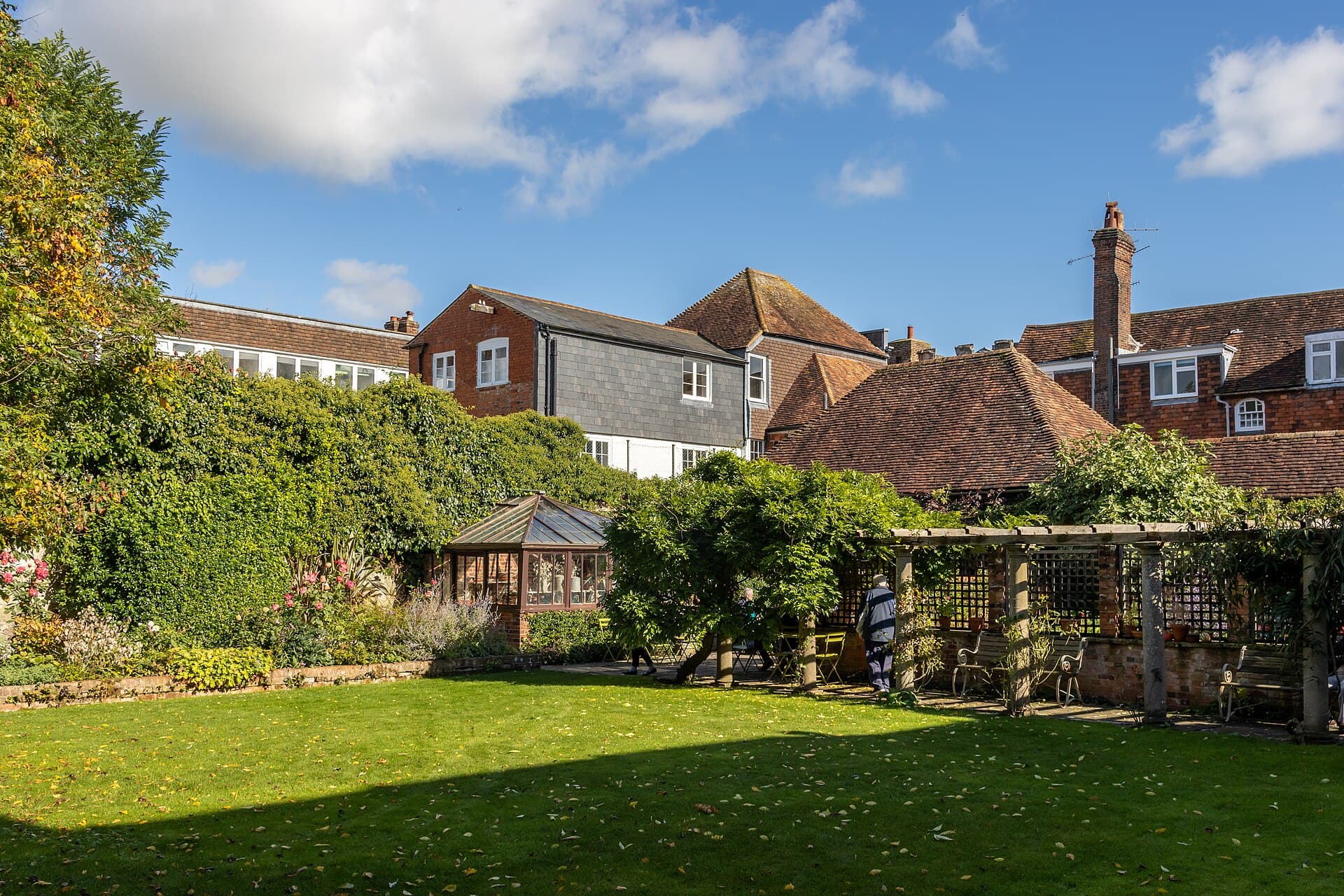 Mompesson HouseThe quiet grey front on Choristers' Green gives nothing away. Behind it are plas4 minutes walk4.4
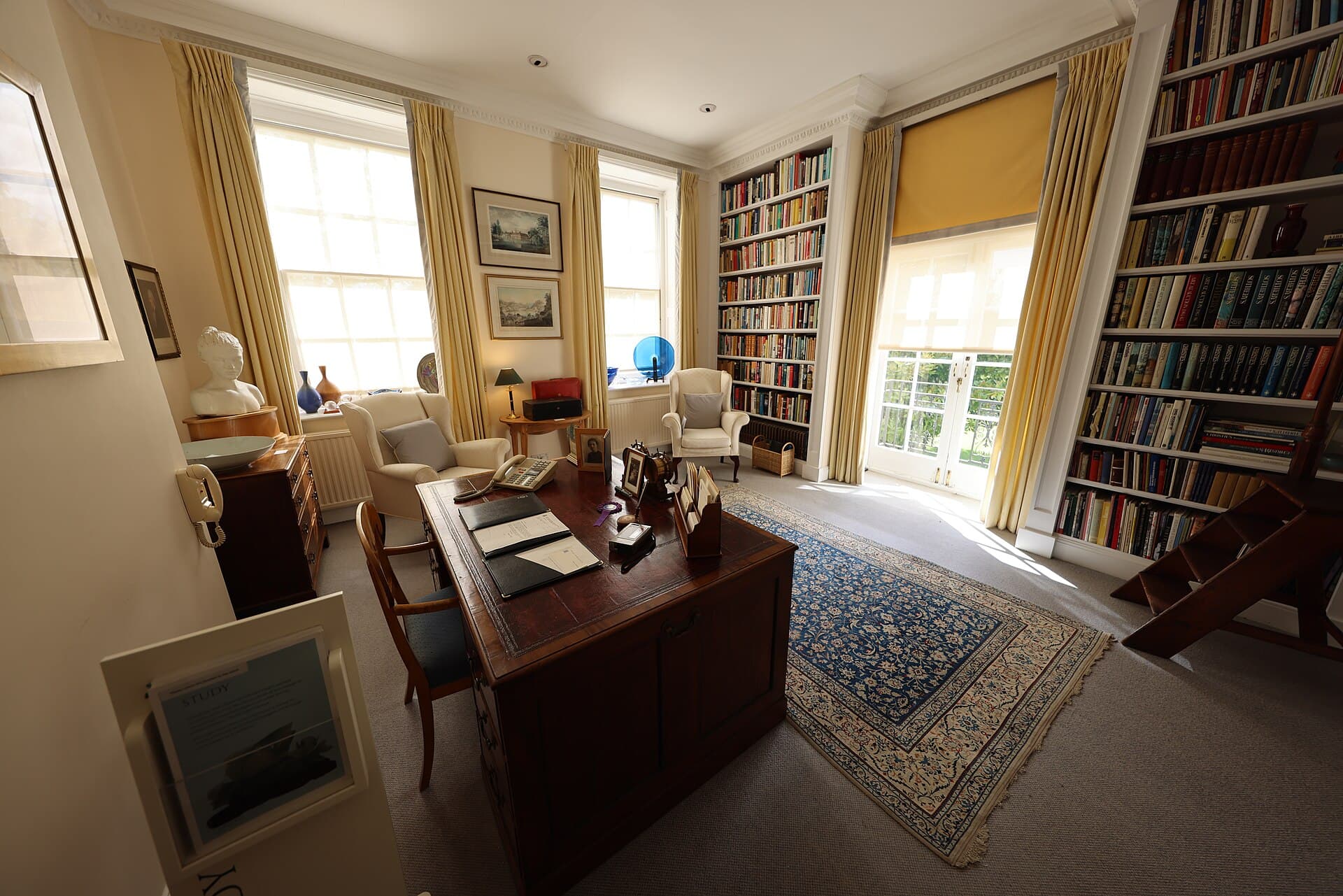 ArundellsIn a quiet house inside Salisbury's Cathedral Close, Sir Edward Heath's Steinway5 minutes walk4.7
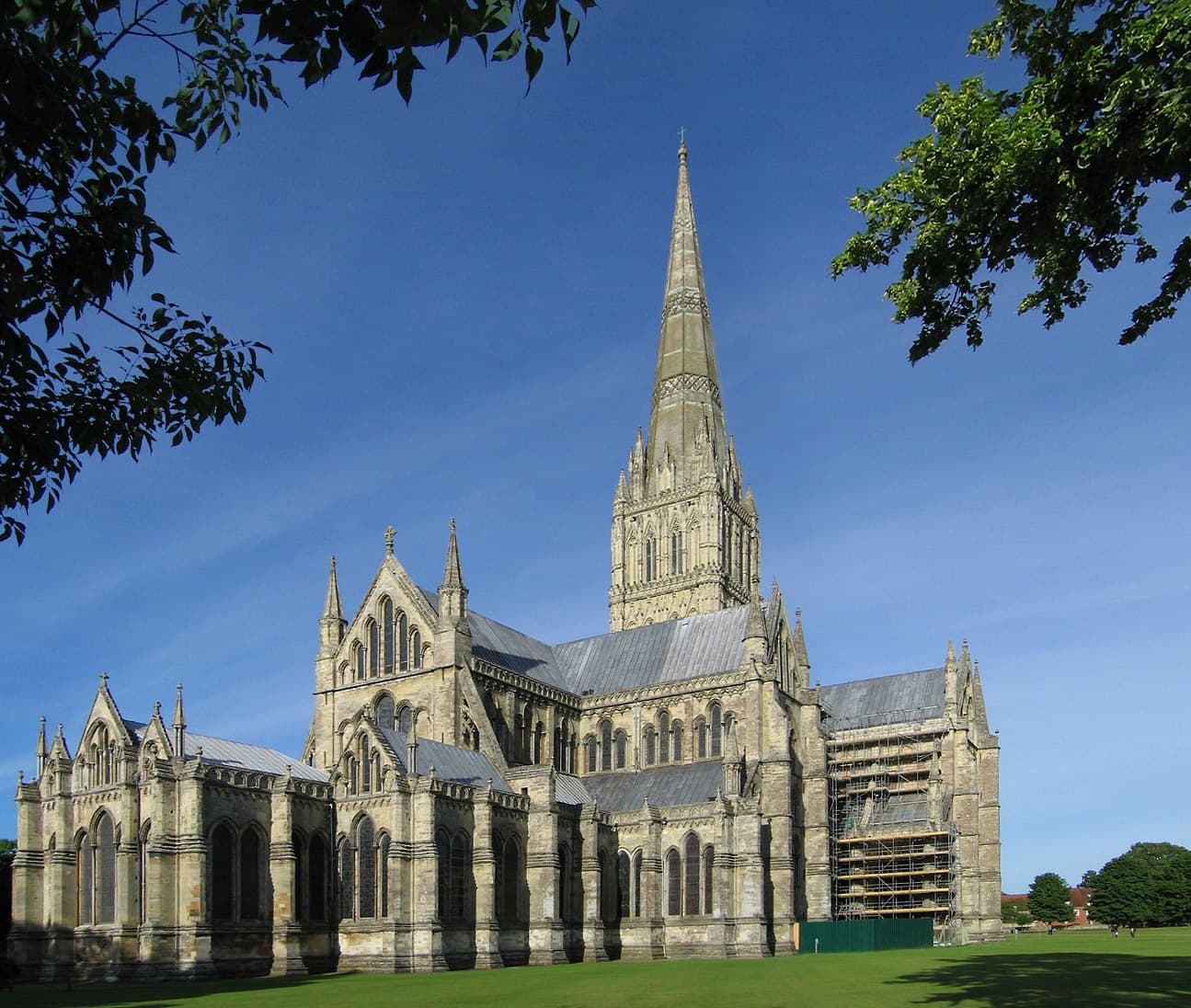 Salisbury CathedralSalisbury has the tallest church spire in Britain: 123 metres of tapering stone 6 minutes walk4.8
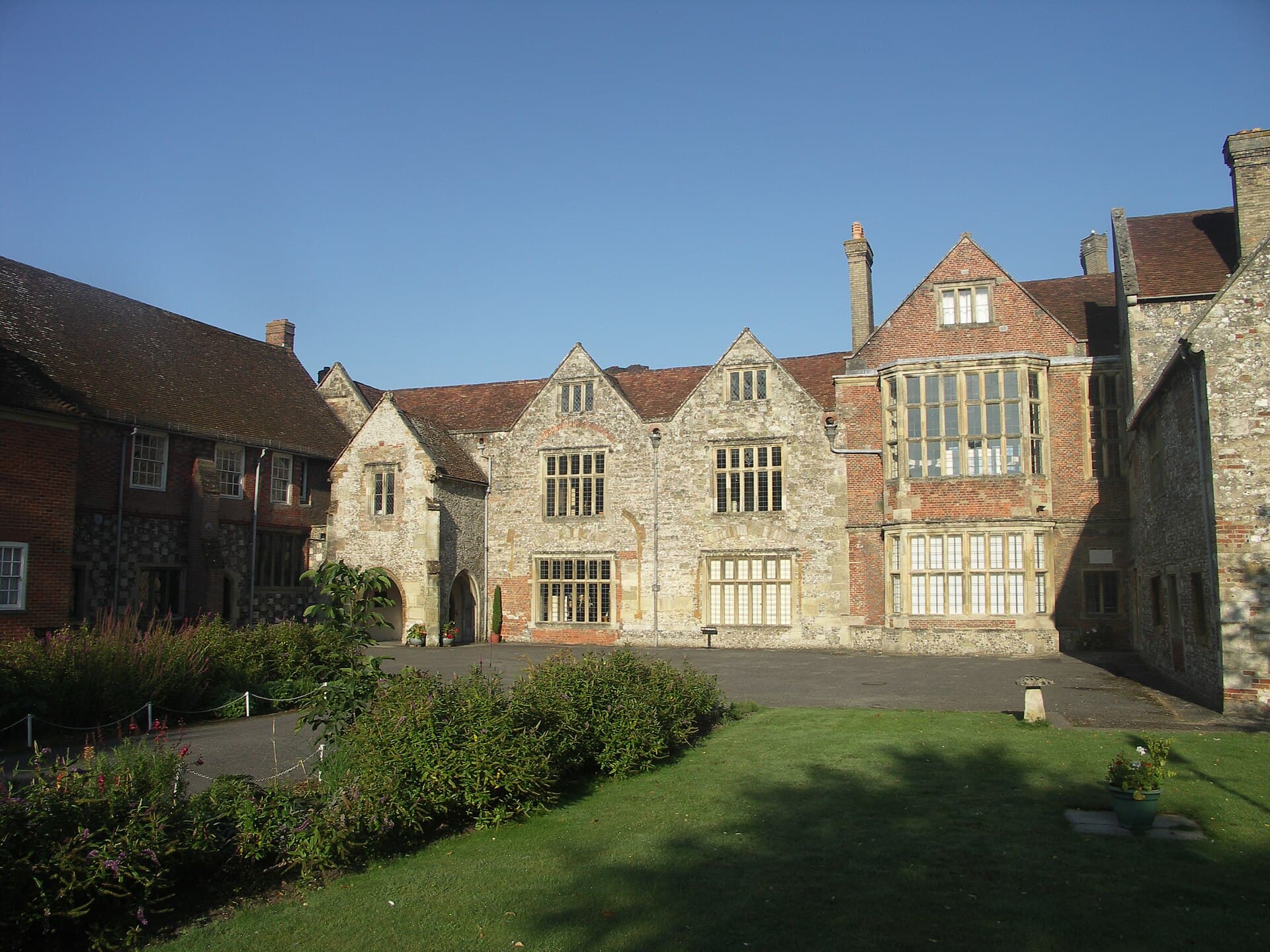 The Salisbury MuseumIn a case here lies a man buried a few miles from Stonehenge roughly 4,300 years7 minutes walk4.7
No. It is a stop, not an outing: if you have one day in Salisbury give it to the cathedral and the Magna Carta, and you will pass the cross anyway on the walk from the station. Five minutes and a photograph, then carry on.
Tuesday or Saturday morning, when the Charter Market surrounds it with dozens of stalls and the place does the job it was built for. On other days it is an empty stone canopy in a quiet street, photogenic but lifeless.